Betta fish thrive in warm, stable water, but temperatures above a certain point become dangerous. If the water climbs past the safe limit, stress, illness, and even death can follow. This guide shows you exactly what temperature is too hot for a betta fish and how to prevent overheating.
Key Takeaways
- Ideal range: 76‑82°F (24‑28°C) keeps bettas happy and active.
- Too hot threshold: 86°F (30°C) and above begins to stress bettas.
- Symptoms of overheating: rapid breathing, faded colors, lethargy, and loss of appetite.
- Preventive tools: reliable heater, thermometer, and a stable room environment.
- Emergency action: gradual cooling with a fan or cold water bag; never shock the fish.
- Regular checks: test water daily and adjust heater settings weekly.
- Link to basics: read our guide on what temperature should water be for a betta fish for a full temperature overview.
📑 Table of Contents
- Introduction: Why Temperature Matters More Than You Think
- 1. The Goldilocks Zone: Ideal Temperature Range
- 2. Defining “Too Hot”: The Critical Threshold
- 3. Spotting Overheating Early: Symptoms to Watch For
- 4. Tools and Techniques to Keep Temperatures Safe
- 5. What to Do If Your Betta Is Overheated
- 6. Maintaining Consistency: Daily and Weekly Routines
- Conclusion: Keep It Just Right
Introduction: Why Temperature Matters More Than You Think
When you first bring home a betta, the bright colors and graceful fins steal the show. Yet, behind that beauty is a delicate creature that relies on a very specific water temperature to stay healthy. Unlike goldfish that can handle a wide range of conditions, bettas are tropical fish that need warmth to power their metabolism, immune system, and even their brilliant hues.
If you’ve ever wondered what temperature is too hot for a betta fish, you’re not alone. Many hobbyists set their heater a little high, thinking “warmer = happier.” In reality, once the water climbs past the safe ceiling, stress spikes, disease risk rises, and the fish’s lifespan shortens. This article breaks down the science, the signs to watch for, and practical steps to keep the water just right.
1. The Goldilocks Zone: Ideal Temperature Range
What the experts say
Most reputable sources agree that bettas thrive between 76°F and 82°F (24°C‑28°C). This range mirrors their natural habitat in the shallow streams and rice paddies of Southeast Asia, where water stays warm year‑round.

Visual guide about What Temperature Is Too Hot for a Betta Fish
Image source: thumbs.dreamstime.com
For a quick reference, check out our detailed post on what s the ideal temperature for a betta fish. It explains why staying within this window supports digestion, coloration, and breeding behavior.
Why the range matters
- Metabolism: Betta enzymes work best at 78°F (25.5°C). Too cold slows them down; too hot speeds them up, causing exhaustion.
- Immune function: A stable temperature helps the fish’s immune cells patrol effectively.
- Color intensity: Warm water brings out the reds and blues; extreme heat can actually bleach the colors.
2. Defining “Too Hot”: The Critical Threshold
When does heat become a problem?
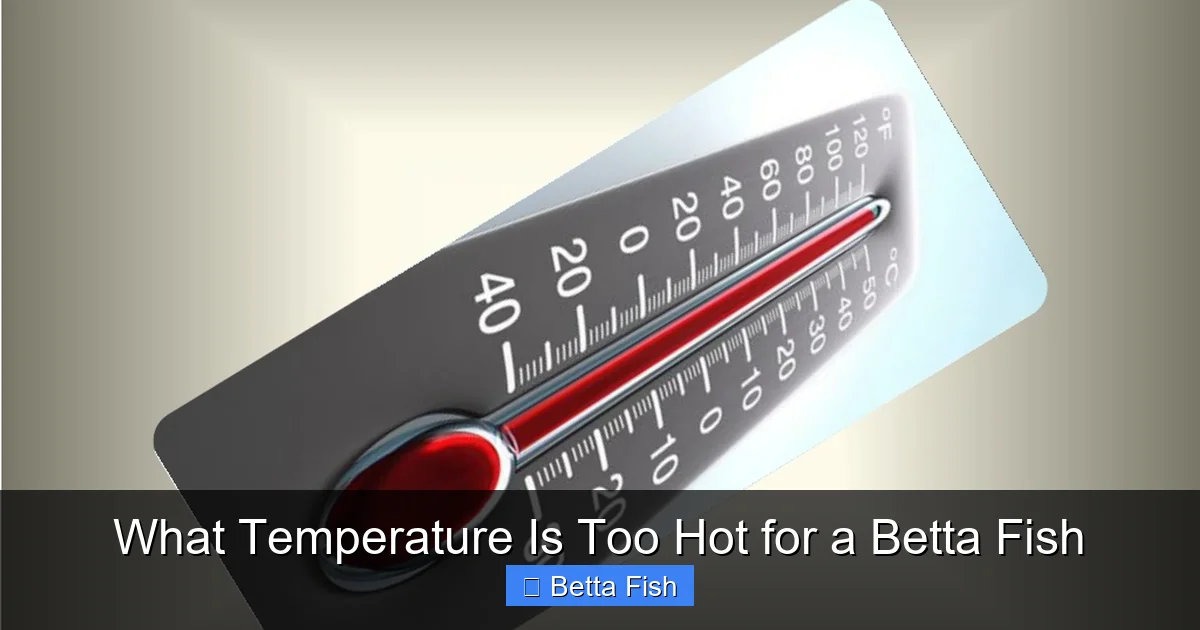
While bettas can survive short bursts up to 86°F (30°C), sustained exposure above this point is considered dangerous. Most experts label **86°F (30°C)** as the upper limit for safe, long‑term keeping. Anything above 88°F (31°C) is a red flag.
Visual guide about What Temperature Is Too Hot for a Betta Fish
Image source: image4.slideserve.com
What happens above 86°F?
- Oxygen loss: Warm water holds less dissolved oxygen, making it harder for the fish to breathe.
- Stress hormones: Cortisol spikes, weakening the immune system.
- Heat‑shock: Rapid temperature changes can cause organ failure.
Real‑world example
Imagine you live in a summer apartment where the room temperature climbs to 90°F (32°C). If your heater is set to 84°F, the water may quickly rise to 88°F or higher, especially if the tank is small and lacks a fan. Within a few days, you may notice your betta’s fins drooping and its colors fading—classic signs that the water is too hot.
3. Spotting Overheating Early: Symptoms to Watch For
Behavioral clues
- Rapid gill movement: The fish appears to “pant” as it tries to get more oxygen.
- Lethargy: Hangs near the surface or bottom, moving less than usual.
- Loss of appetite: Refuses food for several days.
Physical signs
- Faded coloration: Bright reds and blues become dull.
- Fin rot or frayed fins: Stress can make fins more vulnerable to bacterial infection.
- Swim bladder issues: The fish may float uncontrollably or sink.
Testing the water
Always keep a calibrated aquarium thermometer on a hook near the surface. Check it twice a day during hot weather. If you notice a steady rise, act fast.
Visual guide about What Temperature Is Too Hot for a Betta Fish
Image source: as1.ftcdn.net
4. Tools and Techniques to Keep Temperatures Safe
Choosing the right heater
Invest in a **submersible, adjustable heater** with a built‑in thermostat. Avoid “set‑and‑forget” heaters that lack precision. A 25‑watt heater is sufficient for a 5‑gallon tank, which is the typical minimum for a betta.
Thermometers you can trust
- Digital stick‑on: Easy to read, accurate to ±0.5°F.
- Glass strip: Simple, but can be less precise.
Additional temperature‑control gadgets
- Cooling fans: Small computer fans mounted on the tank lid create gentle airflow, lowering surface temperature.
- Cooler pads: Place a chilled (not frozen) pad under the tank for a few hours during a heat wave.
- Room AC or dehumidifier: Maintaining a stable room temperature helps the aquarium stay within range.
Practical tip: The “two‑thermometer rule”
Put one thermometer at the top and another at the bottom of the tank. If there’s a difference greater than 2°F, it indicates poor circulation, which can cause hot spots.
5. What to Do If Your Betta Is Overheated
Immediate actions
- Turn off the heater: Stop further warming.
- Gradual cooling: Add a small cup of room‑temperature water (not cold) to the tank every 10‑15 minutes.
- Increase surface agitation: Use a gentle fan to evaporate heat without stressing the fish.
Avoid common mistakes
- Don’t dump ice water directly into the tank – the shock can be fatal.
- Never remove the fish without a proper container; the stress of handling can compound heat stress.
Long‑term recovery plan
After the temperature stabilizes back into the 76‑82°F range, monitor the betta for at least a week. Offer high‑quality betta pellets and occasional live foods to boost immunity. If fin rot or other infections appear, treat with a suitable aquarium medication.
6. Maintaining Consistency: Daily and Weekly Routines
Daily checklist
- Check water temperature at morning and evening.
- Observe fish behavior for any changes.
- Ensure heater is securely plugged and not covered.
Weekly maintenance
- Perform a 25‑30% water change with water at the same temperature as the tank.
- Clean the heater’s glass shield to prevent heat loss.
- Test for ammonia, nitrite, and nitrate – stressed fish are more vulnerable to water‑quality spikes.
Seasonal adjustments
During winter, room heating can push the tank temperature up if the heater is left at a high setting. In summer, consider moving the tank away from direct sunlight or using a reflective cover.
Conclusion: Keep It Just Right
Knowing what temperature is too hot for a betta fish is the first step toward a long, colorful life for your pet. By staying within the 76‑82°F sweet spot, monitoring daily, and having a plan for sudden spikes, you give your betta the best chance to thrive. Remember, a stable environment is the foundation of good health, vibrant colors, and a happy finned friend.
Ready to dive deeper? Explore more about betta care, including tank size and water type, in our other articles. Happy fish‑keeping!
Frequently Asked Questions
What is the exact temperature that is considered too hot for a betta?
Temperatures above 86°F (30°C) sustained for more than a few hours are generally unsafe for bettas. Anything reaching 88°F (31°C) or higher should be corrected immediately.
Can a betta survive a short burst of high temperature?
Yes, bettas can endure brief spikes (e.g., a sudden rise to 84‑85°F) for a few minutes, but prolonged exposure will cause stress and health problems.
How often should I check my tank’s temperature?
Check at least twice daily—morning and evening—especially during extreme weather or when you first adjust the heater.
Do I need a heater if my room stays warm?
If the room temperature consistently stays within the 76‑82°F range, a heater may not be necessary, but a thermostat can still help maintain stability.
What are the first signs that my betta is overheating?
Rapid gill movement, lethargy, faded colors, and loss of appetite are early indicators that the water may be too hot.
Is it safe to use a fan to cool the tank?
Yes, a gentle fan aimed at the water surface can lower temperature through evaporation without shocking the fish, as long as the airflow is not too strong.