Can Betta Fish Eat Earthworms
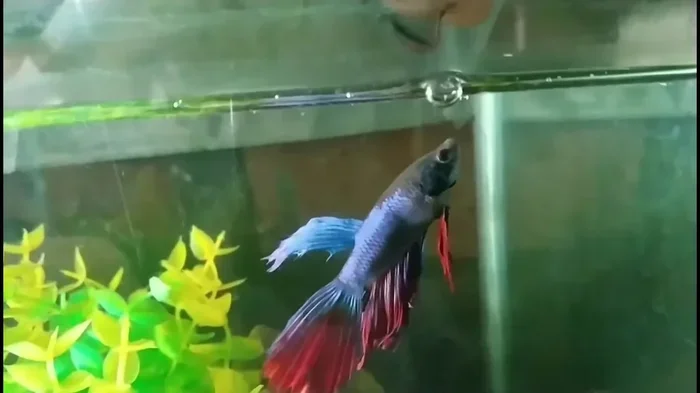
Yes, betta fish can eat earthworms, and they make an excellent natural food source packed with protein and nutrients that support your fish’s health and vibrant colors. Earthworms are a live food option that mimics what bettas would eat in the wild, making them highly appealing and easy to digest. However, you should always source earthworms from clean, pesticide-free environments and feed them in small, appropriate portions to avoid overfeeding and water quality issues.
SEO Title: Can Betta Fish Eat Earthworms
Meta Title: Can Betta Fish Eat Earthworms? Here’s What You Need to Know
Meta Description: Wondering if you can feed earthworms to your betta fish? Learn about the benefits, risks, and how to safely add earthworms to your betta fish diet.
URL Slug: /can-betta-fish-eat-earthworms
Opening Summary: If you own a betta fish, you have probably wondered about can betta fish eat earthworms. The short answer is yes. Earthworms can make a great addition to your betta fish diet when done right. These wriggly creatures are packed with protein and nutrients that support healthy growth and vibrant colors. Many betta fish owners turn to earthworms as a live food alternative that keeps their fish engaged and active. In this guide, we will cover everything you need to know about feeding earthworms to your betta fish safely and effectively.
Introduction
Betta fish are naturally curious eaters. They thrive on variety, and their diet in the wild includes small insects, larvae, and worms. So it makes sense that earthworms would be on the menu. But not all earthworms are safe, and not all feeding methods work the same way. Whether you are a new betta owner or a seasoned aquarist, understanding how to properly feed earthworms can make a big difference in your fish’s health and happiness.
In this article, we will walk you through the benefits, risks, preparation steps, and feeding frequency for earthworms. We will also share practical tips that come from real experience. By the end, you will feel confident about adding this protein-rich treat to your betta fish diet plan.
Key Takeaways
- Betta fish can safely eat earthworms as an occasional protein-rich treat.
- Always feed earthworms in moderation to prevent digestive issues and overfeeding.
- Use freshly collected or commercially sourced earthworms for the best safety results.
- Rinse earthworms thoroughly to remove dirt, pesticides, and harmful contaminants.
- Earthworms should complement a balanced betta diet, not replace staple foods.
- Observe your betta for allergic reactions or refusal after introducing earthworms.
📑 Table of Contents
What Are Earthworms and Why Do Betta Fish Love Them
The Natural Diet of Betta Fish
Betta fish, also known as Siamese fighting fish, come from the warm, shallow waters of Southeast Asia. In their natural habitat, they eat small insects, larvae, and tiny worms that fall onto the water surface. Their digestive systems are built to process protein-rich food for betta fish. Earthworms fit right into this natural diet because they are high in protein and low in fat.
When you think about betta fish nutrition, protein should always be at the top of the list. Bettas are carnivorous by nature. They need animal-based nutrients to stay healthy, fight off disease, and maintain their stunning fins and colors. Earthworms provide a close match to what bettas would find in the wild.
Types of Earthworms Suitable for Betta Fish
Not all earthworms are the same. Some species are too large or too tough for bettas to handle. Here are the best options:
- Red Wigglers (Eisenia fetida): These are the most popular choice. They are small, soft, and easy for bettas to consume.
- White Worms (Enchytraeus albidus): These tiny worms are perfect for smaller bettas and fry. They are soft and highly nutritious.
- Bloodworms: While technically not earthworms, bloodworms are a close relative and a favorite among betta keepers. You can learn more about whether bettas can survive on bloodworms alone in our guide can betta fish just eat bloodworms.
Always choose earthworms from a clean, pesticide-free source. Avoid collecting worms from gardens or yards where chemicals may be present. This is a key step in worm feeding safety that many beginners overlook.
Can Betta Fish Safely Eat Earthworms
Are Earthworms Safe for Betta Fish?
Yes, earthworms are generally safe for betta fish. They are a natural food source and are well-tolerated by most bettas. However, safety depends on three main factors: the source of the earthworms, how you prepare them, and how much you feed. Feeding wild-caught earthworms can introduce parasites or bacteria into your aquarium. This is why sourcing matters so much.
If you are asking can I feed my betta fish earthworms from your backyard, the answer is maybe, but with caution. Wild earthworms can carry harmful substances from soil, fertilizers, and pesticides. The safest route is to buy earthworms from a reputable fish food supplier or a bait shop that sells clean, farm-raised worms.
Potential Allergic Reactions and Sensitivities
Just like humans, fish can have sensitivities to certain foods. Some bettas may not take to earthworms right away. If you notice your betta refusing the worms, swelling around the mouth, or unusual behavior after feeding, stop offering earthworms and consult a vet. Most bettas, however, will eagerly accept earthworms as a tasty treat.
It is also worth noting that some fish species have different dietary needs. If you have a community tank, you might want to check can other fish eat betta pellets to understand how different species react to various foods.
How to Prepare Earthworms for Your Betta Fish
Step-by-Step Preparation Process
Preparing earthworms correctly is essential for your betta’s health. Follow these simple steps:
- Source your worms carefully. Buy from a trusted supplier. Avoid worms collected from areas treated with chemicals.
- Rinse the worms thoroughly. Use clean, dechlorinated water to wash off any dirt or debris.
- Soak the worms in clean water for 10-15 minutes. This helps remove any remaining impurities and softens the worms.
- Cut the worms into small pieces. Bettas have small mouths. Cutting the worms into bite-sized pieces makes them easier to eat and reduces the risk of choking.
- Feed immediately. Do not leave prepared earthworms sitting in the tank for more than a few minutes. Uneaten worms can foul the water quickly.
Can You Feed Earthworms Directly From the Garden?
Some people wonder about can you feed earthworms to betta fish straight from the garden. The short answer is not recommended. Garden earthworms may have been exposed to pesticides, herbicides, or parasites. Even if the worms look clean, harmful substances can linger on their skin. Always rinse and soak worms thoroughly, and better yet, buy them from a trusted source.
Storing Earthworms Properly
If you buy earthworms in bulk, proper storage is key. Keep them in a container with damp, chemical-free soil or a specialized worm bedding. Store them in a cool, dark place. Refrigeration can extend their shelf life. Never store earthworms in direct sunlight or in hot environments, as this will kill them quickly.
How Often Should You Feed Earthworms to Betta Fish
Recommended Feeding Frequency
Earthworms should be treated as a supplement, not a staple. A good rule of thumb is to offer earthworms two to three times per week. This gives your betta the nutritional benefits without overloading their system with a single food source. Bettas do best on a varied betta fish diet that includes high-quality pellets, flakes, and occasional live or frozen treats.
Overfeeding is a common mistake. Uneaten earthworms decompose fast and can spike ammonia levels in your tank. Always remove any leftover worms after feeding time. A small pinch of chopped earthworm is enough for one betta per feeding session.
Portion Size Guidelines
Keep portions small. A piece of earthworm about the size of your betta’s eye is a good serving. If your betta finishes the food quickly and swims around looking for more, you can offer a tiny bit more. But if food is left behind, reduce the portion next time. Watching your fish’s behavior during feeding is one of the best ways to gauge the right amount.
Benefits of Feeding Earthworms to Betta Fish
High Protein Content for Growth and Color
Earthworms are naturally rich in protein, which is essential for betta fish. Protein supports muscle growth, fin development, and vibrant coloration. Many betta owners notice that their fish become more active and display brighter colors after adding earthworms to their betta fish food alternatives rotation.
Encourages Natural Hunting Behavior
Live earthworms stimulate your betta’s natural hunting instincts. Watching a betta chase and catch a worm is fascinating to observe. This kind of enrichment keeps bettas mentally stimulated and reduces boredom. A stimulated betta is a healthier betta.
Easy to Digest
Compared to some processed foods, earthworms are gentle on the betta digestive system. They are soft and break down easily, which means less strain on your fish’s gut. This makes them a good option for bettas that are recovering from illness or have sensitive stomachs.
Nutritional Comparison Table
| Nutrient | Earthworms | Bloodworms | Commercial Pellets |
|---|---|---|---|
| Protein Content | High | High | Moderate to High |
| Fat Content | Low | Moderate | Varies |
| Fiber | Low | Low | Low |
| Moisture | High | High | Low |
| Natural Enzymes | Yes | Yes | Minimal |
| Prep Required | Yes | No (frozen) | No |
As you can see, earthworms offer a strong nutritional profile. They are particularly high in protein and low in fat, making them an excellent betta fish treats when used in moderation.
Risks and Things to Watch Out For
Overfeeding Dangers
The biggest risk with feeding earthworms is overfeeding. Too much of any single food can lead to digestive issues, bloating, and poor water quality. Uneaten worms decay rapidly, which spikes ammonia and nitrite levels in your aquarium. These spikes can be deadly to bettas and other tank inhabitants.
Always monitor your tank parameters after introducing any new food. A simple water test kit can help you catch problems early. If you notice cloudy water or your betta acting sluggish after feeding, reduce the amount or frequency.
Parasites and Contamination
Wild-caught earthworms can carry parasites that harm your betta. Even store-bought worms are not 100% risk-free. To minimize this risk, always source from reputable suppliers and rinse the worms thoroughly before feeding. Freezing worms for 24 hours before feeding can also help kill some parasites, though it may reduce the live feeding experience that bettas enjoy.
Choking Hazards
Whole earthworms can be too large for bettas, especially smaller ones. Always cut worms into small, manageable pieces. This simple step prevents choking and makes the food much easier to eat. If your betta seems to be struggling with a piece of worm, remove it from the tank immediately.
Not a Complete Diet
Earthworms alone do not provide all the nutrients a betta needs. They are missing certain vitamins and minerals found in quality commercial betta foods. Think of earthworms as a supplement or treat, not a replacement for a balanced betta fish diet. Combine them with high-quality pellets and occasional frozen foods for the best results.
Key Takeaways
- Can betta fish eat earthworms? Yes, safely and with benefits when done correctly.
- Always source earthworms from clean, reputable suppliers to avoid parasites and chemicals.
- Prepare earthworms by rinsing, soaking, and cutting them into small pieces.
- Feed earthworms 2-3 times per week as a supplement to a balanced diet.
- Remove uneaten worms promptly to maintain water quality.
- Watch for signs of overfeeding or sensitivity, and adjust accordingly.
Feeding earthworms to your betta fish can be a rewarding experience for both you and your fish. It brings variety, nutrition, and natural enrichment into your betta’s life. Just remember to keep things balanced and safe. With the right approach, earthworms become a fantastic addition to your betta fish feeding routine. Start small, observe your fish, and enjoy watching your betta thrive on this natural, protein-packed treat.
Frequently Asked Questions
Can Betta Fish Eat Earthworms?
Yes, betta fish can safely eat earthworms. They are a natural protein source that mimics what bettas would find in the wild. Earthworms make an excellent occasional treat for your betta.
Are Earthworms Safe for Betta Fish?
Earthworms are completely safe for betta fish when offered in moderation. You should always source them from clean, chemical-free environments. Avoid collecting earthworms from areas treated with pesticides or fertilizers.
How Do You Feed Earthworms to Betta Fish?
Rinse the earthworm thoroughly under clean water before offering it to your betta. Cut it into small, bite-sized pieces that your fish can easily consume. You can drop the pieces directly into the tank or use feeding tongs for better control.
What Types of Earthworms Can Betta Fish Eat?
Common earthworms like red wigglers and nightcrawlers work well for betta fish. You can also use smaller garden worms if your betta is a smaller specimen. Always make sure the worms are fresh and free from any contaminants.
How Often Can You Feed Earthworms to Betta Fish?
Earthworms should be given as an occasional treat, not a daily staple. Feeding them once or twice a week is more than enough for most bettas. Overfeeding can lead to digestive issues and poor water quality.
Are Earthworms Good for Betta Fish Health?
Earthworms are packed with protein and essential nutrients that support your betta’s overall health. They can help boost energy levels and promote vibrant coloration. However, they should always be part of a balanced diet alongside high-quality betta pellets.