Betta fish can survive at typical room temperatures, but they thrive best in a stable range of 76‑82°F (24‑28°C). Keeping the water within this window, using a heater when needed, and monitoring fluctuations will ensure your betta stays vibrant and stress‑free.
Key Takeaways
- Ideal range: 76‑82°F (24‑28°C) is the sweet spot for bettas.
- Room temperature risks: Cold drafts or sudden spikes can cause stress or disease.
- Heater use: A reliable aquarium heater is the easiest way to maintain stable temps.
- Thermometer importance: Always have a calibrated thermometer in the tank.
- Seasonal adjustments: Modify heating or cooling as seasons change to keep the range steady.
- Compatibility note: Stable temperature also affects which tank mates are safe for bettas.
- Emergency plan: Have a backup power source or heater for outages.
📑 Table of Contents
- Introduction: Why Temperature Matters for Betta Fish
- Understanding the Natural Habitat of Betta Fish
- What Is “Room Temperature” and How It Varies
- Ideal Temperature Range for Betta Fish
- Can Betta Fish Be Kept at Typical Room Temperature?
- How to Maintain Stable Temperature Without a Heater
- Monitoring Temperature: Tools and Techniques
- Impact of Temperature on Tank Mates
- Frequently Overlooked Temperature‑Related Issues
- Conclusion: Keep It Cozy, Keep It Safe
Introduction: Why Temperature Matters for Betta Fish
Imagine inviting a guest to your home and then turning the thermostat up and down all night. That guest would be uncomfortable, right? Betta fish feel the same way when the water temperature swings. These colorful, hardy “Siamese fighting fish” are native to warm, shallow waters of Thailand, where water stays comfortably warm year‑round. In a home setting, the temperature of the water can be as unpredictable as the weather outside, especially if you keep the tank on a windowsill or in an air‑conditioned room.
Keeping a betta at a stable temperature isn’t just about comfort; it directly impacts growth, color vibrancy, immune function, and even how often your fish will show off its famous flaring fins. In this article we’ll explore whether a betta can live at ordinary room temperature, what the safe limits are, and practical steps you can take to create the perfect climate for your finned friend.
Understanding the Natural Habitat of Betta Fish
Warm, shallow, and still
In the wild, bettas inhabit rice paddies, slow‑moving streams, and stagnant pools. Water temperature in these habitats rarely drops below 75°F (24°C) and often hovers around 80°F (27°C). The fish have adapted to warm, low‑oxygen environments, which is why they have a specialized organ called the labyrinth that lets them gulp air from the surface.
Seasonal stability
Even though tropical climates have rainy and dry seasons, the water temperature stays fairly consistent. This stability is a key reason bettas look so healthy in their natural homes. When we replicate that stability in an aquarium, we give them a fighting chance to thrive.
What Is “Room Temperature” and How It Varies
Defining room temperature
Most people think of room temperature as the range between 68°F and 78°F (20°C‑26°C). However, indoor temperatures can fluctuate dramatically based on heating, air‑conditioning, sunlight exposure, and even the location of the tank within the house.
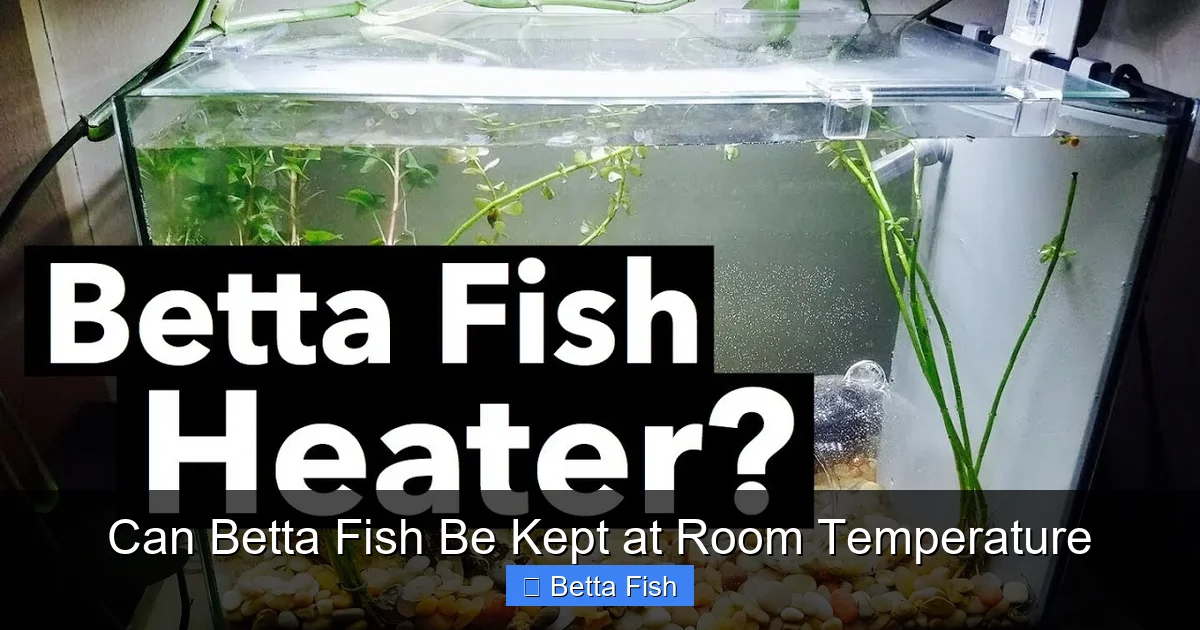
Visual guide about Can Betta Fish Be Kept at Room Temperature
Image source: i.ytimg.com
Typical household scenarios
- Heated homes (winter): Living rooms may sit around 70°F‑72°F (21‑22°C). If the tank is near a drafty window, the water can feel cooler.
- Air‑conditioned rooms (summer): Temperatures often dip to 68°F‑72°F (20‑22°C), which is below the ideal betta range.
- Sun‑lit spots: Direct sunlight can push water temperature above 80°F (27°C), especially in small tanks.
These variations mean that simply placing a betta in a “room temperature” tank is a gamble unless you monitor the water closely.
Ideal Temperature Range for Betta Fish
Scientific consensus
Most reputable sources, including our own guide on what temperature should water be for a betta fish, recommend a range of 76‑82°F (24‑28°C). Within this window, bettas display their brightest colors, most active behavior, and strongest immune response.
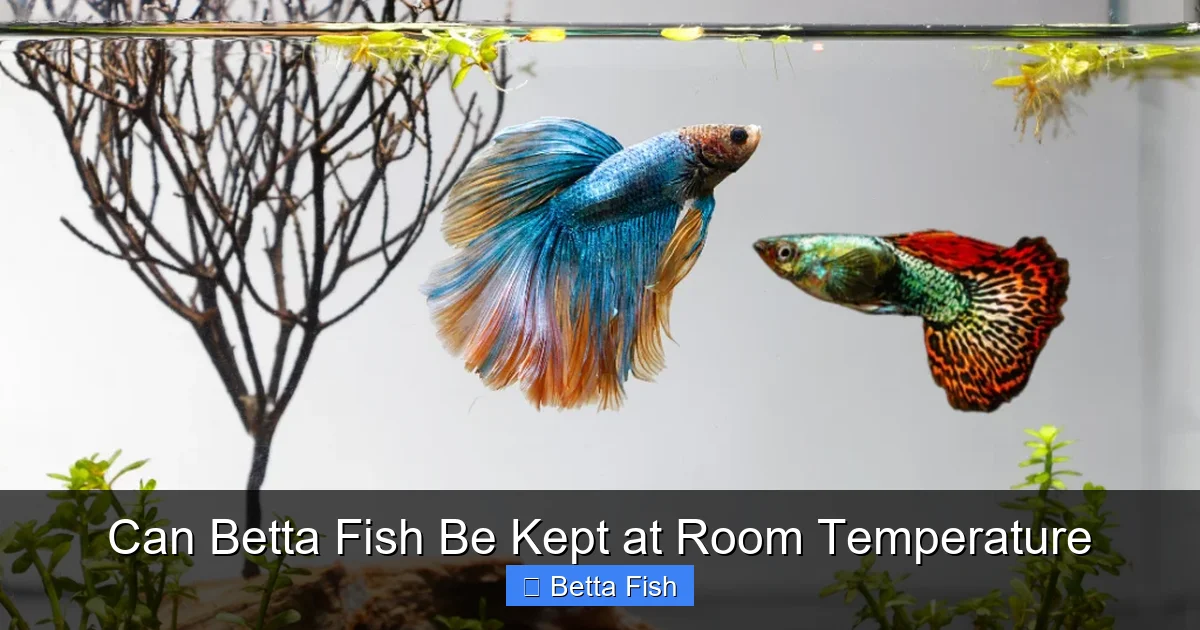
Visual guide about Can Betta Fish Be Kept at Room Temperature
Image source: japanesefightingfish.org
What happens below 76°F?
Temperatures under 76°F (24°C) slow metabolism. Your betta may become lethargic, stop eating, and become more susceptible to bacterial infections such as fin rot. In extreme cold (below 70°F/21°C), the fish can go into a semi‑dormant state, which looks like “shutting down” and can be fatal if prolonged.
What happens above 82°F?
Warmer water speeds up metabolism, which can be good for growth but also raises the risk of oxygen depletion. In water above 86°F (30°C), you may see increased aggression, rapid waste buildup, and higher chances of fungal infections.
Can Betta Fish Be Kept at Typical Room Temperature?
Short‑term tolerance
Yes, bettas can survive short periods (a few days) at typical room temperatures of 68‑74°F (20‑23°C). They will appear slower and may hide more often, but they usually recover once the water is gently warmed.
Long‑term health considerations
For a happy, long‑lived betta, sustained room temperature is not ideal. Consistent exposure to the lower end of the range can lead to chronic stress, reduced coloration, and a weakened immune system. Over time, this can shorten the fish’s lifespan from the average 3‑5 years to perhaps only 1‑2 years.
Practical tip: use a heater
The simplest solution is a submersible aquarium heater set to 78°F (25.5°C). Even a small 25‑watt heater can keep a 2‑gallon tank within the ideal range. Pair the heater with a reliable digital thermometer and you’ll eliminate guesswork.
How to Maintain Stable Temperature Without a Heater
Location, location, location
Place the tank in a spot where the ambient temperature stays relatively constant—away from drafts, windows, and direct sunlight. A corner of a living room that rarely gets a breeze is often a good choice.
Insulation tricks
- Wrap the tank in a neoprene sleeve or a blanket during colder months.
- Use a styrofoam board cut to the tank’s size and rest it underneath.
- Cover the top with a clear acrylic lid to reduce heat loss.
Seasonal adjustments
During winter, you can place a small lamp (not a heat lamp) near the tank to add a few degrees. In summer, a fan blowing across the water surface can help evaporative cooling if temperatures creep above 82°F.
Monitoring Temperature: Tools and Techniques
Thermometers
Invest in a digital, waterproof thermometer with a probe that can sit on the tank glass. Check it twice daily, especially after any seasonal change or power outage.
Temperature controllers
For the tech‑savvy, a thermostat that works with your heater can automatically turn the heater on or off, maintaining a set temperature within ±0.5°F.
What to do during power outages
Keep a battery‑powered heater or a heated blanket as a backup. Even a short loss of heat can drop the water temperature quickly in a small tank.
Impact of Temperature on Tank Mates
Temperature doesn’t just affect your betta; it dictates which other creatures can share the space. Many peaceful community fish prefer 72‑78°F (22‑26°C). If you keep your betta at the higher end of its range, you’ll need to select tank mates that also thrive at 78‑82°F. For more ideas on compatible species, see our article on which fish can be with betta. Remember, aggressive or overly active fish can stress a betta, especially if temperature fluctuations already make it uneasy.
Frequently Overlooked Temperature‑Related Issues
Oxygen levels
Warmer water holds less dissolved oxygen. Even though bettas have a labyrinth organ, low oxygen can still stress them. Adding a gentle air stone or a small sponge filter can improve circulation without creating a strong current.
Algae growth
Higher temperatures speed up algae proliferation. Keep the tank out of direct sunlight and limit the feeding amount to prevent excess nutrients that feed algae.
Temperature shock
Never add cold tap water directly to a warm tank. Always temper new water to within 2°F of the tank temperature using a separate container.
Conclusion: Keep It Cozy, Keep It Safe
Betta fish are resilient, but they are not immune to the stress caused by temperature swings. While they can survive at normal room temperature for short periods, the best practice is to maintain a stable water temperature between 76‑82°F (24‑28°C). A modest heater, a reliable thermometer, and a few simple insulation tricks will go a long way toward keeping your betta vibrant and healthy. By paying attention to temperature, you also set the stage for successful breeding, peaceful tank mates, and a longer, more colorful life for your beloved fish.
Frequently Asked Questions
What temperature is considered too cold for a betta?
Below 70°F (21°C) is risky. Betta metabolism slows, they become lethargic, and they are more prone to disease.
Can I keep a betta in a non‑heated tank if my home stays at 75°F?
Yes, but monitor closely. Use a thermometer and consider insulating the tank to avoid sudden drops.
Do bettas need a heater in an air‑conditioned room?
In most AC‑cooled rooms the temperature falls below the ideal range, so a small heater set to 78°F is recommended.
How often should I check my betta’s water temperature?
At least twice daily—once in the morning and once in the evening—and after any weather change or power outage.
Will a higher temperature make my betta more aggressive?
Temperatures above 82°F can increase stress and aggression, especially if the tank is crowded.
Can I use a regular aquarium filter to control temperature?
Filters help circulate water, which can even out temperature, but they don’t heat or cool. Pair a filter with a heater or fan for best results.

