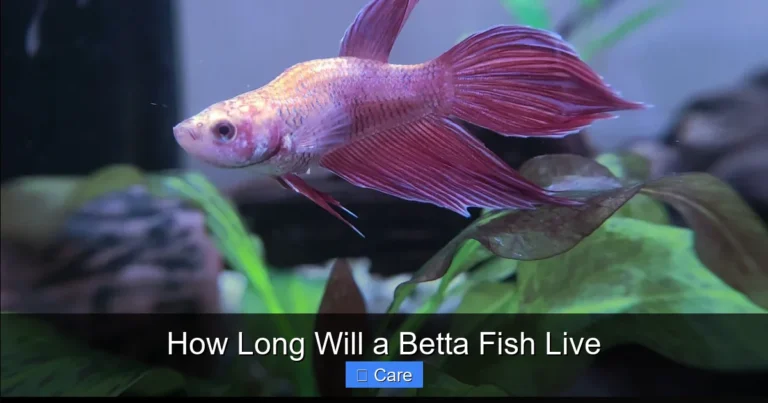
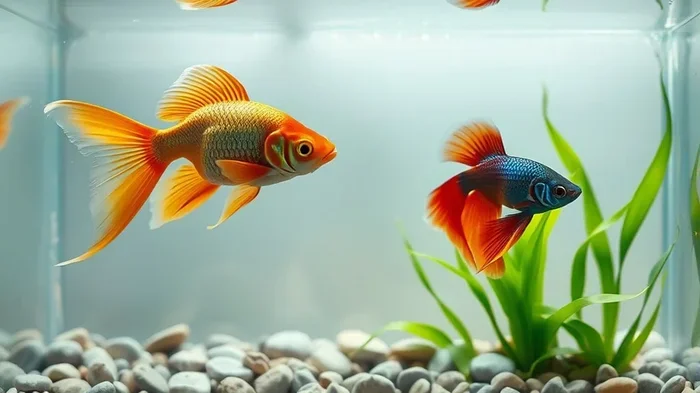
What Other Fish Can Bettas Live With

Betta fish can live with other species, but success depends on tank size, temperament, and careful selection. Choose peaceful, fast‑swimming tank mates, provide plenty of hiding spots, and monitor behavior daily to keep everyone safe.
Key Takeaways
- Tank size matters: A minimum of 20 gallons is recommended for most community setups with a betta.
- Choose peaceful, non‑fin‑nipping species: Small schooling fish, snails, and shrimp are usually safe.
- Avoid long‑finned or aggressive tank mates: Fancy guppies, other bettas, and aggressive cichlids can cause stress or injury.
- Provide plenty of hiding places: Plants, caves, and décor give the betta a refuge and reduce territorial disputes.
- Monitor behavior daily: Early signs of stress or aggression should prompt immediate separation.
- Maintain water quality: Consistent parameters (temperature, pH, ammonia) keep all species healthy.
- Gradual introductions work best: Use a quarantine or breeder box to let fish get used to each other’s scent.
📑 Table of Contents
Introduction: The Betta’s Social Puzzle
Betta fish, also known as Siamese fighting fish, are famous for their brilliant colors and dramatic flares. Many beginners assume bettas are solitary “loners” and keep them alone. While they do thrive in a well‑maintained solo tank, bettas can also enjoy the company of other peaceful species—if you set the stage correctly.
This guide walks you through the most compatible tank mates, the essential tank conditions, and practical tips to keep the peace. Think of it as a friendly chat with a fellow fish‑keeper who’s learned the hard way what works and what doesn’t.
1. Understanding Betta Behavior
Territorial instincts
Bettas are naturally territorial, especially males. In the wild they defend a small stretch of water near the surface. In an aquarium, this translates to a need for a “personal space” that includes vertical territory (the water column) and horizontal space (the tank’s length).
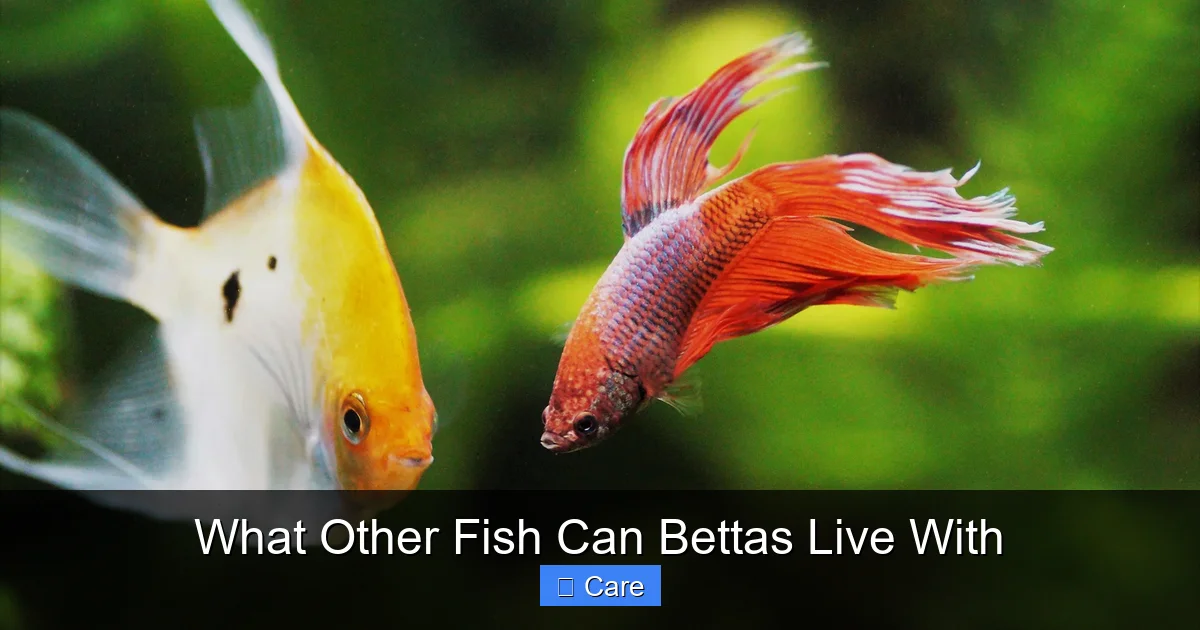
Visual guide about What Other Fish Can Bettas Live With
Image source: yoyipet.com
Fin nipping risk
Long‑fin fish or those with flowing tails can trigger a betta’s instinct to nip. The betta may see the extra fin as a rival or a tasty snack. This is why many community setups avoid fancy guppies, other bettas, and certain livebearers.
Social tolerance
While male bettas are aggressive toward each other, females are generally more tolerant. However, a female betta can still become territorial if the tank is cramped. The key is providing enough space and visual barriers.
2. Ideal Tank Conditions for Community Living
Tank size
Most experts recommend at least a 20‑gallon long tank for a betta with community mates. This volume gives the betta enough room to establish its own zone while allowing other fish to swim freely.

Visual guide about What Other Fish Can Bettas Live With
Image source: fishlaboratory.com
Temperature and water parameters
Bettas prefer warm water (78‑80°F / 25‑27°C). Choose mates that thrive in the same range. Keep pH between 6.5 and 7.5, and maintain ammonia and nitrite at 0 ppm. Stable water quality reduces stress for all inhabitants.
Filtration and flow
Gentle filtration is ideal. Bettas are not strong swimmers, so a strong current can exhaust them. Use a sponge filter or adjust the flow rate to create a calm environment.
Lighting
Moderate lighting mimics natural conditions and highlights the betta’s colors. Dimmer periods give the fish a chance to rest and reduces aggression.
3. Safe and Compatible Tank Mates
1. Small schooling fish
Schooling fish that stay near the bottom or mid‑level are excellent companions. Their constant movement distracts the betta and reduces the chance of it targeting a single individual.
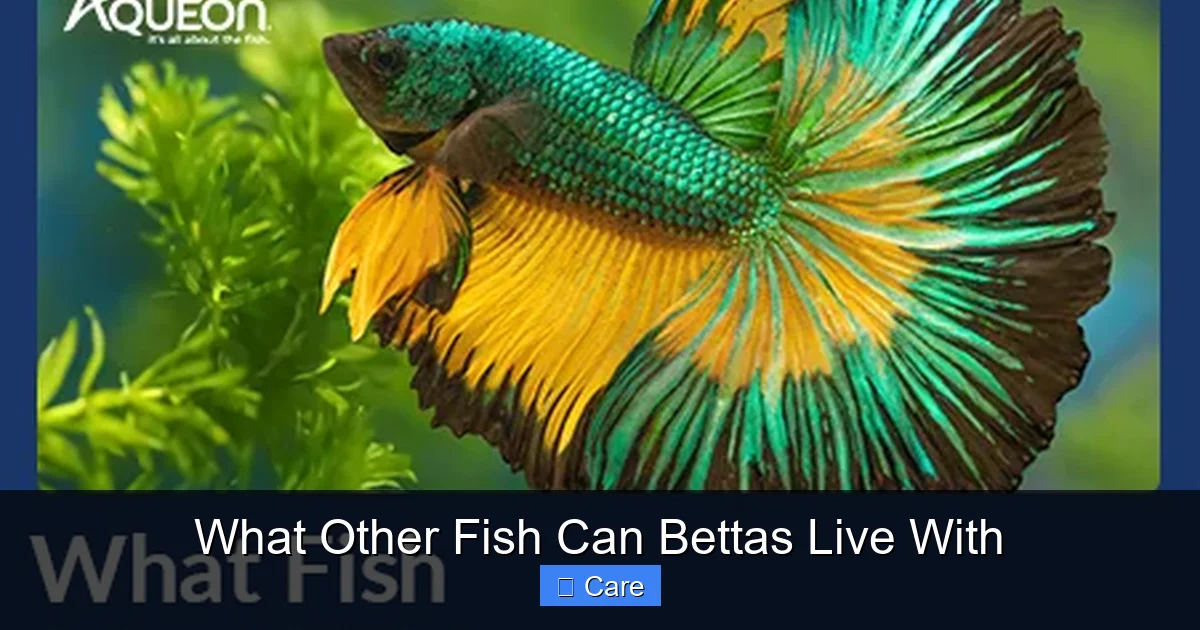
Visual guide about What Other Fish Can Bettas Live With
Image source: aqueon.com
- Neon Tetras: 2‑inch, peaceful, and love to shoal. Keep a group of at least 6.
- Harlequin Rasboras: Slightly larger (2‑2.5 in) and hardy. Their silver bodies contrast nicely with a betta’s colors.
- White Cloud Mountain Minnows: Tolerate cooler water (65‑75°F) but can adapt to betta temperatures.
2. Bottom‑dwelling dwellers
These fish keep to the substrate, leaving the upper water column free for the betta to flaunt its fins.
- Corydoras Catfish: Peaceful, sociable, and love to scavenge leftovers.
- Kuhli Loaches: Snake‑like, shy, and hide under driftwood—great for adding mystery.
- Otocinclus Algae Eaters: Tiny, plant‑eating, and rarely interact with bettas.
3. Invertebrate allies
Snails and shrimp are low‑maintenance and add activity without posing a fin‑nipping threat.
- Cherry Shrimp: Colorful, active, and help clean detritus.
- Amano Shrimp: Larger, excellent algae eaters.
- Nerite Snails: Do not reproduce in freshwater, keeping the tank tidy.
4. Peaceful livebearers (with caution)
If you have a large enough tank and choose short‑fin varieties, some livebearers can coexist.
- Endler’s Guppies (short‑fin): Smaller than fancy guppies, but still watch for fin nipping.
- Platies: Hardy, colorful, and usually accepted if the betta is calm.
5. Other bettas (female‑only groups)
In a spacious, well‑planted tank, a small sorority of female bettas can live together. Provide at least 10 gallons per female and many hiding spots. Expect occasional squabbles; be ready to separate if aggression spikes.
4. Tank Setup Tips to Promote Harmony
Planted refuges
Live plants such as Java fern, Anubias, and Vallisneria create natural barriers. They also improve water quality and give the betta places to rest.
Decor and caves
Use driftwood, ceramic caves, and PVC tubes to break line of sight. Bettas love to claim a “cave” as their own, and other fish appreciate the extra cover.
Vertical space utilization
Place tall plants or vertical ornaments to give the betta a sense of height. This mimics their natural surface‑dwelling habit and reduces competition for the top tier.
Gradual introductions
Start with a breeder box or a clear plastic divider. Allow the betta to see the new fish for 24‑48 hours before opening the barrier. This reduces surprise aggression.
5. Red Flags: When Compatibility Fails
Signs of stress
Watch for faded colors, clamped fins, or the betta constantly flaring at a specific fish. These indicate the betta feels threatened.
Fin damage
Any torn or ragged fins on tank mates mean the betta is nipping. Immediate action—re‑arrange décor or separate the fish—is required.
Constant hiding
If other fish spend all day hidden, the community dynamic is off‑balance. Consider a larger tank or different species.
What to do
- Re‑evaluate tank size and add more plants.
- Temporarily isolate the aggressive betta in a hospital tank.
- Replace problematic tank mates with more compatible species.
Conclusion: Building a Peaceful Betta Community
Betta fish can enjoy a vibrant community when you respect their territorial nature and choose the right companions. Start with a spacious, well‑planted tank, pick peaceful bottom‑dwelling or schooling fish, and always keep an eye on behavior. With patience and proper setup, you’ll see your betta interact calmly, showing off its colors while sharing the aquarium with happy, healthy friends.
Frequently Asked Questions
Can I keep a male betta with a female betta?
Only in a very large, heavily planted tank (30 gallons or more) and with careful monitoring. Even then, aggression can flare, so many keepers prefer separate tanks.
Are guppies a good tank mate for bettas?
Short‑fin guppies may work in a spacious tank, but long‑fin varieties are risky because bettas often nip at flowing tails.
Do bettas get along with dwarf shrimp?
Yes, most dwarf shrimp (e.g., Cherry, Ghost) are safe. They’re quick enough to avoid nipping and help clean the tank.
What is the minimum tank size for a community betta setup?
At least 20 gallons for a single male betta with small schooling fish or invertebrates. Larger tanks improve stability and reduce aggression.
How often should I rearrange decor to keep the betta calm?
Changing the layout every 4‑6 weeks can prevent territorial boredom, but do it gradually to avoid stressing all inhabitants.
Can I add a betta to an already established community tank?
It’s possible, but the safest method is to introduce the betta to a bare‑bottom tank first, let it acclimate, then slowly add it to the community using a breeder box.