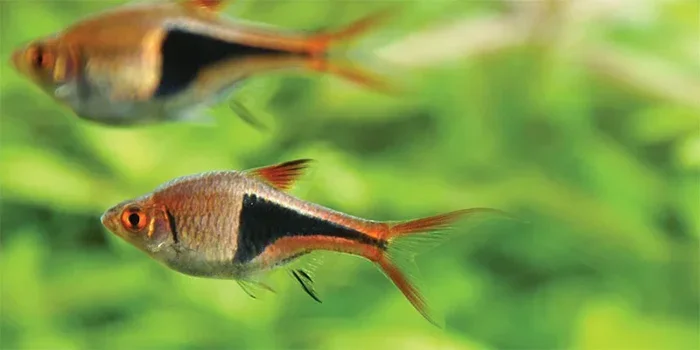
What Water Does a Betta Fish Need for Healthy Living
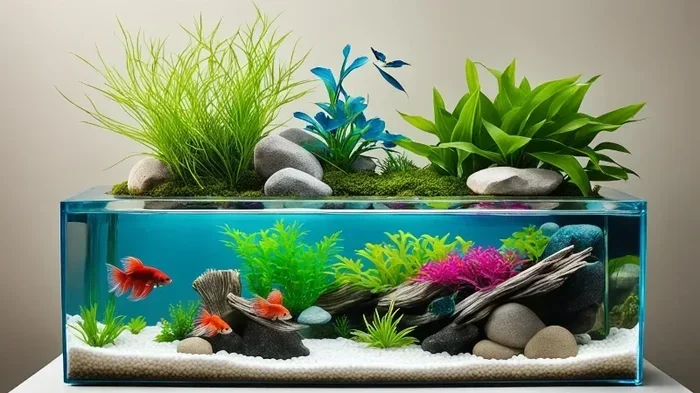
Choosing the right environment is crucial for your pet’s survival. What water does a betta fish need depends on temperature, cleanliness, and chemical balance. You must avoid harmful chemicals like chlorine while maintaining warm conditions. This guide explains everything you need to know for a happy, healthy fish.
Welcome to the world of betta fish care. These beautiful creatures are popular pets. They have vibrant colors and flowing fins. But they need specific care to thrive. Many new owners ask what water does a betta fish need. The answer is not just any water. It must be safe, clean, and warm.
Water quality is the most important factor. Poor water can make your fish sick. It can even shorten their life. You want your betta to live a long life. This guide will help you understand the basics. We will cover temperature, pH, and water sources. You will learn how to treat tap water safely.
Let us dive into the details. Your betta deserves the best home. We will break down each requirement. You will feel confident in your care. Let us start with the temperature needs.
Key Takeaways
- Temperature Matters: Betta fish require warm water between 78°F and 80°F to stay active and healthy.
- Dechlorinate Tap Water: Always treat tap water with a conditioner to remove harmful chlorine and chloramines.
- pH Balance: Aim for a neutral pH level between 6.5 and 7.5 for optimal comfort.
- Filtration Is Key: A gentle filter helps keep the water clean without creating strong currents.
- Regular Changes: Perform weekly water changes to remove waste and maintain quality.
- Avoid Distilled Water: Pure distilled water lacks essential minerals needed for fish health.
- Test Regularly: Use test kits to monitor ammonia, nitrite, and nitrate levels consistently.
📑 Table of Contents
- Understanding What Water Does a Betta Fish Need for Temperature
- Exploring What Water Does a Betta Fish Need Regarding pH and Hardness
- Safe Sources: What Water Does a Betta Fish Need from Taps
- Filtration and Cleanliness: What Water Does a Betta Fish Need to Stay Clean
- Special Conditions: What Water Does a Betta Fish Need for Minerals and Additives
- Conclusion: Ensuring the Best Water for Your Betta
Understanding What Water Does a Betta Fish Need for Temperature
Temperature is a critical factor. Betta fish come from warm climates. They are tropical fish by nature. Cold water can shock their system. It slows down their metabolism. This makes them sluggish and prone to illness. You might wonder can cold water help wake a betta fish. The answer is no. Cold water stresses them out.
You need to keep the water warm. The ideal range is between 78°F and 80°F. A heater is usually necessary. Even indoor rooms can get too cool. Nighttime temperatures often drop. This is dangerous for your pet. You should check out do betta fish bowls need a heater for more details. Consistent heat keeps them active.
Here are some tips for temperature control:
- Use an adjustable aquarium heater.
- Place a thermometer in the tank.
- Avoid placing the tank in direct sunlight.
- Keep the tank away from drafts.
Sudden changes are also bad. Do not add cold water during changes. Match the new water temperature first. This prevents thermal shock. Your betta will stay happy and healthy. Warm water supports their immune system. It helps them digest food properly.
Signs of Temperature Stress
How do you know if the water is wrong? Watch your fish closely. Clamped fins are a bad sign. Lethargy is another warning. They might stay at the bottom. Gasping at the surface is urgent. This means oxygen levels are low. Warm water holds less oxygen. But cold water slows breathing too.
If you see these signs, check the heat. Adjust the heater settings. Give them time to recover. Consistency is key for success. You want stable conditions every day.
Exploring What Water Does a Betta Fish Need Regarding pH and Hardness
pH levels measure acidity or alkalinity. Betta fish prefer neutral water. The range should be between 6.5 and 7.5. Extreme levels cause stress. Acidic water can burn their skin. Alkaline water affects their gills. You might ask do betta fish like acidic water. Generally, slightly acidic is okay. But neutral is safer.
Water hardness matters too. This refers to mineral content. Soft water has fewer minerals. Hard water has more calcium and magnesium. Betta fish adapt well to various hardness levels. But sudden changes are harmful. You should test your water source. Test kits are easy to use.
Here is a quick comparison of water types:
| Water Type | pH Level | Suitability |
|---|---|---|
| Tap Water (Treated) | 6.5 – 7.5 | Excellent |
| Distilled Water | Neutral | Poor (No minerals) |
| Spring Water | Varies | Good (Check label) |
| Well Water | Varies | Risky (Test first) |
Maintaining balance is simple. Use buffers if needed. But avoid constant tweaking. Stability is better than perfection. Your fish can adapt to slight variations. Just avoid extremes. Regular testing prevents surprises.
Safe Sources: What Water Does a Betta Fish Need from Taps
Tap water is the most common choice. It is easy to access. But it contains chemicals. Chlorine is added to kill bacteria. This is bad for fish. It damages their gills. You must remove it before use. Many people ask can you use tap water in a betta fish tank. Yes, but only if treated.
Water conditioners are essential. They neutralize chlorine and chloramines. They also remove heavy metals. This makes the water safe. Follow the bottle instructions. Usually, you add drops before filling the tank. This is a simple step. It saves your fish’s life.
Some owners worry about sink water. You might wonder can you put sink water in a betta fish tank. Sink water is just tap water. The source is the same. The pipes matter more. Old pipes might leak metals. Test your water if unsure. Treatment is still required.
- Always use a water conditioner.
- Let water sit for 24 hours if no conditioner.
- Test for chlorine levels regularly.
- Avoid using hot water from the tap.
Tap water is convenient. It contains necessary minerals. Distilled water lacks these. So treated tap water is often best. Just ensure it is clean. Your betta will thrive in it.
Can You Use Bottled Water?
Bottled water is another option. People often ask can you put bottled water in a betta fish tank. It is safe if it is spring water. But pure distilled bottled water is not ideal. It lacks minerals. Your fish need some electrolytes. Check the label carefully.
Some brands add minerals back. This makes it suitable. But it can be expensive. Tap water is cheaper. You can read more about can you put bottled water in a betta fish tank. Consistency is important with bottled water. Different brands have different pH levels. Stick to one brand if possible.
Filtration and Cleanliness: What Water Does a Betta Fish Need to Stay Clean
Clean water prevents disease. Waste builds up quickly. Fish poop and uneaten food rot. This creates ammonia. Ammonia is toxic. It burns the fish. You need a way to remove it. A filter helps greatly. Many ask can a betta fish need a filter. Yes, they do benefit from one.
Bettas do not like strong currents. They have long fins. Strong flow tires them out. Use a gentle filter. Sponge filters are a great choice. They provide mechanical and biological filtration. Beneficial bacteria live in the filter. They break down waste. This keeps the water safe.
Regular water changes are also vital. You might ask do betta fish have to have water changes. Yes, they absolutely do. Filters do not remove everything. Nitrates build up over time. Change 25% of the water weekly. This maintains quality. It removes excess nitrates.
Here are common mistakes to avoid:
- Cleaning the filter with tap water.
- Changing all the water at once.
- Ignoring filter maintenance.
- Overfeeding the fish.
Clean water means a happy fish. It reduces stress. It prevents illness. Your betta will show off its colors. A clean tank looks better too. It is worth the effort.
Do They Need a Filtered Tank?
Some keep bettas in bowls. Bowls often lack filters. This is risky. Waste accumulates faster. You must change water more often. A filtered tank is easier. It stabilizes the environment. You can learn about do betta fish have to be in a filtered tank. Filters are highly recommended for beginners.
Special Conditions: What Water Does a Betta Fish Need for Minerals and Additives
Minerals are important for health. Calcium and magnesium support bone structure. They help with osmoregulation. This is how fish balance fluids. You might ask can you put calcium in water with a betta fish. Generally, tap water has enough. You do not need to add extra. Unless your water is very soft.
Additives should be used carefully. Some people use salt. Aquarium salt can help with stress. It treats some diseases. But do not use table salt. It contains iodine. This is harmful. Use only aquarium-specific products. Follow dosage instructions strictly.
Spring water is sometimes used. You might wonder can you put a betta fish in spring water. It is usually safe. But check the pH first. Some spring water is too acidic. Consistency is key. If you switch sources, acclimate slowly.
- Test mineral content occasionally.
- Avoid adding random supplements.
- Use aquarium salt only for treatment.
- Stick to one water source.
Natural conditions are best. Mimicking their habitat helps. They come from rice paddies. These are warm and slightly acidic. But tap water is fine too. Just treat it properly. Your fish will adapt well.
Well Water and Other Sources
Well water is an option for some. But it varies widely. You should check can you put a betta fish in well water before trying. It might have high minerals. It could lack oxygen. Testing is crucial. Do not assume it is safe.
Purified water is similar to distilled. You might ask can you put purified water in a betta fish tank. It lacks minerals. You would need to remineralize it. This is extra work. Tap water is simpler. It already has minerals. Just treat the chemicals.
Conclusion: Ensuring the Best Water for Your Betta
Providing the right environment is loving care. You now know what water does a betta fish need. It must be warm, clean, and safe. Tap water is fine if treated. Temperature stability is crucial. pH balance keeps them comfortable. Filtration helps maintain cleanliness.
Regular maintenance prevents problems. Test your water often. Watch for signs of stress. Your betta will reward you. They will show vibrant colors. They will be active and playful. A healthy fish is a happy fish. Start with good water today.
Remember these final tips:
- Invest in a good heater.
- Buy a reliable water conditioner.
- Test kits are worth the cost.
- Perform weekly water changes.
Your effort matters. A small change makes a big difference. Your betta depends on you. Give them the best life possible. They will thrive under your care. Enjoy your beautiful pet.
Frequently Asked Questions
What temperature is best for betta fish water?
The ideal temperature range is between 78°F and 80°F. Consistent warmth keeps their metabolism active and immune system strong. Avoid sudden temperature drops.
Can I use tap water for my betta fish tank?
Yes, you can use tap water if you treat it first. You must add a water conditioner to remove chlorine and chloramines. This makes the water safe for your fish.
Do betta fish need a filter in their water?
Yes, a filter helps keep the water clean and stable. It removes waste and supports beneficial bacteria. Just ensure the flow is gentle for your betta.
Is distilled water safe for betta fish?
Distilled water is not ideal on its own. It lacks essential minerals that fish need for health. You would need to add minerals back into the water.
How often should I change the water?
You should perform a partial water change every week. Changing 25% of the water removes nitrates and waste. This keeps the environment healthy.
What pH level does betta fish water need?
Betta fish prefer a neutral pH between 6.5 and 7.5. Extreme acidity or alkalinity can stress the fish. Test your water regularly to maintain this balance.