What Can Betta Fish Eat of Human Food Safely
Betta fish need a protein-rich diet, but many owners wonder what can betta fish eat of human food safely. While a few plain, unseasoned options like cooked peas or small pieces of boiled egg can work as occasional treats, most human foods lack the right nutrients or contain harmful additives. Always avoid salt, spices, oils, and processed items, and remember that high-quality betta pellets should remain their main diet. This guide breaks down exactly which kitchen foods are safe, how to prepare them, and what to watch out for.
Betta fish are famous for their bright colors and flowing fins. They also have very specific dietary needs. Many new owners look at their own kitchen and ask a simple question: what can betta fish eat of human food without causing harm? It is a fair question. Human food is easy to find. It feels convenient. It can also seem like a fun way to treat your fish.
The truth is a bit more careful. Bettas are carnivorous by nature. In the wild, they eat insects, larvae, and small crustaceans. Their bodies expect high protein and low carbs. Most human foods do not match that profile. Some can even cause serious digestive trouble or water quality problems. That does not mean every kitchen item is off limits. It just means you must choose wisely and keep treats very rare.
In this guide, we will walk through exactly which human foods might be safe in tiny amounts, how to prepare them, and what to avoid completely. We will also cover why betta pellets and frozen foods remain the best daily choice. By the end, you will know how to protect your betta while still answering the question of what can betta fish eat of human food with confidence.
Key Takeaways
- Stick to plain, unseasoned foods: Never feed bettas anything with salt, spices, oil, or preservatives.
- Use human foods only as rare treats: They should never replace a proper betta pellet or frozen food diet.
- Safe options are limited: Small amounts of boiled egg, plain cooked peas, and occasional unseasoned shrimp can work.
- Avoid harmful items: Bread, dairy, citrus, onions, garlic, and processed snacks are dangerous for bettas.
- Prepare foods correctly: Cook, cool, chop into tiny pieces, and remove skins or shells before offering.
- Watch portion sizes: Overfeeding causes bloating, poor water quality, and digestive issues.
- Prioritize species-appropriate nutrition: High-protein betta pellets and frozen/live foods remain the healthiest daily choice.
📑 Table of Contents
- Understanding Betta Fish Dietary Needs
- What Can Betta Fish Eat of Human Food Safely?
- Foods to Avoid Completely
- How to Prepare Human Food for Bettas
- Why Betta Pellets and Frozen Foods Are Better
- Safe Feeding Practices and Common Mistakes
- Expert Insights and Practical Tips
- Final Thoughts on Human Food and Betta Care
Understanding Betta Fish Dietary Needs
Before we look at kitchen treats, it helps to understand what a betta actually needs. Bettas are not herbivores. They are not scavengers that thrive on leftovers. They are small predatory fish with short digestive tracts built for protein. Their natural diet focuses on insects and tiny aquatic creatures. That means their ideal food should be rich in animal protein and low in fillers.
Why Protein Matters Most
Protein supports muscle growth, fin health, and strong immune function. A betta that gets enough quality protein stays active and keeps its color bright. Poor protein intake can lead to dull scales, weak fins, and lower energy. This is why most experts recommend betta-specific pellets or frozen foods as the main diet. These foods are made to match a betta natural feeding pattern.
The Problem With Carbs and Fillers
Many human foods are heavy in carbohydrates, oils, and additives. Bettas do not process large amounts of carbs well. Too much starch can cause bloating and sluggish digestion. Oils and fats can coat their gills or foul the water. Additives like salt, seasoning, and preservatives can irritate their system or harm the tank environment. This is why the list of safe human foods is short.
Treats Should Stay Treats
Even when a human food is safe in theory, it should only appear rarely. A good rule is to keep treats under a very small portion of the overall diet. The bulk of meals should come from proper betta food. If you are ever unsure, it is safer to stick with trusted betta pellets and occasional frozen or live options. You can still explore what can betta fish eat of human food, but only with caution and moderation.
What Can Betta Fish Eat of Human Food Safely?
Now let us answer the core question directly. A few plain, unseasoned human foods can work as very occasional treats. They must be prepared carefully. They must be offered in tiny amounts. They should never replace a proper betta diet. Here are the few options that are generally considered safer when used sparingly.
Plain Boiled Egg
A small piece of plain boiled egg can offer protein. Use only the yolk or a tiny bit of fully cooked egg white. Do not add salt, oil, or seasoning. Chop it into a piece so small that your betta can swallow it easily. Remove any uneaten portion quickly so it does not spoil the water. This is not an everyday food. It is more like a rare protein snack.
Cooked Peas
Peas are often mentioned in fish care because they can help with digestion. For bettas, the key is preparation. Use plain, cooked peas with no salt or butter. Remove the outer skin. Mash a very small amount into a soft texture. Offer only a tiny portion. Some bettas may nibble it, while others may ignore it. If your betta seems bloated, a small pea treat is sometimes used as a gentle option, but it should still be given carefully.
Plain Cooked Shrimp or White Fish
A tiny piece of plain cooked shrimp or mild white fish can provide animal protein. It must be unseasoned and free of oils. It should be fully cooked and cooled. Cut it into a very small piece. Make sure there are no bones or tough parts. This treat should be rare, not routine. It can be useful when you want to offer a protein boost, but it is not a substitute for balanced betta food.
Soft Fruit in Tiny Amounts
Some owners ask about fruit. A very small amount of soft fruit like a tiny bit of banana or melon may be tolerated by some bettas, but fruit is not ideal. It is high in sugar and not a natural part of a betta diet. If you try it, keep the piece tiny, offer it only once in a while, and remove leftovers fast. Many bettas will simply ignore fruit. It is usually better to skip it and focus on protein-based treats.
Foods to Avoid Completely
Some human foods are not just unhelpful. They can be harmful. It is important to know what to keep out of your betta tank. When thinking about what can betta fish eat of human food, the forbidden list is just as important as the safe list.
Bread and Starches
Bread is a common mistake. It swells in water and can expand in a fish stomach. It also lacks the protein bettas need. Rice, pasta, crackers, and similar starchy foods are poor choices. They can cause bloating and dirty the water quickly.
Seasoned, Salted, or Processed Foods
Any food with salt, spices, garlic, onion, oil, butter, or sauce should be avoided. These additives can stress a betta system and harm water quality. Processed snacks, chips, cured meats, and flavored items are not safe. Even a small amount of seasoning can be too much for such a small fish.
Dairy and Citrus
Dairy products are hard for fish to digest and can cloud the water. Milk, cheese, and yogurt are not suitable. Citrus fruits are acidic and can irritate a betta. Oranges, lemons, and similar fruits should stay out of the tank.
Toxic or Irritating Ingredients
Onions, garlic, and certain plant parts can be problematic. Some human foods also contain preservatives or artificial ingredients that do not belong in a fish diet. If you are ever in doubt, do not feed it. A cautious approach is always better when deciding what can betta fish eat of human food.
How to Prepare Human Food for Bettas
If you decide to offer a rare treat, preparation matters a lot. The goal is to make the food as simple and clean as possible. Here is a practical way to do it.
Keep It Plain
Use only plain ingredients. No salt. No seasoning. No oil. No butter. No sauces. The food should be as close to its natural state as possible after cooking. This reduces the risk of irritating your betta or polluting the water.
Cook, Cool, and Chop
Cook the food gently if needed. Let it cool completely. Cut it into very small pieces that match your betta mouth size. Bettas prefer food that is easy to swallow. Large chunks can cause choking risk or go uneaten and rot.
Remove Problem Parts
Take off skins, shells, bones, and tough fibers. These parts can be difficult to digest or create hazards. For example, peel the skin off a cooked pea. Check shrimp for any tough bits. Make sure the piece is soft and manageable.
Feed Tiny Amounts
Offer only a pinch-sized portion. One small piece is often enough for a treat. Watch your betta reaction. If it ignores the food, remove it after a short time. Do not leave leftovers in the tank. Clean water is just as important as good food.
Why Betta Pellets and Frozen Foods Are Better
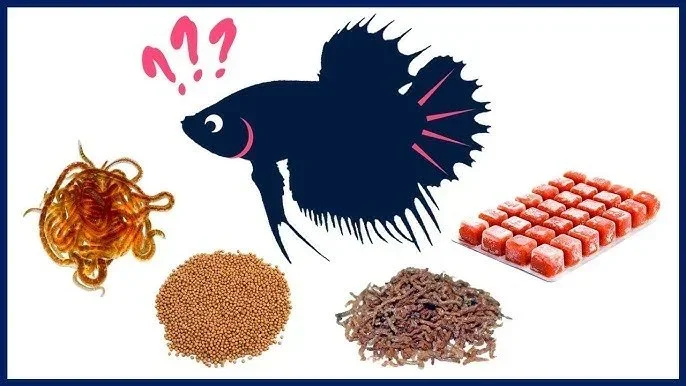
Human foods can be interesting, but they are not the best foundation for a betta diet. Betta-specific pellets are made to deliver the right balance of protein, fats, vitamins, and minerals. They also come in sizes that are easy for bettas to eat. Frozen foods, like bloodworms or brine shrimp, are closer to what bettas would eat in the wild. They are excellent for variety and conditioning.
Balanced Nutrition
Quality betta food is formulated for their needs. It supports color, energy, and overall health. It also helps keep the diet consistent. When you rely on random kitchen items, the nutrient balance can vary a lot. That inconsistency can affect your fish over time.
Easier Portion Control
Pellets make it easier to control how much you feed. You can count out a small amount and avoid overfeeding. Human foods are less predictable. They can be harder to measure and easier to overuse. Overfeeding is one of the most common problems in betta care. It can lead to bloating, waste buildup, and poor water quality.
Better Water Quality
Prepared betta foods are designed to be eaten and not linger too long. Many human foods break down unevenly or dissolve in ways that cloud the tank. Uneaten bits can decay and spike ammonia or nitrates. That puts stress on your fish and makes maintenance harder.
Safe Feeding Practices and Common Mistakes
Good feeding habits make a big difference. Even safe treats can cause trouble if you overdo them. Here are some practical rules to follow.
Start Small and Watch Closely
When trying any new food, use a tiny amount first. Watch for signs of interest, digestion issues, or changes in behavior. If your betta seems lethargic, bloated, or uninterested in food, stop the treat and return to its regular diet. A careful trial is the safest way to answer what can betta fish eat of human food for your own tank.
Remove Uneaten Food Quickly
Leftovers decay fast. Use a net or siphon to remove uneaten pieces after a few minutes. This keeps the water cleaner and reduces stress on your betta. It also helps you see whether your fish actually ate the treat.
Do Not Overfeed
Bettas have small stomachs. A common mistake is feeding too much because the fish looks hungry. In many cases, bettas will beg even when they are not truly hungry. Keep portions modest. If you are using pellets, a few small pieces per meal is usually enough, depending on your fish and schedule. If you add a rare treat, reduce the regular portion slightly to avoid excess.
Keep the Tank Clean
Food choice and feeding habits affect water quality. Clean water supports healthy gills, clear eyes, and strong immunity. Regular partial water changes, proper filtration, and careful feeding all work together. A healthy tank makes every meal safer.
Common Mistakes to Avoid
- Feeding seasoned or processed foods: Salt, spices, and oils can harm your betta.
- Offering large chunks: Big pieces can go uneaten or cause swallowing issues.
- Treating human food as a staple: It should stay rare, not routine.
- Leaving leftovers in the tank: Decaying food ruins water quality.
- Ignoring your betta response: If the fish seems off, stop and reassess.
Expert Insights and Practical Tips
Experienced betta keepers usually agree on one thing: simplicity is best. A stable diet of quality betta food, with occasional frozen treats, is the most reliable approach. Human foods can be experimented with, but only with caution. Here are a few practical insights to keep in mind.
Use Human Foods Only for Specific Reasons
If you run out of betta food temporarily, a plain boiled egg bit or a tiny pea piece may help in a pinch. That is one of the few times a kitchen item makes sense. Even then, it should be short-term. Long-term nutrition should come from proper fish food.
Watch for Individual Preferences
Not every betta reacts the same way. Some may nibble a safe treat. Others may ignore it completely. That is normal. Your fish personality and preference matter. If your betta shows no interest, do not force it. There is no need to offer every safe item on the list.
Think About Water Impact
Every food choice affects the tank. Even safe treats can leave residue. That is why timing and cleanup matter. Feed slowly, observe, and remove anything left behind. This keeps the experiment safe for both your fish and your water parameters.
When in Doubt, Choose Betta Food
If you are unsure about a human food, skip it. The question of what can betta fish eat of human food is best answered with restraint. A conservative choice protects your betta health and saves you from avoidable problems. Quality betta pellets and frozen options are there for a reason, and they should remain the core of the diet.
Final Thoughts on Human Food and Betta Care
So, what can betta fish eat of human food safely? Only a few plain, unseasoned items in tiny amounts, and only as rare treats. Boiled egg, cooked peas, and small bits of plain shrimp or white fish are the most commonly mentioned options. Even then, preparation and cleanup matter a lot. Bread, dairy, citrus, seasoned foods, and processed snacks should stay out of the tank.
The safest path is simple. Keep betta pellets as the main diet. Use frozen or live foods for variety. Add human treats only occasionally, if at all. Watch your betta response, remove leftovers, and protect water quality. That balanced approach gives your fish the nutrition it needs while still letting you explore the occasional kitchen treat with care.
If you want to keep your betta vibrant, active, and healthy, consistency is key. A thoughtful diet does more for your fish than random snacks ever will. Use human foods sparingly, stay cautious, and prioritize proper betta nutrition every day.
Frequently Asked Questions
Can betta fish eat cooked rice or pasta?
No, rice and pasta are not good choices. They are starch-heavy, low in protein, and can swell in water or cause bloating in bettas.
Is bread safe for betta fish?
Bread is not safe for bettas. It can expand in their stomach, lack proper nutrition, and quickly foul the tank water.
Can I feed my betta fish a tiny bit of boiled egg?
Yes, a very small piece of plain boiled egg can work as a rare treat. It must be unseasoned, fully cooked, and chopped tiny enough for your betta to swallow.
What human foods should I never give my betta?
Avoid bread, dairy, citrus, onions, garlic, seasoned foods, salty snacks, and anything with oil or preservatives. These can harm your betta or degrade water quality.
How often can I give my betta a human food treat?
Very rarely. Human food should stay an occasional treat, not a regular part of the diet. Most of your betta meals should come from proper betta pellets or frozen foods.
What is the healthiest daily diet for a betta fish?
A high-protein betta pellet diet, sometimes supplemented with frozen or live foods, is the healthiest choice. That combination better matches a betta natural carnivorous needs than human food does.