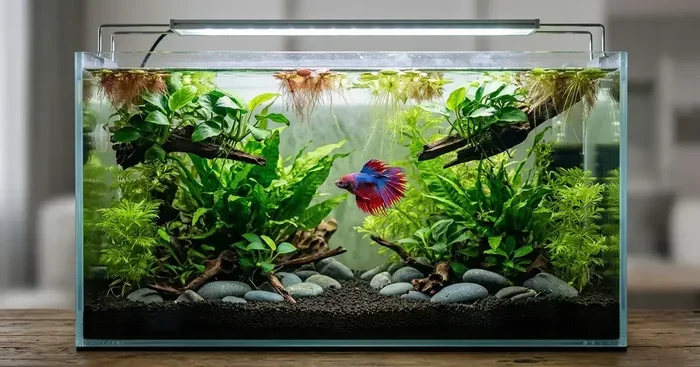
Are Betta Fish Nocturnal
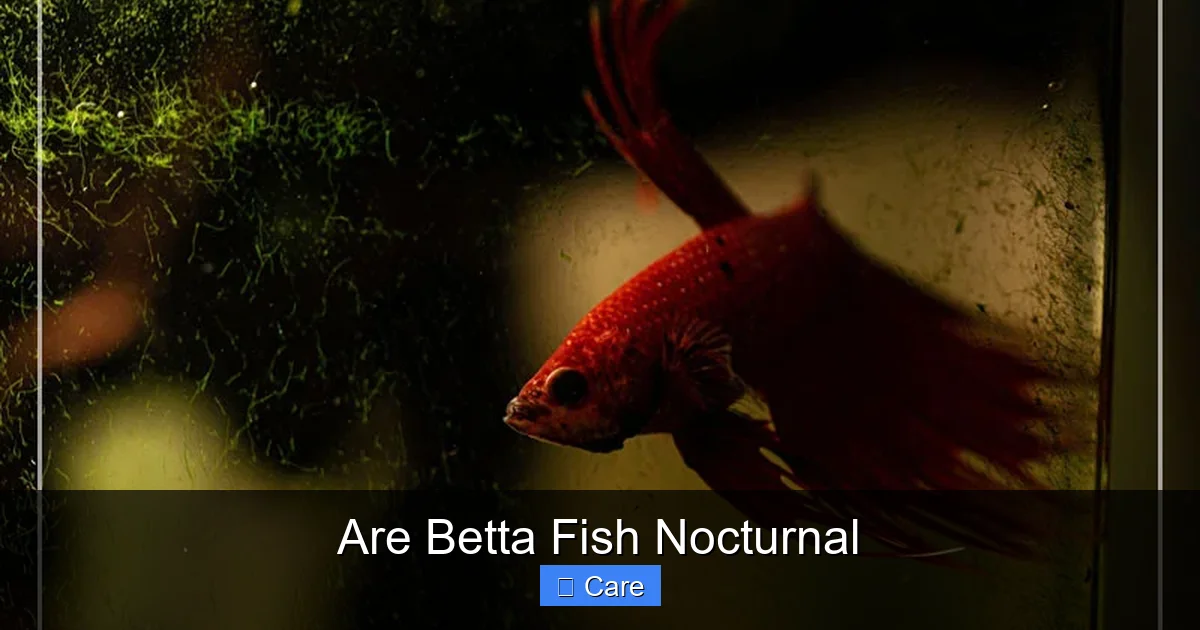
Betta fish are not truly nocturnal; they are crepuscular, most active during dawn and dusk. In a well‑lit aquarium they’ll show bursts of color and curiosity in the early morning and evening, while resting through most of the day. Understanding this pattern helps you set lighting, feeding, and tank‑mate schedules for a healthier, happier betta.
Key Takeaways
- Betta activity pattern: Betta fish are crepuscular, not strictly nocturnal.
- Lighting matters: Gradual dawn/dusk lighting mimics their natural environment.
- Feeding schedule: Offer food twice daily, preferably at sunrise and sunset.
- Resting spots: Provide plants or caves for daytime hiding.
- Tank mates: Choose peaceful companions that respect the betta’s active periods.
- Observation tips: Watch for color changes at low light to gauge health.
- Nighttime care: Minimal disturbance and a dim night light keep bettas stress‑free.
📑 Table of Contents
- Introduction: Why the Question Matters
- 1. The Basics: What Does “Nocturnal” Really Mean?
- 2. Natural Habitat: Light and Life in the Wild
- 3. How This Translates to Your Aquarium
- 4. Common Misconceptions About Betta Nighttime Behavior
- 5. Practical Tips to Support a Healthy Activity Cycle
- Conclusion: Embrace the Twilight
Introduction: Why the Question Matters
If you’ve ever watched a betta flare its fins in a burst of electric blue, you might wonder: “Is this little warrior a night‑owl?” The answer isn’t as simple as “yes” or “no.” Betta fish (Betta splendens) come from the shallow, slow‑moving waters of Thailand, Vietnam, and Cambodia, where light changes throughout the day in subtle ways. Understanding whether they are nocturnal helps you set up the perfect tank, feed them at the right times, and avoid stress that can lead to disease.
In this guide we’ll explore the science behind betta activity, break down the difference between nocturnal, diurnal, and crepuscular habits, and give you practical steps to match your aquarium routine to your fish’s natural rhythm. By the end, you’ll know exactly how to keep your betta thriving from sunrise to moonrise.
1. The Basics: What Does “Nocturnal” Really Mean?
Defining nocturnal, diurnal, and crepuscular
Animals are often grouped by when they’re most active:
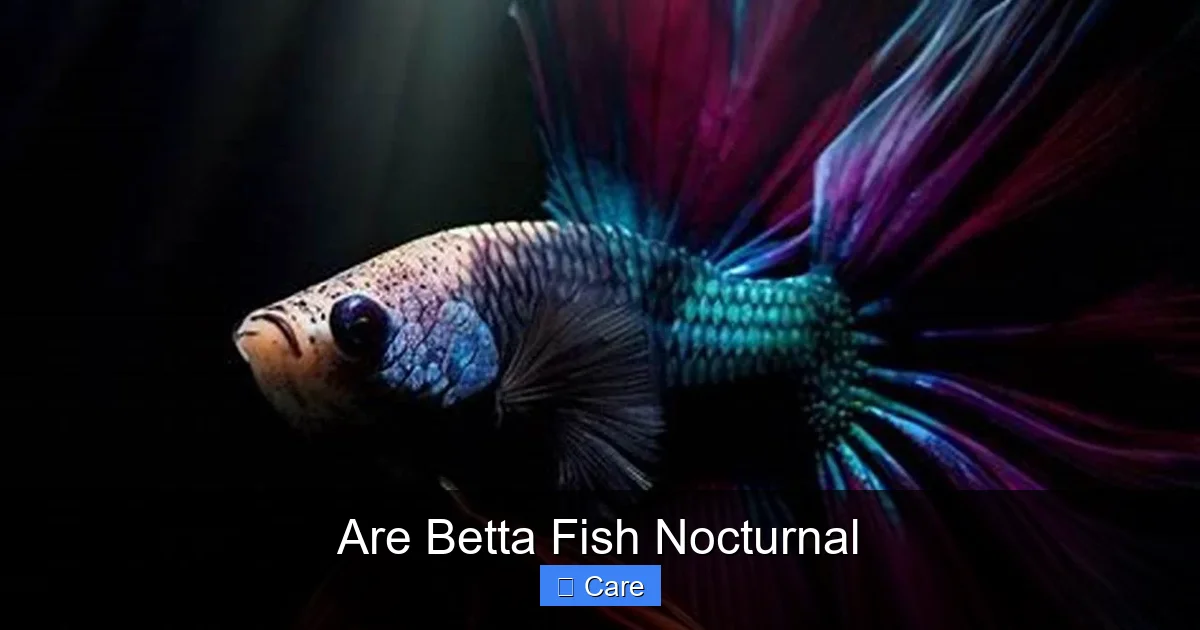
Visual guide about Are Betta Fish Nocturnal
Image source: dsflyfishing.com
- Nocturnal: Active during the night, sleeping or resting in daylight.
- Diurnal: Awake and active in the daylight, sleeping at night.
- Crepuscular: Most active during the twilight periods—dawn and dusk.
Betta fish do not fit neatly into the first two categories. They are crepuscular, meaning they come alive when the light is low but not completely dark. This pattern helps them avoid predators while still being able to hunt for insects and tiny crustaceans that surface at sunrise and sunset.
How scientists studied betta behavior
Researchers have observed bettas in both natural rice paddies and laboratory tanks. By recording movement with infrared cameras, they found peaks of activity at 06:00‑08:00 and 18:00‑20:00, with a noticeable dip in the middle of the day. The data aligns with the crepuscular label and shows that a completely dark environment can actually reduce activity, contrary to true nocturnal species.
2. Natural Habitat: Light and Life in the Wild
Seasonal light cycles in Southeast Asia
In the betta’s native range, the sun rises quickly over dense foliage, creating a soft, dappled glow. Evening brings a gradual fade rather than sudden darkness. This “twilight” environment is what bettas have evolved to thrive in. During the rainy season, cloud cover further softens the light, extending the crepuscular window.
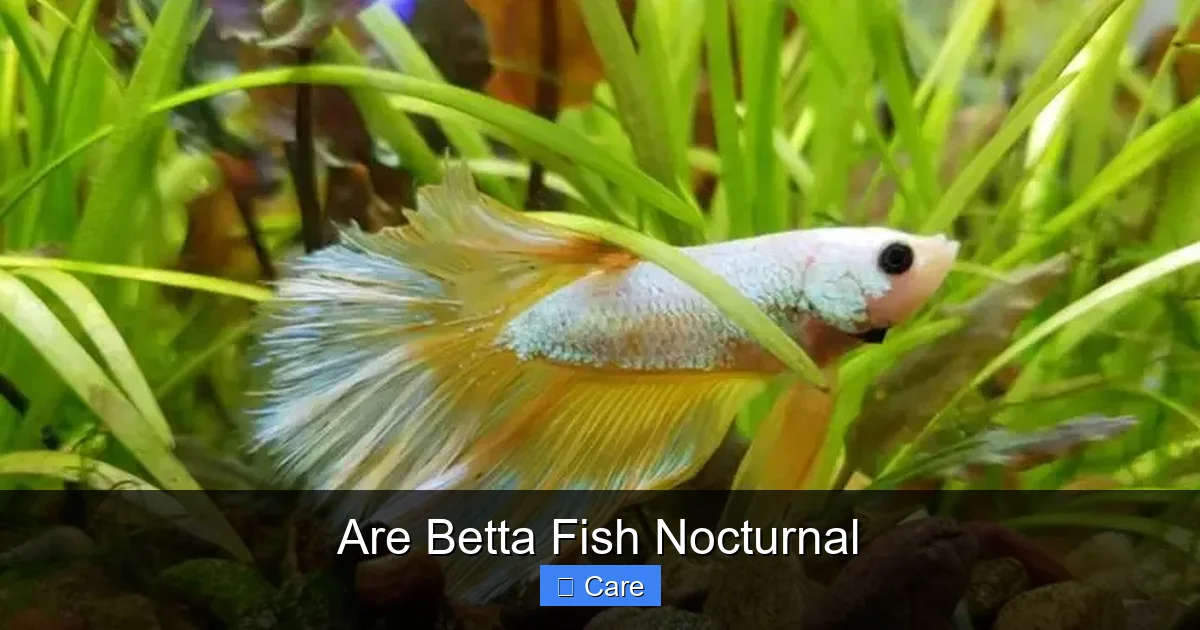
Visual guide about Are Betta Fish Nocturnal
Image source: bettafishworld.com
What bettas do in the wild
In shallow rice paddies, bettas hunt for mosquito larvae, tiny worms, and surface insects that appear at sunrise and sunset. They also defend small territories, flashing their fins to warn rivals. When the sun is high, they hide among submerged roots, floating leaves, or dense vegetation to avoid predators such as larger fish and birds.
3. How This Translates to Your Aquarium
Lighting: Mimicking dawn and dusk
Most hobbyist tanks use a simple on/off timer, creating an abrupt “day‑night” switch. Betta fish benefit from a more natural transition:
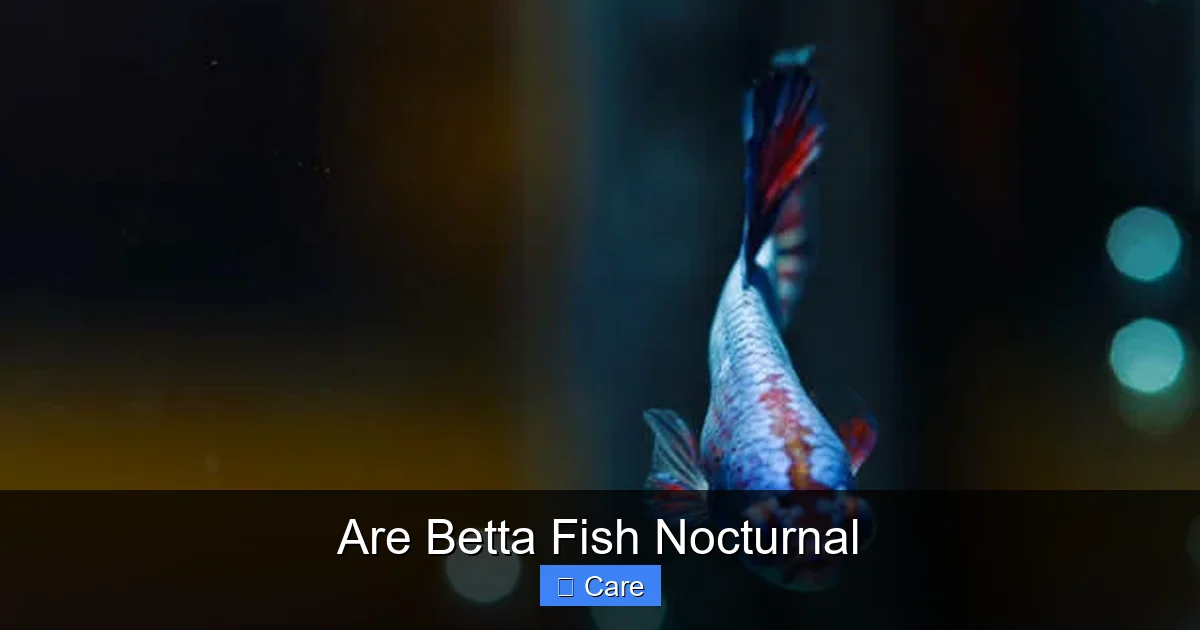
Visual guide about Are Betta Fish Nocturnal
Image source: hometanks.com
- Use a programmable LED that gradually brightens over 30‑45 minutes in the morning.
- Dim the lights slowly in the evening, allowing the betta to adjust.
- Consider a low‑intensity “moonlight” (1‑2 lux) for the night period; it’s enough for you to see the tank but won’t disturb the fish.
These subtle changes signal to your betta that it’s time to explore, feed, or rest.
Feeding at the right times
Because bettas are most active at sunrise and sunset, feeding them during these periods aligns with their natural hunting instincts. Offer a small portion of high‑quality pellets or frozen bloodworms twice a day—once in the early morning and once in the early evening. This keeps their metabolism steady and reduces over‑feeding.
Providing hiding places for daytime rest
Since bettas spend much of the daylight hours hiding, include:
- Live or silk plants with broad leaves.
- Caves or PVC tubes (smooth, no sharp edges).
- Floating leaf mats that mimic the surface cover of their native ponds.
These structures give your betta a sense of security and help reduce stress‑induced color fading.
4. Common Misconceptions About Betta Nighttime Behavior
“My betta sleeps all night” – is that true?
Betta fish do not “sleep” like mammals, but they enter a resting state. Their eyes may close slightly, and they hover near the bottom or hide. They remain responsive to sudden changes—so a loud tap on the tank can startle them even at night.
“Turn the lights off completely, and my betta will be happier”
Complete darkness can actually cause stress for a crepuscular fish. Betta’s lateral line (a sensory organ) relies on subtle water movement, but a faint night light helps them orient themselves. A dim LED or a small aquarium night lamp placed outside the tank works well.
“If I see my betta moving at night, it must be sick”
Occasional movement at night is normal; they may be exploring or adjusting their position. However, frantic swimming, frantic fin flaring, or loss of color could indicate stress or illness and should be investigated.
5. Practical Tips to Support a Healthy Activity Cycle
Set a consistent lighting schedule
Consistency is key. Use a timer to keep the light cycle the same every day—ideally 10‑12 hours of bright light, 2‑3 hours of dim light, and 8‑10 hours of night.
Observe and adjust
Spend a few minutes each morning and evening watching your betta. Note if it’s swimming, flaring, or hiding. Small adjustments—like moving a plant or changing the feeding time—can make a big difference.
Use appropriate tank mates
If you keep other fish, choose peaceful species that are also crepuscular or diurnal, such as small tetras or rasboras. Avoid aggressive or overly active fish that could disturb the betta during its active periods.
Maintain water quality
Good water parameters (78‑80°F, pH 6.5‑7.5, ammonia 0 ppm) reduce stress and allow the betta to follow its natural rhythm. Perform weekly 25‑30% water changes and test regularly.
Enrichment during active periods
Provide gentle currents, floating toys, or a mirror for short “challenge” sessions during dawn and dusk. This mental stimulation keeps the betta engaged and can enhance coloration.
Conclusion: Embrace the Twilight
Betta fish are not nocturnal night‑crawlers; they are crepuscular performers who shine brightest in the soft light of sunrise and sunset. By replicating these conditions in your aquarium—through gradual lighting, timed feeding, and ample hiding spots—you’ll see your betta display its most vibrant colors and confident behavior.
Remember, a happy betta is a healthy betta. Keep the tank environment stable, respect its natural rhythm, and enjoy the spectacular show each dawn and dusk brings. Your aquatic friend will thank you with dazzling fin displays and a calm, confident presence that lasts all day and night.
Frequently Asked Questions
Are betta fish active at night?
Betta fish are mostly inactive at night, entering a resting state. They may move slightly, but they are not truly nocturnal.
What lighting schedule is best for bettas?
A 10‑12 hour bright light period with a gradual sunrise and sunset, followed by 2‑3 hours of dim light and 8‑10 hours of night light, mimics their natural habitat.
Can I feed my betta only once a day?
Feeding twice daily—once in the early morning and once in the early evening—matches their crepuscular feeding habits and supports healthy digestion.
Do bettas need a night light?
A very low‑intensity night light (1‑2 lux) helps bettas orient themselves without disrupting their rest, especially in a completely dark room.
How can I tell if my betta is stressed?
Signs of stress include faded colors, constant hiding, frantic swimming, loss of appetite, or frequent fin flaring. Adjust lighting, water quality, or tank mates if you notice these.
What tank mates are safe for a crepuscular betta?
Peaceful, non‑aggressive fish like small tetras, rasboras, or shrimp that are active during the day are good companions. Avoid fin‑nipping or overly active species.