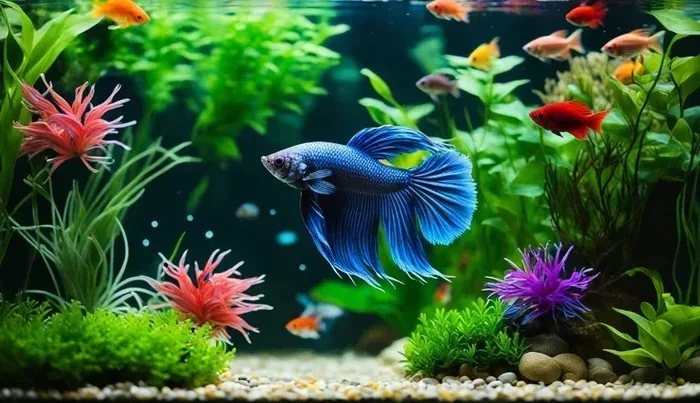
Are Betta Fish and Siamese Fighting Fish the Same

Yes, betta fish and siamese fighting fish are the same species. The scientific name is Betta splendens, and the term “siamese fighting fish” comes from their origin in Southeast Asia and their famous territorial behavior. Understanding this connection helps you care for your betta fish better and appreciate their rich history.
Have you ever wondered whether betta fish and siamese fighting fish are the same thing? Maybe you have seen both names at your local pet store and thought they were different species. Or perhaps a friend told you they are completely different fish. Either way, you are not alone in this confusion.
The short answer is yes. Betta fish and siamese fighting fish are one and the same. The full scientific name is Betta splendens, and “siamese fighting fish” is simply a common name that reflects where they come from and what they are known for. In this guide, we will walk through everything you need to know about these popular tropical fish. You will learn about their history, care tips, and why they got such a dramatic name.
Whether you are a new fish owner or a curious hobbyist, this article breaks it all down in simple terms. No jargon, no fluff, just clear and helpful information you can use right away.
Key Takeaways
- Same Fish, Two Names: Betta fish and siamese fighting fish refer to the exact same species, Betta splendens.
- Rich History: These fish have been bred for fighting and display in Thailand (formerly Siam) for over 150 years.
- Care Is Key: Knowing their true identity helps you provide the right betta fish care, tank setup, and diet.
- Not Aggressive by Default: While male bettas are territorial, proper tank setup and betta tank mates can create a peaceful home.
- Beautiful and Diverse: Siamese fighting fish come in stunning colors and fin types thanks to selective breeding.
- Know Their Needs: Warm water, clean tanks, and proper feeding keep your betta fish healthy and happy.
📑 Table of Contents
What Are Betta Fish?
The Scientific Name and Identity
Betta fish belong to the species Betta splendens. They are part of the Gouramis family, which means they are not true fighting fish in the wild sense. Instead, they are freshwater fish native to the warm, slow-moving waters of Southeast Asia. Countries like Thailand, Cambodia, Vietnam, and Malaysia are their natural homes.
The name “betta” actually comes from a group of warriors called the “Bettah” people. But the “fighting” part of their name comes from how males behave toward each other. Male bettas are highly territorial and will flare their gills and spread their fins to intimidate rivals. This behavior is what led people in Siam (now Thailand) to breed them for fish fights, much like cockfighting.
Today, betta splendens are bred mostly for their beauty. The aggressive traits have been toned down through careful breeding, and modern pet bettas are far less combative than their ancestors. Still, male bettas should never be housed together. If you want to know more about keeping multiple bettas, check out our guide on can two betta fish live in the same tank.
Why Are They Called Siamese Fighting Fish?
The name “siamese fighting fish” has a clear origin. Siam was the old name for Thailand, and fish fighting was a popular pastime in that region. People would place two male bettas in the same container and watch them battle. These matches were taken very seriously, and people would place bets just like in other competitive sports.
The fighting tradition dates back hundreds of years. In the 1800s, the King of Siam even began licensing and regulating these fish fights. Over time, people started to appreciate the fish not just for their fighting spirit but also for their brilliant colors and flowing fins. That shift helped turn the siamese fighting fish into the beloved pet we know today.
Now, the name “siamese fighting fish” is used interchangeably with “betta fish” around the world. You will see both names on pet store shelves, online forums, and care guides. They mean the exact same fish.
Betta Fish vs. Siamese Fighting Fish: What Is the Difference?
Here is the truth: there is no difference. Betta fish and siamese fighting fish are two names for one species. Some people use “betta” as a casual short name, while others prefer “siamese fighting fish” because it sounds more descriptive. Both names point to the same Betta splendens fish.
However, there can be some confusion because the word “betta” is also used for other fish in the Betta genus. There are over 70 species in the Betta family. When people say “betta fish” in the pet trade, they almost always mean Betta splendens. But technically, a wild-caught Betta imbellis or Betta mahachaiensis is also a “betta” but not the same as the common pet store fish.
To keep things simple, when someone says “betta fish” or “siamese fighting fish,” they are talking about the colorful, long-finned fish that millions of people keep in aquariums around the world.
The History of Betta Fish Keeping
From Fighting Rings to Living Rooms
The journey of the betta fish from fighting rings to home aquariums is a fascinating story. In the 1800s, fish fighting was a national pastime in Siam. People bred bettas specifically for their aggression and endurance. The fish that fought the longest and flared the most were considered the best.
In 1840, the King of Siam gave some of these fighting fish to a man named Theodore Cantor, who was a medical scientist. Cantor began studying and breeding them, and eventually, the fish made their way to Europe and then to the rest of the world. By the early 1900s, betta splendens were being bred for color and fin shape, not fighting ability.
Today, the global pet trade has turned the siamese fighting fish into one of the most popular aquarium fish on the planet. They are easy to care for, beautiful to look at, and come in an incredible range of colors and tail types.
Modern Breeding and Varieties
Modern breeders have created dozens of betta fish types with different colors, patterns, and fin shapes. Some of the most popular varieties include:
- Veil Tail: The classic long, flowing tail. This is the most common type found in pet stores.
- Crowntail: Fin rays that extend beyond the webbing, giving a spiky crown-like look.
- Plakat: A shorter-tailed variety that looks closer to the wild-type betta.
- Halfmoon: A tail that spreads out to form a perfect 180-degree circle.
- Double Tail: Two distinct tails instead of one, giving a unique and eye-catching appearance.
- Butterfly: A pattern where the body is one color and the fins blend into a second color.
Each variety has its own charm, but they all share the same basic care requirements. Whether you have a veiltail or a crowntail, your betta fish needs warm water, clean conditions, and a proper diet.
How to Care for Your Betta Fish
Tank Setup
A common mistake is keeping a betta in a tiny bowl with no filter or heater. While bettas can survive in small spaces, they thrive in a proper setup. Here are the basics for a healthy betta fish tank:
- Tank Size: At least 5 gallons. A larger tank gives your fish more room to swim and better water quality.
- Heater: Keep the water between 76 and 82 degrees Fahrenheit. Bettas are tropical fish and need warmth.
- Filter: Use a gentle filter. Bettas do not like strong currents, so a sponge filter works great.
- Decorations: Add plants, caves, and gentle décor. Bettas love places to explore and rest.
- Water Changes: Change 25 to 30 percent of the water weekly to keep it clean and fresh.
If you are thinking about adding other fish to your betta’s tank, you need to choose betta tank mates carefully. Not all fish get along with bettas. For example, you should never pair a betta with a goldfish. Our article on can betta fish and goldfish live in the same tank explains why this combination does not work.
Diet and Feeding
Betta fish are carnivores. In the wild, they eat insects, larvae, and small crustaceans. In captivity, you should feed them high-quality betta pellets as a staple food. You can supplement their diet with frozen or live foods like bloodworms, brine shrimp, and daphnia.
Feed your betta 2 to 3 small meals per day. Do not overfeed, as bettas are prone to constipation and bloating. A good rule of thumb is to feed only what your fish can eat in 2 to 3 minutes.
Some people wonder if bettas can eat the same food as other fish. While bettas can nibble on some tropical flakes, they need protein-rich food to stay healthy. If you are curious about food comparisons, check out do betta and tetra fish eat the same food.
Common Health Issues
Like all pets, bettas can face health problems. Some of the most common issues include:
- Fin Rot: A bacterial infection that causes the fins to look ragged or discolored. It is usually caused by poor water quality.
- Constipation: Swollen belly and difficulty swimming. This happens when a betta eats too much or does not get enough fiber.
- Ich (White Spot Disease): Small white spots on the body and fins. It spreads quickly in stressed or unhealthy fish.
- Swim Bladder Disease: Difficulty maintaining balance. Often linked to overfeeding or a poor diet.
The best way to prevent these issues is to keep the tank clean, maintain stable water parameters, and feed a balanced diet. A healthy betta fish can live 3 to 5 years, and some even reach 7 years with excellent care.
Betta Fish Behavior and Temperament
Are Betta Fish Aggressive?
The reputation of the siamese fighting fish as a fierce fighter is well-earned, but it is not the whole story. Male bettas are territorial, especially toward other males. When two male bettas see each other, they will flare their gills, spread their fins, and may bite or chase each other. This is natural behavior, not a sign that your fish is mean.
Female bettas are generally less aggressive and can sometimes be kept in groups called “sororities.” However, even female bettas can have their disagreements. If you want to learn more about keeping female bettas together, read our guide on can female betta fish live in the same tank.
Male bettas can also live peacefully with certain other fish species. The key is choosing tank mates that are small, peaceful, and do not have long flowing fins (which can trigger territorial behavior). Good options include corydoras, neon tetras, and kuhli loaches.
Do Betta Fish Get Lonely?
This is a common question among betta owners. The short answer is no. Bettas are solitary fish by nature. In the wild, they prefer to have their own territory. A male betta in a properly set-up tank with plants and hiding spots will be perfectly happy on its own. You do not need a companion fish to keep your betta from getting lonely.
That said, bettas are curious and interactive fish. They will watch you as you walk by the tank, come to the surface when you approach, and may even recognize their owner over time. Many betta owners enjoy interacting with their fish during feeding time.
Interesting Facts About Betta Fish
Here are some fun facts that make betta fish even more fascinating:
- They Can Breathe Air: Bettas have a special organ called the labyrinth organ, which allows them to breathe oxygen from the air. This is why they can survive in low-oxygen water. In fact, if a betta cannot reach the surface for air, it can actually drown.
- They Are Jumpers: Bettas can jump surprisingly high. Always keep a lid on your tank to prevent escapes.
- Their Colors Are Not Natural: The wild-type betta is actually a dull green and brown color. The vibrant reds, blues, and purples we see today are the result of selective breeding over many generations.
- They Were Once Used in Gambling: Fish fighting was a real gambling activity in Siam. People would bet large sums on the outcome of a match between two male bettas.
- They Are National Aquatic Animals: The betta fish is the national aquatic animal of Thailand, a testament to its cultural importance in the region.
These facts show just how special the siamese fighting fish really is. From their unique breathing ability to their cultural significance, they are far more than just a pretty face in a tank.
Final Thoughts
So, are betta fish and siamese fighting fish the same? Absolutely. They are one and the same species, Betta splendens. The name “siamese fighting fish” simply reflects their history and origin, while “betta fish” is the modern, friendly name most people use today.
Whether you call them bettas or siamese fighting fish, these beautiful creatures make wonderful pets. They are colorful, interesting, and surprisingly easy to care for when you give them the right setup and diet. With a proper tank, warm water, and good food, your betta can live a happy and healthy life for several years.
If you are thinking about getting a betta or already have one, take the time to learn about their needs. A little knowledge goes a long way in making sure your betta fish thrives. Explore our other guides for more tips on betta fish care, tank mates, and everything else you need to know about these amazing tropical fish.
Frequently Asked Questions
Are betta fish and siamese fighting fish the same species?
Yes, they are exactly the same. Betta fish is the common name for the species Betta splendens, which is also known as the siamese fighting fish. Both names refer to the same popular aquarium fish.
Why are betta fish called siamese fighting fish?
They are called siamese fighting fish because they originated in Siam, which is now Thailand, and because male bettas are known for their aggressive, territorial behavior toward other males. People in the region historically bred them for fighting competitions.
Can male betta fish live together in the same tank?
No, male betta fish should never be housed together. They are highly territorial and will fight, which can lead to serious injury or death. Each male betta needs its own tank to stay safe and healthy.
What is the lifespan of a betta fish?
A well-cared-for betta fish typically lives 3 to 5 years. Some bettas have been known to live up to 7 years with excellent tank conditions, proper diet, and clean water. Genetics also play a role in their lifespan.
Are female betta fish less aggressive than males?
Yes, female bettas are generally less aggressive than males. Females can sometimes be kept in groups, known as sororities, as long as the tank is large enough and has plenty of hiding spots. Males should always be kept alone.
Do betta fish need a heater in their tank?
Yes, betta fish are tropical fish and need warm water to stay healthy. The ideal temperature range is between 76 and 82 degrees Fahrenheit. A small aquarium heater helps maintain a stable temperature, especially in cooler rooms.