Are Betta Fish Siamese Fighting Fish
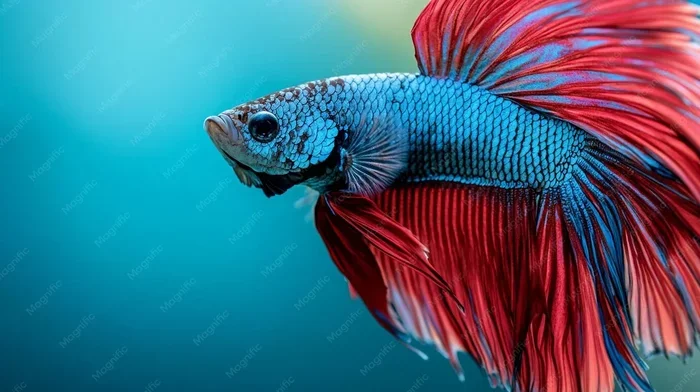
Yes, betta fish are indeed Siamese fighting fish. Their scientific name is Betta splendens, and they originate from the warm waters of Southeast Asia. These stunning fish earned their fierce reputation through centuries of selective breeding for combat, but today they are beloved aquarium pets known for their vibrant colors and flowing fins.
You have probably seen them in small cups at pet stores, glowing bright blue, red, or green. These are betta fish, and their full name tells a fascinating story. Are betta fish siamese fighting fish? The short answer is yes. But the full story is much more interesting than that simple fact.
Betta fish have a rich history that stretches back hundreds of years. They come from the warm, shallow waters of Southeast Asia, particularly Thailand, which was once known as Siam. The name “Siamese fighting fish” comes from their long tradition of being bred for territorial battles. But don’t worry. Your pet betta at home is not looking for a fight with you.
In this guide, we will explore everything about betta fish and their connection to the Siamese fighting fish legacy. You will learn about their history, behavior, care needs, and why they remain one of the most popular freshwater aquarium fish in the world today.
Key Takeaways
- Betta fish are Siamese fighting fish: Their full name is Betta splendens, native to Thailand (formerly Siam) in Southeast Asia.
- They were bred for fighting: Centuries of selective breeding created their aggressive temperament toward other male bettas.
- They are not aggressive toward humans: Despite their name, bettas are peaceful and make great solo pets.
- Proper tank setup matters: A heated, filtered tank of at least 5 gallons keeps your betta healthy and happy.
- Male bettas fight each other: Two male bettas should never share a tank, but they can live with certain tank mates.
- Bettas have fascinating behaviors: Bubble nests, flare displays, and color changes are all normal betta behaviors.
📑 Table of Contents
What Are Siamese Fighting Fish?
The term “Siamese fighting fish” refers to the species Betta splendens. The word “Siamese” points to their origin in Siam, now modern-day Thailand. People in Southeast Asia first noticed these fish in the wild, where they lived in rice paddies, flood plains, and slow-moving streams.
Wild bettas look very different from the bright fish you see in stores. Wild betta fish are typically dull green and brown. Their fins are short. They evolved these colors to blend in with their surroundings and avoid predators. Over many generations, people selectively bred the most colorful and finned individuals, creating the stunning betta fish varieties we know today.
The Science Behind the Name
The genus name “Betta” comes from a Malay word meaning “bettah,” which refers to a type of fish. The species name “splendens” means “shining” or “brilliant” in Latin. So Betta splendens literally means “brilliant betta.” This name fits perfectly when you see a male betta displaying his full colors and flowing fins.
There are over 70 species in the Betta genus, but Betta splendens is the one most people keep as pets. Other species exist in the wild, and some of them look quite different from the domestic betta. If you are curious about the variety, check out our guide on are there different kinds of betta fish to learn more.
The History of Betta Fish as Fighting Fish
The fighting history of betta fish goes back centuries. In Siam, people began collecting wild bettas and pitting them against each other in battles. This practice was similar to rooster fighting. People would place two male fish in a small container and watch them spar.
The fights were not to the death, but the males would flare their gills, spread their fins, and bite at each other. The more aggressive and larger-finned males won more matches. Over time, breeders selected the fiercest fish for reproduction. This created the betta fish we know today, with their intense territorial behavior.
How the Tradition Started
People in Thailand began this practice as early as the 1800s. The fights became so popular that the Thai government stepped in and regulated them. They even taxed the fish based on the number of fights they had won. The more a betta fought, the higher its value.
Eventually, people shifted their focus from fighting to showing. They started breeding bettas for their colors and fin shapes instead of their aggression. This shift changed the betta fish from a fighting animal to a beloved aquarium pet. Today, betta fish are judged in beauty contests in Thailand and around the world.
Understanding Betta Fish Behavior
One of the most common questions new betta owners ask is: are betta fish aggressive? The answer is nuanced. Male bettas are territorial toward other male bettas. They will flare their gills, show their fins, and fight if two males are placed in the same tank.
However, bettas are not aggressive toward their owners. They can recognize their human caregivers and even learn to take food from your hand. Many betta owners describe their fish as curious and interactive pets.
Why Do Male Betta Fish Fight?
In the wild, male bettas defend territories. A male will build a bubble nest at the surface of the water to attract females. He guards this nest fiercely. If another male enters his territory, he sees a threat and attacks.
This behavior is instinctive. It helped wild bettas survive and reproduce in their natural habitat. In captivity, this means you should never house two male bettas together. Even a mirror can stress a male betta, because he sees another male intruding on his space.
Female Betta Behavior
Female bettas can also be territorial, but they are generally less aggressive than males. You can sometimes keep a group of female bettas together, called a sorority, if the tank is large enough and has plenty of hiding spots.
If you are considering adding tank mates, it is important to choose carefully. Not all fish get along with bettas. Some peaceful species can coexist well. Learn more about compatible tank mates in our article on are there other fish that can go with a betta.
Caring for Your Betta Fish
Proper care is essential for a healthy, happy betta. Many people still believe the old myth that bettas thrive in tiny bowls. This is simply not true. While bettas can survive in small amounts of water, they thrive in a well-maintained tank.
Tank Size and Setup
A minimum tank size of 5 gallons is recommended for a single betta. This gives the fish enough space to swim and explore. Smaller tanks lead to poor water quality and stressed fish.
Here are some key setup tips:
- Use a heater. Bettas are tropical fish and need water temperatures between 76 and 82 degrees Fahrenheit.
- Add a gentle filter. Strong filters create too much current for bettas, who are not strong swimmers.
- Include plants and hiding spots. Live or silk plants give your betta places to rest and feel secure.
- Use a soft substrate. Rough gravel can damage their delicate fins.
Feeding Your Betta
Bettas are carnivorous fish. They need a diet rich in protein. High-quality betta pellets form the base of their diet. You can supplement with frozen or live foods like brine shrimp and bloodworms.
Feed your betta 2 to 3 small meals per day. Overfeeding is a common mistake. Uneaten food decays in the tank and pollutes the water. If you are unsure about feeding schedules, check out our guide on are you supposed to feed betta fish everyday for detailed advice.
Common Health Issues
Even with good care, bettas can face health problems. The most common issues include:
- Fin rot: A bacterial infection that causes frayed or discolored fins.
- Ich: A parasitic disease that appears as white spots on the body.
- Swim bladder disease: Causes the fish to float upside down or struggle to maintain balance.
- Stress: Leads to faded colors, loss of appetite, and vulnerability to illness.
Keeping water quality high and maintaining a stable temperature prevents most of these problems. If your betta shows signs of illness, isolate him in a quarantine tank and treat accordingly.
Betta Fish Colors and Varieties
One of the biggest reasons people love betta fish is their incredible variety of colors and fin types. Breeders have developed hundreds of color combinations and fin shapes over the years.
Some popular color varieties include:
- Solid colors: Red, blue, green, black, and white bettas.
- Multicolor patterns: Butterfly, marble, and koi patterns.
- Special effects: Metallic and iridescent scales that shimmer in the light.
Fin types also vary widely. You will find veiltail, crowntail, plakat, halfmoon, and doubletail varieties. Each has its own charm and appeal. The plakat betta, for example, looks closer to the wild ancestor and has shorter fins.
If you are wondering about specific colors, check out our articles on are red betta fish rare and are yellow betta fish a thing for more color-specific information.
Are Betta Fish Good Pets?
Absolutely. Betta fish make wonderful pets for beginners and experienced aquarists alike. They are low maintenance compared to many other aquarium fish, but they still need proper care and attention.
Bettas are interactive and engaging. Many owners enjoy watching their bettas build bubble nests, explore their tanks, and respond to their presence. A healthy betta will swim actively, display bright colors, and eat eagerly.
One important thing to remember is that bettas are individual fish with their own personalities. Some bettas are bold and curious. Others are shy and prefer to hide. Both temperaments are normal. If your betta seems lazy or shy, it does not mean something is wrong. It might just be his personality.
With the right setup and care, a betta fish can live 3 to 5 years, and some even reach 7 years or more. That is a long commitment for such a small fish, but the reward is a beautiful, fascinating companion.
Conclusion
So, are betta fish siamese fighting fish? Yes, they absolutely are. The name “Siamese fighting fish” comes from their origins in Thailand and their long history of being bred for territorial combat. But today’s pet bettas are far removed from their fighting ancestors. They are colorful, peaceful companions that bring joy to millions of homes worldwide.
Whether you are a first-time fish owner or a seasoned aquarist, a betta fish is a rewarding choice. Provide them with a proper tank, a warm environment, good food, and gentle care, and they will thrive. Understanding their history and natural behavior helps you become a better owner. Appreciate their wild roots while enjoying the beauty they bring to your home.
The legacy of the Siamese fighting fish lives on in every bright, finned betta swimming in a tank today. They have come a long way from the rice paddies of Thailand, and they have a bright future as one of the world’s most beloved aquarium fish.
Frequently Asked Questions
Why are betta fish called Siamese fighting fish?
Betta fish are called Siamese fighting fish because they originate from Siam, now Thailand, where people bred them for territorial fights. The name reflects their history of being pitted against each other in competitive battles. Today, they are bred for beauty rather than fighting.
Can two male betta fish live together?
No, two male bettas should never share a tank. They are highly territorial and will fight aggressively, which can lead to injury or death. Even if you try to separate them with a divider, the stress of seeing each other can harm their health.
Do betta fish actually fight to the death?
In the wild, bettas rarely fight to the death. They use display behaviors like flaring and biting to establish dominance without serious injury. However, in confined spaces with no escape, fights can become lethal. This is why proper tank setup is so important for pet bettas.
How long do betta fish live?
With proper care, betta fish typically live 3 to 5 years. Some well-cared-for bettas have been known to reach 7 years or more. Genetics, diet, tank conditions, and water quality all play a role in determining lifespan.
Are betta fish aggressive toward other fish?
Male bettas are aggressive toward other male bettas and fish with similar long fins and bright colors. They may also chase fish that invade their territory. However, bettas can coexist peacefully with many small, peaceful species in a properly set up community tank.
What should I feed my betta fish?
Betta fish need a protein-rich diet. High-quality betta pellets should form the staple of their meals. You can supplement with frozen or live foods like brine shrimp, daphnia, and bloodworms. Feed small amounts 2 to 3 times a day and remove any uneaten food.