What Is Compatible with a Betta Fish

Knowing what is compatible with a betta fish is essential for a peaceful aquarium. Bettas are beautiful but can be territorial, so choosing the right tank mates and setup makes all the difference. This guide covers the best fish, invertebrates, and plants that coexist safely with bettas. You will also learn about tank size, water conditions, and common mistakes to avoid.
If you own a betta fish, you probably love its vibrant colors and flowing fins. But a common question every betta owner faces is: what is compatible with a betta fish? The answer is not as simple as dropping any fish into the same tank. Bettas can be territorial and sometimes aggressive, especially males. Choosing the right companions and environment is the key to a harmonious aquarium.
This guide walks you through everything you need to know. We cover the best tank mates, what to avoid, ideal tank setups, and practical tips to keep your betta happy. Whether you are a beginner or a seasoned hobbyist, you will find actionable advice backed by real experience.
Key Takeaways
- Peaceful bottom dwellers like corydoras and kuhli loaches make excellent betta companions.
- Small schooling fish such as ember tetras and rasboras thrive in a betta community tank.
- Snails and shrimp are safe, low-risk invertebrates that won’t trigger betta aggression.
- A tank of at least 10 gallons is strongly recommended to reduce territorial behavior.
- Avoid fin-nipping fish like tiger barbs and aggressive species that stress bettas out.
- Live plants and hiding spots help create a natural, calming environment for your betta.
- Always monitor behavior when introducing new tank mates and be ready to separate if needed.
📑 Table of Contents
- Understanding Betta Fish Behavior
- Best Fish Tank Mates for Bettas
- What Fish to Avoid With Bettas
- Ideal Tank Setup for a Betta Community
- Common Mistakes When Adding Tank Mates
- How to Introduce New Tank Mates Safely
- Best Plants and Decorations for a Betta Community Tank
- Feeding a Betta Community Tank
- Monitoring Your Betta Community Over Time
- Conclusion
Understanding Betta Fish Behavior
Before you add any tank mates, it helps to understand how bettas behave. Bettas are native to the warm, slow-moving waters of Southeast Asia. In the wild, they live among dense vegetation and prefer calm environments. This background shapes how they interact with other fish.
Why Bettas Can Be Aggressive
Male bettas have long, colorful fins that make them look stunning. But those same fins can trigger aggression in other fish. Bettas may see bright, flowing fins as a threat and attack. This is why choosing companions carefully matters so much.
Female bettas tend to be less aggressive. However, even females can become territorial if the tank is too small. Tank size plays a huge role in reducing stress and conflict. A cramped space makes any fish irritable, and bettas are no exception.
Betta Temperament by Type
Not all bettas are the same. Some are naturally calmer, while others are more feisty. Here are a few things that influence temperament:
- Fin type: Crowntail and plakat bettas tend to be slightly less aggressive than double-tail varieties.
- Color: Some keepers believe certain colors are more territorial, though this is not scientifically proven.
- Individual personality: Just like people, each betta has its own unique disposition. Some are chill, while others are bullies.
- Living conditions: A well-planted, spacious tank with hiding spots reduces stress and aggression.
If you are interested in learning more about what fish is compatible with a betta, understanding their natural behavior is the first step. You can also check out this guide on what a betta fish natural habitat looks like for more context.
Best Fish Tank Mates for Bettas
So, what is compatible with a betta fish in terms of other fish? The best tank mates share similar water conditions, are peaceful, and do not nip at betta fins. Here are the top choices.
Peaceful Bottom Dwellers
Bottom-dwelling fish are excellent companions because they stay out of the betta’s space. Bettas prefer the top and middle levels of the tank, so having fish that explore the bottom reduces the chance of conflict.
- Corydoras catfish: These small, peaceful fish are a favorite among betta keepers. They stay busy scavenging the substrate and rarely bother your betta.
- Kuhli loaches: With their quirky eel-like shape, kuhli loaches are fun to watch. They are shy and non-confrontational.
- Otocinclus catfish: These tiny algae eaters are peaceful and stay small, making them a safe choice.
Small Schooling Fish
Schooling fish add movement and color to a betta tank. The key is to choose species that are small, calm, and do not have long fins that might trigger your betta.
- Ember tetras: Their bright orange color adds a beautiful contrast. They are peaceful and stay in the middle of the tank.
- Harlequin rasboras: These hardy fish are easy to care for and get along well with bettas.
- Chili rasboras: Small, colorful, and non-aggressive, these are a great option for smaller tanks.
If you want more options, this article on what fish is compatible with a male betta has additional suggestions.
Invertebrates as Tank Mates
Not all tank mates need to be fish. Invertebrates like snails and shrimp can be wonderful additions. They are low-maintenance and generally ignored by bettas.
- Neon tetras and mystery snails: Snails help clean algae off the glass and decorations. They are peaceful and pose no threat.
- Amano shrimp: These are excellent algae eaters and are too large for most bettas to bother.
- Cherry shrimp: They add a pop of color and are easy to care for. However, bettas may sometimes try to eat very small shrimp.
For more ideas on invertebrates and small companions, you can explore what can go in a tank with a betta fish.
What Fish to Avoid With Bettas
Just as important as knowing what works is knowing what does not. Some fish are a bad match for bettas and can cause stress, injury, or even death.
Fin-Nipping Species
Bettas have long, delicate fins that some fish love to nip. This causes stress and can lead to infections. Avoid these species at all costs:
- Tiger barbs: These fish are notorious fin-nippers and are highly aggressive.
- Serpae tetras: While colorful, they can be nippy and territorial.
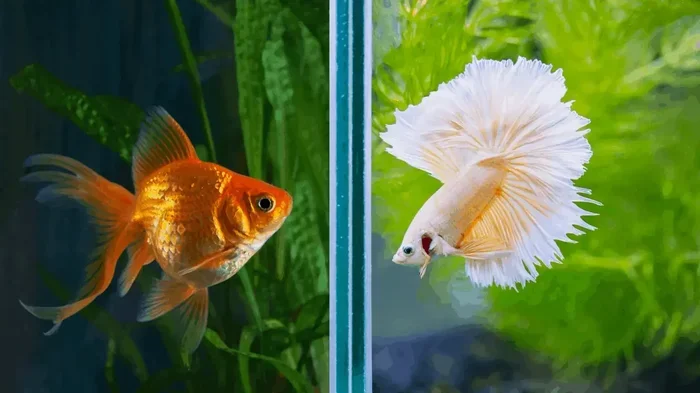
- Goldfish: They grow too large and produce too much waste for a betta tank.
Other Aggressive Fish
Any fish that is aggressive or dominates the tank is a poor choice. Bettas need a calm environment to thrive.
- Cichlids: Most cichlids are too aggressive for a betta community tank.
- Gouramis: They are closely related to bettas and often fight over territory.
- Angelfish: These can be territorial and may bully your betta.
If you are unsure about a specific species, check out what is a good tank mate for a betta fish for a detailed breakdown.
Ideal Tank Setup for a Betta Community
The right setup makes a huge difference in how well your betta gets along with other fish. A poorly designed tank leads to stress and conflict, no matter how peaceful your chosen companions are.
Tank Size Matters
Size is the single most important factor. A small bowl or tank creates a stressful environment for any fish. For a betta community, aim for at least 10 gallons. This gives everyone enough space to establish their own territory.
If you are curious about the ideal dimensions, this guide on what is the best tank size for a betta fish provides detailed recommendations.
Plants and Hiding Spots
Live plants serve multiple purposes. They improve water quality, provide hiding spots, and reduce aggression. Bettas feel safer in heavily planted tanks because they can retreat when they feel threatened.
Great plant choices include:
- Java moss: Easy to grow and provides excellent cover.
- Amazon sword: Large leaves create natural territories.
- Anubias: Low-maintenance and hardy, perfect for beginners.
- Floating plants like duckweed: Bettas love resting near the surface near floating leaves.
Water Parameters
Keeping water conditions stable is crucial. Bettas are tropical fish and need warm water. Here are the ideal ranges:
- Temperature: 76-82°F (24-28°C). If you want to know what temperature is too hot, check out what temperature is too hot for a betta fish.
- pH level: 6.5 to 7.5.
- Ammonia and nitrite: Must be at 0 ppm. Nitrate should be below 20 ppm.
Stable water parameters reduce stress and make all tank inhabitants healthier. Invest in a good heater and a reliable test kit.
Common Mistakes When Adding Tank Mates
Even experienced fish keepers make mistakes. Here are the most common errors and how to avoid them.
Overcrowding the Tank
It is tempting to add lots of fish to make the tank look lively. But overcrowding leads to poor water quality and increased aggression. Stick to the recommended tank size and add fish gradually.
Skipping the Quarantine Period
New fish can carry diseases or parasites. Always quarantine new arrivals for at least two weeks before adding them to your betta tank. This protects your betta and gives you time to observe the new fish for any health issues.
Ignoring Warning Signs
Watch for signs of stress or aggression after introducing new tank mates. These include:
- Flaring or chasing behavior from your betta
- Hiding or loss of appetite in any fish
- Biting or nipping at fins
- Rapid breathing or lethargy
If you notice any of these signs, separate the fish immediately. Not every combination will work, and that is okay. It is better to adjust early than to let things escalate.
How to Introduce New Tank Mates Safely
Adding new fish to a betta tank should be done carefully. A sudden introduction can shock your betta and trigger aggression. Follow these steps for a smoother transition.
- Set up the tank first: Make sure your tank is cycled and water parameters are stable before adding any new fish.
- Introduce new fish slowly: Add one or two new tank mates at a time. Wait at least a week before adding more.
- Use a divider if needed: A tank divider lets your betta and new fish see each other without direct contact. This helps them get used to each other’s presence.
- Feed well before introductions: A well-fed betta is less likely to be aggressive toward new arrivals.
- Observe closely for the first 48 hours: Watch for any signs of stress or fighting during this critical period.
For more tips on keeping your betta healthy alongside companions, you can also read about the lifespan of a betta fish and how tank mates can impact their overall well-being.
Best Plants and Decorations for a Betta Community Tank
The right decorations do more than make your tank look good. They create a functional environment that reduces stress for your betta and its tank mates.
Why Live Plants Are Essential
Live plants are a game-changer for community tanks. They produce oxygen, absorb nitrates, and provide natural hiding spots. Bettas especially love plants with broad leaves where they can rest.
Some of the best options include java fern, anubias, and water wisteria. These plants are hardy and tolerate the warm water conditions bettas need. They also grow slowly, so you will not need to trim them constantly.
Decorations That Reduce Stress
Adding caves, driftwood, and smooth rocks gives fish places to retreat. This is especially important for shy tank mates like kuhli loaches and shrimp. A well-decorated tank with plenty of hiding spots leads to less aggression and happier fish.
Just avoid sharp decorations or rough surfaces that could damage your betta’s delicate fins. Everything in the tank should be soft and smooth.
Feeding a Betta Community Tank
Feeding a community tank with a betta requires some planning. Bettas are carnivores and need a protein-rich diet. Other fish in the tank may have different dietary needs.
Here is a simple feeding routine that works well:
- Morning: Feed your betta high-quality pellets or frozen bloodworms. Add a small pinch of flake food for any community fish.
- Evening: Offer a small second feeding of betta pellets. Make sure all food is consumed within two minutes.
- Once a week: Skip one feeding day. This helps prevent overfeeding and keeps the water cleaner.
Overfeeding is one of the most common mistakes in community tanks. Excess food decays and raises ammonia levels, which is dangerous for all inhabitants. Feed small amounts and remove any uneaten food promptly.
Monitoring Your Betta Community Over Time
Keeping a betta community tank is not a set-it-and-forget-it hobby. You need to monitor your fish regularly to ensure everyone is healthy and getting along.
Spend a few minutes each day watching your fish. Look for changes in behavior, appetite, or appearance. Early detection of problems makes them much easier to fix. Keep a simple log of water tests and any observations. This helps you spot patterns and make adjustments before issues become serious.
Remember that every tank is different. What works for one betta keeper may not work for another. Be patient, stay observant, and be willing to make changes when needed.
Conclusion
What is compatible with a betta fish comes down to choosing peaceful species, providing enough space, and maintaining stable water conditions. The best tank mates include corydoras, tetras, rasboras, snails, and shrimp. Avoid aggressive or fin-nipping species at all costs. A well-planted tank of at least 10 gallons gives everyone room to thrive.
By following the tips in this guide, you can create a beautiful, harmonious aquarium where your betta and its companions live happily together. Start small, introduce fish gradually, and always watch for signs of stress. With a little patience and care, your betta community tank can be a stunning centerpiece in your home.
If you want to dive deeper into betta care, check out our guide on what is a betta fish for a complete overview of this amazing species.
Frequently Asked Questions
Can bettas live with goldfish?
No, goldfish are not compatible with bettas. Goldfish grow too large, produce too much waste, and prefer cooler water temperatures. Keeping them together will stress your betta and lead to health problems for both fish.
How many tank mates can a betta have?
In a 10-gallon tank, two to three small, peaceful tank mates is a good number. Avoid adding too many fish at once. Give your betta time to adjust to each new addition before introducing another.
Can bettas live with guppies?
It is generally not recommended. Guppies have long, colorful fins that can trigger your betta’s aggression. Male bettas may see guppy fins as a threat and attack them. Stick to fish with short fins for safer community tanks.
Do bettas need a heater?
Yes, bettas are tropical fish and need a heater to maintain stable water temperatures between 76 and 82 degrees Fahrenheit. A reliable heater prevents temperature swings that can weaken your betta’s immune system.
Can bettas live with snails?
Yes, snails are excellent tank mates for bettas. Mystery snails, nerite snails, and ramshorn snails are peaceful and help keep the tank clean. Most bettas ignore snails completely.
What is the best tank size for a betta community?
A minimum of 10 gallons is recommended for a betta community tank. Larger tanks, such as 20 gallons, give fish more room and make it easier to maintain stable water parameters. More space means less aggression and happier fish.