What Is a Betta Fish
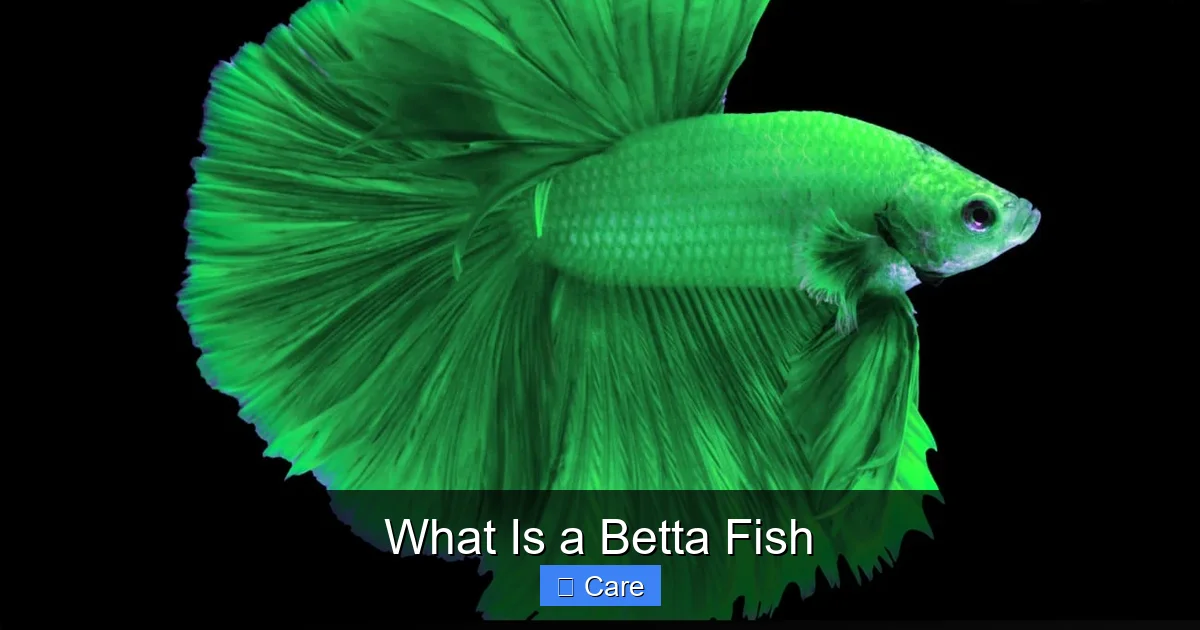
Betta fish, also known as Siamese fighting fish, are vibrant, low-maintenance freshwater fish famous for their brilliant colors and flowing fins. Native to Southeast Asia, they possess a special labyrinth organ allowing them to breathe air. While often sold in small containers, they thrive in properly sized, heated tanks with clean water and a protein-rich diet. Understanding their specific needs—including aggression, water conditions, and proper enrichment—is key to ensuring a healthy, happy life for these captivating pets.
Key Takeaways
- Native Origins: Betta fish (Betta splendens) originate from the shallow, warm rice paddies and slow-moving streams of Thailand, Cambodia, and Vietnam.
- Labyrinth Organ: They possess a specialized respiratory organ that allows them to gulp air from the surface, making them uniquely adaptable to low-oxygen waters.
- Aggression & Solitude: Male bettas are highly territorial and aggressive toward other males; they are best kept alone in a species-only tank.
- Tank Misconception: They require a minimum 5-gallon heated and filtered tank, not a small bowl or vase, to thrive and live a full life.
- Dietary Needs: Bettas are carnivores and require a high-protein diet of quality pellets, frozen, or live foods like brine shrimp.
- Color & Fin Varieties: Decades of selective breeding have produced a stunning array of colors (e.g., red, blue, marble) and fin types (e.g., halfmoon, veil tail).
- Lifespan: With proper care, a betta fish can live 3-5 years, occasionally longer, debunking the myth of a disposable “weekend pet.”
📑 Table of Contents
- What Is a Betta Fish? An Introduction to the Siamese Fighting Fish
- A Glimpse into the Wild: The Natural History of the Betta
- Decoding the Betta: Physical Characteristics & Varieties
- Setting the Record Straight: The Essential Betta Fish Tank
- The Betta Diet: Feeding Your Fish for Vibrant Health
- Health & Wellness: Recognizing and Preventing Common Issues
- Betta Behavior: Understanding Your Fish’s Personality
- Conclusion: A Lifelong Commitment to a Remarkable Fish
What Is a Betta Fish? An Introduction to the Siamese Fighting Fish
So, you’ve seen them. Those impossibly vibrant, floating jewels in tiny cups at the pet store, their long, silk-like fins drifting like underwater ballgowns. This is often a person’s first encounter with the betta fish, scientifically known as Betta splendens. But what is a betta fish, really? Beyond the stunning visual, there’s a fascinating creature with a dramatic history, unique biology, and very specific needs that are often misunderstood. This guide will dive deep into everything you need to know, transforming you from a curious observer to a confident, knowledgeable caretaker.
Commonly called Siamese fighting fish, bettas have a reputation for toughness that precedes them. This reputation stems from their native habitat in the warm, shallow, and sometimes oxygen-poor waters of Southeast Asia, and from their legendary historical use in gambling matches akin to cockfighting. However, this “toughness” is often misinterpreted as a license for neglect. In reality, a thriving betta is a sensitive, intelligent, and interactive pet whose brilliant display is a direct result of excellent care. Understanding their true nature is the first and most critical step in providing for them.
A Glimpse into the Wild: The Natural History of the Betta
To understand the betta fish in your living room, you must first journey to its homeland. Native to the Chao Phraya and Mekong river basins in Thailand, Cambodia, and Vietnam, wild bettas inhabit a very specific environment. They are found in shallow rice paddies, sluggish streams, drainage ditches, and floodplains. These waters are often warm (often 75-85°F or 24-29°C), slow-moving, and can become quite stagnant with low dissolved oxygen levels, especially during the dry season.
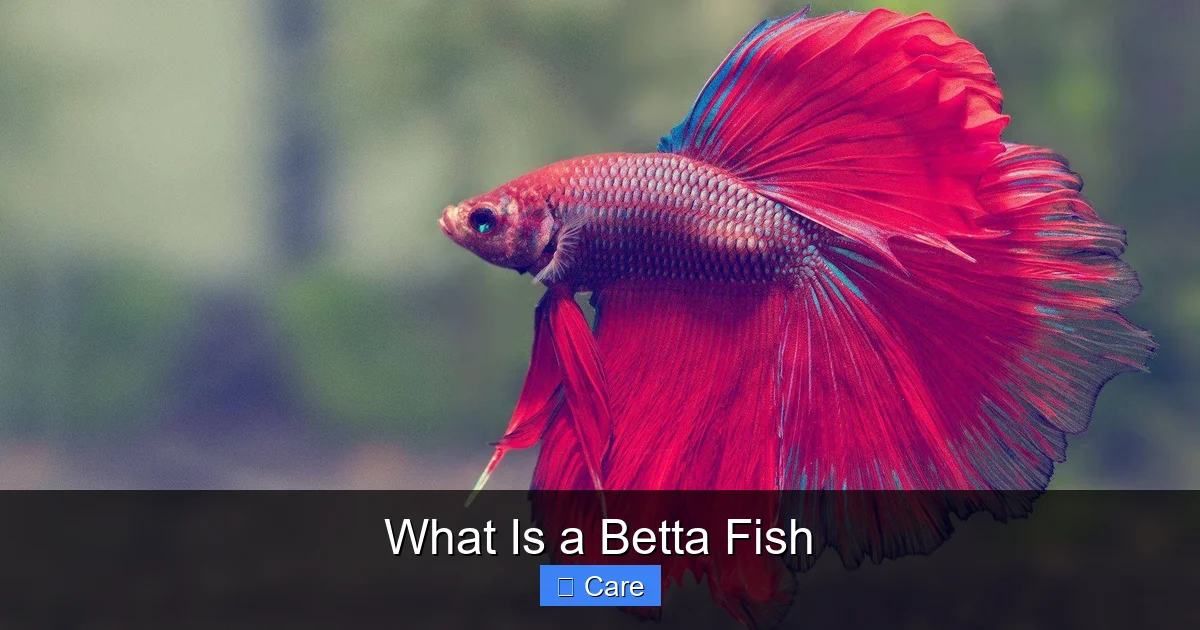
Visual guide about What Is a Betta Fish
Image source: wallpapers.com
The Evolutionary Marvel: The Labyrinth Organ
This challenging environment drove a remarkable evolutionary adaptation that defines the betta: the labyrinth organ. This is a folded, vascularized structure located in a chamber above the gills. It allows the betta to breathe atmospheric air directly from the surface. You’ll often see your betta rise to the top for a quick gulp—this is completely normal and essential behavior. This adaptation is why they can survive in poor water conditions longer than many other fish, but it is not a reason to provide poor conditions. It’s a survival mechanism, not a preference.
From Battlefield to Living Room: The History of Domestication
The name “Siamese fighting fish” comes from their historical use in Thailand (formerly Siam). For centuries, males were selectively bred for aggression and pitted against each other in staged fights, which were a popular form of entertainment and gambling. The fights were rarely to the death but would continue until one fish retreated. The winners were celebrated. It was from these aggressive lines that the ornamental betta hobby began. In the late 19th and early 20th centuries, breeders started selecting for brilliant colors and long, flowing fins instead of aggression. Today’s pet store bettas are descendants of this ornamental breeding, though that aggressive instinct can still flare, especially toward other males.
Decoding the Betta: Physical Characteristics & Varieties
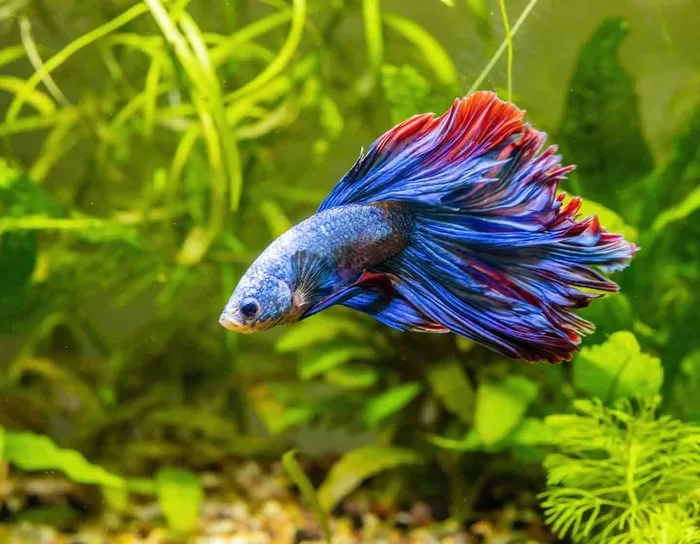
The visual diversity of the modern betta fish is staggering, a testament to decades of selective breeding. These traits fall into two main categories: color and fin type. Understanding these basics helps you appreciate the specific beauty of your own fish.
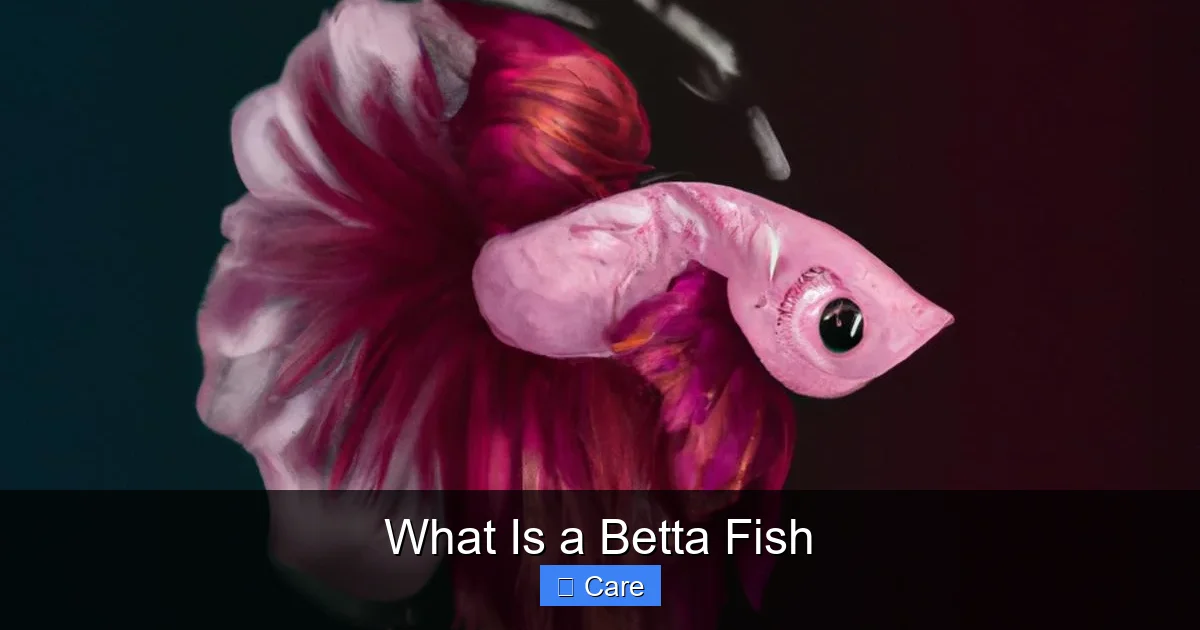
Visual guide about What Is a Betta Fish
Image source: infoanimales.net
A Spectrum of Color: How Bettas Get Their Hue
Wild bettas are typically a drab olive green or brown with short, plain fins. The jewel-toned fish we know today are the result of intense selective breeding. Their colors come from layers of pigment cells (chromatophores) in their skin. The main layers are:
- Red (Erythrophores): The deepest layer, responsible for reds and oranges.
- Black (Melanophores): Provides black patterns and can overlay other colors.
- Yellow (Xanthophores): Found in yellows and some metallic shades.
- Iridophores (Blue/Green): Crystalline cells that refract light, creating shimmering blues, greens, and metallic effects. The famous “blue” betta is often an iridescent structural color, not a blue pigment, which can shift with lighting.
Popular color patterns include the solid “mustard gas” (blue body with red fins), the multicolored “multicolor” or “paint” betta, and the mesmerizing “marble” pattern, which can change over the fish’s lifetime due to genetic factors.
The Art of Fins: From Veil Tail to Halfmoon
Fin type is equally varied and a major point of pride for breeders. The “ideal” for many enthusiasts is the Halfmoon (HM), where the male’s caudal (tail) fin spreads a full 180 degrees like a semicircle when flared. Other common types include:
- Veil Tail (VT): The most common type in pet stores. Long, flowing fins that droop gracefully like a veil.
- Double Tail (DT): Has two distinct caudal peduncles (tail bases), giving the appearance of two tails.
- Crown Tail (CT): Features a spiky, crown-like appearance with extended rays between the webbing.
- Half-Sun: A cross between a Halfmoon and a Crowntail, with a 180-degree spread and spiky edges.
- Plakat (PK): The “original” short-finned form, more muscular and active, with a much larger, more aggressive reputation.
Important Note: Female bettas have much shorter fins naturally and are less commonly sold as “fancy” varieties, though selective breeding is changing this. They also tend to be less aggressively flared than males.
Setting the Record Straight: The Essential Betta Fish Tank
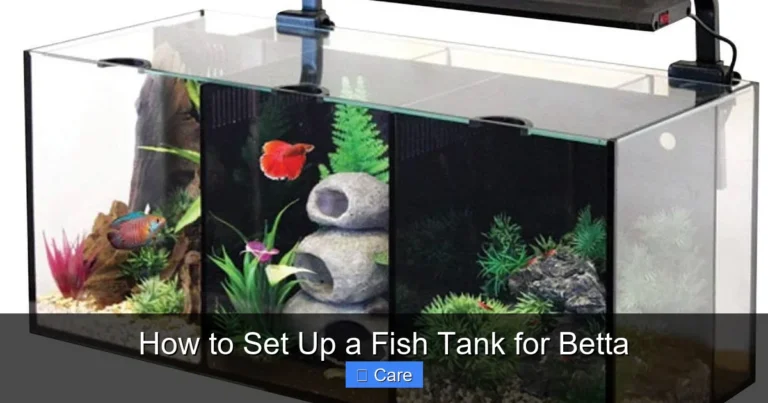
This is the single most critical section for any new or prospective betta fish owner. The persistent myth that bettas can live happily in a small vase or bowl is not only incorrect but is a primary cause of suffering and premature death. Let’s build the proper home from the ground up.
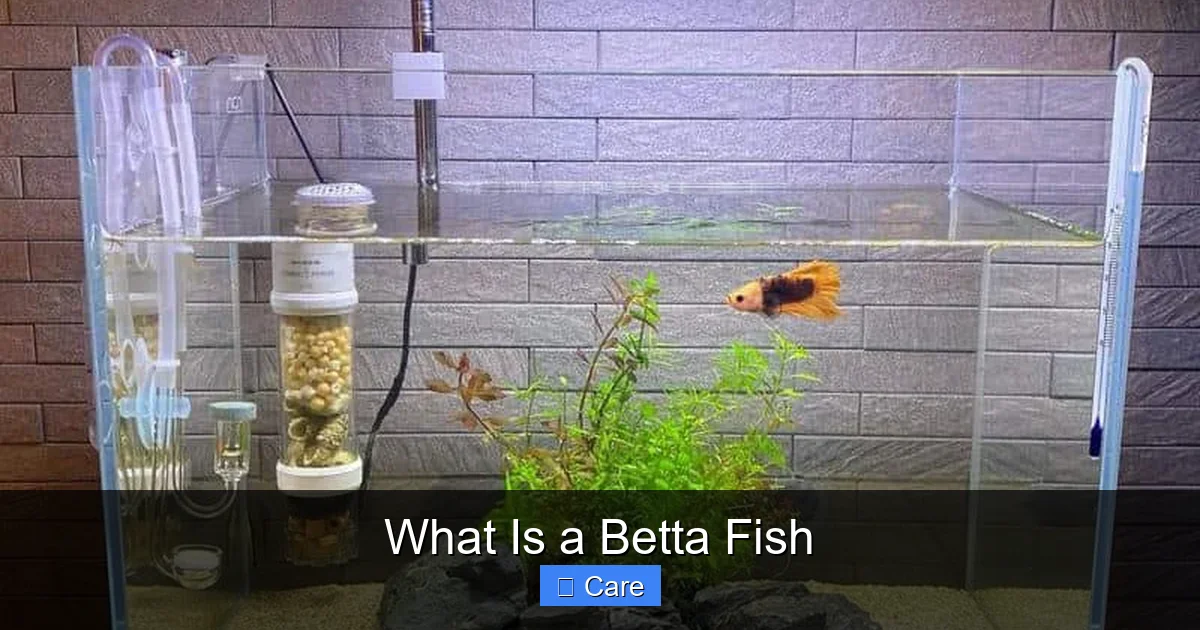
Visual guide about What Is a Betta Fish
Image source: acaquarium.com
Tank Size: Bigger is Absolutely Better
The absolute minimum tank size for a single betta is 5 gallons (19 liters). A 10-gallon tank is even better and provides a much more stable environment. Why is this non-negotiable?
- Water Volume & Stability: Larger volumes of water dilute toxins (like ammonia from fish waste) more effectively and resist drastic temperature and pH swings. A one-gallon bowl can become a toxic soup within days.
- Swimming Space: Bettas are active, curious fish. They need room to explore, display, and establish a territory. A small container offers no enrichment and causes stress.
- Heater & Filter Compatibility: Proper equipment requires space to function safely and effectively.
The Non-Negotiables: Heater, Filter, and Dechlorinator
Three pieces of equipment are absolutely essential for a healthy betta:
- Adjustable Aquarium Heater: Bettas are tropical fish and require a constant water temperature between 76-82°F (24-28°C). A small, reliable heater with a thermostat is mandatory. Cold water slows their metabolism, suppresses their immune system, and leads to diseases like dropsy.
- Gentle Filter: A filter is crucial for cycling the tank (establishing beneficial bacteria that process waste) and maintaining water quality. Bettas prefer low flow due to their long fins. Look for filters with adjustable flow settings, sponge filters (which are excellent and gentle), or hang-on-back filters you can baffle with a sponge.
- Water Conditioner/Dechlorinator: Tap water contains chlorine and chloramines, which are lethal to fish. You must treat every bucket of new water with a quality dechlorinator before it touches your fish or tank.
Decor and Enrichment: Making a House a Home
A bare tank is a stressful tank. Bettas are intelligent and need stimulation. Provide:
- Hiding Spots: Caves, PVC pipes, or ceramic pots (ensure no sharp edges). This gives them security.
- Plants (Real or Silk): Live plants are fantastic for water quality and provide natural texture. If using silk, ensure they are truly soft and not plastic, which can tear delicate fins. Floating plants like frogbit or water lettuce are excellent as bettas love to rest near the surface.
- Smooth Substrate: Sand or fine, rounded gravel is best. Avoid sharp gravel that can damage their fins as they rest on the bottom.
Avoid: Mirrors (can cause chronic stress from constant flaring), aggressive or fin-nipping tank mates, and gravel that is too coarse.
The Betta Diet: Feeding Your Fish for Vibrant Health
You are what you eat, and this is profoundly true for the betta fish. They are strict carnivores, not plant-eaters. Their wild diet consists mainly of insects, insect larvae (like mosquito larvae), and small crustaceans. Feeding them flakes or “vegetable-based” foods is a path to malnutrition, constipation, and swim bladder issues.
Building the Perfect Meal Plan
A high-quality diet should be varied and protein-packed. Here is a recommended feeding regimen:
- Staple: A high-quality betta-specific pellet or granule. Look for brands where the first few ingredients are whole fish or shrimp meal, not fillers like wheat or soy. Feed 2-3 pellets once or twice a day.
- Treats (2-3 times a week): Supplement with frozen or freeze-dried foods. Excellent options include brine shrimp, daphnia, bloodworms, and mysis shrimp. These are nutrient-dense and help mimic a natural diet. Soak freeze-dried foods in tank water first to prevent digestive upset.
- Fasting: It is beneficial to fast your betta for one full day per week. This gives their digestive system a rest and can help prevent constipation.
Feeding Pitfalls to Avoid
Overfeeding is the #1 cause of water quality problems and health issues in bettas. Their stomachs are roughly the size of their eye.
- Rule of Thumb: Feed only what they can consume in 2-3 minutes. Any uneaten food must be immediately siphoned out with a gravel vacuum.
- Never use the “feed until they stop eating” method.
- Constipation appears as a bloated abdomen and difficulty swimming. Treat with a couple of days of fasting and then feeding a small amount of a deshelled, cooked pea (though this is plant-based and only a temporary laxative).
Health & Wellness: Recognizing and Preventing Common Issues
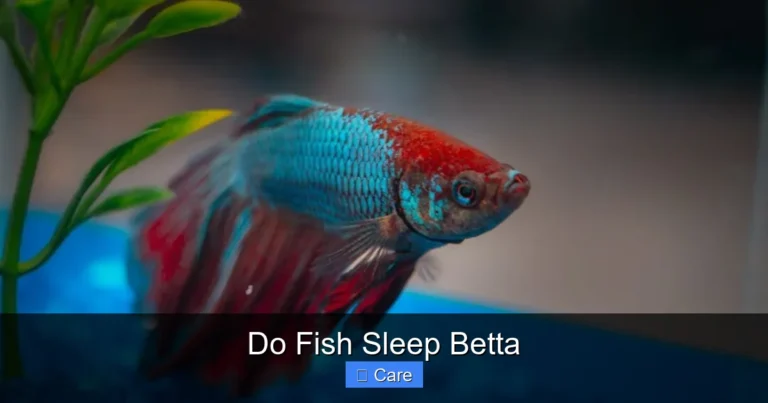
A healthy betta is an active, curious fish with vivid color, undamaged fins, and clear eyes. They will greet you at the glass and flare (puff up their gills and spread their fins) when stimulated. Changes in behavior or appearance are often the first sign of illness. Prevention through pristine water quality and proper nutrition is 90% of the battle.
The Cardinal Rule: Water Quality is Everything
Most betta illnesses are directly linked to poor water conditions. Ammonia and nitrite poisoning, even at low levels, are insidious. You must:
- Cycle Your Tank: Before adding a betta, you must establish a nitrogen cycle using a filter. This process (taking 4-6 weeks) grows beneficial bacteria that convert toxic fish waste. Use a liquid test kit to monitor ammonia, nitrite, and nitrate.
- Perform Regular Water Changes: In a properly cycled 5+ gallon tank with a filter, change 25-50% of the water weekly. Use a gravel vacuum to clean the substrate and remove debris. Always match the temperature of the new water to the tank and treat with dechlorinator.
- Never completely strip and clean the tank, as this destroys the beneficial bacteria colony.
Common Ailments and Their First Aid
Know these signs:
- Fin Rot: Fins appear torn, ragged, frayed, or have a white/black/milky edge. Caused by bacteria in poor water. Treatment: Improve water quality immediately. Consider a mild antibacterial treatment like kanamycin or a dedicated fin rot remedy.
- Ich (White Spot Disease): Tiny white salt-like grains on the body and fins. Fish will scratch on objects. Caused by a parasite. Treatment: Raise tank temperature slowly to 82-84°F and use a copper-based or formalin-based medication.
- Swim Bladder Disorder: Fish floats upside down, sinks, or swims erratically. Usually caused by overfeeding, constipation, or poor water quality. Treatment: Fast for 3 days, then feed a deshelled pea. Ensure water quality is pristine.
- Dropsy: Severe swelling of the body (pinecone-like scales). A symptom of internal organ failure, often from severe bacterial infection. Prognosis is poor. Euthanasia is often the kindest option.
Always quarantine new fish in a separate hospital tank before introducing them to your main display tank to prevent introducing disease.
Betta Behavior: Understanding Your Fish’s Personality
Beyond their beauty, bettas have distinct personalities that emerge in a proper environment. They are curious, intelligent, and can learn to recognize their caretaker.
The Flare: It’s Not Always Anger
The iconic betta “flare”—where they puff out their gill covers (operculum) and spread all fins to appear larger—is a natural behavior. While it is a display of aggression toward a perceived rival (another male betta, their own reflection), it can also be triggered by:
- A female betta (for courtship)
- A sudden change in the environment
- Excitement or curiosity (some will flare at a new toy or your finger)
Chronic, stress-induced flaring (e.g., from seeing their reflection constantly in a small, plain tank) is harmful. Provide a varied tankscape to break up reflections and minimize constant triggers.
Bubble Nests: A Sign of Health and Instinct
Male bettas (and sometimes females) will build clusters of bubbles at the water’s surface, held together by saliva. This is a bubble nest, an instinctual preparation for breeding. The male collects eggs and fry (babies) in it after spawning. A betta building a bubble nest is a sign of good health and contentment. Do not destroy it. It is not “messy”; it’s a compliment to your water conditions. If your female is also building one, it’s normal behavior.
Interaction and Enrichment
Bettas can be trained! Use a target (like a clean chopstick with a suction cup) to teach them to follow it. They will often “play” with a ping-pong ball placed on the water’s surface. Providing a varied environment with plants to rest on, caves to explore, and occasional changes in decor (move things around) provides crucial mental stimulation and prevents boredom.
Conclusion: A Lifelong Commitment to a Remarkable Fish
So, what is a betta fish? It is a resilient yet delicate masterpiece of evolution, a living work of art with a fierce history and a surprisingly complex, engaging personality. It is not a disposable ornament for a cup, but a sentient being with specific requirements for a long, healthy life. By providing a spacious, heated, filtered tank; a high-protein diet; and clean, stable water, you unlock the full potential of your betta. You will witness a spectrum of behaviors—from lazy afternoon rests on a broad leaf to curious explorations and proud displays of flaring. The vibrant colors you see are not just for show; they are a direct reflection of their well-being. Choosing a betta is a commitment of 3-5 years of dedicated care. In return, you gain a captivating companion that brings a stunning splash of life and color into your world, one graceful fin-swish at a time.
Frequently Asked Questions
How long do betta fish live?
With proper care in a suitable tank, a betta fish typically lives 3-5 years, though some can live up to 7-10 years. Their lifespan is drastically shortened when kept in poor conditions like small, unheated bowls.
Can betta fish live with other fish?
Male bettas are highly territorial and aggressive toward other male bettas and often fish with long, flowing fins (like guppies). They can sometimes coexist with certain fast, schooling, non-aggressive community fish like neon tetras, ember tetras, or corydoras catfish in a well-placed, heavily planted 10+ gallon tank, but it requires careful research and monitoring. Female bettas can sometimes be kept in sorority tanks (5+ females) with careful setup. Always have a backup plan.
Why is my betta fish not eating?
A loss of appetite is a common sign of stress or illness. First, check your water parameters (ammonia, nitrite, nitrate) and temperature. Ensure you are offering appropriate food (high-protein pellets, frozen foods). Try fasting for 24-48 hours, then offer a tempting treat like a small piece of frozen brine shrimp. Persistent anorexia is a serious red flag requiring investigation of water quality and potential disease.
How often should I clean my betta’s tank?
In a properly cycled and filtered 5+ gallon tank, you should perform a partial water change of 25-50% once a week. Use a gravel vacuum to clean the substrate and remove uneaten food and debris. Never clean all the filter media at once; rinse it in old tank water (not tap water) to preserve beneficial bacteria.
Do betta fish need a light?
Yes, but not intense, constant light. Bettas need a clear day/night cycle. Provide 8-10 hours of moderate light per day, mimicking natural daylight. Use an outlet timer for consistency. Too much light can cause algae blooms and stress. Ensure there are shaded areas using plants or decor.
My betta’s fins are torn or frayed. What’s wrong?
Torn or ragged fins are most commonly caused by fin rot, a bacterial infection that takes hold in poor water quality. It can start from physical damage (snagging on decor) or stress. Immediately improve water quality with more frequent water changes. Check for sharp edges on any decorations. For moderate to severe cases, a gentle antibacterial treatment specifically for fin rot may be necessary. Early intervention is key.