Which Is Better Cod Liver Oil or Fish Oil
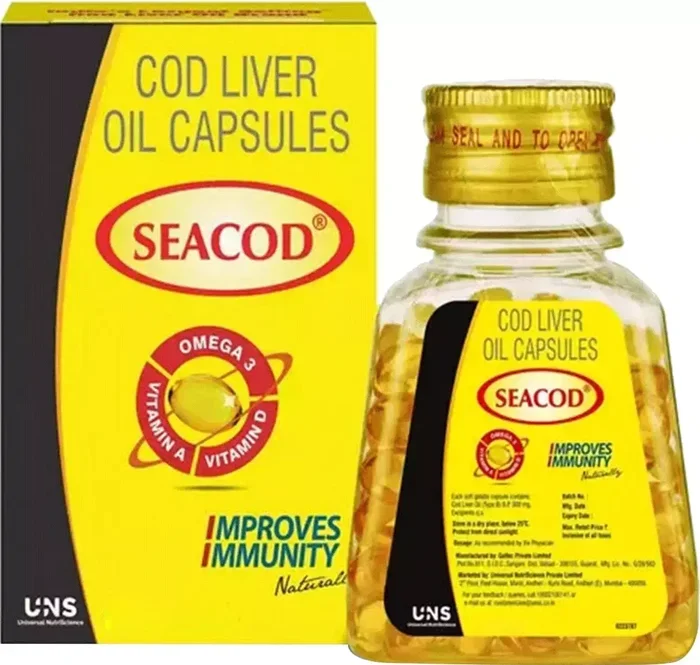
Cod liver oil and fish oil are both popular omega-3 supplements, but they differ in key ways. Cod liver oil naturally contains vitamins A and D, while fish oil is a purer source of EPA and DHA. Choosing between them depends on your specific health needs, diet, and supplement goals.
When it comes to picking the right omega-3 supplement, the debate between cod liver oil and fish oil comes up a lot. Many people wonder which one will give them the best results. The truth is, both have real benefits. But they are not the same thing. Understanding the differences helps you make a smarter choice for your health.
Cod liver oil comes from the liver of cod fish. It has been used for generations as a traditional remedy. Fish oil, on the other hand, is extracted from the tissue of fatty fish like salmon, sardines, and anchovies. Each one brings something unique to the table. In this guide, we break down everything you need to know to decide which is better for you.
If you have ever stood in a supplement aisle feeling confused, you are not alone. The choices are endless. But once you understand what each oil offers, the decision gets much simpler. Let us dive in.
Key Takeaways
- Cod liver oil adds vitamins A and D: This makes it a great choice if you need these nutrients too.
- Fish oil is purer for omega-3s: It delivers concentrated EPA and DHA without extra vitamins.
- Dosage matters: Too much cod liver oil can lead to vitamin A toxicity.
- Both support heart and brain health: Omega-3s from either source offer strong cardiovascular benefits.
- Side effects differ: Fish oil may cause fishy burps, while cod liver oil can interact with blood thinners due to vitamin A.
- Quality counts: Always choose third-party tested supplements for purity and potency.
📑 Table of Contents
What Is Cod Liver Oil?
Cod liver oil is a natural oil taken from the liver of Atlantic cod. It has been a staple in Scandinavian countries for centuries. People have used it for generations to stay healthy during long, dark winters.
Nutritional Profile of Cod Liver Oil
What makes cod liver oil special is its unique nutrient combo. It contains omega-3 fatty acids, just like fish oil. But it also delivers two important fat-soluble vitamins:
- Vitamin A: Supports eye health, immune function, and skin health.
- Vitamin D: Promotes strong bones, mood regulation, and immune defense.
- EPA and DHA: The two most important omega-3 fatty acids for heart and brain health.
One tablespoon of cod liver oil typically provides about 4,000 to 5,000 IU of vitamin A and 400 to 1,000 IU of vitamin D. The omega-3 content varies by brand, but it usually falls around 1,000 to 1,500 mg per serving.
Common Uses for Cod Liver Oil
People take cod liver oil for a variety of reasons. It is a popular choice for those who want to support their joints, improve dry skin, or boost their immune system. Because it contains vitamin D, it is especially helpful for people who do not get much sunlight. Many parents also give it to children to support growth and development.
What Is Fish Oil?
Fish oil is one of the most widely used supplements in the world. It is made from the tissue of oily fish such as mackerel, herring, tuna, and anchovies. Unlike cod liver oil, fish oil does not come from the liver. It is extracted directly from the fish flesh.
Nutritional Profile of Fish Oil
Fish oil is prized for its high concentration of omega-3 fatty acids. Here is what you typically get per serving:
- EPA (Eicosapentaenoic Acid): Helps reduce inflammation and supports heart health.
- DHA (Docosahexaenoic Acid): Critical for brain function, eye health, and fetal development.
Fish oil capsules usually contain around 300 to 500 mg of combined EPA and DHA per softgel. Some high-concentration formulas go even higher. Unlike cod liver oil, standard fish oil does not contain significant amounts of vitamins A or D.
Common Uses for Fish Oil
Fish oil is widely studied for its effects on heart health, cholesterol levels, and inflammation. Many people take it to lower triglycerides, reduce joint pain, or support mental clarity. Athletes also use it for recovery and reducing exercise-induced inflammation. It is one of the most well-researched supplements available today.
Cod Liver Oil vs Fish Oil: Head-to-Head Comparison
Now let us get to the real question: which one is better? The answer depends on what you are looking for. Let us compare them side by side.
Nutritional Comparison
The biggest difference between the two oils comes down to what else they contain. Cod liver oil adds vitamins A and D into the mix. Fish oil gives you a more concentrated dose of omega-3s without the extra vitamins.
| Feature | Cod Liver Oil | Fish Oil |
|---|---|---|
| Omega-3 (EPA + DHA) | Moderate | High |
| Vitamin A | Yes (high amounts) | No |
| Vitamin D | Yes (moderate amounts) | No |
| Calories per serving | Low | Low |
| Purity concerns | Lower risk of heavy metals | Varies by brand |
| Taste | Stronger, more fishy | Milder (varies) |
As you can see, both oils have their strengths. Cod liver oil gives you more bang for your buck in terms of added nutrients. Fish oil delivers a stronger omega-3 punch per serving.
Which One Has Better Omega-3 Content?
If your main goal is getting more EPA and DHA, fish oil generally wins. It offers higher concentrations of these essential fatty acids per serving. If you want to learn more about how fish oil stacks up against other omega-3 sources, check out our guide on which is better fish oil or omega 3 for a deeper dive.
That said, cod liver oil still provides meaningful amounts of omega-3s. For many people, it is more than enough. The key is to look at the label and compare EPA and DHA amounts directly.
Which One Is Better for Specific Health Goals?
For heart health, both oils show strong benefits. Studies show that omega-3s help reduce triglycerides, lower blood pressure, and decrease the risk of heart disease. Fish oil has been studied more extensively in this area due to its higher EPA and DHA content.
For bone health, cod liver oil has an edge because of its vitamin D content. Vitamin D is essential for calcium absorption and bone strength. If you are deficient in vitamin D, adding cod liver oil to your routine can make a real difference.
For immune support, both oils help. The omega-3s in each reduce chronic inflammation, which is a major driver of immune dysfunction. Cod liver oil adds an extra layer of support through vitamins A and D.
For brain health and mood, DHA is the star player. Since fish oil typically contains more DHA, it may offer a slight advantage here. However, cod liver oil still provides enough DHA to be beneficial.
Side Effects and Safety Considerations
Both oils are generally safe for most people when taken as directed. But they do come with some things to watch out for.
Cod Liver Oil Side Effects
The main concern with cod liver oil is vitamin A toxicity. Because it contains high levels of vitamin A, taking too much over time can be harmful. Symptoms of vitamin A toxicity include headaches, dizziness, nausea, and even liver damage in severe cases.
Another consideration is that vitamin K-dependent blood thinners may interact with cod liver oil. If you take blood thinners or have a bleeding disorder, talk to your doctor before adding cod liver oil to your routine. The vitamin A content can also be a concern during pregnancy, so pregnant women should be especially careful with dosing.
Fish Oil Side Effects
Fish oil is well tolerated by most people. The most common complaint is fishy aftertaste or burps. This is not dangerous, but it can be unpleasant. Enteric-coated capsules can help with this problem. Some people also experience mild digestive issues like nausea or diarrhea, especially when starting out.
Fish oil can also thin the blood slightly, so people on anticoagulant medications should consult their healthcare provider first. Overall, fish oil has a strong safety profile when used correctly.
How to Choose a Quality Supplement
Not all supplements are created equal. When shopping for either oil, look for these quality markers:
- Third-party testing: Choose brands that test for heavy metals, PCBs, and oxidation.
- IFOS certification: The International Fish Oil Standards program ensures purity and potency.
- Freshness: Check the expiration date and look for oils that are antioxidant-protected.
- EPA and DHA amounts: Focus on the actual amounts per serving, not just the total fish oil quantity.
Quality matters more than the specific type of oil. A high-quality fish oil will outperform a low-quality cod liver oil every time.
Which One Should You Choose?
So, which is better cod liver oil or fish oil? The honest answer is: it depends on your needs.
Choose cod liver oil if:
- You need extra vitamin D, especially during winter months.
- You want a natural source of vitamin A.
- You prefer a whole-food supplement with multiple nutrients.
- You are not already getting enough vitamins A and D from your diet.
Choose fish oil if:
- Your main goal is getting a high dose of EPA and DHA.
- You already get enough vitamins A and D from food or other supplements.
- You want to support heart health or reduce inflammation specifically.
- You prefer a simpler supplement without extra vitamins.
Some people actually take both. They use cod liver oil for its vitamin content and fish oil for its concentrated omega-3s. This approach can work well, but you need to be mindful of total vitamin A intake to stay safe.
For those curious about how cod liver oil compares to other natural oils, you might find our article on which is better cod liver or fish oil helpful for a broader perspective.
How to Take Either Oil for Best Results
No matter which oil you choose, how you take it matters. Here are some practical tips:
- Take it with food: Both oils absorb better when consumed with a meal that contains some fat. This also reduces the chance of fishy burps.
- Store properly: Keep your oil in a cool, dark place. Some people refrigerate it to maintain freshness and reduce oxidation.
- Start with a lower dose: Begin with a small amount and gradually increase. This helps your body adjust and minimizes digestive discomfort.
- Be consistent: The benefits of omega-3s build over time. Taking your supplement daily is more important than taking a large dose occasionally.
If you are considering switching from fish oil to another type of oil supplement, our comparison on which is better fish oil or krill might help you explore your options further.
Final Thoughts
The debate between cod liver oil and fish oil does not have a one-size-fits-all answer. Both oils are excellent sources of omega-3 fatty acids. Both offer real health benefits backed by science. The best choice comes down to your personal health goals, nutritional needs, and preferences.
Cod liver oil is the better pick if you want a multi-nutrient supplement that delivers omega-3s plus vitamins A and D. Fish oil is the winner if you want a concentrated, high-potency omega-3 source without extra vitamins.
Whichever you choose, make sure it is a high-quality product from a reputable brand. Your health is worth the investment. Start with a moderate dose, pay attention to how your body responds, and adjust as needed. You will be on your way to reaping the benefits of omega-3s in no time.
Frequently Asked Questions
Can I take cod liver oil and fish oil together?
Yes, you can take both, but you need to be careful about total vitamin A intake. Combining them may provide a broader range of nutrients, but it also increases the risk of exceeding safe vitamin A levels. Talk to your healthcare provider to find the right balance for your needs.
Is cod liver oil better than fish oil for inflammation?
Both oils reduce inflammation through their omega-3 content. Fish oil may have a slight edge because it typically contains higher EPA and DHA levels, which are the most potent anti-inflammatory compounds. However, cod liver oil still provides meaningful anti-inflammatory benefits.
Which oil is better for children?
Cod liver oil is often recommended for children because it provides vitamins A and D, which are crucial for growing bodies. However, dosing should be carefully monitored. Always consult a pediatrician before giving either oil to children.
Does cod liver oil taste worse than fish oil?
Cod liver oil tends to have a stronger, more pungent fishy taste compared to regular fish oil. Many brands offer flavored versions or enteric-coated capsules to make it more palatable. Fish oil also comes in flavored options, so taste does not have to be a dealbreaker for either.
Can I get the same benefits from eating fish instead of taking supplements?
Eating fatty fish like salmon, mackerel, and sardines two to three times a week can provide similar omega-3 benefits. However, supplements offer a more consistent and concentrated dose. If you do not eat fish regularly, supplements are an excellent way to fill the gap.
How long does it take to see results from either oil?
Most people start noticing benefits within four to eight weeks of consistent daily use. Some effects, like improved mood or reduced joint pain, may take longer. The key is to be patient and stick with it. Omega-3s work gradually as they build up in your body.