Can 2 Betta Fish Live in the Same Tank

So, can 2 betta fish live in the same tank? The short answer is: it depends. Male bettas are territorial and usually cannot share a tank. However, female bettas sometimes can under the right setup. In this guide, we break down everything you need to know about keeping two betta fish together, from tank size to aggression management and compatible tank mates.
So you want to know can 2 betta fish live in the same tank? It is one of the most common questions new fish keepers ask. The answer is not as simple as a yes or no. A lot depends on the gender of your fish, the tank setup, and your fish’s personality.
Betta fish are beautiful, colorful, and full of personality. They are also known as fighting fish for a reason. Males are especially territorial and will flare their fins and attack other males. But does that mean you can never keep two bettas in one tank? Not necessarily.
In this guide, we will walk you through everything you need to know. We will cover male vs. female setups, tank size requirements, signs of aggression, and practical tips to keep your fish safe. Whether you are a beginner or a seasoned hobbyist, this article has you covered.
Key Takeaways
- Male bettas cannot live together: Two male bettas will fight and can seriously harm or kill each other.
- Female bettas may coexist: A group of 4-6 females in a large tank can sometimes form a peaceful sorority.
- Tank size matters a lot: You need at least 10 gallons for any chance of success with multiple bettas.
- Tank dividers are a safe option: They let two bettas share one tank without direct contact.
- Watch for aggression signs: Flaring, chasing, and fin nipping mean the setup is not working.
- Always have a backup plan: Be ready to separate fish if fighting occurs.
📑 Table of Contents
Can 2 Betta Fish Live in the Same Tank? It Depends on Gender
The gender of your bettas is the single biggest factor. Two males will almost always fight. Two females sometimes can live together. And a male and female? That comes with its own set of challenges.
Two Male Betta Fish Together
Let us start with the hard truth. Two male bettas should never share a tank. They will fight to the death. Even if you put a clear divider between them, they will still flare and stress each other out. This causes health problems and shortens their lifespan.
Male bettas defend their territory fiercely. In the wild, they claim small spaces in rice paddies and slow-moving streams. When another male enters that space, they see it as a life-or-death threat. Your aquarium is no different.
If you want two male bettas, the only safe option is to give each one their own separate tank. A tank divider can attach to a larger aquarium, giving each fish its own space while sharing the same water and equipment.
Two Female Betta Fish Together
Female bettas are less aggressive than males, but they can still fight. A group of females can sometimes live together in what is called a betta sorority tank. This works best with 4 to 6 females in a tank of at least 10 gallons.
The idea is that no single fish can claim the whole tank as territory. The aggression gets spread out. But this setup is not foolproof. Some females are just too dominant and will bully the others.
You also need plenty of hiding spots. Plants, caves, and decorations break up lines of sight and give shy fish a place to retreat. Live aquarium plants work especially well for this.
One Male and One Female Betta
A male and female betta together is risky. You might think it is a good idea for a breeding pair, but it is not always peaceful. The male may chase and nip at the female. This is especially true outside of breeding seasons.
If you want to try a male-female pair, you need a large tank with lots of hiding places. Watch them closely for the first few days. At the first sign of serious aggression, separate them immediately.
Why Can Two Betta Fish Not Always Share a Tank
Understanding why bettas fight helps you make better decisions. Betta fish were bred for centuries in Southeast Asia for their aggressive behavior. People even used to put them in battles, much like rooster fights.
Territorial Behavior
Betta fish are naturally territorial. A male betta will claim a spot and defend it against anything that looks similar. Another betta fish looks like a rival, so it becomes a target.
Even in a large tank, two males may see each other in every corner. The stress of constant exposure weakens their immune systems. Stressed fish get sick more easily and may stop eating.
Fin Nipping and Damage
When bettas fight, they flare their gills and spread their fins. They may bite each other’s fins and tails. This causes torn fins and open wounds. Infected wounds can become life-threatening if not treated.
Even if the fight does not cause physical harm, the constant stress takes a toll. A stressed betta may develop fin rot, lose its color, or become lethargic.
Tank Size and Setup for Multiple Bettas
If you are set on keeping two bettas together, your tank setup makes all the difference. A tiny bowl is never the right choice. You need enough space to reduce tension and create separate territories.
Minimum Tank Size
For a single betta, a 5-gallon tank is the minimum. For two bettas, you need at least 10 gallons. More space is always better. A 20-gallon tank gives fish room to establish separate areas and reduces conflict.
Here is a quick look at tank size recommendations:
- 1 betta fish: 5 gallons minimum
- 2 female bettas (sorority): 10 gallons minimum
- 2 male bettas (divider): 10 gallons minimum for the full tank
- Male and female pair: 15-20 gallons with heavy planting
Plants and Decorations
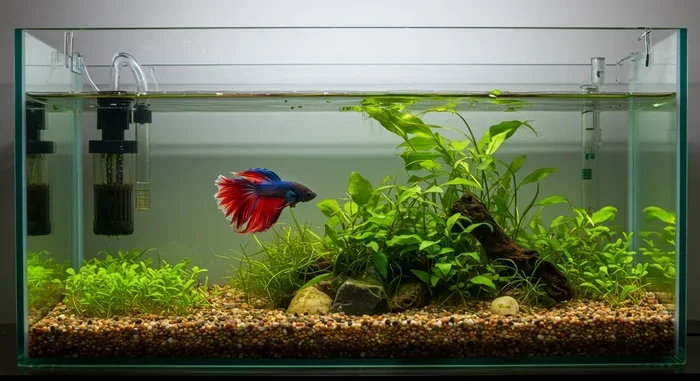
Plants are your best friend when keeping multiple bettas. They break up sight lines and create natural barriers. Your fish cannot see each other all the time, which reduces stress.
Use a mix of tall background plants and short foreground plants. Floating plants like frogbit or water lettuce add extra cover. Driftwood and rock caves also give fish places to hide and claim as their own.
Can You Use a Tank Divider?
A tank divider is a mesh or plastic barrier that splits one aquarium into two sections. This lets two bettas share the same water and filtration system without ever touching each other.
Tank dividers work well for two males who you want to keep in the same room. Each fish gets its own space, and the divider prevents direct contact. The water stays clean and shared equipment saves you money.
However, fish on both sides can still see each other. Some bettas will flare at their reflection all day long. This can still cause stress over time. If you use a divider, place plants on each side to block the view as much as possible.
Signs Your Betta Setup Is Not Working
Even with the best setup, things can go wrong. You need to watch your fish every day and catch problems early. Here are the signs that two bettas are not getting along.
Constant Flaring
Occasional flaring is normal. But if your betta flares at another fish all day long, that is a red flag. Constant flaring exhausts the fish and raises cortisol levels. Over time, this leads to health decline.
Chasing and Nipping
If one fish chases another around the tank, something is wrong. The chased fish will hide and stop eating. The chaser may also bite fins. This behavior will not stop on its own. You need to separate the fish.
Loss of Color or Appetite
A stressed betta loses its vibrant colors. The fish may also stop eating or hide at the bottom of the tank. These are clear signs that the living situation is not healthy. Act fast before the fish gets sick.
Better Tank Mates for Your Betta
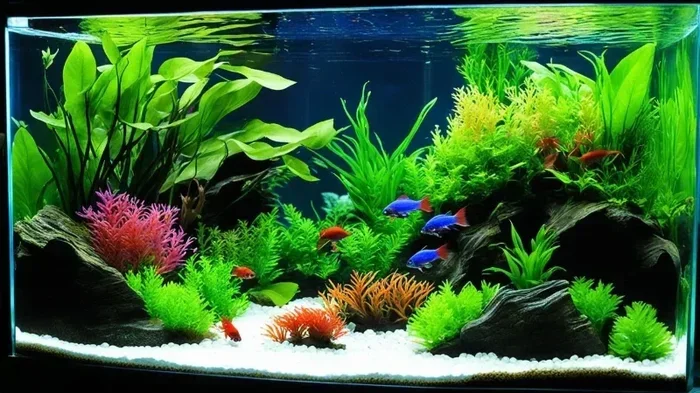
If you want a community tank, there are many better options than putting two bettas together. Peaceful tank mates can add life and color without the risk of fighting.
Good options include corydoras catfish, neon tetras, and mystery snails. These fish stay out of your betta’s way and do not trigger territorial behavior. Always research any new fish before adding it to your tank.
For more details on specific combinations, check out our guide on can guppies and betta fish live in the same tank. We also cover betta fish living together in a big tank in another article on our site.
Remember, every fish has its own personality. What works for one tank may not work for another. Observe your fish closely and be ready to adjust your setup as needed.
Final Thoughts
So, can 2 betta fish live in the same tank? The honest answer is that it is possible in some cases but not all. Two males should never share a tank. Two females might work with the right setup. And a male-female pair requires careful planning and constant monitoring.
Your fish’s health and safety should always come first. If you are unsure, give each betta its own tank. That is the safest and most responsible choice. A happy, healthy fish in its own space is always better than a stressed fish sharing a tank it cannot handle.
Start small, do your research, and enjoy the process. Betta fish are wonderful pets, and with the right care, they can bring years of joy to your home.
Frequently Asked Questions
Can two male betta fish ever live together?
No. Two male bettas should never share a tank without a physical divider. They will fight and can seriously injure or kill each other. Always keep males in separate tanks or use a reliable tank divider.
How many female bettas can live together?
A group of 4 to 6 female bettas can sometimes live together in a sorority tank of at least 10 gallons. More fish means the aggression is spread out. But even with females, you need plenty of hiding spots and close monitoring.
What is the smallest tank for two bettas?
The minimum tank size for two bettas is 10 gallons. A 5-gallon tank is only suitable for a single betta. Larger tanks reduce territorial stress and give fish room to establish their own areas.
Can a male and female betta live in the same tank long-term?
It is risky and not recommended for beginners. Male and female bettas may fight, especially outside of breeding. If you try this setup, use a large tank with lots of plants and hiding places, and be ready to separate them at any time.
Do betta fish get lonely on their own?
Betta fish do not need tank mates to be happy. They are solitary fish by nature. A single betta in a well-planted 5-gallon tank with regular feeding and clean water will live a full and healthy life.
What are the best tank mates for a betta fish?
Peaceful, small fish like corydoras catfish, neon tetras, and mystery snails make great betta tank mates. Avoid fish with bright colors or long fins, as bettas may see them as rivals. Always research compatibility before adding new fish.