Are There Betta Fish in the Wild
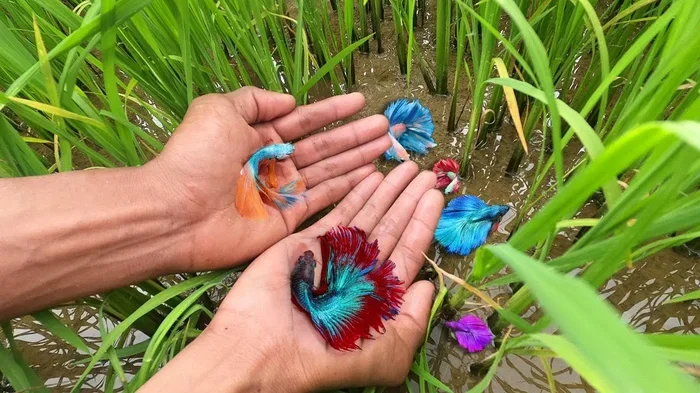
Yes, there are betta fish in the wild. These vibrant, resilient creatures thrive in shallow waters across Southeast Asia, from rice paddies to slow-moving streams. Understanding are there betta fish in the wild and how they survive helps us appreciate their incredible adaptability and why proper habitat protection matters.
If you have ever watched a betta fish flare its fins and thought, “Could this little warrior survive outside my tank?” you are not alone. Plenty of fish owners wonder about are there betta fish in the wild. The short answer is yes. Betta fish do live in the wild, and they have been doing so for hundreds of years. These colorful fighters call the warm, shallow waters of Southeast Asia home. They swim through rice paddies, drainage ditches, and slow-moving streams. But life in the wild is nothing like the cozy, heated tank you keep at home. Wild bettas face predators, shifting temperatures, and shrinking habitats every single day. Their ability to survive under these conditions is truly impressive. In this guide, we will explore everything about wild betta fish, from where they live to what threatens them. Let us dive in.
Key Takeaways
- Wild betta fish do exist: They live in shallow waters across Southeast Asia in environments like rice paddies, marshes, and streams.
- Wild bettas are survivors: They have remarkable adaptation skills that help them thrive in challenging outdoor conditions.
- Habitat loss is a major threat: Pollution, farming, and urban development are shrinking wild betta fish populations rapidly.
- Wild and aquarium bettas differ: Wild bettas are leaner, more colorful, and hardier than their domesticated cousins.
- You should not release pet bettas: Releasing aquarium bettas into the wild can harm local ecosystems and the fish themselves.
- Conservation matters: Supporting clean water and habitat protection helps ensure wild betta fish survive for generations to come.
📑 Table of Contents
Are There Really Betta Fish in the Wild?
So, are there betta fish in the wild? Absolutely. Betta fish, also known as Siamese fighting fish, were first discovered in the warm, tropical regions of Southeast Asia. Countries like Thailand, Cambodia, Vietnam, and Myanmar are home to thriving populations of these fish in their natural environment. For centuries, locals observed bettas fighting in puddles and rice fields. This is actually where the name “Siamese fighting fish” comes from. People would catch them and pit them against each other for entertainment. Over time, breeders began selecting the most aggressive and colorful fish to develop the aquarium bettas we know today. But the original wild betta fish looked and behaved very differently. They were leaner, tougher, and built for survival, not show. Even now, wild populations still exist in their betta fish natural habitat across the region. These are the true originals, and they are worth learning about.
The Story Behind Wild Bettas
Wild bettas were first documented in the mid-1800s by European explorers visiting Siam, which is now Thailand. These explorers were amazed by the fish’s bright colors and fierce behavior. They brought some back to Europe, and that is how the aquarium trade began. However, the fish that live in the wild today are still going strong in their native betta fish habitat. They have not disappeared. In fact, you can still find them outdoors in many parts of Southeast Asia if you know where to look. Their ability to survive in harsh conditions is part of what makes them so fascinating to study and observe.
Different Types of Wild Betta Species
There are actually many species of betta fish, not just the common Betta splendens that you see in pet stores. Over 70 species exist in the wild. Some of the most well-known include Betta splendens, Betta imbellis, and Betta mahachaiensis. Each species has its own unique color pattern and betta fish behavior. For example, Betta imbellis, also called the peaceful betta, is less aggressive than the common pet store variety. Betta mahachaiensis comes from the marshlands near Bangkok and has a beautiful steel-blue color. These wild species show incredible betta fish variety. They prove that the aquarium betta is just one small piece of a much larger and diverse family. Protecting these wild species is important for keeping this diversity alive.
Where Do Betta Fish Live in the Wild?
Understanding the betta fish habitat in the wild is key to appreciating these amazing creatures. Wild betta fish are not ocean dwellers. They prefer very specific types of water environments. You can find them in a surprisingly wide range of outdoor settings. If you ever visit Southeast Asia and wonder Where Are Betta Fish In The Wild, here is what you need to know.
Natural Habitats
Wild bettas love shallow, warm water. Their preferred betta fish environment includes rice paddies, slow-moving streams, drainage canals, marshes, and even temporary puddles formed by seasonal rains. These fish are incredibly adaptable. They can live in water that most other fish would not survive in. This ability is called betta fish adaptation. Here are some of the most common places you will find them outdoors:
- Rice paddies: These flooded fields offer plenty of hiding spots among the plants and roots. Bettas hunt for insects and small organisms here regularly.
- Slow-moving streams: Gentle currents allow them to conserve energy while waiting for betta fish food sources to come by.
- Drainage ditches: Even man-made waterways in rural areas can support wild betta populations quite well.
- Marshes and wetlands: These areas are rich in vegetation and provide excellent cover from betta fish predators.
- Temporary puddles: During the rainy season, bettas can survive in very small pools of water. They have a special organ called a labyrinth that helps them breathe air from the surface.
Water Conditions Outdoors
The betta fish water conditions in the wild are very different from a controlled aquarium. In nature, the water temperature can shift throughout the day. It might be warm and calm at noon and cool down at night. The pH level can also change depending on rainfall and surrounding soil. Wild bettas handle these fluctuations much better than their tank-raised cousins. They are used to dealing with betta fish temperature changes and less-than-perfect water quality. This does not mean you should skip water maintenance in your own tank. But it does show how tough these fish really are when it comes to surviving outdoors.
How Do Wild Betta Fish Survive?
Surviving in the wild is tough for any fish. Betta fish, however, have some amazing tricks up their sleeve. Their betta fish survival strategy depends on three main things: finding food, avoiding predators, and adapting to their surroundings. Let us break each one down.
Finding Food in the Wild
Wild bettas are opportunistic feeders. They eat whatever they can find in their betta fish ecosystem. Their diet includes insects, larvae, small crustaceans, and even plant matter. If you have ever wondered What Do Betta Fish Eat In The Wild, the answer is basically whatever is available. They are skilled hunters that use their keen eyesight to spot prey near the water surface. Here is a quick look at their main betta fish food sources:
- Insects: Mosquitoes, flies, and small bugs that fall on the water surface are a favorite meal.
- Larvae: Mosquito larvae and other insect larvae are packed with protein and easy to catch.
- Small crustaceans: Tiny shrimp and water fleas provide important nutrients for breeding and growth.
- Plant matter: Algae and small bits of plant material round out their diet in the wild.
Avoiding Predators
Life outdoors means dealing with danger at all times. Wild betta fish have many natural predators, including birds, larger fish, snakes, and even frogs. Their best defense is their incredible camouflage and fast reflexes. Males will flare their fins to look bigger and scare off threats. This is the famous fighting stance that made them popular in the first place. Their betta fish outdoors lifestyle requires constant alertness. They also use dense vegetation and muddy banks to hide quickly when danger approaches. Their betta fish behavior in the wild is far more cautious and alert than what you see in a tank.
Breeding in the Wild
Wild bettas breed during the warm, rainy season when water levels rise. Males build bubble nests at the water surface to protect their eggs. The female lays eggs, and the male carefully guards them until they hatch. This breeding strategy works well in their natural betta fish habitat. However, it is not always easy. Heavy rains can wash away nests, and predators are always looking for a meal. Despite these challenges, wild betta populations remain strong across their native range. Their ability to betta fish breed successfully in tough conditions is a big part of why they have survived for so long.
Wild Betta Fish vs Aquarium Betta Fish
You might be surprised at how different wild bettas are from the ones sold in pet stores. Years of selective breeding have changed the aquarium betta a lot. The betta fish in nature version is built for survival, while the tank-raised version is built for beauty. Here is a side-by-side comparison to show you the key differences.
| Feature | Wild Betta Fish | Aquarium Betta Fish |
|---|---|---|
| Body Shape | Lean, streamlined, muscular | Round, flowing, bulky fins |
| Colors | Muted greens, browns, dark blues | Bright reds, blues, purples, metallics |
| Fin Size | Small, practical for swimming fast | Large, dramatic, sometimes flowing |
| Lifespan | 3-5 years on average | 2-4 years with proper care |
| Temperament | Highly territorial and alert | Often less aggressive due to breeding |
| Food Sources | Live insects, larvae, crustaceans | Pellets, flakes, frozen foods |
| Survival Skills | Excellent; built for the wild | Poor; depends on owner care |
Why This Comparison Matters
Looking at this table, you can see that wild bettas are built for function over form. Their muted colors help them hide from betta fish predators. Their small fins let them swim quickly through dense vegetation. And their lean bodies are designed for endurance, not show. Aquarium bettas, on the other hand, are living art. Their big fins and bright colors are beautiful, but they can actually make swimming harder. This is why can betta fish survive in the wild is a real question for domesticated bettas. The answer is that most pet store bettas would not last long outdoors. They have lost many of the survival skills their wild cousins still have.
Threats to Wild Betta Fish Populations
Even though wild bettas are tough, they face serious challenges today. Their populations are declining in many areas. Understanding these threats is the first step toward helping. Betta fish conservation is an important topic that every fish lover should care about.
Habitat Loss
The biggest threat to wild betta fish is the loss of their natural homes. As cities grow and farmland expands, wetlands and streams are drained or filled in. Rice paddies are sometimes converted to other crops. Drainage ditches get paved over. All of this reduces the available betta fish habitat for wild populations. When their homes disappear, their numbers drop fast.
Pollution and Climate Change
Agricultural runoff, pesticides, and industrial waste pollute the waters where bettas live. These chemicals can harm the fish directly or destroy their food sources. Climate change also plays a role. Shifting weather patterns lead to more extreme droughts and floods. Unpredictable betta fish temperature changes can make it harder for them to breed and find food. Together, these factors create a tough environment for wild bettas to handle.
Overcollection
Some wild bettas are caught and sold in the international fish trade. While most pet bettas are now bred in captivity, there is still demand for rare wild species. Collecting fish from sensitive habitats can hurt local populations. This is why many countries now have rules about collecting and exporting wild bettas. Supporting responsible breeders helps reduce the pressure on wild populations.
Can You Keep a Wild Betta Fish as a Pet?
This is a question many fish enthusiasts ask. Can you actually keep a wild betta fish in your home tank? The answer is yes, but there are important things to consider. If you are thinking about Can Betta Fish Live In The Wild conditions inside your tank, you need to understand what these fish need. A wild betta has different needs compared to a standard pet store betta.
Things to Consider Before Getting a Wild Betta
- Tank size: Wild bettas are more active and need at least a 10-gallon tank to thrive. A 5-gallon tank is the bare minimum.
- Water temperature: They prefer warm water between 76-82°F. A reliable heater is a must.
- Hiding spots: Add plenty of plants, caves, and driftwood to mimic their natural betta fish habitat.
- Diet: Offer live or frozen foods to match their natural betta fish food sources. Pellets alone are not enough.
- Tank mates: Wild bettas are highly territorial. Keep them alone unless you have a very large, well-planted tank.
How Long Do Wild Betta Fish Live in Captivity?
If you keep a wild betta properly, it can live 4-6 years in your tank. This is often longer than pet store bettas because wild bettas are hardier and genetically diverse. If you are curious about their lifespan in their natural setting, you can learn more about How Long Do Betta Fish Live In The Wild. In the wild, their lifespan is usually shorter, around 3-5 years, because of the many risks they face daily. But in a well-maintained tank, they can really thrive and show off their natural colors and energy.
Key Takeaways
Let us wrap up the most important points about are there betta fish in the wild. Wild betta fish are real, resilient, and fascinating creatures. They live in shallow waters across Southeast Asia, eating insects, avoiding predators, and breeding during the rainy season. Their survival skills are impressive. However, they face growing threats from habitat loss, pollution, and overcollection. Keeping a wild betta as a pet is possible but requires proper setup and care. And most importantly, never release your pet betta into the wild. It does not help the fish or the environment. By learning about wild bettas, you become a more informed and responsible fish owner. That is a win for you and for the fish.
The next time someone asks you, “Are there betta fish in the wild?” you will have all the answers. These fish are survivors, and they deserve our respect and protection. Share what you have learned and help spread awareness about betta fish conservation. Every little bit helps.
Frequently Asked Questions
Are there really betta fish in the wild?
Yes, betta fish do live in the wild. They are found in shallow, warm waters across Southeast Asia, including rice paddies, streams, and marshes. Wild bettas have been living in these habitats for centuries and are very different from the pet store varieties we know today.
Where do wild betta fish live?
Wild betta fish live in countries like Thailand, Vietnam, Cambodia, and Myanmar. They prefer warm, shallow water with plenty of hiding spots. Their favorite spots include rice paddies, drainage ditches, slow-moving streams, and temporary pools formed during the rainy season.
How long do betta fish live in the wild?
In the wild, betta fish typically live 3-5 years. Their lifespan depends on water quality, food availability, and predator pressure. Captive wild bettas can sometimes live longer, up to 6 years, when kept in proper conditions with a good diet and clean water.
What do wild betta fish eat?
Wild bettas are opportunistic feeders. They eat insects, mosquito larvae, small crustaceans, and bits of plant matter found near the water surface. Their diet is rich in protein, which helps them maintain their vibrant colors and strong muscles in their natural environment.
Can a pet betta fish survive in the wild?
Most pet store bettas would not survive in the wild. They have been bred for appearance, not survival. They lack the camouflage, speed, and instinct that wild bettas have. Releasing a pet betta into the wild is also harmful to local ecosystems and is strongly discouraged by experts.
Is it okay to release a betta fish into the wild?
No, you should never release a betta fish into the wild. Pet bettas are not equipped to survive outdoors and can introduce diseases to native fish populations. Even wild-caught bettas should not be released outside their native habitat. Responsible fish ownership means keeping your pet safe and protecting local wildlife.