What Fishes Can Be with Betta Fish
Finding suitable tank mates for your betta fish requires careful research and patience. Betta splendens are famously territorial and aggressive, especially males, but with the right environment, tank size, and peaceful species introductions, a community tank can succeed. Success hinges on understanding your individual betta’s personality, providing ample space, and avoiding flashy or long-finned fish that trigger aggression. Always have a backup plan and observe interactions closely.
Key Takeaways
- Betta temperament varies: Each betta has a unique personality; some are bullies, others are more tolerant. Never assume all bettas will behave the same.
- Tank size is non-negotiable: A minimum of 10 gallons is strongly recommended for any community tank with a betta to provide enough territory and escape routes.
- Avoid similar-looking or flashy fish: Steer clear of fish with bright colors, long flowing fins (like guppies), or those that resemble another betta, as these are seen as rivals.
- Introduce the betta last: Add potential tank mates to the established community first, then introduce the betta. This prevents the betta from claiming the entire tank as its territory.
- Prioritize peaceful, schooling fish: The best candidates are fast-moving, non-aggressive schooling fish that can occupy different tank levels and stay out of the betta’s way.
- Provide abundant hiding spots: Use plants, rocks, driftwood, and caves to break lines of sight and give the betta and its tank mates places to retreat and establish their own spaces.
- Always have a contingency plan: Keep a separate “hospital” or backup tank ready. Be prepared to remove either the betta or the new fish at the first signs of persistent aggression or stress.
📑 Table of Contents
- Understanding Your Betta: The Grumpy (But Lovable) Neighbor
- The Golden Rules: Essential Criteria for Betta Tank Mates
- The Ideal Candidates: Peaceful & Practical Tank Mates
- The “No-Fly Zone”: Fish to Absolutely Avoid with Bettas
- The Step-by-Step: How to Introduce Tank Mates Successfully
- Troubleshooting & When to Call It Quits
Understanding Your Betta: The Grumpy (But Lovable) Neighbor
So, you’ve got that stunning betta fish, with its flowing fins and bold personality, gliding through its own little world. You look at that solo tank and think, “It must be lonely. Can’t I add some friends?” This is one of the most common questions in the aquarium hobby, and the answer is a careful, qualified maybe. The Siamese fighting fish, or Betta splendens, has an earned reputation. Centuries of selective breeding for aggression mean your pet betta is, by nature, a territorial and often solitary creature. Its famous flaring—gills puffed, fins spread—is a clear warning sign to intruders, real or perceived.
Thinking of a betta as a grumpy but loveable neighbor is a good analogy. It wants its own space, gets upset by noisy, flashy newcomers who look like they’re moving in on its turf, and needs room to breathe. But with the right approach—providing a spacious “neighborhood” (the tank) with plenty of privacy fences (plants and décor)—some specific, peaceful “neighbors” can coexist. The key is moving beyond the image of a betta in a tiny, lonely vase and embracing the reality of a well-planned community aquarium where the betta is just one, respected resident among many.
The Golden Rules: Essential Criteria for Betta Tank Mates
Before you even think about specific species, you must internalize the foundational rules that make cohabitation possible. These aren’t suggestions; they are the pillars of a successful, stress-free tank. Ignoring these will almost certainly lead to fin-nipping, constant chasing, injury, or death.
Visual guide about What Fishes Can Be with Betta Fish
Image source: coloringpages101.com
Rule #1: Tank Size is Everything
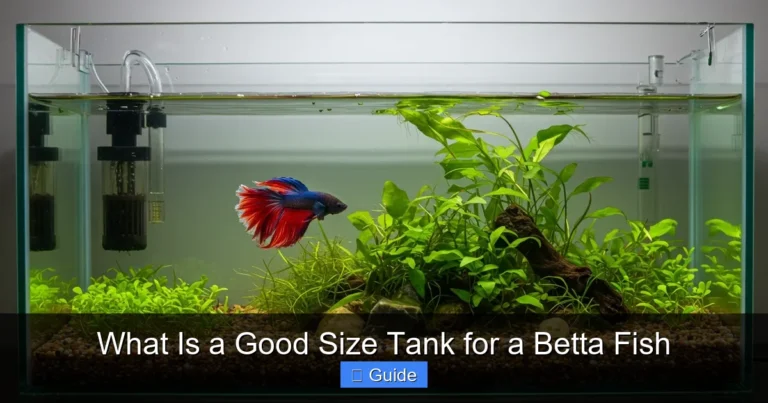
This cannot be stressed enough. The single biggest mistake is attempting a community tank in anything less than 10 gallons. A 5-gallon tank is the absolute bare minimum for a *solo* betta. For any tank mates, you need to exponentially increase that space. A 10-gallon tank is the starting point, but 20 gallons or more is vastly preferable and gives everyone a much better chance. Why? In a small tank, there is no “escape.” The betta sees every inch as its domain. A larger tank provides volume, dilutes the betta’s perceived territory, and allows for distinct zones where different fish can live without constant confrontation.
Rule #2: Personality Over Species
You will read lists of “safe” fish, and those lists are good starting points. However, your betta’s individual personality is the ultimate deciding factor. Some bettas are laid-back and barely notice other fish. Others are instant, relentless aggressors who will try to fight their reflection in the glass. The goal is to observe your betta in its current environment. Is it easily startled? Does it flare at your finger or a passing shadow? A highly reactive betta is a poor candidate for a community tank and may be best kept alone. A calm, curious betta that mostly ignores activity is a better prospect.
Rule #3: Habitat, Not Just Housemates
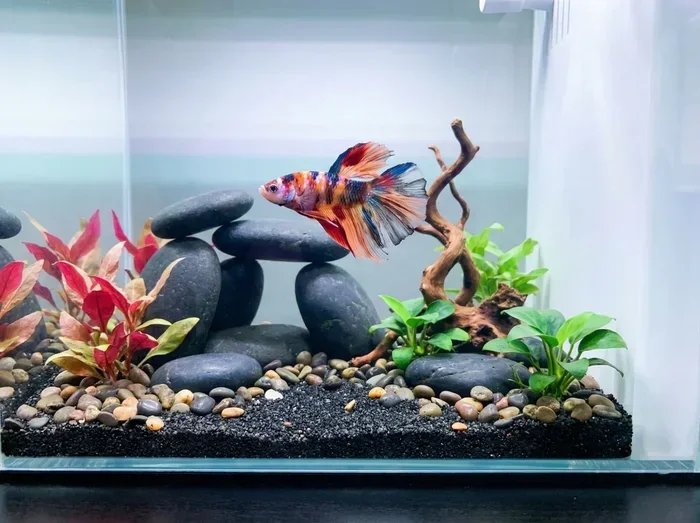
The tank’s physical setup is your primary tool for managing aggression. You must break the line of sight. Use a lush forest of live or silk plants (avoid plastic plants with rough edges). Add driftwood, rock caves, and ceramic pots. Create a complex underwater landscape with multiple nooks and crannies. This does two critical things: it prevents the betta from seeing a “target” fish constantly, and it provides safe havens for the smaller, more timid tank mates to dart into when the betta patrols. Think of it as building walls and alleys in a city, not an open field.
The Ideal Candidates: Peaceful & Practical Tank Mates
With the rules established, let’s meet the species that have the best track record. The ideal betta companion is: fast-moving (to evade a sudden lunge), non-aggressive (won’t fight back and escalate things), dull-colored (won’t trigger rivalry), and occupies a different tank level (lives at the top, middle, or bottom, not directly in the betta’s mid-level patrol zone).

Visual guide about What Fishes Can Be with Betta Fish
Image source: coloringpages101.com
Top Tier: The Schooling Shoals (Top & Mid-Level)
These are your best bets. A school of 6-10 small, active fish provides a mesmerizing distraction and is far less likely to be singled out than a lone fish.
- Neon Tetras & Other Small Tetras: The classic choice. Their iridescent blue stripe is arguably flashy, but their tiny size (1.5 inches), extreme speed, and strong schooling instinct make them excellent. They stay mostly in the middle to upper levels. Important: Always get a proper school of at least 6, preferably 10. A lone tetra is a stressed target.
- Harlequin Rasboras: Perhaps an even better choice than neons. They have a subtle orange/red patch (less rival-like than a betta’s colors) and are very active, peaceful shoalers that stay in the upper half of the tank. They are hardy and easy to care for.
- Ember Tetras: Tiny, fiery orange fish that are the definition of a peaceful, hyperactive school. Their small size and constant darting motion make them hard for a betta to focus on. They add a beautiful pop of color without threatening the betta.
- Celestial Pearl Danios (Galaxy Rasboras): These stunning, spotted fish are a bit more shy but absolutely beautiful. They are peaceful, prefer to school in open water mid-level, and their spotted pattern isn’t seen as a threat. They require slightly softer, cooler water, so ensure your betta’s parameters overlap.
Bottom Dwellers: The Essential Clean-Up Crew (Bottom Level)
Adding fish that occupy the substrate is crucial. They clean up leftover food, add activity to the tank’s floor, and are completely out of the betta’s primary sightline.
- Kuhli Loaches: The eel-like superstars of the bottom. Nocturnal, peaceful, and fascinating to watch as they burrow and slither through the substrate. They are all body, no flashy fins. A small group (3-5) is ideal.
- Corydoras Catfish (“Cories”): The quintessential community catfish. These small, armored “cory cats” are cheerful, social, and should be kept in groups of 5 or more. They sift through sand for food, are completely harmless, and their constant, gentle activity at the bottom is perfect. Species like Corydoras pygmaeus (Pygmy Cory) are especially popular for smaller tanks.
- Otocinclus Catfish (“Otos”): The dedicated algae eater. These tiny, shy catfish are a great addition if you have algae on leaves or glass. They are very peaceful but can be delicate, so a well-cycled, planted tank is a must. Keep a small group of 3-5.
The Invertebrate Option: Shrimp & Snails
Don’t forget about the invertebrates! They occupy a unique ecological niche and can be excellent, low-maintenance additions, but with a major caveat.
- Amano Shrimp: The best shrimp choice. They are large (for shrimp), excellent algae eaters, and have a translucent, non-threatening appearance. Their size (2+ inches) makes them less likely to be seen as a snack. A group of 3-5 is great.
- Ghost Shrimp or Cherry Shrimp: These are a bigger gamble. Their small size and bright colors (especially cherry shrimp) can make them tempting targets for a betta with a high prey drive. Some bettas ignore them, others will hunt them relentlessly. Only attempt with a well-fed betta in a heavily planted tank where shrimp have constant cover.
- Mystery Snails, Nerite Snails, Ramshorn Snails: Snails are generally safe from bettas due to their hard shells. They are fantastic algae controllers and add interesting movement. Nerite snails are particularly good as they don’t reproduce in freshwater. Ensure your betta doesn’t develop a habit of poking at them, which can stress the snail.
The “No-Fly Zone”: Fish to Absolutely Avoid with Bettas
Just as important as knowing who to add is knowing who to keep far, far away. These fish are guaranteed stress-inducers and conflict-starters.
Visual guide about What Fishes Can Be with Betta Fish
Image source: coloringpages101.com
Finned Foes: Long, Flowing Fins are a Red Flag
Betta aggression is often triggered by the sight of another fish with large, flowing fins, as it resembles a rival male betta. This makes many popular fish terrible choices.
- Fancy Guppies: The #1 mistake. Male guppies have huge, colorful caudal fins that will drive a betta into a frenzy. The betta will relentlessly nip and harass the guppy, leading to torn fins and stress.
- Male Siamese Fighters (Other Bettas): Obvious, but worth stating. Never house two male bettas together. Female bettas can sometimes be kept in sororities (5+ in a large, heavily planted tank), but this is for advanced aquarists and is a separate, risky endeavor.
- Fancy Goldfish: Beyond the fin issue, goldfish are cold-water fish (preferring 68-74°F) while bettas are tropical (76-82°F). Their temperature needs are incompatible. Their long fins and slow, waddling nature also make them perfect targets for a betta’s aggression.
- Angelfish, Dwarf Gouramis, Paradise Fish: These are other gourami relatives. They can be semi-aggressive, occupy the same mid-level space, and may flare back at the betta, leading to constant conflict. Their body shapes can also provoke the betta.
Other Dangerous Categories
- Fin-Nippers: Fish like Tiger Barbs, some serpae tetras, and certain rasboras have a reputation for nipping the long, flowing fins of other fish. Your betta’s fins are a prime target. This is a recipe for shredded fins and secondary infections.
- Large, Aggressive, or Boisterous Fish: Anything that is large enough to see the betta as food (like some larger cichlids or even large goldfish) or that is itself a territorial bully (like some loaches or larger barbs) will either eat your betta or harass it until it’s a stressed, hiding wreck.
- Fish with Similar Body Shapes: Some bettas are triggered by fish that have a similar, elongated body shape. While not a universal rule, it’s something to watch for with certain killifish or pencil fish.
The Step-by-Step: How to Introduce Tank Mates Successfully
You have your 10+ gallon tank, heavily planted, with a calm betta. You’ve chosen a school of harlequin rasboras and a few corydoras. Now what? The introduction process is a critical sequence that can make or break the community.
Step 1: The Betta is LAST
This is the single most important step. Set up and fully cycle your aquarium (this takes 4-6 weeks!) with all the plants, décor, and intended tank mates. Add your peaceful schooling fish and bottom dwellers first. Let them establish their territories, school together, and feel secure in the environment for at least a week. This way, when you finally add the betta, it is entering an established community, not claiming an empty territory. The other fish are already “home,” which can sometimes blunt the betta’s initial territorial urges.
Step 2: Acclimate Your Betta Properly
When you bring your betta home, do a proper drip acclimation to match the tank’s temperature and water chemistry. Float the bag in the tank for 15-20 minutes, then slowly add small amounts of tank water to the bag over another 30-60 minutes before gently netting the betta out (do not add bag water to your tank). This reduces stress, which is a major trigger for aggression.
Step 3: The Observation Period (The First 72 Hours)
For the first few days, you must be a vigilant detective. Watch the betta’s behavior. Is it flaring at the new fish constantly? Is it chasing them relentlessly to the point where they are never able to eat or rest? A little initial curiosity and occasional flaring is normal. Persistent, high-stress chasing is not. Also watch the other fish. Are they huddled in corners, not eating, or have torn fins? If the aggression is constant and severe, you must intervene. Have your backup tank ready to remove either the betta (if it’s the aggressor) or the new fish (if they are being relentlessly picked on and the betta won’t stop).
Step 4: Feed Strategically
A well-fed betta is a less aggressive betta. Ensure your betta is getting its high-quality, high-protein pellets or frozen food. Feed the community fish their normal food as well. A betta that’s not hungry is less likely to see its tank mates as snacks. You can even distract the betta with a treat (like a bloodworm) on one side of the tank while you add food for the other fish on the opposite side during the first few feedings.
Troubleshooting & When to Call It Quits
Even with perfect preparation, sometimes it just doesn’t work. Your betta’s personality is a wild card. Here’s how to handle the situation.
Signs of a Failed Community Tank
- The betta spends all its time patrolling and flaring at specific fish.
- Other fish are losing fins, have stress stripes (horizontal dark lines), or are constantly hiding and not eating.
- The betta itself shows signs of stress: loss of color, clamped fins, lethargy, or loss of appetite (this can happen from the stress of constant vigilance).
- Any fish is physically injured (nipped fins, torn scales).
Your Options: Remove or Separate
If you see these signs, you have two choices, and one is almost always necessary.
Option 1: Remove the Betta. If your betta is the clear, relentless aggressor, it may simply be a fish that must live alone. Move it back to its own 5+ gallon tank. This is not a failure; it’s respecting the animal’s nature. You can still keep the community tank you built.
Option 2: Remove the New Fish. If the betta is moderately curious but the new fish are excessively stressed (even if not physically harmed), they may not be compatible. Rehome the new school or group to another tank. Sometimes, a different species might work better.
Option 3: Use a Tank Divider. For a large tank (20+ gallons), a solid, watertight divider can create two separate, filtered, heated compartments. This allows you to keep the betta and a community fish in the same tank system without any physical contact, giving both a good life in a spacious environment.
Patience is a Virtue
Sometimes, the first week is all hissing and chasing, and by week three, the betta has decided the little silver fish are just part of the furniture. Give it at least 2-3 weeks of close observation before making a final decision, as long as no one is getting physically injured. The goal is a stable, peaceful hierarchy where all fish exhibit normal, stress-free behaviors.
Frequently Asked Questions
Can a female betta live with other fish?
Yes, female bettas are generally less aggressive and have shorter fins, making them better candidates for community tanks. However, they can still be territorial, especially towards other long-finned or brightly colored fish. The same rules of tank size, habitat complexity, and careful introduction apply. A sorority (group of females) is a different, advanced setup requiring a very large, heavily planted tank.
What about shrimp? Will my betta eat them?
It’s a gamble. Large shrimp like Amanos have a better chance of survival due to their size. Small shrimp like cherry or ghost shrimp are often seen as food, especially by bettas with a high prey drive. A heavily planted tank gives shrimp places to hide. Some bettas ignore shrimp completely; others will hunt them relentlessly. Be prepared for the possibility that you may need to rehome the shrimp.
Are snails safe with bettas?
Yes, snails are generally the safest tank mate addition. Their hard shells protect them from being eaten, and they are completely peaceful. They help clean algae and waste. Popular choices include Mystery Snails, Nerite Snails (which don’t breed in freshwater), and Ramshorn Snails. The only risk is a betta constantly poking at a snail’s operculum (trapdoor), which can stress the snail.
Can I keep my betta with a gourami?
It is not recommended. Gouramis (like Dwarf Gouramis or Pearl Gouramis) are closely related to bettas and belong to the same gourami family. They can be territorial, may flare back at the betta, and often occupy the same mid-level water column. This is a recipe for constant conflict and stress for both fish.
What is the smallest tank I can use for a betta with friends?
The absolute, hard minimum is a 10-gallon tank. This provides enough horizontal swimming space and volume to dilute the betta’s territory. A 5-gallon tank is only suitable for a single betta. If you cannot provide at least 10 gallons, your betta will be much happier and healthier living alone.
How long should I wait before adding fish to a new betta tank?
You should never add fish to an uncycled tank. The nitrogen cycle must be fully established (tested with zero ammonia and nitrite, and detectable nitrate) before adding any fish. This process typically takes 4-6 weeks. Once cycled, add your peaceful community fish first and let them settle for 1-2 weeks before introducing the betta. This sequence gives the community a head start.