What Happens If You Eat a Live Betta Fish

Curious about what happens if you eat a live betta fish? Consuming a live aquarium fish can trigger choking, bacterial infection, and even legal trouble. This article breaks down the health risks, why it’s a bad idea, and what to do if it accidentally happens.
Key Takeaways
- Health danger: Live betta fish carry bacteria that can cause severe gastrointestinal illness.
- Choking risk: Their spiny fins and hard scales make them a choking hazard.
- Legal concerns: In many regions, harming a pet animal is illegal and can lead to fines.
- First‑aid steps: Immediate medical attention and monitoring are essential if ingestion occurs.
- Prevention tip: Keep fish out of reach and educate children about aquarium safety.
- Alternative curiosity: Learn about betta fish care instead of tasting them.
- Helpful resources: Find more betta‑related info on feeding, tank setup, and compatible tank mates.
📑 Table of Contents
Introduction: Why the Question Even Pops Up
It might sound like a bizarre dare or a moment of reckless curiosity, but the question “what happens if you eat a live betta fish?” does surface from time to time. Maybe you saw a daring video online, or a friend joked about it at a party. Either way, it’s worth exploring the real‑world consequences before anyone decides to turn a beautiful aquarium resident into a snack.
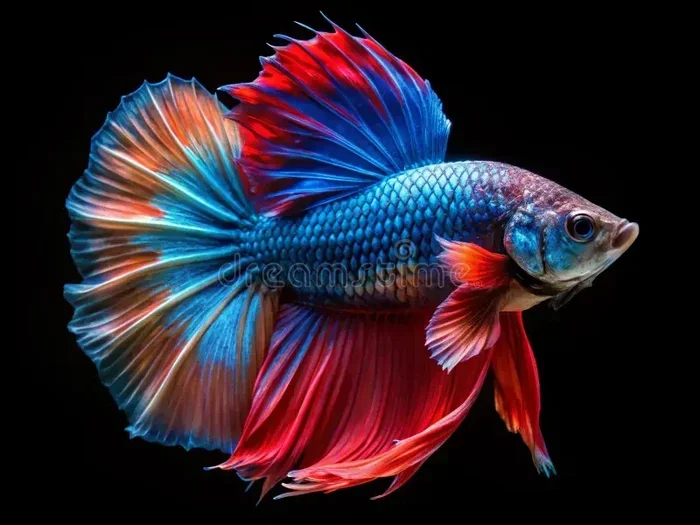
Betta fish, also called Siamese fighting fish, are tiny, colorful, and surprisingly hardy. They thrive in small containers, making them a popular starter pet. Their striking fins and bright colors can tempt the curious, especially kids who may not understand the risks. In this guide we’ll walk through the health, legal, and ethical angles of eating a live betta, and give you practical steps to stay safe and responsible.
1. The Immediate Physical Risks
1.1 Choking Hazard
Betta fish are only about 2–3 inches long, but they pack a set of sharp, serrated fins. When you try to swallow a live fish, those fins can get caught in the throat, causing an immediate choking episode. The reflex action can lead to panic, coughing, and in worst‑case scenarios, a blockage that requires emergency medical intervention.
1.2 Bacterial and Parasitic Infections
Freshwater aquarium fish live in a water environment that can host a range of microorganisms, including Aeromonas and Pseudomonas bacteria. These microbes are harmless to the fish but can cause:
- Severe stomach cramps
- Vomiting and diarrhea
- Fever
- In rare cases, bloodstream infections
Because the fish is alive, its internal organs are still active, which means the bacteria are not “cooked out” as they would be in a properly prepared dish.
1.3 Toxic Substances from Aquarium Water
Even well‑maintained tanks contain trace amounts of ammonia, nitrites, and nitrates. While these levels are safe for fish, they are not meant for human consumption. Ingesting water‑borne chemicals can irritate the digestive tract and, over time, affect liver and kidney function.
2. Digestive System Shock
2.1 Enzymatic Mismatch
Our stomachs are designed to break down muscle tissue, fats, and carbohydrates. A live betta fish, however, is mostly water, thin muscle, and a protective slime coat. The slime contains mucopolysaccharides that can act like a natural laxative, potentially leading to rapid bowel movements or diarrhea.

Visual guide about What Happens If You Eat a Live Betta Fish
Image source: publicdomainpictures.net
2.2 Acidic Environment Reaction
The stomach’s strong acid (pH 1–3) will quickly kill the fish, but the rapid breakdown of scales and fins can create tiny, sharp fragments. These fragments may cause micro‑abrasions in the stomach lining, leading to irritation or, in extreme cases, ulceration.
3. Legal and Ethical Considerations
3.1 Animal Cruelty Laws
Many jurisdictions classify the intentional killing of a pet for food as animal cruelty. Even if the betta is a small fish, it is still considered a domesticated animal under many local statutes. Penalties can range from fines to misdemeanor charges.

Visual guide about What Happens If You Eat a Live Betta Fish
Image source: decalmotoph.com
3.2 Ethical Responsibility
Betta fish are living creatures that deserve proper care. Eating a live betta disregards the bond many owners develop with their fish. It also sends a harmful message to children about respecting animal life.
4. What To Do If It Happens Accidentally
4.1 Seek Immediate Medical Attention
If you or someone else swallows a live betta fish, call emergency services right away. Explain the situation clearly—medical professionals need to know about potential choking and bacterial exposure.
4.2 First‑Aid Steps While Waiting
- Assess breathing: If the person cannot speak or breathe, perform the Heimlich maneuver.
- Do not induce vomiting: This could cause the fish’s fins to scratch the throat on the way back up.
- Hydrate: If breathing is normal, give small sips of water to help dilute any stomach acids.
4.3 Follow‑Up Care
After the emergency visit, a doctor may prescribe antibiotics to prevent bacterial infection and recommend a bland diet for a few days. Watch for signs of fever, persistent vomiting, or abdominal pain and report them promptly.
5. Preventing Accidental Ingestion
5.1 Keep Tanks Out of Reach
Place aquariums on sturdy, high surfaces where children cannot climb. Use a secure lid or cover to prevent hands from reaching in.
5.2 Educate Family Members
Explain to kids that fish are pets, not snacks. Use simple language: “Betta fish breathe water, not air, and they can make you sick if you eat them.”
5.3 Proper Feeding Practices
Understanding what betta fish eat helps you keep the tank clean and reduces the chance of harmful bacteria. Overfeeding can lead to excess waste, which raises bacterial loads.
5.4 Regular Tank Maintenance
Changing water weekly, cleaning the substrate, and monitoring temperature (what temperature should a betta fish water be) keep the environment healthy for both fish and humans who may handle the tank.
6. Satisfying Curiosity the Right Way
6.1 Learn About Betta Care
Instead of tasting, dive into the fascinating world of betta behavior. Discover their natural habitat, feeding habits, and how to set up a proper tank. For example, read about what can betta fish eat to understand why they thrive on live or frozen foods, not human meals.
6.2 Observe, Don’t Ingest
Set up a small viewing area where you can watch the fish glide and flare its fins. This visual appreciation is far more rewarding—and safe—than any culinary experiment.
6.3 Share the Knowledge
Teach friends and family about the risks of eating live aquarium fish. Use this article as a conversation starter to promote responsible pet ownership.
Conclusion
Wondering what happens if you eat a live betta fish is understandable when curiosity meets the colorful world of aquariums. The short answer: it’s a bad idea. You risk choking, bacterial infection, legal trouble, and ethical backlash. If an accidental ingestion occurs, act fast—call for medical help and follow first‑aid guidelines. The best way to satisfy curiosity is to learn about betta care, keep tanks secure, and treat these tiny fish with the respect they deserve.
Frequently Asked Questions
Can eating a live betta fish cause food poisoning?
Yes. Live bettas carry bacteria like Aeromonas that can cause severe stomach cramps, vomiting, and diarrhea if ingested.
Is it illegal to kill a betta fish for food?
In many places, harming a pet fish is considered animal cruelty and can result in fines or misdemeanor charges.
What should I do if I or someone else swallows a live betta fish?
Call emergency services immediately, perform the Heimlich maneuver if choking occurs, and avoid inducing vomiting.
Can the spiny fins of a betta fish cause internal injury?
Yes. The sharp, serrated fins can puncture or scratch the throat and stomach lining, leading to pain and possible infection.
How can I keep my betta fish safe from accidental ingestion?
Place the tank out of reach, use a secure lid, and educate children that fish are pets, not food.
Where can I learn more about proper betta fish care?
Visit reputable resources such as What Does Betta Fish Eat and How Do You Feed A Betta Fish for detailed guidance.