How Do I Know If My Betta Fish Died

Knowing how to tell if your betta fish died is essential for every betta owner. Signs like no movement, no gill movement, color fading, and floating upside down can indicate your fish has passed away. This guide helps you confirm the situation and take appropriate action.
Key Takeaways
- Check for gill movement: A dead betta fish will show no signs of breathing or gill movement.
- Look at body color: Faded or discolored scales are a strong indicator of death or severe illness.
- Observe floating behavior: If your betta floats upside down or sideways without response, it may be dead.
- Rule out illness first: Some signs overlap with severe sickness, so always check for revival possibilities.
- Act quickly but calmly: Once confirmed, remove the fish to protect tank mates and water quality.
📑 Table of Contents
How Do I Know If My Betta Fish Died?
Losing a pet fish is never easy. Whether you have had your betta for weeks or years, discovering that it may have died can be heartbreaking. The tricky part is that some signs of a dying betta fish look a lot like signs of a dead betta fish. That is why it is so important to check carefully before jumping to conclusions.
This guide will walk you through every sign that tells you how do I know if my betta fish died. We will cover physical symptoms, behavioral clues, and what to do next. By the end, you will feel confident about recognizing the difference between a sick fish and a fish that has passed away.
Let us get into it so you can take the right steps at the right time.
Signs That Your Betta Fish Has Died
Spotting the signs early can save you from confusion and help you act fast. Here are the most common indicators that your betta fish may have died.
No Gill Movement
A healthy betta fish breathes constantly. You should see its gills opening and closing in a slow, steady rhythm. This is how it pulls oxygen from the water. When a betta fish dies, gill movement stops completely.
Watch your fish closely for at least 30 seconds. If you see zero movement near the gill area, this is a strong sign that your fish has passed. Use your finger or a small stick to gently create a tiny current near the gills. If there is no response at all, the fish is most likely dead.
No Response to Touch or Movement
Bettas are curious fish. They react to their environment. A living betta will typically flinch, swim away, or investigate when you tap on the glass or move your hand near the tank. A dead betta fish will show absolutely no reaction.
Try gently tapping the glass near your fish. Do not do this too hard, just a light tap. If your betta does not move, blink, or change position at all, that is a very concerning sign.
Body Color Fading or Turning Pale
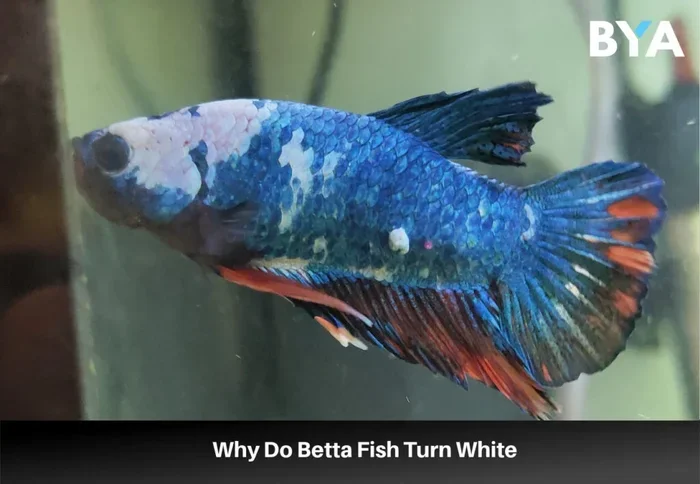
One of the most visible dead betta fish symptoms is a dramatic change in color. Healthy bettas display rich, vibrant colors like deep blue, red, green, or purple. When a betta dies, its body color often fades quickly.
You may notice the scales looking dull, gray, or almost white. This happens because blood circulation stops and the pigments lose their intensity. Keep in mind that some color loss also happens with severe illness, so this sign alone is not always 100% proof. Combine it with other symptoms for a clearer picture.
Floating Upside Down or Sideways
A betta fish floating on its side or upside down can mean different things. Sometimes it is a sign of swim bladder disorder, which is treatable. However, if your fish is floating motionless with no effort to correct itself, it could mean the fish has died.
Here is a simple way to check. Wait for a few minutes. If the fish stays in the same position without any attempt to swim or right itself, the situation is grim. A sick betta might still try to move. A dead one will not.
Eyes Appear Cloudy or Bulging
A dying or dead betta fish often shows changes in the eyes. The eyes may look cloudy, sunken in, or unusually bulged out. This happens due to the buildup of fluids and the loss of normal body functions. Cloudy eyes are also a sign of betta fish disease, so always check for other symptoms alongside this one.
How to Confirm Your Betta Fish Is Dead
Seeing one or two signs does not always mean your fish has died. Some of these symptoms overlap with severe illness. That is why you need to confirm before taking action. Here is a step-by-step process to follow.
Step 1: Observe for Five to Ten Minutes
Do not panic and rush to conclusions. Watch your betta fish quietly for at least five to ten minutes. Note any tiny movements. Sometimes a fish that appears dead may still have very faint gill movement or a small tail twitch.
Step 2: Check for Breathing
Look closely at the gill area. Use a flashlight if the tank lighting is dim. You are looking for any rhythmic movement. A betta that is still alive will continue to breathe even if it is very weak. No breathing signs strongly suggest death.
Step 3: Test Water Parameters
Sometimes your betta fish is not dead but is suffering because of bad water conditions. High levels of ammonia, nitrites, or low oxygen can make a fish appear lifeless. Use a water test kit to check your aquarium water quality. If the water is toxic, fixing it might still save your fish.
For more details on spotting illness early, you can check out how to tell if your betta fish is sick. This resource helps you catch problems before they become fatal.
Step 4: Look for a Dead Fish Smell
This one is unpleasant, but it is a reliable sign. A dead fish starts to decompose quickly, especially in warm water. If you notice a foul or fishy smell coming from your tank that was not there before, it is a strong clue. A healthy living betta fish should never produce a bad odor.
What to Do If Your Betta Fish Has Died
Confirming that your betta fish has died is hard. But once you are sure, you need to act quickly. Here is what to do next.
Remove the Fish From the Tank
Do not leave a dead fish in your tank. As the body decomposes, it releases ammonia and harmful bacteria into the water. This can make your other fish sick or even kill them. Use a small net or container to gently remove the fish.
If you are unsure about how to handle this situation, learning how do you know if your betta fish is dying can help you prepare and respond better in the future.
Check Your Tank Conditions
A fish death is often a warning sign. Something in the tank may have gone wrong. Check these common problem areas:
- Water temperature: Bettas prefer 76 to 82 degrees Fahrenheit. Too hot or too cold water stresses them out.
- pH levels: Aim for a pH between 6.5 and 7.5. Sudden swings are dangerous.
- Ammonia and nitrites: Both should be at zero. Any detectable level is harmful.
- Tank size: A small bowl is not ideal. A 5-gallon tank or larger gives your betta room to thrive.
Clean the Tank
After removing the dead fish, do a partial water change. Replace about 25 to 50 percent of the water with dechlorinated, temperature-matched water. This helps remove any contaminants released by the decomposing body. You can learn more about proper maintenance by reading how to clean your betta fish tank.
Give Yourself Time
Losing a fish hurts. It is okay to feel sad. Take a moment before setting up a new tank or adding another fish. Make sure everything is ready and safe before bringing a new pet home.
Common Mistakes That Can Lead to Betta Fish Death
Many betta fish deaths are preventable. Here are some common mistakes that betta owners make, often without realizing the impact.
Overfeeding the Fish
Overfeeding is one of the top causes of betta fish health problems. Uneaten food rots in the tank and spikes the ammonia levels. Feed your betta small amounts once or twice a day. If you accidentally overfeed, learn what to do if you overfeed your betta fish to correct the mistake quickly.
Ignoring Water Changes
Bettas are sensitive to dirty water. Skipping regular water changes leads to a buildup of toxins. Aim for at least one partial water change per week. Consistent betta fish care includes keeping the water clean and fresh.
Using the Wrong Tank Setup
A tiny bowl with no filter and no heater is not a good home for a betta. These fish need heated water and some filtration. Cold water weakens their immune system and makes them vulnerable to betta fish illness.
Keeping Aggressive Tank Mates
Bettas are territorial. Putting them with fin-nipping fish or other aggressive species leads to stress and injury. Always choose tank mates carefully or keep your betta alone.
Not Monitoring Fish Behavior
Many owners do not pay close attention to changes in their betta fish behavior. Early signs of trouble include clamped fins, hiding more than usual, loss of appetite, and rapid breathing. Catching these signs early can save your fish. For more guidance, explore how to tell if your betta fish is sick and act before it is too late.
How to Prevent Future Betta Fish Loss
You love your betta and want to keep it healthy for as long as possible. The good news is that bettas can live three to five years with proper care. Here are some proven tips.
Maintain a Consistent Tank Routine
Set a schedule for feeding, water changes, and tank checks. Consistency reduces stress for your fish and keeps the environment stable. A stable tank is a healthy tank.
Provide Enrichment and Space
Bettas love to explore. Add plants, caves, or gentle decorations to keep them interested. A bored betta is a stressed betta, and stress leads to health problems.
Watch the Water Temperature
A reliable heater with a thermostat is a must. Sudden temperature drops shock your fish and weaken their immune system. Keep the temperature steady within the recommended range.
Feed a High-Quality Diet
Give your betta a mix of high-quality pellets and occasional live or frozen treats like bloodworms and brine shrimp. A varied diet keeps your fish strong and colorful.
Know the Warning Signs
Stay alert. Learn the early signs of betta fish death and illness. The faster you spot a problem, the better your chances of saving your fish. Familiarize yourself with resources on how do I know if my betta fish is dying so you are never caught off guard.
Understanding Betta Fish Lifespan
Knowing what to expect helps you plan and provide better care. A betta fish lifespan typically ranges from two to five years. Wild bettas often live shorter lives due to predators and poor conditions. Captive bettas that receive proper betta fish care commonly reach three to five years of age.
Some factors that influence lifespan include genetics, diet, water quality, and stress levels. Choosing a healthy fish from a reputable breeder gives you a better starting point. Regular check-ins on your fish behavior and tank conditions go a long way toward a longer, happier life for your pet.
Key Takeaways
- Check for gill movement: No breathing or gill movement is a clear sign your betta fish has died.
- Look at body color: Rapid fading or pale scales often accompany death or severe illness.
- Observe floating behavior: A fish floating motionless upside down or sideways may be dead.
- Rule out illness first: Some symptoms overlap with treatable sickness, so always check water quality and try to revive your fish before assuming the worst.
- Remove the fish quickly: A dead fish in the tank pollutes the water and endangers other fish.
- Prevent future loss: Maintain clean water, proper temperature, and a healthy diet to keep your betta thriving.
- Understand lifespan: Bettas live two to five years. Knowing this helps you set realistic expectations and provide better care.
Conclusion
Learning how do I know if my betta fish died is a difficult but important part of being a responsible fish owner. The signs are clear once you know what to look for. No gill movement, no response to stimuli, fading color, and floating without movement all point toward death. Always confirm by observing for several minutes and checking water conditions before making a final conclusion.
Remember that not every alarming sign means your fish has died. Sometimes a betta is severely sick but still alive. Acting fast, improving water quality, and seeking treatment can make a difference. For more information on recognizing early distress, read about how do you know if your betta fish is sick to stay ahead of potential problems.
Losing a betta fish is never easy, but you can take comfort in knowing you gave your pet the best possible care. Use what you have learned here to protect your current fish and future ones. Your betta depends on you, and with the right knowledge, you can give it a long, healthy, and happy life.
Frequently Asked Questions
How can I tell if my betta fish is sleeping or dead?
A sleeping betta fish will still have slow gill movement and may respond slightly to touch or light. A dead betta shows no gill movement, no response to stimuli, and often has faded coloring. If you are unsure, gently tap the glass. A sleeping fish will eventually wake up and swim away.
Can a betta fish come back to life after appearing dead?
In some rare cases, yes. A severely stressed or cold-stunned betta may appear lifeless but can recover when conditions improve. Warm the water slowly, check water parameters, and provide calm conditions. If you see any signs of movement or breathing after a few minutes, your fish may still be alive.
How long does a betta fish take to die after showing signs?
This varies greatly. Some bettas decline over days or weeks with visible symptoms, while others may pass within hours if there is a sudden event like a toxic water change or temperature shock. Regular monitoring helps you catch problems early and seek treatment.
What should I do with my dead betta fish?
Remove the fish from the tank immediately using a net. Dispose of it in a sealed bag. Do not flush it down the toilet. After removal, do a partial water change and check your tank conditions to protect any remaining fish. Give yourself time to grieve before considering a new pet.
Why did my betta fish die suddenly?
Sudden betta fish death is often caused by poor water quality, temperature shock, ammonia spikes, or overfeeding. Sometimes underlying disease that went unnoticed is the culprit. Testing your water and reviewing your care routine can help you identify the cause and prevent it from happening again.
How can I prevent my betta fish from dying too early?
Keep the water clean with weekly partial water changes, maintain a stable temperature between 76 and 82 degrees Fahrenheit, feed a high-quality diet in small amounts, and avoid keeping aggressive tank mates. Regular observation of your betta fish behavior helps you catch problems before they become fatal.