Are Shrimp Good with Betta Fish
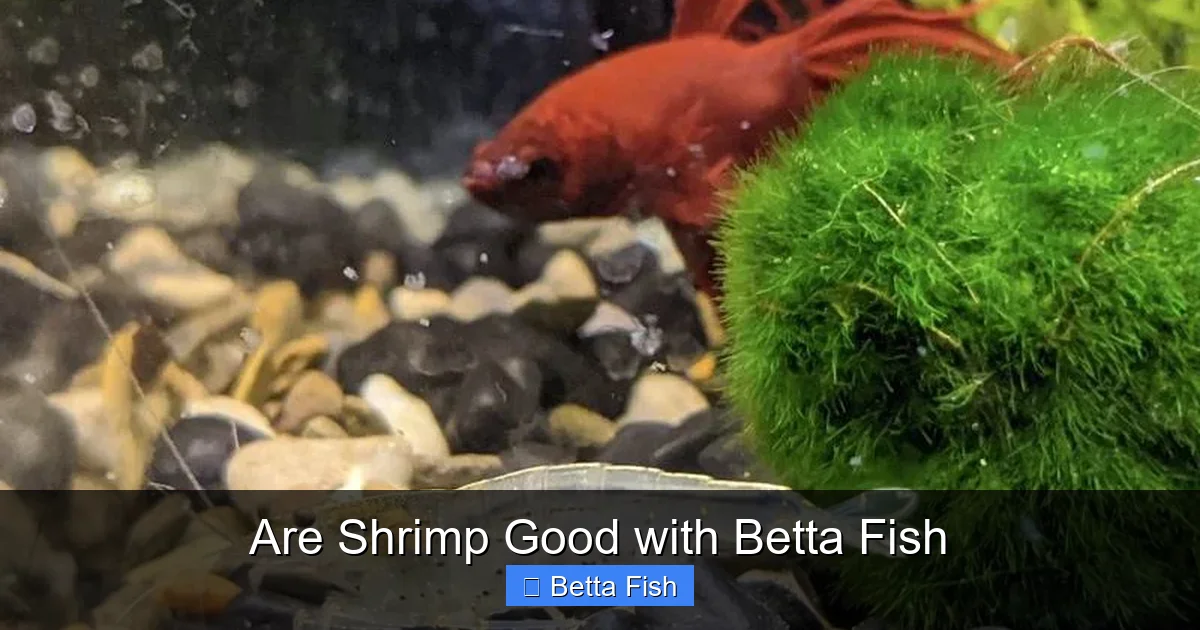
Curious whether shrimp are good with betta fish? In most cases, peaceful shrimp can coexist with a well‑behaved betta, especially when the tank is planted and the shrimp are small enough to avoid being seen as food. Follow our step‑by‑step guide to create a safe, thriving community for both.
Key Takeaways
- Size matters: Tiny shrimp are less likely to trigger a betta’s predatory instincts.
- Tank size & hiding spots: A 10‑gallon or larger, well‑planted tank gives shrimp places to escape.
- Betta temperament: Some bettas are calm, others are aggressive; observe individual behavior.
- Suitable shrimp species: Cherry, crystal, and ghost shrimp are the most reliable companions.
- Feeding strategy: Offer shrimp-specific foods and scatter them to reduce competition.
- Water parameters: Keep temperature, pH, and hardness in ranges that suit both betta and shrimp.
- Monitoring: Watch for signs of stress; be ready to separate if aggression occurs.
📑 Table of Contents
- Introduction: Why You Might Want Shrimp and Betta Together
- Understanding Betta Behavior
- Choosing the Right Shrimp Species
- Setting Up a Tank Where Shrimp and Betta Can Thrive
- Feeding Both Species Without Competition
- Monitoring Compatibility and Adjusting as Needed
- Frequently Asked Questions About Shrimp and Betta Co‑habitation
- Conclusion: Making the Decision
Introduction: Why You Might Want Shrimp and Betta Together
Betta fish are famous for their vivid colors and flowing fins, but many hobbyists wonder if they can share a home with other critters. Shrimp are a popular choice because they help clean the tank, add movement, and look adorable. The big question is simple: are shrimp good with betta fish? The answer isn’t a straight “yes” or “no.” It depends on the betta’s personality, the shrimp species, tank size, and how you set up the environment.
In this guide we’ll walk you through everything you need to know to make an informed decision. We’ll cover the science behind betta aggression, the best shrimp species, tank setup tips, feeding routines, and how to spot problems early. By the end, you’ll feel confident deciding whether shrimp are good with betta fish for your particular aquarium.
Understanding Betta Behavior
Natural instincts
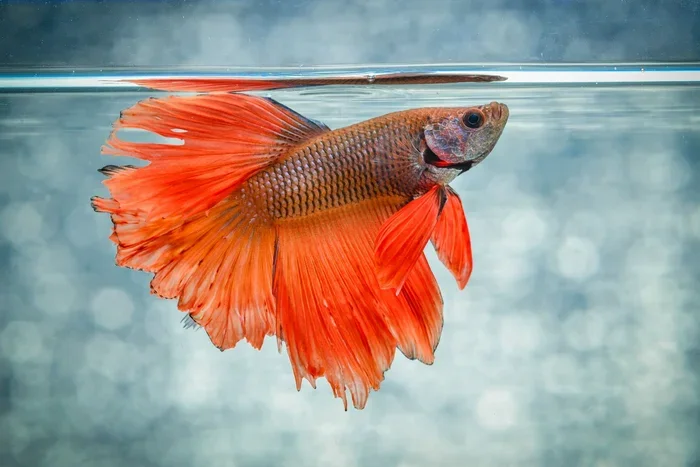
Betta fish (Betta splendens) are native to shallow, slow‑moving waters of Thailand. In the wild they defend small territories and are opportunistic predators. This background explains why many bettas will chase anything that looks like a moving snack.
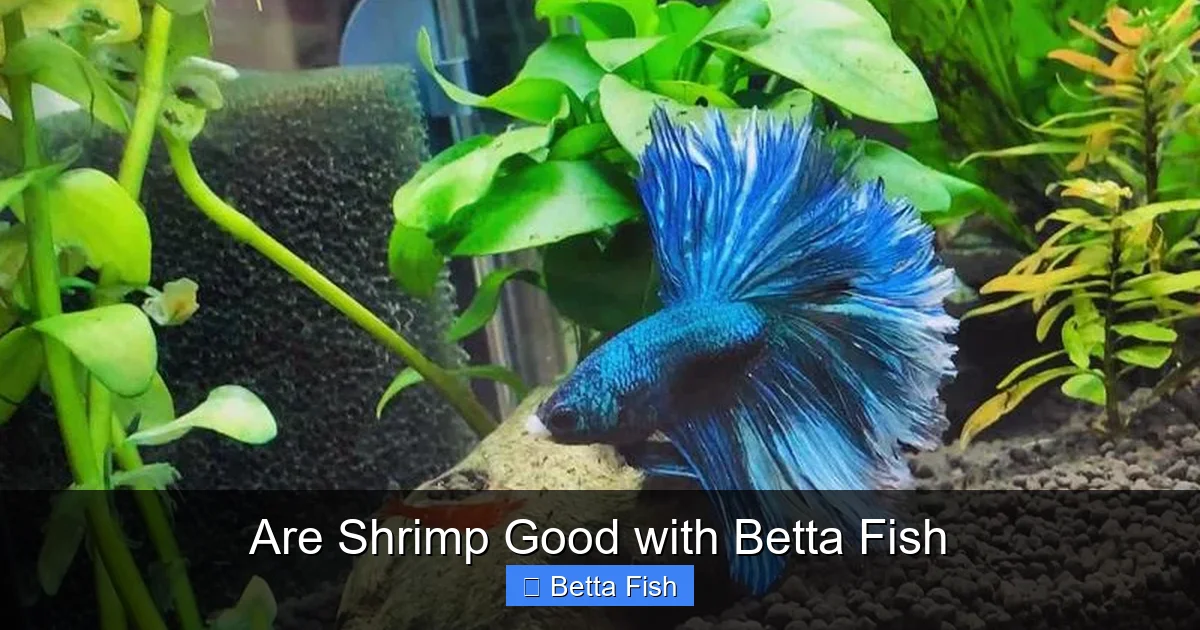
Visual guide about Are Shrimp Good with Betta Fish
Image source: smartaquariumguide.com
Temperament variations
Not every betta is a bully. Some are remarkably calm, especially females or those raised with tank mates from a young age. Males tend to be more territorial, but individual personality varies widely. Observing your betta’s reaction to a new object (like a plastic plant) can give clues about how it will treat shrimp.
Key signs of aggression
- Flared gills and extended fins toward the shrimp.
- Rapid darting after the shrimp.
- Chasing and nipping that results in injured shrimp.
If you see these behaviors, you may need to rethink the community or provide extra hiding places.
Choosing the Right Shrimp Species
Size is the first filter
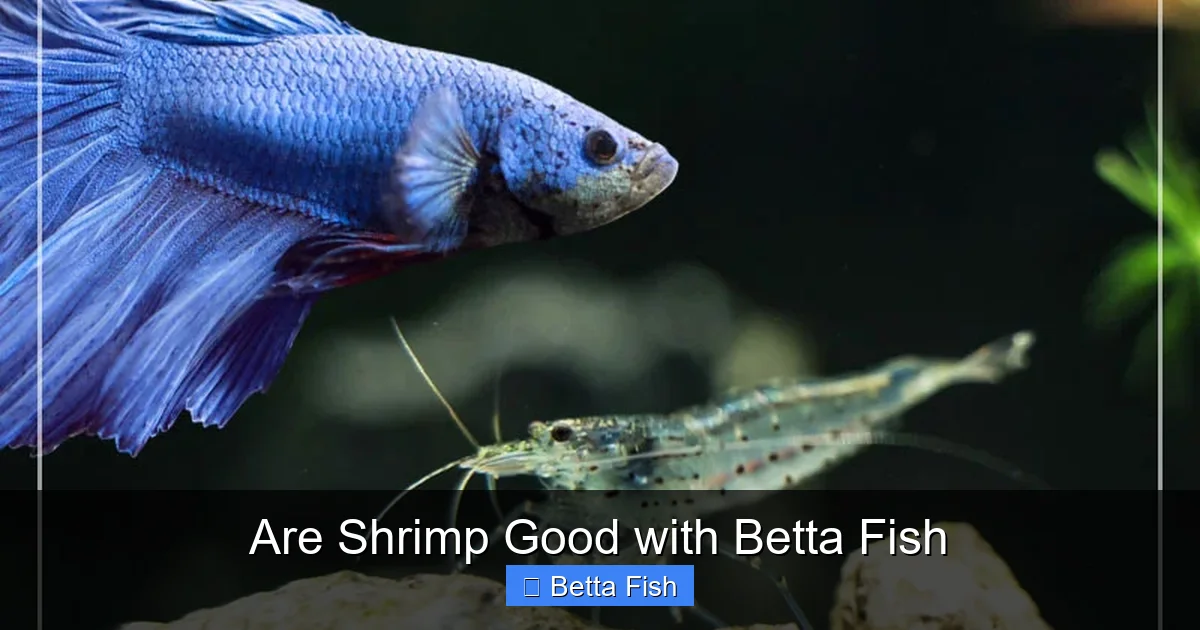
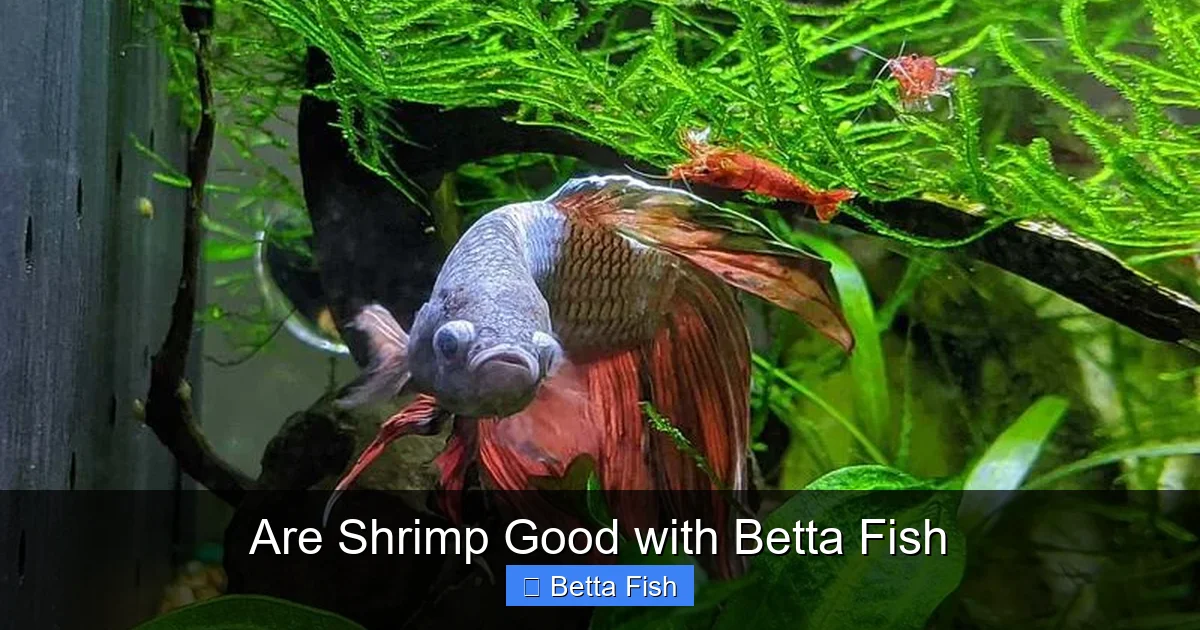
Betta fish are more likely to ignore shrimp that are too small to see clearly. Tiny shrimp such as Neocaridina* cf.* (Cherry shrimp) or Ghost shrimp (Palaemonetes) stay under 1.5 inches, making them less tempting.
Visual guide about Are Shrimp Good with Betta Fish
Image source: acaquarium.com
Best shrimp for betta tanks
- Cherry Shrimp (Neocaridina davidi): Hardy, colorful, and readily available. They reproduce quickly, providing a steady supply of tiny fry that bettas usually ignore.
- Crystal Red Shrimp: Slightly more delicate, but their bright red and white pattern can add a splash of color without provoking most bettas.
- Ghost Shrimp (Palaemonetes sp.): Transparent bodies are hard for bettas to spot, and they are excellent scavengers.
- Amano Shrimp (Caridina multidentata): Larger than cherry shrimp but still generally safe if the betta is calm and the tank is heavily planted.
Species to avoid
Large or brightly moving shrimp like bamboo shrimp or larger freshwater prawns can trigger predatory responses. Avoid them if you’re unsure about your betta’s temperament.
Setting Up a Tank Where Shrimp and Betta Can Thrive
Tank size and shape
Even a modest 10‑gallon (38 L) tank can work if it’s well‑decorated. Bigger tanks dilute aggression and give shrimp more space to hide. Avoid long, narrow tanks; a square or tall tank provides better vertical space for plants and hiding spots.
Visual guide about Are Shrimp Good with Betta Fish
Image source: ouraquariumlife.com
Live plants and decorations
Plants are essential. They create visual barriers, lower stress, and give shrimp places to graze and hide. Good choices include:
- Java Moss – perfect cover for shrimp fry.
- Indian Fern – dense foliage that bettas can’t easily swim through.
- Anubias and Java Fern – attach to rocks or driftwood, providing sturdy hideouts.
For more plant ideas, see our article on which live plants are good for betta fish.
Substrate and hiding spots
Fine sand or smooth gravel works well. Add pieces of driftwood, rock caves, and coconut shells to create additional refuges. A heavily planted tank reduces line‑of‑sight for the betta, making shrimp feel safer.
Water parameters
Both bettas and most shrimp thrive at:
- Temperature: 76‑80 °F (24‑27 °C)
- pH: 6.5‑7.5
- Hardness: 4‑12 dGH
Maintaining stable parameters prevents stress‑induced aggression. Use a reliable heater and test kit to keep numbers consistent.
Feeding Both Species Without Competition
Separate feeding zones
Scatter a small amount of high‑quality betta pellets near the surface where the betta feeds. Drop sinking shrimp pellets or blanched vegetables (zucchini, spinach) near the bottom where shrimp forage. This spatial separation reduces competition.
Supplemental shrimp foods
Ghost shrimp love algae wafers, while cherry shrimp enjoy finely crushed algae tablets or blanched lettuce. Feed them once daily in small portions to avoid excess waste.
Preventing over‑feeding
Uneaten food can foul the water, stressing both betta and shrimp. Remove any leftover pellets after a few minutes.
Monitoring Compatibility and Adjusting as Needed
Initial introduction
When adding shrimp to an established betta tank, use a breeding net or a clear plastic bag to acclimate them slowly. Observe the betta for 10‑15 minutes; if it flares or chases, consider a larger tank or more plants before releasing the shrimp.
Signs of shrimp stress
- Lethargy or hiding constantly.
- Missing limbs or faded color.
- Reduced feeding activity.
If you notice these, increase hiding places or consider a separate shrimp-only refugium.
When to separate
Persistent aggression, especially from a male betta, warrants moving the shrimp to a different tank. It’s better to lose a few shrimp than to risk the health of your beloved betta.
Success stories
Many hobbyists report thriving communities where a calm male betta shares a 20‑gallon planted tank with a colony of cherry shrimp. The key ingredients are ample plants, stable water, and careful observation.
Frequently Asked Questions About Shrimp and Betta Co‑habitation
Can bettas eat shrimp?
Yes, bettas may eat small shrimp, especially if they are hungry or if the shrimp are large enough to be seen as food.
Do shrimp help keep the tank clean?
Absolutely. Shrimp scavenge uneaten food, algae, and detritus, which can improve water quality for both species.
Is it better to keep a male or female betta with shrimp?
Female bettas are generally less aggressive, but a calm male can also coexist peacefully if the tank is well‑planted.
How many shrimp can I keep with one betta?
A small colony of 5‑10 cherry shrimp is a good starting point for a 10‑gallon tank. Adjust numbers based on tank size and plant coverage.
What should I do if my betta attacks the shrimp?
Increase hiding places, lower the water temperature slightly, and consider moving the shrimp to a separate refugium.
Can I keep other invertebrates, like snails, with bettas and shrimp?
Yes, peaceful snails such as nerite or ramshorn can add extra cleaning power and are usually ignored by bettas.
Conclusion: Making the Decision
So, are shrimp good with betta fish? The short answer is “yes, if you set it up right.” By choosing small, hardy shrimp, providing plenty of plants and hiding spots, and monitoring your betta’s behavior, you can enjoy a vibrant, self‑cleaning community tank. Remember that each betta is an individual; what works for one may not work for another. Start slow, be observant, and don’t hesitate to adjust the environment or separate the animals if needed.
With patience and the right setup, you’ll have a lively aquarium where your betta shows off its fins while shrimp scuttle about, adding color and function to the ecosystem.
Frequently Asked Questions
Can bettas live with shrimp long term?
Yes, many bettas coexist peacefully with shrimp for months or even years when the tank is properly planted and the betta’s temperament is calm.
What shrimp size is safest for a betta tank?
Shrimp under 1.5 inches, such as cherry or ghost shrimp, are the safest because they are less likely to be seen as prey.
Do I need a filter for a betta‑shrimp tank?
A gentle sponge filter works well; it provides water flow without creating strong currents that stress bettas.
How often should I feed my betta and shrimp?
Feed the betta once daily with a small portion of pellets, and give shrimp a tiny amount of algae wafers or blanched veggies a few times a week.
Can I add live plants after the shrimp are already in the tank?
Yes, adding plants later can still provide hiding spots; just be careful not to disturb the shrimp’s established territory.
Where can I learn more about compatible tank mates for bettas?
Check out our guide on what fish are compatible with betta fish for more ideas.