Can a Betta Fish Live in a 3.5 Gallon Tank
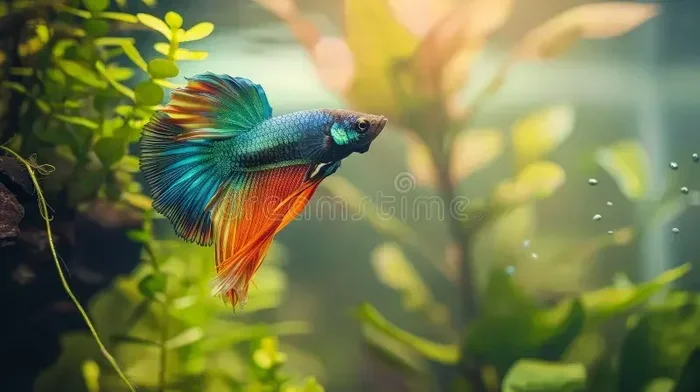
Yes, a betta fish can live in a 3.5 gallon tank, but it requires careful setup and consistent maintenance. This tank size offers enough space for a single betta to thrive when equipped with the right filter, heater, and live plants. Understanding betta fish care in a small tank is the key to keeping your pet healthy and active for years.
Keeping a betta fish in a 3.5 gallon tank is a popular choice for many aquarium hobbyists. This tank size strikes a nice balance between being compact enough to fit on a desk and large enough to give your betta room to swim. But can a betta fish truly thrive in a tank this small? The answer is yes — with the right setup and care.
A 3.5 gallon aquarium is considered a nano tank. That means it has less water volume, so changes in water quality happen faster. Your betta fish will depend on you to keep the environment clean and stable. This guide covers everything you need to know about setting up and maintaining a healthy betta fish habitat in a 3.5 gallon space.
Whether you are a first-time fish owner or looking to upgrade your current setup, this article will walk you through the essentials. From tank setup to feeding habits, we will cover all the details to help your betta live a long and happy life.
Key Takeaways
- A 3.5 gallon tank works for a single betta fish when properly set up with a filter and heater.
- Regular water changes are essential because small tanks accumulate waste quickly.
- Live plants and hiding spots help reduce stress and improve your betta’s quality of life.
- Avoid overcrowding — a 3.5 gallon tank is best suited for just one betta fish.
- Monitor water temperature between 76–82°F to keep your betta comfortable and healthy.
- Cycle your tank before adding your betta to prevent harmful ammonia spikes.
- Feed small amounts twice daily to avoid overfeeding and water contamination in a nano tank.
📑 Table of Contents
Can a Betta Fish Live in a 3.5 Gallon Tank?
The short answer is yes. A betta fish can live comfortably in a 3.5 gallon tank if you meet its basic needs. Bettas are small fish that naturally live in shallow waters in the wild. A tank of this size gives your betta enough room to move around without feeling cramped.
However, a small tank for betta fish comes with extra responsibility. Because the water volume is low, toxins like ammonia and nitrite can build up fast. This is why regular maintenance and a good filtration system are so important. A betta fish tank setup in a 3.5 gallon space needs to be efficient and well-planned.
Many people wonder if a 3.5 gallon tank is too small for a betta. The truth is, bettas do not need huge aquariums. In fact, tanks that are too large can create strong currents that stress your fish. A 3.5 gallon nano tank is actually a great fit for a single betta when set up correctly.
What the Experts Say About Small Tanks
Most fish experts agree that a 3.5 gallon tank is the minimum recommended size for a single betta fish. Some sources suggest going bigger, but a well-maintained 3.5 gallon tank can support a healthy betta. The key is staying on top of water changes and water parameters. If you keep the water clean and stable, your betta will do just fine.
Setting Up the Perfect 3.5 Gallon Tank
A proper setup makes all the difference when keeping a betta in a 3.5 gallon aquarium. You need the right equipment, decorations, and plants to create a comfortable environment. Let us break down exactly what you need.
Essential Equipment for a 3.5 Gallon Betta Tank
Here is a list of must-have items for your betta fish tank setup:
- A small sponge filter — This keeps the water clean without creating too much current. Bettas prefer gentle water flow.
- A tank heater — Bettas need warm water between 76°F and 82°F. A small adjustable heater works perfectly in a 3.5 gallon tank.
- A thermometer — This helps you monitor the temperature daily and catch any problems early.
- A lid or hood — Bettas are jumpers and can escape from open tanks. A secure lid keeps your fish safe.
- A small light — LED lights work great for nano tanks and help you see your betta clearly.
Decorations and Live Plants
Adding live plants for betta fish is one of the best things you can do for a 3.5 gallon tank. Plants like java moss, anubias, and java fern are easy to grow and help keep the water quality stable. They also give your betta places to hide and explore, which reduces stress.
Use smooth gravel or sand as substrate. Avoid rough decorations that could tear your betta’s delicate fins. Adding a few caves or small hiding spots gives your fish a sense of security. A well-decorated betta fish environment encourages natural behavior and keeps your fish active.
How to Cycle Your 3.5 Gallon Tank
Cycling your tank is one of the most important steps before adding your betta. Cycling means building up beneficial bacteria that break down harmful waste. This process usually takes 4 to 6 weeks.
You can cycle your 3.5 gallon tank using a fishless method. Add a source of ammonia and test the water regularly. Once ammonia and nitrite levels read zero and nitrates are present, your tank is ready. Never add your betta to an uncycled tank — this can cause serious health problems or even death.
Water Parameters and Maintenance
Maintaining good water parameters is critical in a small tank. In a 3.5 gallon aquarium, even small changes can affect your betta’s health. Here is what you need to know.
Ideal Water Conditions for Bettas
Bettas thrive in specific water conditions. Keep these parameters in mind:
- Temperature: 76°F to 82°F (24°C to 28°C)
- pH Level: 6.5 to 7.5
- Ammonia: 0 ppm
- Nitrite: 0 ppm
- Nitrate: Below 20 ppm
Use a liquid test kit to check these levels regularly. Test strips are convenient but less accurate. Testing your water at least once a week helps you catch problems before they affect your betta fish health.
How Often to Do Water Changes
In a 3.5 gallon tank, you should do partial water changes at least once a week. Replace about 30 to 50 percent of the water each time. This removes built-up waste and keeps the environment fresh.
If you notice the water looking cloudy or your betta acting sluggish, do a water change right away. Always use water that is the same temperature as the tank water. Sudden temperature drops can stress your betta and weaken its immune system.
Some fish keepers choose to do weekly 50 percent water changes in nano tanks. This works well for 3.5 gallon setups and helps maintain stable water quality for betta fish. Just make sure the new water is free of chlorine and chloramine.
Feeding and Diet in a Small Tank
Feeding your betta properly is especially important in a 3.5 gallon tank. Because the water volume is small, leftover food can quickly pollute the environment. Overfeeding is one of the most common mistakes new betta owners make.
What to Feed Your Betta
Bettas are carnivorous fish that need a protein-rich diet. Here are some good food options:
- Betta pellets — These are specially formulated to meet your betta’s nutritional needs.
- Frozen or live brine shrimp — A great treat that mimics natural food sources.
- Bloodworms — Offer these as an occasional treat, not a staple food.
- Daphnia — This is a natural food that also helps with digestion.
Feed your betta small amounts twice a day. Only give what your fish can eat in 2 to 3 minutes. Remove any uneaten food immediately to keep the water clean. A healthy betta fish diet in a small tank prevents waste buildup and keeps your fish energetic.
How Much Is Too Much?
It is easy to overfeed a betta, especially in a nano tank. Excess food sinks to the bottom and decays, raising ammonia levels fast. If your betta’s belly looks round and swollen after feeding, you are giving too much food. Adjust the portion size and observe how much your betta eats in a few minutes.
Common Mistakes to Avoid
Keeping a betta in a 3.5 gallon tank is rewarding, but there are some common mistakes you should avoid. Learning from these errors will help you provide a better home for your fish.
Skipping the Filter
Some people think bettas can live without a filter. While a betta can survive in a tank without a filter with very frequent water changes, a filter makes maintenance much easier. A small sponge filter provides mechanical and biological filtration that keeps the water cleaner longer. If you are wondering whether you need one, check out this guide on whether a betta fish can live in a filtered tank for more details.
Overcrowding the Tank
A 3.5 gallon tank is not big enough for multiple fish. Keeping two male bettas together will lead to fighting and serious injury. Even adding other fish species can create too much bioload for such a small tank. Stick with one betta per 3.5 gallon tank for the best results.
Using the Wrong Substrate or Decorations
Rough or sharp decorations can damage your betta’s long fins. Avoid plastic plants with rough edges and choose soft silk plants or live plants instead. A smooth gravel substrate is safe and easy to clean. Taking the time to set up a safe and comfortable tank goes a long way for your betta’s well-being.
Ignoring Temperature Fluctuations
Bettas are tropical fish and need a stable warm temperature. Placing your tank near a window, drafty door, or heat source can cause dangerous temperature swings. Use a reliable heater and thermometer to keep conditions consistent. A stable betta fish habitat is a healthy one.
Is a 3.5 Gallon Tank Right for Your Betta?
A 3.5 gallon tank is a great choice for a single betta fish. It is small enough to fit in most spaces and large enough to give your fish a comfortable home. The key is committing to regular maintenance and paying attention to your betta’s needs.
If you are comparing tank sizes, a 3.5 gallon tank sits between a 1 gallon and a 5 gallon setup. A 1 gallon tank is too small for long-term betta care, while a 5 gallon tank offers more stability. Many experienced hobbyists recommend a 5 gallon tank as the ideal minimum, but a well-maintained 3.5 gallon tank works just as well.
Think about your lifestyle and schedule. If you can commit to weekly water changes and daily monitoring, a 3.5 gallon tank is a wonderful home for your betta. The size also means less space needed for equipment, which keeps costs lower. For more information on how tank size affects betta lifespan, you can read about how long betta fish live in a 5 gallon tank to understand the impact of tank size on your fish’s health.
Remember, the happiness of your betta depends on the care you provide. A clean, well-planted, and properly heated 3.5 gallon tank can be a beautiful and thriving home for your fish. Take your time setting things up, stay consistent with maintenance, and enjoy watching your betta explore its little world.
Keep learning about betta fish care and always pay attention to your fish’s behavior. A happy betta will show bright colors, active swimming, and a healthy appetite. If you notice any changes in behavior or appearance, test your water and check the tank conditions right away. With the right approach, your betta will thrive in its 3.5 gallon home for many years to come.
For those considering adding tank mates or exploring different tank setups, check out whether betta fish can live in a tank without a filter to understand your options for maintaining water quality in small aquariums.
Conclusion
Can a betta fish live in a 3.5 gallon tank? Absolutely. A 3.5 gallon tank provides enough space for a single betta to live a healthy and active life. The secret is in the setup, the maintenance routine, and your commitment to keeping the water clean and stable.
Focus on cycling your tank, using a gentle filter, maintaining proper temperature, and feeding your betta the right amount of food. Avoid common mistakes like overcrowding and overfeeding. With these steps, your 3.5 gallon betta tank will become a thriving little ecosystem that both you and your fish can enjoy.
Start small, stay consistent, and watch your betta flourish. A happy betta makes all the effort worth it.
Frequently Asked Questions
Can two betta fish live in a 3.5 gallon tank together?
No, a 3.5 gallon tank is too small for two betta fish. Male bettas are territorial and will fight if kept together. Even female bettas need more space than a 3.5 gallon tank can provide when kept in groups. Stick with one betta per 3.5 gallon tank for the best results.
Do betta fish need a filter in a 3.5 gallon tank?
Yes, a filter is highly recommended for a 3.5 gallon tank. A small sponge filter helps remove waste and maintains water quality between water changes. While bettas can survive without a filter, it requires much more frequent water changes and close monitoring.
How often should I do water changes in a 3.5 gallon betta tank?
You should do partial water changes at least once a week, replacing about 30 to 50 percent of the water. In a nano tank like a 3.5 gallon, waste builds up quickly, so staying consistent with water changes is essential for your betta’s health.
What is the best temperature for a betta fish in a 3.5 gallon tank?
The ideal temperature range for a betta fish is between 76°F and 82°F. Use a small aquarium heater and a thermometer to maintain a stable temperature. Sudden temperature drops can stress your betta and make it more susceptible to illness.
Can I add plants to a 3.5 gallon betta tank?
Yes, live plants are excellent for a 3.5 gallon betta tank. Plants like java moss, anubias, and java fern are low-maintenance and help improve water quality. They also provide hiding spots and reduce stress for your betta fish.
Is a 3.5 gallon tank too small for a betta fish?
A 3.5 gallon tank is not too small for a single betta fish. It is actually a popular choice among hobbyists who want a compact but functional aquarium. As long as you maintain good water quality and provide proper care, your betta will thrive in a 3.5 gallon tank.