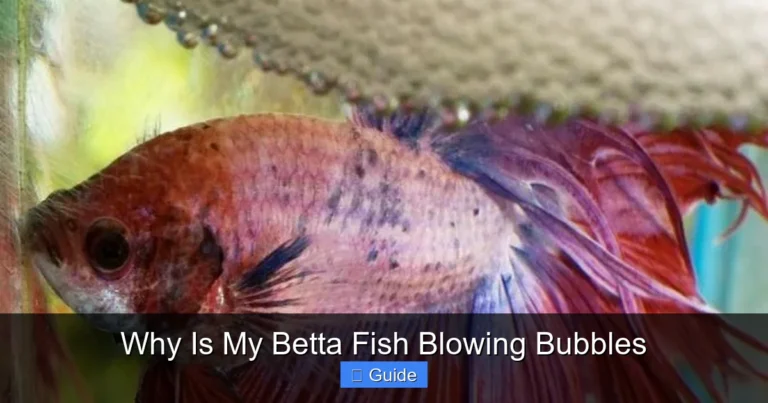
How to Change Betta Fish Water for Beginners

Changing your betta fish water does not have to be hard or scary. This beginner guide walks you through every step of a safe water change, from preparing treated water to keeping your fish stress-free. You will learn the right tools, the ideal water temperature, and how often to change the water for a healthy betta.
Key Takeaways
- Regular water changes keep your betta healthy: Dirty water builds up toxins fast, and partial changes remove them safely.
- Always treat tap water before adding it: A water conditioner removes chlorine and chloramine that harm your fish.
- Match the water temperature carefully: Betta fish need water between 76 and 82 degrees Fahrenheit for comfort.
- Remove only 25 to 30 percent per change: This protects beneficial bacteria and keeps the tank cycle stable.
- Avoid common beginner mistakes: Never use untreated tap water, change too much at once, or clean your filter with tap water.
- Watch your betta after each change: Look for signs of stress and act quickly if something seems off.
📑 Table of Contents
- Why Water Changes Matter for Your Betta Fish
- What You Need Before You Start
- Step-by-Step Guide to Changing Betta Fish Water
- Common Mistakes Beginners Make During Water Changes
- How Often Should You Change Betta Fish Water
- Keeping Your Betta Healthy After a Water Change
- Quick Tips for a Perfect Water Change Every Time
- Key Takeaways
- Final Thoughts on Changing Betta Fish Water for Beginners
Why Water Changes Matter for Your Betta Fish
Your betta fish lives in water. That water gets dirty over time. Waste, uneaten food, and chemicals build up fast. This dirty water can make your betta sick. How to change betta fish water for beginners is one of the most important skills you will ever learn as a fish owner.
Even with a filter running in the tank, toxins like ammonia and nitrate still rise. These invisible threats are harmful to your fish. Regular water changes keep the tank clean and safe. Think of it like changing the air in a room. You would not want to breathe stale air all day long. Your betta feels the same way about dirty water.
A partial water change is the best method for most betta tanks. You remove about 25 to 50 percent of the old water. Then you add fresh, treated water. This keeps the good bacteria in the tank safe. It also keeps the environment stable for your betta. If you want a deeper walkthrough, check out our guide on how to do a water change for betta fish for more details.
Many beginners skip water changes because they feel unsure. That is completely normal. The goal of this guide is to give you confidence. You will know exactly what to do, when to do it, and why each step matters. By the end, you will feel ready to handle your first water change with ease.
What You Need Before You Start
Before you change the water, gather your supplies. Having everything ready makes the process smooth. You do not want to scramble mid-task while your betta waits in stressed water. Here is what you need to have on hand:
- A clean bucket – Use one that is only for fish. Never use a bucket that held soap or chemicals. Even a small amount of residue can be deadly.
- A siphon or gravel vacuum – This tool helps remove debris from the tank bottom while draining water. It makes the job much faster and cleaner.
- Water conditioner – This product removes chlorine and chloramine from tap water. Learn more about how to use tap water conditioner for betta fish to get the dosing right.
- A thermometer – You need to match the temperature of the new water to the tank water. A simple aquarium thermometer works perfectly.
- Clean towels or paper towels – For spills and drips. Water changes can get a little messy, so keep some nearby.
- A clean cup or small container – Useful for scooping out water if you do not have a siphon.
You can also read our guide on how to prepare water for betta fish to understand the full preparation process. Proper preparation is the key to a successful and stress-free water change for both you and your fish.
Step-by-Step Guide to Changing Betta Fish Water
Now that you have your supplies ready, let us walk through the actual process. Follow these steps in order for the best results. The process is simpler than most beginners expect.
Step 1: Prepare the New Water
Fill your clean bucket with fresh water. If you use tap water, add water conditioner first. Follow the dosing instructions on the bottle carefully. Usually, a few drops per gallon work well. Let the water sit for a few minutes. This gives the conditioner enough time to neutralize harmful chemicals.
Check the temperature with your thermometer. Betta fish like water between 76 and 82 degrees Fahrenheit. The new water should be close to the tank water. A difference of one or two degrees is perfectly fine. A big temperature shock can stress your fish badly and even cause illness. If you need help matching temperatures, our article on how to change betta fish water temperature has helpful tips.
Step 2: Remove the Old Water
Use your siphon or gravel vacuum to remove water from the tank. Take out about 25 to 30 percent of the tank water. Focus on areas with visible debris or waste buildup near the gravel. The gravel vacuum pulls dirt from the substrate while draining water at the same time. Go slowly and do not disturb your betta too much.
If you do not have a siphon, you can use a cup or small container instead. Just scoop water out gently. Avoid chasing your fish around the tank. Stay calm and move slowly. Your betta will stay calmer too. If you are working with a small bowl setup, you can learn more about how to change water for betta fish in a bowl for bowl-specific tips.
Step 3: Add the Fresh Water
Pour the new water slowly into the tank. Use a clean plate or your hand to diffuse the flow. This prevents the water from crashing down on gravel or decorations. A gentle pour protects your betta from unnecessary stress during the process.
Do not add all the water at once if the temperature differs slightly. Let the water settle for a moment. Watch your betta for any signs of stress. Most bettas adjust within a few minutes. After adding the water, check the level and temperature one more time. You want everything to feel stable and comfortable for your fish.
Common Mistakes Beginners Make During Water Changes
Everyone makes mistakes when starting out. The good news is that most errors are easy to avoid. Here are the top mistakes beginners make during water changes:
- Using untreated tap water – Tap water contains chlorine and chloramine. These chemicals are deadly for bettas. Always use a water conditioner before adding water to the tank.
- Changing too much water at once – Removing more than 50 percent can crash your tank cycle. This causes a dangerous spike in ammonia. Stick to 25 to 30 percent per change.
- Ignoring water temperature – Cold or hot water shocks your betta. Always match temperatures before adding new water. A thermometer is your best friend here.
- Cleaning the filter with tap water – Rinse filter media in old tank water only. Never use tap water directly on filter media. It kills the beneficial bacteria you need.
- Forgetting to wash your hands – Soap residue on your hands can poison the tank. Always rinse your hands thoroughly before reaching into the water.
- Skipping water changes entirely – Some beginners think a filter alone is enough. Filters help, but they do not remove all waste. Regular water changes are still essential.
Avoiding these simple errors keeps your betta safe. It also makes the whole process faster and easier over time. You will build good habits that last for years.
How Often Should You Change Betta Fish Water
The frequency depends on your tank size and setup. Smaller tanks need more frequent changes because waste builds up faster. A 5-gallon tank usually needs a 25 percent change every week. A larger tank, like 10 gallons, may only need changes every one to two weeks. The more water volume you have, the more stable the environment stays.
If you have no filter, you may need to change water more often. Unfiltered tanks build up waste much faster. In that case, a 20 percent change every five days works well. You can also learn more about how often to change water for betta fish for a detailed schedule tailored to your setup.
Watch your betta and the water clarity. If the water looks cloudy or your fish seems lethargic, change the water sooner. Testing kits can also tell you when ammonia or nitrate levels are too high. These are great tools for any betta keeper who wants to stay ahead of problems. Keeping a simple log of your water changes helps you stay consistent and track your betta’s health over time.
Keeping Your Betta Healthy After a Water Change
The water change is not over once you add fresh water. Your betta needs a few minutes to adjust to the new water. Watch for signs of stress like clamped fins, rapid breathing, or hiding more than usual. Most bettas settle in within 10 to 15 minutes after a change. They will return to normal swimming behavior quickly.
If your betta acts strange after a change, do not panic. Check the temperature first. Make sure it matches the tank water closely. Also check that you used the right amount of conditioner. Sometimes a too-strong dose of conditioner can irritate your fish’s sensitive gills and skin. Diluting the conditioner slightly can help if this happens.
If your betta shows serious signs of distress after a water change, our article on how to save dying betta fish after water change has detailed rescue steps. Quick action can make a big difference in saving your fish. Keep the tank lights dim for an hour after a water change. This helps reduce stress and gives your betta time to adjust in a calm environment.
Over time, you will notice your betta becoming more active and showing brighter colors after regular water changes. Clean water is the foundation of good betta fish care. Your fish will reward you with healthy growth and vibrant fins when you keep the water fresh.
Quick Tips for a Perfect Water Change Every Time
- Always prepare water the night before if you are not doing the change right away. This gives the conditioner more time to work.
- Use room temperature water when possible. It is easier to match with tank water.
- Clean the bucket and tools after each use. This prevents bacteria buildup on your equipment.
- Do not forget to refill your conditioner supply before you run out. Running out mid-change is stressful for both you and your fish.
- Keep a water change schedule on your phone or calendar. Consistency is the secret to a healthy betta tank.
- Take photos of your tank before and after the change. This helps you spot changes in water clarity and betta behavior over time.
These small habits add up to big results. Your betta fish tank will stay cleaner longer, and your fish will live a happier, healthier life. Water changes become second nature once you make them part of your routine.
Key Takeaways
- Regular water changes keep your betta healthy: Dirty water builds up toxins fast, and partial changes remove them safely.
- Prepare treated water at the right temperature before starting: Always use conditioner and match the temperature to the tank.
- Remove only 25 to 30 percent of tank water per change: This protects beneficial bacteria and keeps the tank cycle stable.
- Always use a water conditioner to neutralize chlorine and chloramine: Tap water is not safe for bettas without treatment.
- Avoid common beginner mistakes: Never use untreated tap water, change too much at once, or clean your filter with tap water.
- Monitor your betta after each change: Look for signs of stress and act quickly if something seems off.
- Build a consistent schedule: Regular water changes are easier to maintain when they become part of your routine.
Final Thoughts on Changing Betta Fish Water for Beginners
Changing betta fish water does not need to be scary or complicated. Once you do it a few times, it becomes second nature. You will get faster and more confident each time you do it. The key is to stay gentle, stay prepared, and stay consistent with your routine.
Your betta fish depends on you for clean water. That is a big responsibility, but it is also very rewarding. Watching your betta swim happily in fresh, clean water is one of the best feelings in fish keeping. Start with small changes and build your routine from there. You will be amazed at how quickly you become comfortable with the process.
Remember, every tank is different. Pay attention to your specific setup and adjust as needed. Your betta will show you what works best through its behavior and energy levels. Happy fish keeping, and enjoy the journey of caring for your beautiful betta!
Frequently Asked Questions
Can I use bottled water for my betta fish?
Bottled spring water can work, but it often lacks the minerals your betta needs. Distilled water is too pure and can actually harm your fish by stripping away essential minerals. The safest choice is always tap water treated with a conditioner. This removes chlorine and adds beneficial minerals at the same time. Always test the water before adding it to the tank.
How long does it take to change betta fish water?
A full water change for a 5-gallon tank takes about 15 to 20 minutes. This includes preparing the treated water, removing the old water with a siphon or cup, and carefully adding the new water. The more you practice, the faster you will get. Some beginners take a bit longer at first, and that is perfectly fine. Speed will come naturally with experience.
Do I need a siphon to change betta fish water?
A siphon makes the job easier and cleaner, but it is not required at all. You can use a cup or small container to remove water by hand. A siphon does help remove debris from the gravel more effectively. If you do not have one, a turkey baster works well for small tanks and bowls. Choose the tool that feels most comfortable for you.
What temperature should betta fish water be?
Betta fish thrive in water between 76 and 82 degrees Fahrenheit. Room temperature water is often too cold for them. Use a thermometer to check before adding new water to the tank. Sudden temperature drops can make your betta very sick and stressed. Always aim for a close match with the existing tank water to keep your fish comfortable.
Can I change all the water at once?
No, you should never change all the water at once. This removes beneficial bacteria that keep your tank cycle stable. It can also cause a dangerous spike in ammonia levels. Stick to partial water changes of 25 to 30 percent each time. Small, regular changes are far better for your betta than one big water change. Your fish will stay healthier with this approach.
What happens if I forget to use water conditioner?
Tap water contains chlorine and chloramine that are harmful to bettas. Without conditioner, these chemicals can burn your fish’s gills and skin. If this happens, do a partial water change immediately with properly treated water. Your betta may recover if the exposure was brief and not severe. Always keep conditioner on hand before you start any water change to prevent this problem.