Best Tank Mates for Betta Fish What Fish Can Be with Betta Fish

Choosing the right tank mates for your betta is essential for a calm and healthy aquarium. Many beginners ask what fish can be with betta fish before adding new companions. The best options are peaceful, fast swimmers that do not compete for food or space. Always avoid fin nippers, aggressive species, and fish that look similar to your betta. With proper planning, you can create a beautiful community tank that thrives together.
Key Takeaways
- Tank size matters: A minimum of 20 gallons gives your betta and new tank mates enough space to swim freely.
- Avoid fin nippers: Species like tiger barbs and some tetras will stress or injure your betta.
- Choose peaceful bottom dwellers: Corydoras catfish and small loaches work well when fed separately.
- Watch water parameters: All tank mates must share similar temperature and pH needs as your betta.
- Introduce slowly: Add new fish gradually and monitor behavior for the first few weeks.
- Feed multiple spots: Use scattered feeding to prevent competition and bullying at the surface.
- Have a backup plan: Keep a separate hospital tank ready if aggression or stress appears.
📑 Table of Contents
Best Tank Mates for Betta Fish: What Fish Can Be with Betta Fish
Keeping a betta fish is a rewarding experience. Their bright colors and lively personalities make them a favorite for home aquariums. Yet many owners quickly discover that bettas are not always the easiest fish to pair with others. If you are wondering what fish can be with betta fish, you are asking the right question. The answer depends on temperament, tank size, water conditions, and careful observation. This guide will walk you through safe choices, risky combinations, and simple steps to build a peaceful community tank.
Bettas are known for their bold nature. Males, in particular, can be territorial and may flare at anything that moves near their space. That does not mean they cannot share a tank. It simply means you need to choose companions that respect boundaries and do not trigger aggression. The goal is balance. You want fish that occupy different areas of the tank, eat similar foods, and stay calm during daily routines.
Before adding any new fish, think about your current setup. A small bowl or tiny tank will not work for a community. Your betta needs room to establish territory, and new tank mates need space to escape when needed. Water quality also plays a huge role. Clean, stable water reduces stress and lowers the chance of conflict. When you plan ahead, you give every fish a better chance to thrive.
Understanding Betta Behavior Before Adding Tank Mates
Bettas are intelligent and aware of their surroundings. They notice movement, color, and shape. A fish with long fins or bright colors may catch your betta attention quickly. Sometimes that curiosity is harmless. Other times it leads to chasing or flaring. Knowing what triggers your betta helps you pick safer companions.
Territorial instincts are strongest in males. They often claim a corner, a plant, or a decoration as their own. If another fish enters that space, your betta may warn it off. Females can be less aggressive, but they still value personal space. The key is to avoid overcrowding and give everyone a place to hide.
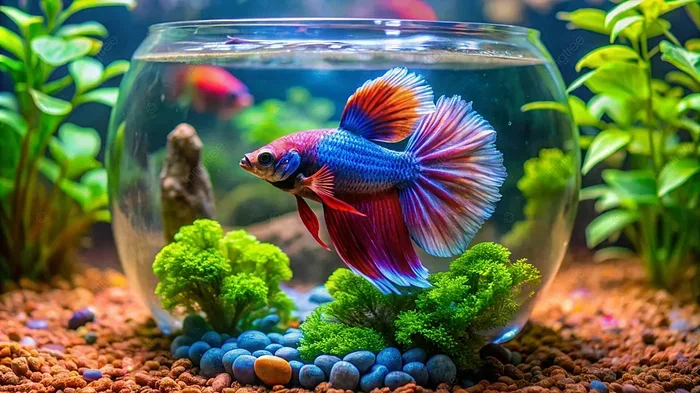
Environment matters just as much as personality. A tank with plants, driftwood, and smooth rocks creates natural barriers. These barriers break line of sight and reduce tension. When fish can disappear behind a leaf or tunnel under wood, they feel safer. That sense of safety lowers aggression across the entire tank.
Quick Tips:
– Add live or silk plants to soften the layout.
– Use caves and tubes to create hiding spots.
– Keep the tank lightly stocked at first.
– Observe your betta for a few days before adding new fish.
Common Mistakes:
– Adding too many fish at once.
– Choosing slow swimmers that cannot escape.
– Ignoring signs of stress like clamped fins or hiding.
– Placing tank mates in a tank that is too small.
What Fish Can Be with Betta Fish: Safe and Peaceful Choices
When people ask what fish can be with betta fish, they usually want calm companions that will not fight. The safest choices are peaceful community fish that stay out of your betta way. Good options include small tetras, rasboras, and certain livebearers. These fish are active, social, and usually ignore bettas once they settle in.
Small schooling fish can work well because they move quickly and spread attention. A group of peaceful tetras may draw some curiosity at first, but they often become background members of the tank. The same is true for rasboras, which are hardy and adapt well to community life. Their calm swimming style makes them less likely to provoke aggression.
Some livebearers are also worth considering. Guppies and platies are active and colorful, but you should choose them carefully. Male guppies can have long fins that may attract unwanted attention. If you want to try them, start with a small group and watch closely. If your betta shows constant chasing, it may be better to choose a different species.
If you want more details on specific pairings, you can explore guides like can betta fish be with other types of fish and can betta fish be with any fish at all. These resources explain how compatibility varies by species and tank setup.
Safe choices to consider:
– Neon tetras
– Ember tetras
– Harlequin rasboras
– Small platies
– Endler guppies
Expert Insight:
Start with a small group of tank mates and add more only if the tank stays calm. A peaceful introduction is better than a crowded one.
Fish to Avoid: What Fish Can Be with Betta Fish Poorly
Not every fish is a good match. Some species are too aggressive, too slow, or too similar in appearance to your betta. If you are still asking what fish can be with betta fish, it helps to know which ones to skip. Avoiding bad pairings saves stress, injury, and disappointment.
Fin nippers are a major problem. Fish that nip at fins can damage your betta beautiful appendages and cause lasting stress. Tiger barbs are a classic example. They are active and playful, but that play can turn painful for a betta. Some tetras can also become nippy when kept in small numbers or in tight spaces.
Large or aggressive fish should also stay out of your betta tank. Big cichlids, aggressive catfish, and predatory species can intimidate or harm a betta. Even fish that are not naturally aggressive may compete too strongly for food or space. A betta needs a calm environment, not a constant struggle for resources.
If you are curious about other risky combinations, you may want to read can betta fish be with tetras and can betta fish be with angelfish. These articles explain why some popular choices are not always safe.
Fish to avoid:
– Tiger barbs
– Large cichlids
– Aggressive catfish
– Fin nipping tetras
– Goldfish in most community setups
Common Mistakes:
– Assuming all tetras are safe.
– Choosing fish based on color alone.
– Ignoring body shape and swimming speed.
– Overlooking the risk of competition at feeding time.
Tank Size and Setup: A Major Factor in Compatibility
Tank size changes everything. A betta in a cramped space will feel trapped and defensive. In a larger tank, the same fish may relax and tolerate companions much better. If you want to know what fish can be with betta fish, start by looking at your tank, not just the fish list.
A 20-gallon tank is a strong starting point for a community. It gives your betta room to claim territory while leaving open swimming areas for others. It also helps maintain stable water quality, which supports every fish in the tank. Smaller tanks can work in some cases, but they require more careful stocking and closer monitoring.
Filtration and heating are just as important as volume. Bettas prefer warm water, and many peaceful community fish do too. A gentle filter keeps water clean without creating strong currents that stress your betta. Plants, substrate, and decorations help create a natural feel and reduce conflict.
You can also learn more about general community setups in can betta fish be in tank with other fish. It covers how tank layout and stocking levels affect harmony.
Quick Tips:
– Use a 20-gallon tank or larger for community setups.
– Keep water temperature steady around 78 to 80 degrees Fahrenheit.
– Provide gentle filtration, not strong flow.
– Arrange plants and decor to break sightlines.
Feeding, Hiding Spots, and Reducing Aggression
Food is one of the biggest triggers in a community tank. Bettas often feed at the surface, and some tank mates may try to compete for the same spot. When food is limited or scattered poorly, tension rises quickly. A simple feeding routine can prevent many problems.
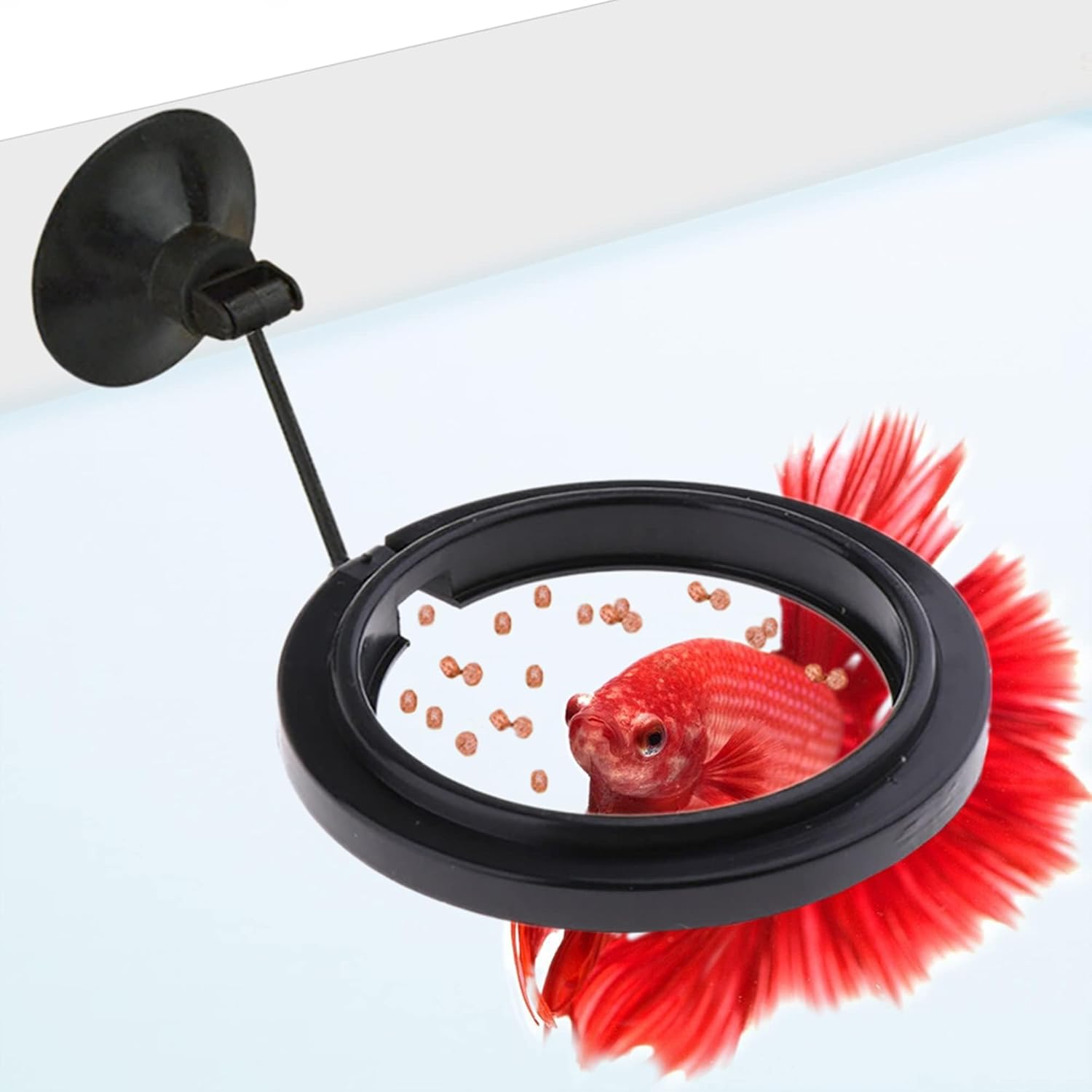
Try feeding in more than one area of the tank. Drop a small amount near the surface for your betta, then add a few sinking pieces for bottom dwellers. This reduces competition and helps each fish eat in its preferred zone. It also keeps faster fish from monopolizing the meal.
Hiding spots are another powerful tool. Plants, leaves, and small caves give weaker or shy fish a place to retreat. Even confident fish benefit from breaks in the landscape. When a betta can see a clear area but also has places to rest, the whole tank feels more balanced.
If you want to explore more about peaceful companions, check can betta fish be with other fish in a tank. It discusses how feeding and layout work together to reduce conflict.
Expert Insight:
Feed small portions more often instead of one large meal. This keeps water cleaner and lowers food competition.
Monitoring Behavior and Making Smart Adjustments
Even with the best planning, you must watch your tank closely after adding new fish. The first few weeks are the most important. Your betta may flare, chase, or hide while it adjusts to the new community. Some brief curiosity is normal. Constant aggression is not.
Look for signs of stress in all fish, not just your betta. Clamped fins, pale color, rapid breathing, and excessive hiding can all signal trouble. If one fish is being chased repeatedly, it may need a different home. If your betta is constantly on guard, the tank may be overstocked or poorly arranged.
Adjustments are part of the process. You may need to remove a problematic fish, add more plants, or change the feeding routine. Sometimes a small rearrangement of decor is enough to reset the tank dynamic. The goal is long-term peace, not forcing every fish to stay together.
For more ideas on mixing species safely, see can betta fish be with other fishes. It offers a broader look at compatibility and observation.
Quick Tips:
– Watch the tank daily for the first two weeks.
– Keep a notebook of chasing, hiding, and feeding behavior.
– Rearrange decor if tension stays high.
– Be ready to remove a fish if bullying continues.
Comparing Good Tank Mates at a Glance
A simple comparison can help you decide faster. The table below shows how common community fish compare with bettas in a shared tank. Use it as a starting point, not a final rule. Every fish and every betta is a little different.
Comparison Table
| Tank Mate | Temperament | Best Tank Size | Notes |
|---|---|---|---|
| Neon Tetras | Peaceful, active | 20 gallons or more | School in groups for confidence |
| Harlequin Rasboras | Calm, hardy | 20 gallons or more | Good for planted tanks |
| Corydoras Catfish | Peaceful bottom dweller | 20 gallons or more | Feed sinking foods separately |
| Small Platies | Active, friendly | 20 gallons or more | Choose less flashy males if needed |
| Tiger Barbs | Nippy, bold | Not ideal | May stress or injure bettas |
| Angelfish | Tall, can be territorial | Large tank only | Risk of conflict with bettas |
This table makes it easier to see why some fish fit well and others do not. Peaceful, active swimmers usually work best. Aggressive or fin nipping species create unnecessary risk. Bottom dwellers can be good additions when feeding is managed carefully.
Final Thoughts on What Fish Can Be with Betta Fish
Choosing companions for your betta is about balance, patience, and observation. If you are still asking what fish can be with betta fish, remember that the safest answer is a peaceful, active species that respects space and shares similar water needs. A well-planned tank gives your betta room to shine while allowing other fish to live comfortably too.
Start small, watch closely, and make changes when needed. A calm community tank is not built in one day. It grows through careful choices and steady attention. With the right setup, your betta can enjoy a richer environment and you can enjoy a more dynamic aquarium.
Frequently Asked Questions
What fish can be with betta fish in a community tank?
Peaceful schooling fish like neon tetras, ember tetras, and harlequin rasboras are often good choices. Bottom dwellers such as corydoras catfish can also work if the tank is large enough and feeding is managed well.
Can betta fish live with guppies safely?
Sometimes, but you should be careful. Male guppies with long fins may attract attention, so start with a small group and monitor behavior closely. If chasing continues, it is better to choose a different tank mate.
What fish should I avoid putting with a betta?
Avoid fin nippers like tiger barbs and aggressive species that compete for space or food. Large cichlids and some tetras can also be risky, especially in smaller tanks.
How big does the tank need to be for betta tank mates?
A 20-gallon tank is a strong starting point for a community setup. Larger tanks make it easier to maintain stable water and give every fish enough space to establish territory.
How do I know if my betta is stressed by new fish?
Watch for clamped fins, hiding, fading color, loss of appetite, or constant flaring. If these signs continue, rearrange the tank or remove the problematic fish to reduce tension.
Can I add snails or shrimp with a betta fish?
Yes, many bettas coexist well with snails and some shrimp, especially in planted tanks. Still, bettas may investigate or nip at small shrimp, so provide plenty of hiding places and monitor closely.