Can Betta Fish Be with Angelfish
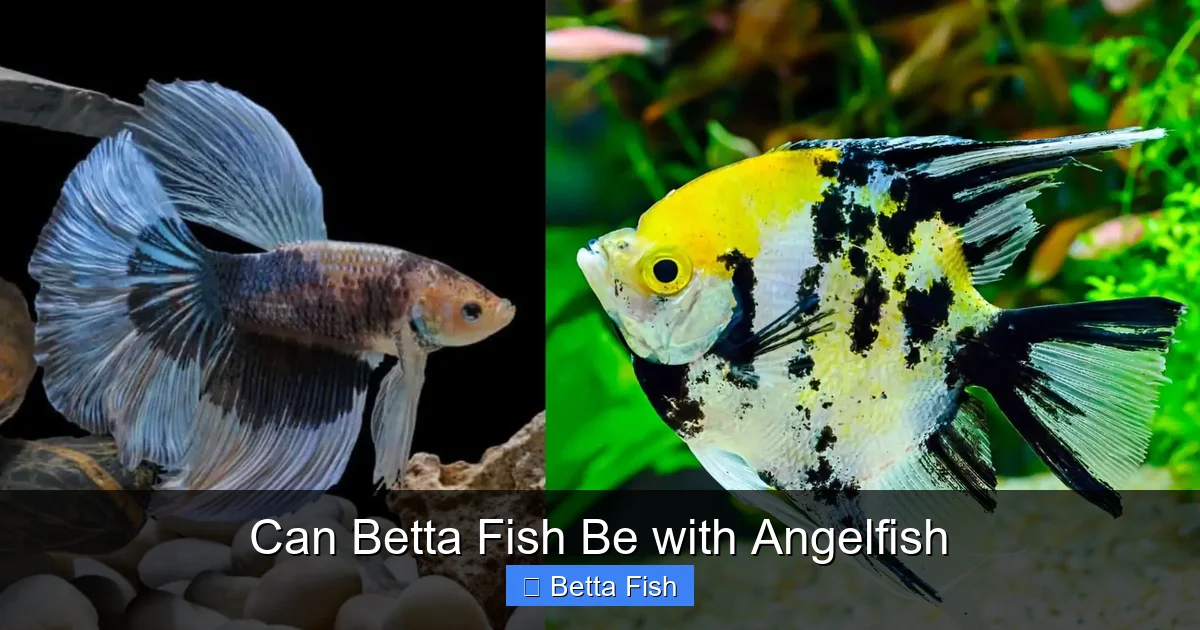
Betta fish and angelfish can sometimes share a tank, but success depends on size, temperament, and careful planning. Provide plenty of space, hiding spots, and monitor behavior to prevent aggression. Follow these guidelines to create a harmonious community.
Key Takeaways
- Size matters: Adult angelfish should be larger than bettas to reduce bullying.
- Temperament varies: Some bettas are aggressive, while others are calm; choose wisely.
- Tank size is crucial: A minimum of 20 gallons gives enough room for both species.
- Provide plenty of plants and caves: Hiding places reduce stress and territorial fights.
- Monitor daily: Early signs of stress mean you may need to re‑home one fish.
- Water parameters must suit both: Keep temperature 76‑80°F, pH 6.5‑7.5.
- Start with a trial period: Use a divider or a separate tank to see how they react before fully mixing.
📑 Table of Contents
Introduction: Why the Question Pops Up
If you’ve ever stared at a colorful betta flaring its fins next to a graceful angelfish, you might wonder, “Can betta fish be with angelfish?” It’s a common curiosity among hobbyists who want a vibrant, mixed‑species tank without buying extra space.
Both fish are popular for their striking looks, but they come from very different backgrounds. Bettas (Betta splendens) are native to shallow, warm rice paddies of Thailand, while angelfish (Pterophyllum scalare) hail from the slow‑moving waters of the Amazon basin. Their natural habitats shape their behavior, and that’s why you need to consider a few key factors before mixing them.
Understanding Betta Temperament
What Makes a Betta Aggressive?
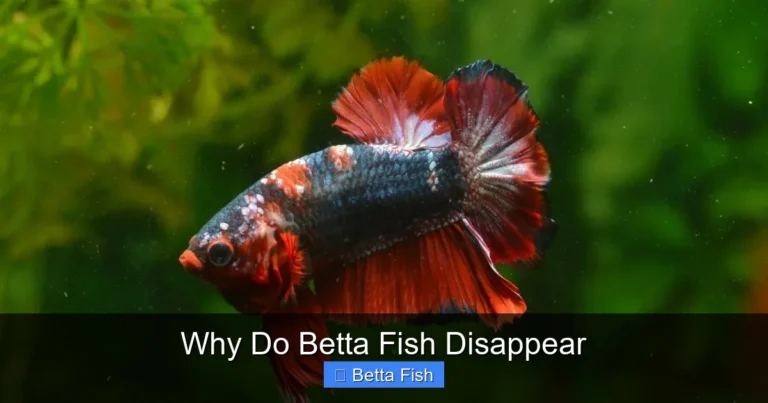
Bettas are famous for their feisty nature. Males, especially, guard territories and flare at anything that resembles a rival. The long, flowing fins can be mistaken for another male, triggering a fight. However, not every betta is a bully; some are surprisingly mellow, especially females or those raised in community tanks.
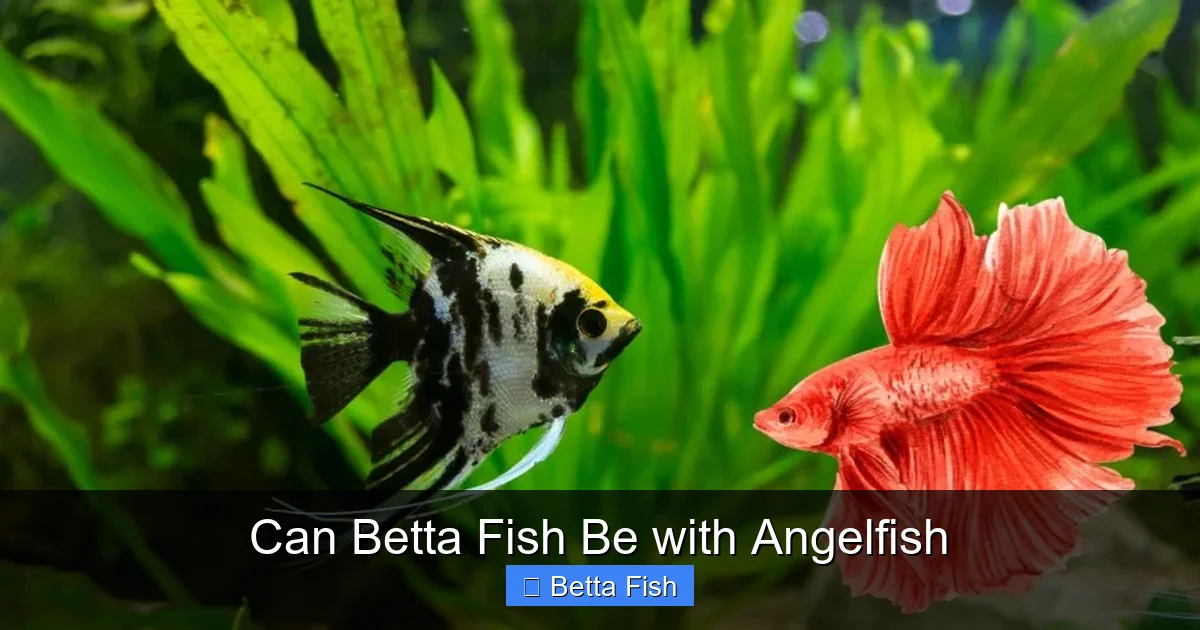
Visual guide about Can Betta Fish Be with Angelfish
Image source: infishtank.com
When Bettas Get Along With Others
Successful cohabitation often depends on the betta’s personality, the tank size, and the type of tank mates. If you read Why Can T Betta Fish Be With Other Fish, you’ll see that calm bettas can live peacefully with non‑aggressive species that occupy different layers of the aquarium.
Angelfish Behavior and Needs
Size and Growth
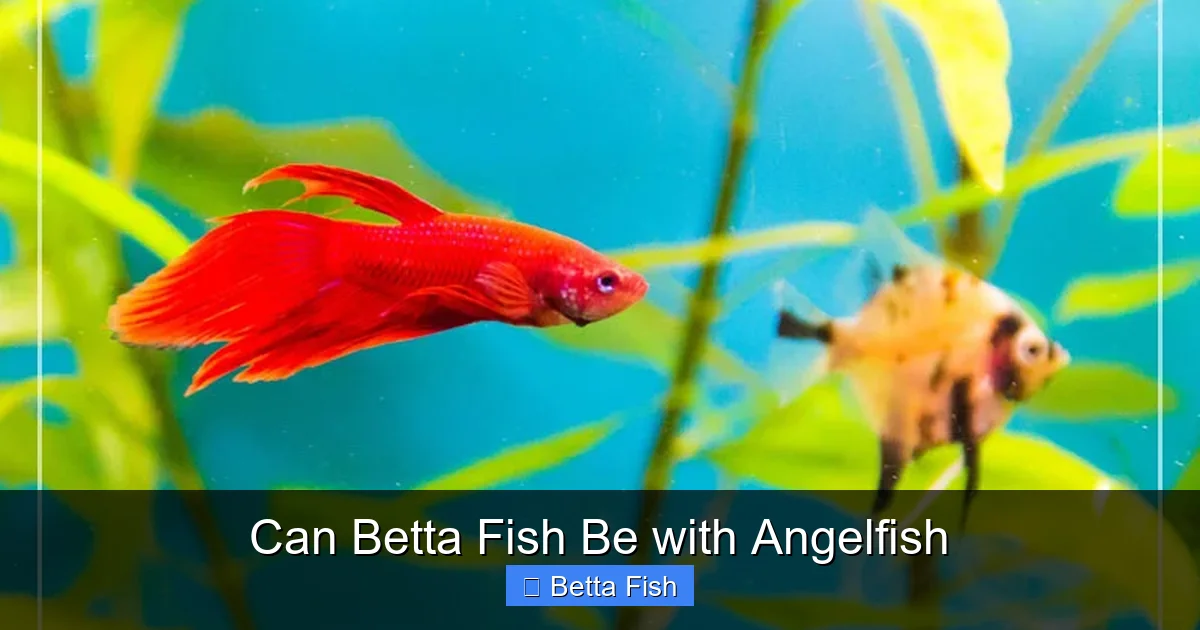
Angelfish start small—about 2 inches—but can grow to 6 inches in length and 8 inches in height. They are vertical swimmers and love to glide near the surface, which overlaps with the betta’s preferred zone. Because of their size, a fully grown angelfish can dominate a small tank, making a cramped space risky for a delicate betta.
Visual guide about Can Betta Fish Be with Angelfish
Image source: smartaquariumguide.com
Social Structure
In the wild, angelfish live in groups and establish a loose hierarchy. In captivity, they often become semi‑territorial, especially during breeding. Providing plenty of vertical plants and driftwood helps break up sight lines and reduces confrontations.
Key Compatibility Factors
Tank Size and Layout
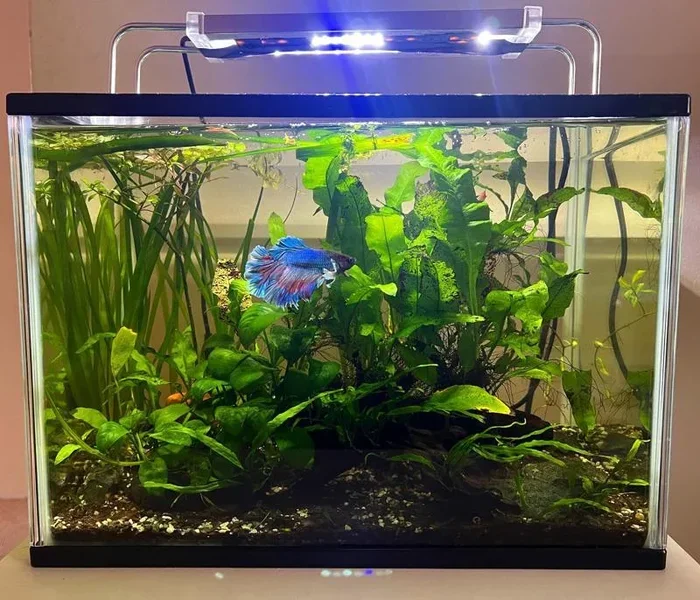
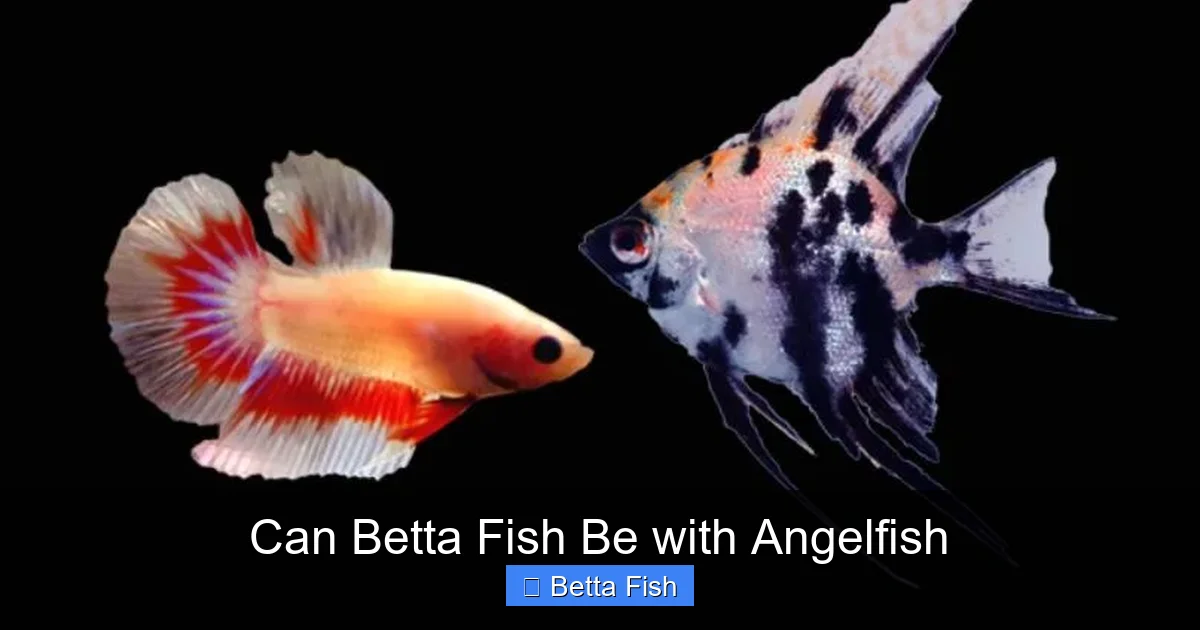
A 20‑gallon (minimum) tank gives each fish enough room to claim its own territory. Use a blend of live plants like Java fern, Anubias, and tall Amazon swords, plus decorations such as driftwood roots and ceramic caves. The goal is to create separate “rooms” where each fish can retreat.
Visual guide about Can Betta Fish Be with Angelfish
Image source: tinyfishtank.com
Water Parameters
Both species thrive in similar water conditions: temperature 76‑80°F (24‑27°C), pH 6.5‑7.5, and soft to moderately hard water (5‑12 dGH). Consistent water quality is vital; sudden changes stress fish and can spark aggression.
Gender Considerations
Male bettas are more likely to attack angelfish, especially if the angelfish displays bright fins. A female betta is generally less aggressive, making her a slightly safer bet for a mixed tank. However, always watch for individual temperament.
Step‑by‑Step Guide to Introducing Bettas and Angelfish
1. Prepare a Neutral Quarantine Tank
Before any introductions, quarantine new fish for at least two weeks. This prevents disease transfer and lets you observe each fish’s behavior in a stress‑free environment.
2. Use a Divider for the First Week
Place a clear acrylic divider in the main tank. This lets the betta and angelfish see each other without direct contact, allowing you to gauge reactions. Look for signs of flaring, chasing, or rapid breathing.
3. Gradual Visual Introduction
After 5‑7 days, remove the divider for a short period (15‑30 minutes) while supervising closely. If both fish ignore each other or swim calmly, you’re on the right track. If the betta flares or the angelfish darts away, give them more time behind the barrier.
4. Full Introduction
When confidence is high, remove the divider permanently. Keep a close eye for the first 48 hours. Feed both fish at opposite ends of the tank to reduce competition.
5. Ongoing Monitoring
Check daily for torn fins, faded colors, or hiding behavior. A quick weekly water test will ensure parameters stay stable.
Tips for Maintaining Peace
Provide Plenty of Hiding Spots
Angelfish love to perch among tall plants, while bettas often rest near the surface or under floating leaves. Adding both floating plants (like water lettuce) and tall stems creates vertical layers that satisfy both species.
Feed a Varied Diet
Offer high‑quality betta pellets, frozen bloodworms, and brine shrimp for the betta, and flake or wafer foods plus occasional live foods for the angelfish. Feeding at opposite ends prevents food competition.
Consider Tank Mates That Complement Both
Peaceful bottom dwellers such as Corydoras catfish or small loaches can fill unused space and distract any lingering aggression. For more ideas, see Which Fish Can Be Kept With Betta.
Watch for Breeding Triggers
Both species may become territorial during breeding. If you notice a male betta building a bubble nest or an angelfish pair preparing a spawning site, it may be wise to separate them temporarily.
When the Pair Doesn’t Work
Signs It’s Time to Rehome
Persistent fin nipping, constant hiding, or a loss of appetite are clear warnings. In such cases, it’s kinder to provide each fish with its own suitable environment.
Alternative Community Setups
If betta‑angelfish combos fail, consider a community of small, fast‑moving fish like neon tetras, rasboras, or guppies—species that typically ignore a betta’s flares. Read more about safe companions in Can You Keep Betta Fish With Guppies.
Conclusion: Is It Worth Trying?
Can betta fish be with angelfish? The answer is a cautious “yes—if you meet the right conditions.” Large enough tanks, mature angelfish, a calm betta, and plenty of plants create the best odds for success. Always start with a trial period, keep a watchful eye, and be ready to adjust or separate if tension rises.
By respecting each species’ natural behavior and providing a well‑structured environment, you can enjoy the dazzling colors of both bettas and angelfish in a single, thriving aquarium.
Frequently Asked Questions
Can a male betta live with an angelfish?
It’s possible, but male bettas are more aggressive and may perceive the angelfish’s fins as a rival. A larger, mature angelfish and a spacious tank improve the odds.
Do bettas and angelfish need the same water temperature?
Yes. Both thrive in 76‑80°F (24‑27°C) water, making temperature compatibility easy to achieve.
How long should I keep a divider between them?
Start with a week of visual separation. If both fish remain calm, you can remove the divider and monitor closely for the next 48 hours.
What plants are best for a betta‑angelfish tank?
Tall plants like Amazon swords, Java fern, and Vallisneria create vertical layers. Floating plants such as water lettuce give bettas surface cover.
Can I add other fish to a betta‑angelfish community?
Yes, peaceful bottom dwellers like Corydoras or small schooling tetras can coexist, provided the tank remains spacious and well‑planted.
What should I do if I see fin nipping?
Separate the fish immediately. Fin nipping indicates stress or aggression that can lead to injury or disease.