What Fish Can I Put With A Betta Fish For A Happy Tank
Choosing the right tank mates for your betta starts with understanding what fish can i put with a betta fish. Not every fish makes a good companion, so you must pick peaceful, calm species that share similar water needs. This guide covers the best options, what to avoid, and how to set up a safe community tank. You will also learn simple feeding and monitoring tips to keep everyone stress-free.
Adding new fish to a betta tank can feel exciting, but it also brings a lot of questions. You want a lively community, yet you also need to protect your betta from stress and injury. The good news is that many calm fish can live alongside a betta when you choose carefully. In this guide, we focus on what fish can i put with a betta fish so you can build a peaceful, healthy setup.
A betta is beautiful, but it is also known for its strong personality. Some bettas tolerate tank mates well, while others prefer to live alone. That is why you should never guess when choosing companions. You need to look at temperament, size, water preferences, and tank layout. A thoughtful approach makes a huge difference.
You will learn which fish are usually safe, which ones to avoid, and how to introduce new tank mates without drama. We will also cover tank size, water quality, and simple signs that your betta is comfortable. By the end, you will feel ready to make smart choices for your aquarium.
Key Takeaways
- Peaceful tank mates work best: Choose calm, non-aggressive fish that will not chase or nip at your betta.
- Match water needs: Pick species that thrive in the same warm, clean freshwater conditions your betta prefers.
- Watch the tank size: A larger tank gives everyone enough space and reduces territory disputes.
- Avoid fin nippers: Fast, aggressive fish can stress your betta and damage its beautiful fins.
- Introduce slowly: Add new fish gradually and monitor behavior closely during the first few weeks.
- Feed separately if needed: Bettas can be slow eaters, so make sure everyone gets enough food.
- Test water often: Stable water quality keeps all fish healthy and lowers stress in a community tank.
📑 Table of Contents
- Understanding Betta Behavior Before You Add Tank Mates
- What Fish Can I Put With A Betta Fish For A Calm Community Tank
- Fish To Avoid When Choosing Betta Tank Mates
- How To Set Up A Tank For Betta And Tank Mate Success
- How To Introduce New Fish To A Betta Tank
- Common Mistakes When Adding Tank Mates
- Expert Insights For A Happy Betta Community
- Final Thoughts On Building A Peaceful Betta Tank
Understanding Betta Behavior Before You Add Tank Mates
Before you pick any companion, it helps to understand how bettas usually behave. Bettas are often sold as “fighting fish,” and that name exists for a reason. Males can be very territorial, especially toward other flashy or competitive fish. That does not mean every betta is hostile, but it does mean you need to be careful.
A betta may flare, chase, or guard certain areas of the tank. This behavior is usually strongest when fish are introduced too quickly or when the tank feels crowded. Stress can also make a betta more reactive. If the water is dirty, the temperature is unstable, or the tank is too small, even a normally calm betta may act up.
What Makes A Good Betta Tank Mate
The best tank mates usually share a few key traits. They stay peaceful, they do not chase, and they do not look too much like another male betta. It also helps if they occupy different parts of the tank. A good companion should not constantly invade your betta’s space.
Size matters too. Fish that are much smaller may become targets, while fish that are much larger may intimidate your betta. A balanced setup often works best when the fish are similar in size or when the smaller fish are fast enough to avoid trouble. You also want species that are not known for nipping fins.
Signs Your Betta May Not Tolerate Company
Some bettas simply prefer a solo life. If your fish constantly hides, flares at everything, or seems stressed after adding new tank mates, it may be time to rethink the setup. Other warning signs include loss of appetite, faded color, or repeated chasing.
If you notice these signs, do not ignore them. A stressed betta can become sick more easily. Sometimes the issue is the tank setup rather than the fish itself. In other cases, the betta may just be incompatible with certain companions.
What Fish Can I Put With A Betta Fish For A Calm Community Tank
When you ask what fish can i put with a betta fish, the answer depends on your betta’s personality and your tank setup. Still, some species are commonly chosen because they tend to be calm and compatible. These fish usually do best when the tank is properly sized and decorated.
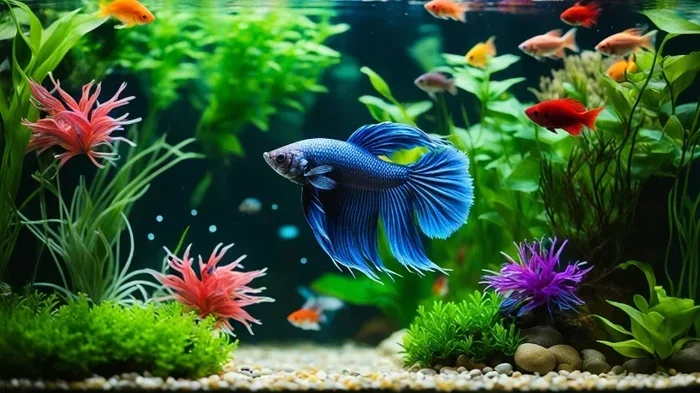
One helpful approach is to choose fish that stay near the bottom or middle of the tank while your betta uses the upper areas. Another good strategy is to pick species that are not overly bright or flashy, since that can reduce rivalry. The goal is to create a balanced environment where everyone has space.
Small Peaceful Fish That Often Work Well
Many hobbyists look for small, gentle fish that will not bother a betta. Some good possibilities include:
- Neon tetras: These small schooling fish are popular and usually peaceful when kept in a group.
- Harlequin rasboras: These calm fish do well in community tanks and are not usually aggressive.
- Celestial pearl danios: These tiny fish stay active but are generally mild-mannered.
- Endler’s livebearers: These small fish can work in some setups if the betta is not overly aggressive.
Schooling fish often do best in groups, so you should not keep just one or two. A proper group helps them feel secure and reduces the chance that one fish will be singled out. If you want more details on schooling options, you can read Can You Put Schooling Fish With A Betta for more guidance.
Bottom Dwellers And Other Calm Companions
Bottom-dwelling fish can be a smart choice because they spend much of their time away from your betta’s main area. Some people also like adding a snail or shrimp, though those choices need extra caution. If you are curious about snails, check Can I Put A Snail In With A Betta Fish before making a decision.
Here are a few common bottom-oriented or peaceful options:
- Corydoras catfish: These gentle bottom dwellers usually stay out of trouble and help keep the lower tank area active.
- Kuhli loaches: These shy fish like hiding spots and tend to avoid conflict.
- Snails: Many hobbyists use snails to help manage algae, but some bettas may bother them.
- Shrimp: Shrimp can be interesting additions, but they may be at risk if your betta is aggressive.
If you want to explore shrimp compatibility, see Can You Put A Betta Fish With Shrimp for helpful points to consider.
Fish To Avoid When Choosing Betta Tank Mates
Not every fish is a good fit, even if it looks attractive in the store. Some species are too aggressive, too fast, or too likely to nip fins. Others need very different water conditions. If you want a peaceful tank, it is just as important to know what to skip as it is to know what to choose.
A common mistake is picking fish based only on color or size. A bright, flashy tank mate may trigger rivalry. A fast swimmer may stress a betta by constantly crossing its space. And some fish simply do not mix well with bettas no matter how carefully you set up the tank.
Aggressive Or Fin Nipping Species
Fin nippers are especially risky because they can damage a betta’s flowing fins. Injuries can lead to stress, infection, or reduced movement. Even if the betta survives the encounter, constant harassment can make it miserable.
You should usually avoid fish known for chasing or bullying. This includes species that like to test boundaries or compete for attention. If a fish is naturally territorial, it may not be a good match in a smaller tank.
Fish With Very Different Water Or Space Needs
Compatibility is not only about temperament. It also depends on temperature, pH, and overall water conditions. If one fish needs cooler water and another needs warmer water, they will not both thrive. The same is true for fish that need lots of open swimming space versus those that prefer calm, planted areas.
Some people also wonder about larger or more competitive species. If you are thinking about bigger tank mates, it is worth reviewing Can You Put A Betta Fish With Angelfish and similar guides before you decide. Bigger does not always mean better, and sometimes it creates more problems.
How To Set Up A Tank For Betta And Tank Mate Success
A good setup can make compatibility much easier. Even peaceful fish may struggle if the tank is too small, too bare, or too crowded. You want enough space, hiding places, and clear territories so your betta feels secure.
Start with a tank that gives all fish room to move. A cramped tank can turn mild personality differences into constant conflict. Plants, wood, and smooth decorations help break up lines of sight. That means your betta does not always see every fish at once, which can lower tension.
Tank Size And Layout Tips
When planning your tank, think about swimming zones. Bettas often like calm areas with access to the surface. Other fish may prefer schooling space or bottom cover. A balanced layout gives each species a place to feel at home.
A few practical setup tips:
- Use live or soft artificial plants to create hiding spots.
- Avoid sharp decorations that can tear fins.
- Leave open swimming areas for active fish.
- Make sure the tank is large enough for the number of fish you want.
- Include a secure lid if your tank mates are known jumpers.
If you are still deciding which species to combine, it can help to compare a few options side by side. The table below gives a simple overview of common choices and what to watch for.
| Tank Mate Type | Why It Can Work | What To Watch For |
|---|---|---|
| Small schooling fish | Peaceful, active, and usually stay in groups | Need a school, not just one or two |
| Bottom dwellers | Stay lower in the tank and avoid direct competition | Need hiding spots and proper tank size |
| Snails | Can help keep the tank cleaner | Some bettas may bully or investigate them |
| Shrimp | Interesting and useful in some tanks | May be at risk if the betta is aggressive |
| Larger or flashy fish | Sometimes tempting to add | Can stress the betta or trigger rivalry |
Water Quality And Stable Conditions
Stable water is one of the biggest keys to success. When water quality drops, fish become more stressed and more likely to act out. Regular water changes, proper filtration, and careful feeding all help. You should also test the water often so you can catch problems early.
Temperature matters too. Bettas prefer warm water, and many peaceful community fish need similar conditions. If the temperature swings too much, everyone in the tank can suffer. A stable setup supports better behavior and better health.
How To Introduce New Fish To A Betta Tank
The introduction process matters a lot. Even compatible fish can cause trouble if they are dropped into the tank too suddenly. A careful introduction gives your betta time to adjust and reduces the chance of immediate conflict.
One common method is to float the sealed bag or container in the tank for a while so the temperature matches. Then you can slowly mix some tank water with the new fish’s water before releasing them. This helps the new fish adapt without a harsh shock.
Watching Behavior During The First Few Weeks
After adding new fish, watch the tank closely. A little curiosity is normal, but constant chasing is not. If your betta flares briefly and then settles down, that may be okay. If the aggression continues or one fish is always hiding, you may need to separate them.
It also helps to feed the fish during the introduction period so they associate the tank with positive experiences. Make sure the betta is not being pushed away from food. In some tanks, it is wise to feed in different spots so everyone gets a chance to eat.
If you want broader ideas on mixing species, you may find Can I Put Other Fish In With A Betta useful. For advice focused on male bettas, see Can You Put Other Fish In With A Male Betta.
Common Mistakes When Adding Tank Mates
Many problems come from simple mistakes. The good news is that these are usually avoidable. If you take your time and plan ahead, you can lower the risk of stress and injury in your tank.
One mistake is adding too many fish at once. A sudden crowd can overwhelm the tank and make it hard to monitor behavior. Another mistake is ignoring the betta’s personality. A fish that is peaceful in one tank may still be the wrong match for a more territorial betta.
Quick Tips For A Smoother Setup
- Add only one or two compatible fish at first.
- Watch feeding behavior closely.
- Keep the tank clean and well-filtered.
- Give the betta places to rest and hide.
- Be ready to separate fish if aggression continues.
If you want to avoid common pairing problems, it can help to read Can I Put A Fish In With A Betta and Can You Put A Betta In With Other Fish before making your final choice.
Expert Insights For A Happy Betta Community
Experienced keepers usually say the same thing: know your betta first. A community tank works best when the betta is calm, healthy, and comfortable. If your betta is already stressed, adding more fish is rarely the right move.
It also helps to think long term. Some fish grow, some become more active, and some change behavior as they mature. A setup that looks fine on day one may need adjustments later. Regular observation is the best tool you have.
Key Takeaways For Choosing Tank Mates
- Choose peaceful fish with similar water needs.
- Give the tank enough space and hiding spots.
- Avoid fin nippers and overly aggressive species.
- Introduce new fish slowly and watch closely.
- Be willing to remove a tank mate if the betta stays stressed.
If you are curious about other possible companions, you can explore Can You Put Other Types Of Fish With A Betta or Can You Put Any Other Fish With A Male Betta for more context.
Final Thoughts On Building A Peaceful Betta Tank
Choosing companions for a betta is less about finding a magic list and more about matching the right fish to the right setup. When you ask what fish can i put with a betta fish, the best answer is the one that fits your betta’s temperament, your tank size, and your ability to monitor the tank carefully.
A peaceful community tank is absolutely possible in many cases. It just takes patience, observation, and a willingness to make changes if needed. Start small, keep the water clean, and give your betta the respect it needs. If you do that, you will have a much better chance of creating a calm, beautiful aquarium that everyone can enjoy.
Frequently Asked Questions
What fish can i put with a betta fish if my betta is aggressive?
If your betta is aggressive, start with very calm, small tank mates and watch closely. You may also do better keeping the betta alone if the aggression does not improve.
Can i put smaller fish with a male betta safely?
Sometimes yes, but only if the smaller fish are peaceful and not too fragile. You should also avoid fish that are so small they could be seen as prey.
What fish can i put with a betta fish in a small tank?
In a small tank, it is usually safest to keep fewer fish and choose species that do not need much open space. Overcrowding can quickly increase stress and conflict.
Can i put a snail in with a betta fish?
Many bettas tolerate snails, but some may bother them or investigate them too much. It helps to add a snail slowly and monitor the betta’s reaction.
What fish can i put with a betta fish to keep the tank interesting?
Schooling fish, gentle bottom dwellers, and some invertebrates can add activity without creating too much drama. The best choice depends on your betta’s personality and tank size.
Can i put other fish with a female betta more easily?
Female bettas can sometimes be more tolerant, but they are not always peaceful. You still need to choose calm tank mates and introduce them carefully.