Can Betta Fish Be with Other Fish in a Tank

Betta fish can sometimes live peacefully with other fish, but success depends on tank size, temperament, and careful mate selection. By choosing the right companions, providing plenty of hiding spots, and monitoring behavior, you can create a harmonious community tank.
Key Takeaways
- Tank size matters: A minimum of 20‑gallon is recommended for most community setups.
- Male bettas are territorial: They often attack similar‑looking fish, especially other males.
- Peaceful tank mates work best: Small, non‑fin‑nipping species reduce stress.
- Provide plenty of plants and décor: Hiding places give shy fish a refuge and diffuse aggression.
- Monitor daily: Early signs of stress or fighting should be addressed immediately.
- Water parameters are crucial: Keep temperature, pH, and hardness consistent for all species.
- Start with a trial period: Use a separate quarantine tank to test compatibility before fully committing.
📑 Table of Contents
Introduction: The Betta’s Reputation
When most people think of betta fish, the first image that pops into their head is a solitary, flamboyantly‑colored fighter flaring its fins in a tiny bowl. This stereotype has stuck for decades, leading many hobbyists to wonder, can betta fish be with other fish in a tank?
The short answer is “sometimes,” but the reality is a bit more nuanced. Betta fish are naturally aggressive, especially males, yet they also have a capacity to coexist peacefully under the right conditions. In this article we’ll break down everything you need to know—tank size, suitable tank mates, set‑up tips, and red‑flag behaviors—so you can decide whether a community tank is right for your betta.
Understanding Betta Behavior
Why are male bettas so feisty?
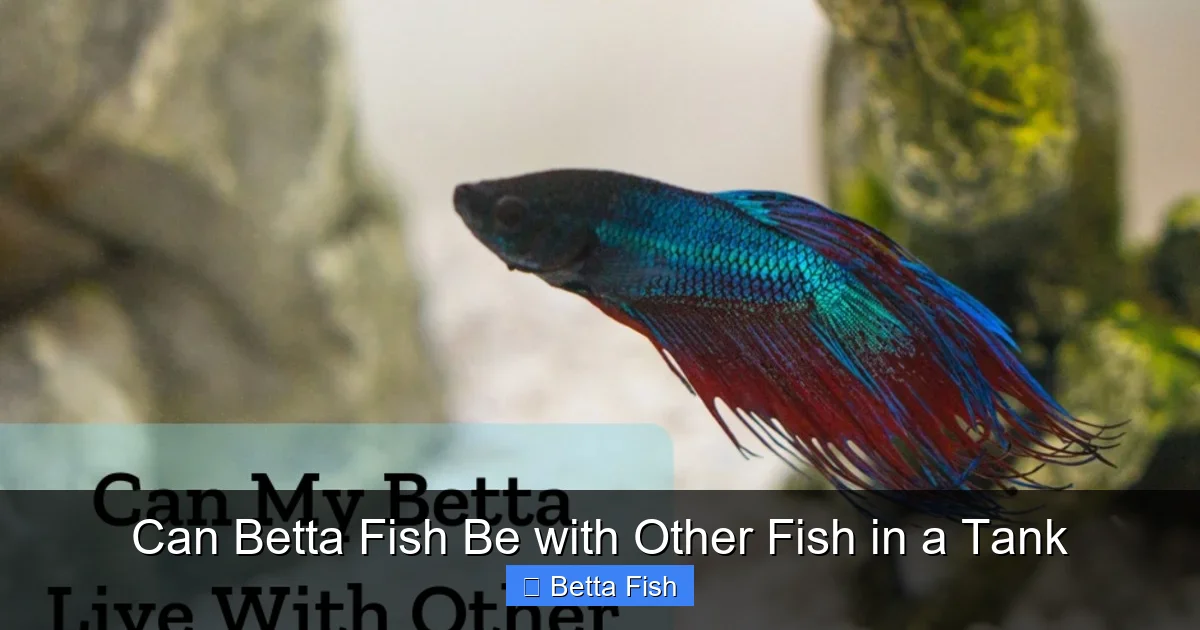
Male bettas (Betta splendens) are territorial by nature. In the wild they defend shallow rice paddies and use their brilliant fins as visual signals to ward off rivals. This instinct translates to a strong reaction toward any fish that resembles a rival—bright colors, flowing fins, or even similar body shapes can trigger a fight.
Visual guide about Can Betta Fish Be with Other Fish in a Tank
Image source: images.saymedia-content.com
Female bettas: the quieter cousins
Females are less aggressive but can still be possessive of space, especially during spawning. A group of females (known as a “sorority”) can sometimes live together if the tank is large enough and plenty of hiding spots are provided.
Temperament varies by individual
Just like people, each betta has its own personality. Some are surprisingly mellow, while others will attack a harmless neon tetra at the first glance. Observing your betta’s behavior before adding any new fish is essential.
Tank Size and Setup Essentials
Minimum tank volume
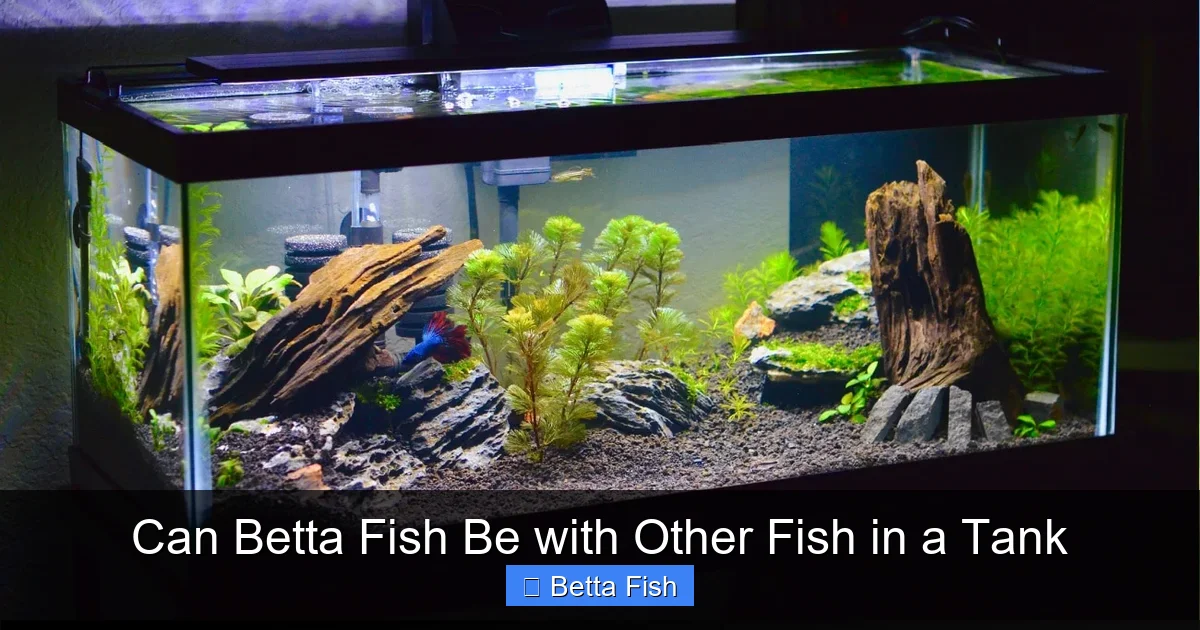
For a single betta, a 5‑gallon tank is the bare minimum. However, when you plan to add other fish, you should increase the volume dramatically. Aim for at least 20 gallons; this gives every resident enough swimming room and dilutes territorial displays.
Visual guide about Can Betta Fish Be with Other Fish in a Tank
Image source: i.pinimg.com
Water parameters that suit everyone
- Temperature: 76‑82°F (24‑28°C) – most tropical community fish share this range.
- pH: 6.5‑7.5 – a neutral to slightly acidic environment works well for bettas and many small tetras.
- Hardness: 5‑20 dGH – moderate hardness is acceptable for most peaceful species.
Invest in a reliable heater and a gentle filter that won’t create a strong current. Bettas prefer calm water, so a sponge filter or a low‑flow hang‑on unit is ideal.
Plants, caves, and décor
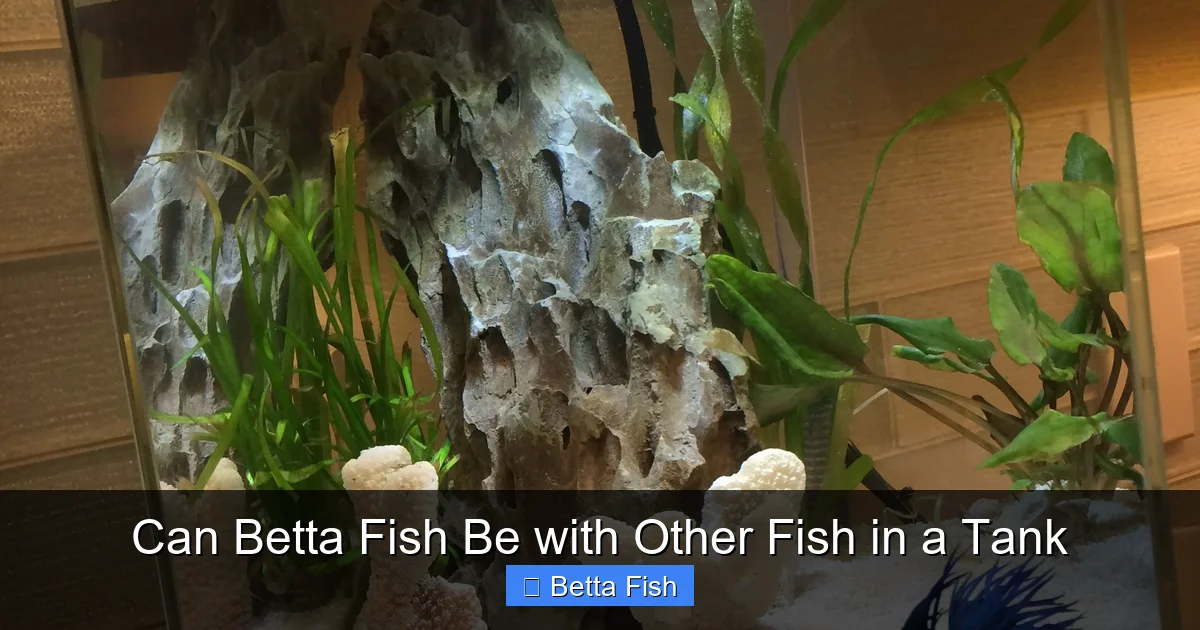
Live plants such as Java fern, Anubias, and Cryptocoryne not only improve water quality but also provide visual barriers. Add ceramic caves, driftwood, and smooth rocks to create multiple “territories” that can be claimed by different fish, reducing direct confrontations.
Lighting and day/night cycle
A 10‑hour light period mimics natural conditions and helps reduce stress. Use a timer to keep the schedule consistent.
Choosing the Right Tank Mates
General guidelines
When answering the core question—can betta fish be with other fish in a tank—keep these rules in mind:
Visual guide about Can Betta Fish Be with Other Fish in a Tank
Image source: buildyouraquarium.com
- Pick species that are smaller than the betta’s mouth.
- Avoid long‑fin or brightly colored fish that might be mistaken for a rival.
- Select peaceful, non‑aggressive swimmers.
- Provide plenty of hiding places for the betta and its companions.
Top community candidates
Below are some of the most reliable companions, with brief notes on why they work.
- Neon Tetras: Small, fast, and silver‑blue; they stay near the upper levels and rarely provoke bettas.
- Harlequin Rasboras: A tight school of 6‑8 creates a shimmering wall that distracts the betta.
- Corydoras Catfish: Bottom‑dwelling, armored, and peaceful—perfect for cleaning up leftover food.
- Kuhli Loaches: Snake‑like and shy, they hide in substrate and rarely interact with the betta.
- Otocinclus Catfish: Tiny algae eaters that stay low in the water column.
Species to avoid
Even if a fish is small, certain traits can still trigger aggression:
- Guppies, especially male guppies, have bright, flowing fins that look like a rival.
- Other bettas (male or female) unless you are setting up a carefully managed sorority.
- Fin‑nippers such as Tiger Barbs or larger Danios.
- Goldfish – they require cooler water and produce a lot of waste, which is unsuitable for bettas.
Helpful internal resources
For a deeper dive into specific tank mates, check out Which Fish Can Live With Betta Fish In A Tank and Can You Put Other Fish In With A Betta. These articles list dozens of compatible species and give practical set‑up tips.
Step‑by‑Step: Adding New Fish to a Betta Tank
1. Quarantine first
Never introduce new fish directly into the community tank. Use a separate quarantine tank for at least two weeks to monitor for disease.
2. Acclimation process
Float the bag in the betta’s tank for 15‑20 minutes to equalize temperature. Then slowly add small amounts of tank water to the bag every 5 minutes for another 30 minutes before releasing the fish.
3. Observe the first 24‑48 hours
Watch for signs of stress: rapid fin fluttering, hiding, loss of appetite, or visible injuries. If any fish appears distressed, be ready to move it to a separate tank.
4. Adjust décor if needed
Sometimes simply adding an extra plant or rearranging rocks can give a shy fish a new hideout and calm a nervous betta.
5. Long‑term monitoring
Even after the initial week, keep an eye on social dynamics. A betta that suddenly becomes lethargic or a tank mate that loses color may be a sign of hidden stress.
Common Problems and How to Fix Them
Fin nipping and fin loss
If you notice torn fins, the culprit is likely a fin‑nipper or an overly aggressive betta. Move the aggressor to a separate tank or replace the fin‑nipper with a more peaceful species.
Bubble nest disruption
Bettas build bubble nests on the surface. Fast‑swimming fish that constantly break the surface can prevent nest formation, leading to breeding issues. Adding a floating leaf or a piece of Indian almond can give the betta a stable platform.
Water quality spikes
More fish mean more waste. Perform 25‑30% water changes weekly and test ammonia, nitrite, and nitrate levels. A well‑maintained filter will keep the environment stable for all residents.
Stress‑induced color fading
When a betta feels threatened, its bright colors may dull. Reduce visual competition by adding more vertical plants or a background that breaks the line of sight.
Conclusion: Making the Decision
So, can betta fish be with other fish in a tank? Yes, they can, but only under specific circumstances. A spacious, well‑planted aquarium, careful selection of peaceful tank mates, and vigilant observation are the three pillars of success. If you’re willing to invest the time and effort, a community tank can be a vibrant, rewarding home for your betta and its companions.
Remember, every betta is an individual. Start small, watch closely, and don’t be afraid to rearrange or rehome fish if the chemistry isn’t right. With patience, you’ll create a beautiful underwater community where each fish thrives.
Frequently Asked Questions
Can a male betta live with other fish?
Yes, a male betta can coexist with peaceful, non‑fin‑nipping fish in a sufficiently large tank (20 gallons or more), but you must avoid species that resemble other bettas.
What are the safest tank mates for a betta?
Small tetras, rasboras, Corydoras catfish, and otocinclus are among the safest choices because they stay out of the betta’s way and do not trigger aggression.
Do bettas get stressed in community tanks?
They can become stressed if the tank is too small, lacks hiding spots, or houses aggressive tank mates. Providing plants and décor helps reduce stress.
Is it okay to keep a betta with snails?
Absolutely. Snails such as nerite or mystery snails are great clean‑up crews and generally ignored by bettas. See our guide on Can Snails Be In A Tank With Betta Fish for more details.
How do I know if my betta is attacking another fish?
Signs include rapid fin flaring, chasing, nipping at fins, and the other fish hiding constantly. If you see these behaviors, separate the fish immediately.
Can I add more fish later after the betta has settled?
Yes, but always quarantine new arrivals first and monitor the betta’s reaction closely. Gradual introductions work best.