Can Betta Fish Be with Any Fish at All
Betta fish are famous for their feisty personalities, but that doesn’t mean they must live alone. With the right tank size, water conditions, and carefully chosen companions, many bettas can coexist peacefully. Read on to learn which fish work, which don’t, and how to set up a harmonious community.
Key Takeaways
- Temperament matters: Male bettas are more territorial than females, influencing mate choice.
- Tank size is crucial: A minimum of 10 gallons per betta reduces stress and aggression.
- Peaceful, small‑bodied fish are safest: Neon tetras, rasboras, and dwarf gouramis often get along.
- Bottom dwellers help balance the tank: Corydoras catfish and snails occupy different layers.
- Always monitor: Even compatible species can clash; be ready to rehome if needed.
- Water parameters must match: Keep temperature, pH, and hardness suitable for all inhabitants.
- Research each species: Use reputable sources, like our guide on Which Fish Can Be Kept With Betta, before adding new tank mates.
📑 Table of Contents
Introduction: The Betta’s Reputation and the Question at Hand
Betta fish, also called Siamese fighting fish, are famous for their vivid colors and flaring fins. Many hobbyists picture a single betta swimming majestically in a tiny bowl, defending its territory against any intruder. This image fuels the common question: can betta fish be with any fish at all? The short answer is “yes, but with conditions.”
In this guide we’ll break down the science behind betta aggression, explore which species make good roommates, and give you a step‑by‑step plan to create a peaceful community tank. By the end you’ll know exactly how to answer the question for your own aquarium.
Understanding Betta Behavior
Why are bettas territorial?
Betta fish evolved in shallow, slow‑moving waters of Thailand and Cambodia where space is limited. Males defend small breeding territories to attract females. This instinct shows up in the home aquarium as flaring, nipping, and sometimes full‑on fights.
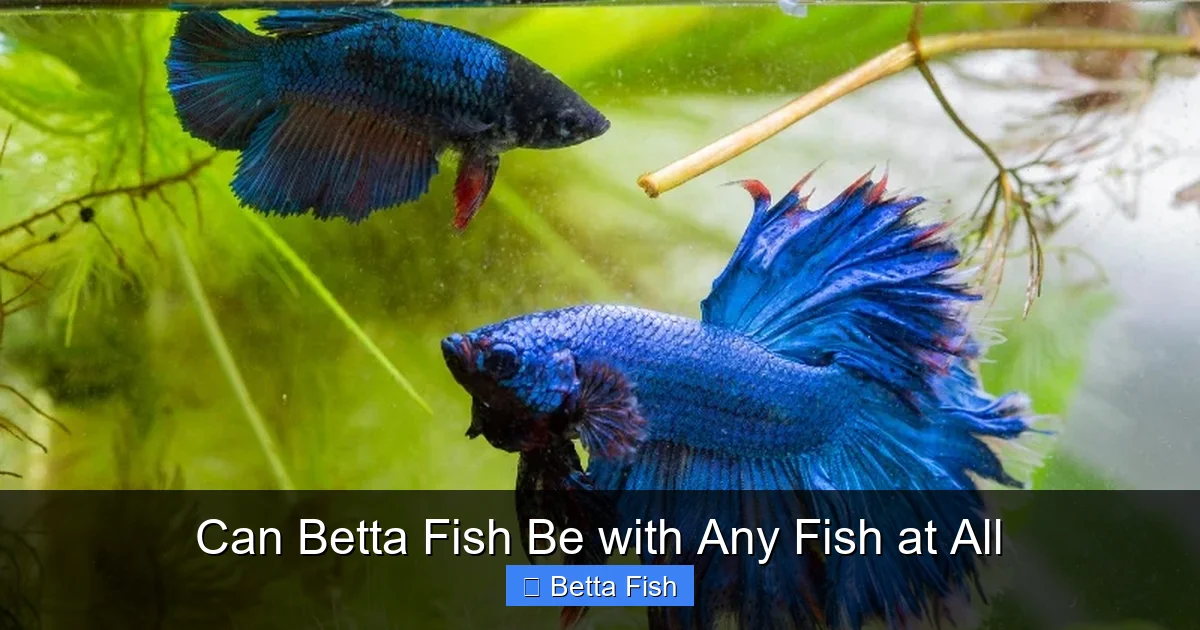
Visual guide about Can Betta Fish Be with Any Fish at All
Image source: infishtank.com
Male vs. female bettas
Male bettas are the classic “fighters.” Females are generally less aggressive and can tolerate a slightly larger community, though they still have a hierarchy. If you plan a mixed‑sex tank, keep the males separate to avoid serious injuries.
Impact of environment
Cramped spaces, poor water quality, and lack of hiding places amplify stress. A well‑planted, spacious tank mimics their natural habitat and reduces the urge to attack.
Tank Requirements for a Mixed Community
Size matters
Most experts agree that a single betta needs at least 5 gallons, but when you add companions, aim for 10‑20 gallons. The extra volume gives each fish its own “personal space” and dilutes waste, keeping water parameters stable.
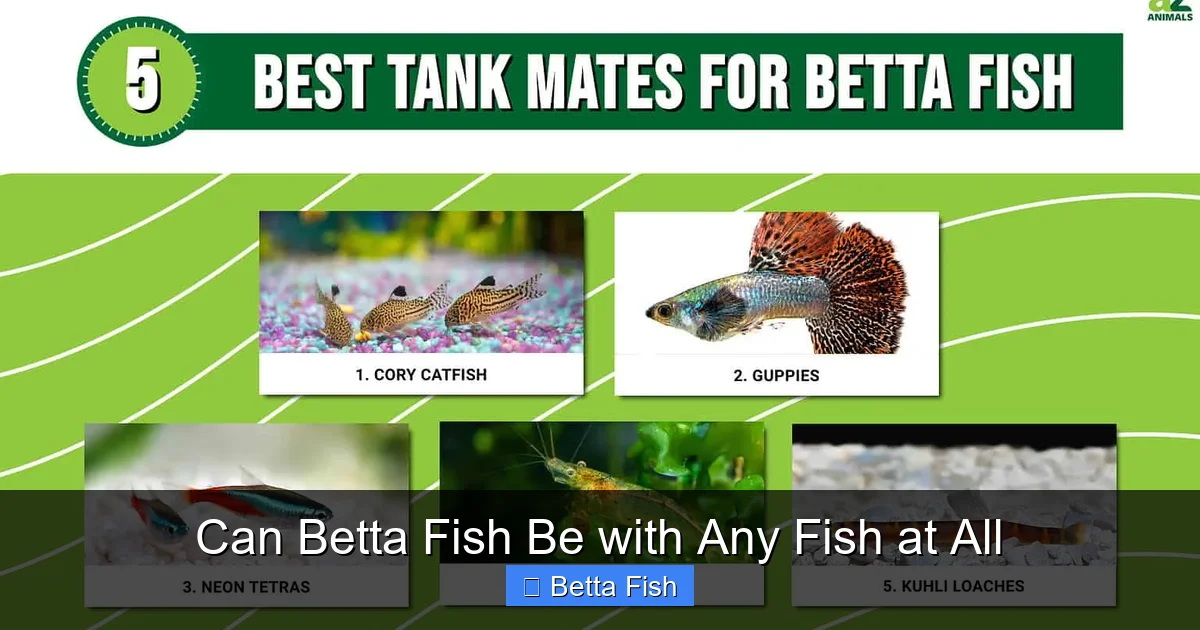
Visual guide about Can Betta Fish Be with Any Fish at All
Image source: a-z-animals.com
Water parameters
- Temperature: 76‑82 °F (24‑28 °C) – most tropical community fish thrive here.
- pH: 6.5‑7.5 – a neutral range works for bettas, tetras, rasboras, and most shrimp.
- Hardness: 4‑12 dGH – avoid very soft water if you plan to keep live plants that need minerals.
Filtration and flow
Betas are “slow swimmers” and dislike strong currents. Choose a gentle sponge filter or a power filter with a spray bar set to low. This keeps the water clean without stressing the betta.
Plants and décor
Live plants like Java fern, Anubias, and Vallisneria provide hiding spots and break up sight lines, which reduces aggression. Add floating plants for a surface cover that bettas love to rest under.
Which Fish Can Safely Share a Tank?
Small, peaceful schooling fish
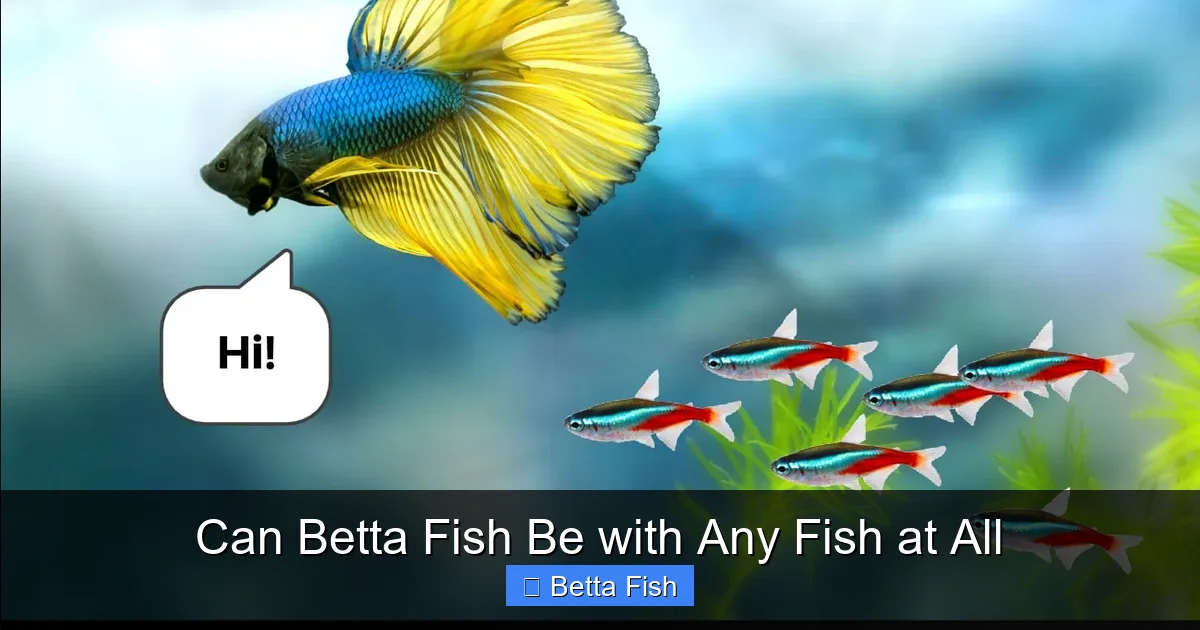
Schools of tiny, non‑aggressive fish are the best betta companions. Their movement distracts the betta and they stay out of the betta’s “personal zone.” Good choices include:
- Neon tetras (5‑10 cm)
- Harlequin rasboras (4‑5 cm)
- Ember tetras (2‑3 cm)
- Celestial pearl danios (3‑4 cm)
These species stay in the middle or upper water column, leaving the bottom for other inhabitants.
Bottom‑dwelling catfish
Corydoras catfish are peaceful, active, and love to scavenge leftover food. Their armored bodies protect them from occasional nips, and they occupy a different tank level.
Peaceful gouramis
Dwarf gouramis (Trichogaster lalius) are often compatible because they are similarly sized and share a calm temperament. However, avoid larger gouramis that may challenge the betta.
Invertebrate options
Snails and shrimp can add interest and help clean the tank. Larger shrimp like Amano shrimp usually coexist well, while tiny cherry shrimp may become snack for an especially hungry betta. For a safer bet, read our article on Can Shrimp Be With Betta Fish for detailed guidance.
What not to keep with bettas
- Fin‑nipping fish (e.g., guppies, endlers)
- Long‑finned species (e.g., fancy goldfish)
- Other male bettas – they will fight to the death.
- Very active or aggressive fish that chase the betta.
Step‑by‑Step: Setting Up a Community Tank with a Betta
1. Choose the right tank
Start with a 10‑gallon acrylic or glass tank. Ensure it has a lid; bettas love to jump.
2. Install substrate and décor
Use fine sand or smooth gravel, then add driftwood, rocks, and live plants. Create a “center island” of plants to break the line of sight.
3. Cycle the tank
Run the filter for at least 4 weeks, testing for ammonia, nitrite, and nitrate. Only introduce fish when all readings are safe (ammonia = 0, nitrite = 0, nitrate < 20 ppm).
4. Add the betta first
Acclimate the betta slowly using the drip method. Observe its behavior for a week to ensure it is healthy and not overly stressed.
5. Introduce community fish
Add a small school of tetras or rasboras using the same drip acclimation. Release them near the opposite side of the tank from the betta to reduce immediate territorial clashes.
6. Monitor and adjust
Watch for fin nipping, chasing, or excessive flaring. If a problem appears, be ready to remove the aggressor or provide additional hiding spots.
Common Mistakes and How to Avoid Them
Overcrowding
Even a large tank can become stressful if you pack too many fish. Follow the “one inch of fish per gallon” rule as a baseline, but adjust for betta temperament.
Ignoring water quality
Betas are sensitive to ammonia spikes. Conduct weekly water tests, perform 20‑30 % water changes, and keep the filter clean.
Choosing the wrong tank mates
Research each species before purchase. A quick read of Which Fish Can Be Kept With Betta will save you headaches later.
Conclusion: Answering the Big Question
So, can betta fish be with any fish at all? The answer is nuanced. A betta can share a tank with many peaceful, small‑bodied species if you provide enough space, stable water, and plenty of hiding places. Male bettas require extra caution, while females are a bit more forgiving. By following the guidelines above and staying observant, you can enjoy a vibrant community aquarium that showcases the betta’s beauty without compromising its health.
Remember, every betta has a unique personality. Some may thrive with a school of neon tetras, while others prefer a solo setup. Test, observe, and adjust—your patience will be rewarded with a stunning, harmonious tank.
Frequently Asked Questions
Can a male betta live with other fish?
Yes, but only with very peaceful, small fish and in a tank of at least 10 gallons. Avoid any other male bettas or fin‑nipping species.
Is it safe to keep a betta with guppies?
Generally not. Guppies have long, flowing fins that bettas may mistake for a rival, leading to nipping.
Can bettas share a tank with shrimp?
Large shrimp like Amano or ghost shrimp usually do well, while tiny cherry shrimp can become prey for an aggressive betta.
Do bettas get along with goldfish?
No. Goldfish produce a lot of waste, require cooler water, and their size and fin shape can trigger a betta’s aggression.
What is the best tank size for a betta community?
A minimum of 10 gallons for a betta plus one or two small schooling fish; 20 gallons gives more flexibility and stability.
How can I tell if my betta is stressed?
Look for constant flaring, loss of color, clamped fins, or refusing to eat. Reduce stressors immediately by checking water quality and tank mates.