What Fish Can Be with a Betta

Contrary to popular belief, many bettas can live with other fish if carefully introduced to a properly sized, decorated tank. Success depends on your betta’s individual temperament, choosing the right tank mates—typically peaceful, fast-moving, non-flashy species—and providing ample space and hiding spots. Always have a backup plan and be prepared to separate fish if aggression occurs.
Key Takeaways
- Your Betta’s Personality is Key: A betta’s individual temperament is the single most important factor. Some are aggressive loners, while others are curious and tolerant.
- Tank Size is Non-Negotiable: A minimum of 20 gallons is strongly recommended for any community tank with a betta to provide enough territory and dilute aggression.
- Choose “Boring” and “Fast” Tank Mates: Ideal companions are peaceful bottom-dwellers (like certain catfish) or fast-moving, short-finned fish (like some rasboras) that won’t trigger a betta’s aggression.
- Avoid Fin-Nippers and Flashy Fish: Never house bettas with fish known to nip fins (like some tetras) or with other brightly colored, long-finned fish (like guppies) that resemble a rival betta.
- The Tank Setup is Your Defense: Use abundant plants, driftwood, and caves to create visual barriers and break lines of sight, giving all fish places to hide and claim as their own.
- Introduction Process is Critical: Always quarantine new fish first, use a tank divider or acclimation box for the initial introduction, and monitor closely for several days.
- Always Have a Plan B: Keep a separate “hospital” tank ready. If severe chasing or fighting occurs, you must be prepared to remove the betta or its tank mate immediately.
📑 Table of Contents
- Debunking the Lone Wolf Myth: Can Bettas Have Friends?
- The Cardinal Rule: Understanding Your Betta’s Temperament
- The Ideal Tank Mate Checklist: What to Look For
- The “Absolutely Not” List: Fish to Never House with a Betta
- Building the Perfect Stage: Tank Setup for Success
- The Art of the Introduction: A Step-by-Step Guide
- Common Pitfalls and How to Avoid Them
- The Final Verdict: Is It Worth It?
Debunking the Lone Wolf Myth: Can Bettas Have Friends?
For decades, the betta fish, or Siamese fighting fish, has been unfairly labeled a solitary, aggressive creature that must live alone. You’ve seen them in tiny cups at the store, a solitary flash of color in a bleak environment. This has cemented the idea that they are destined for a life of isolation. But is that the whole truth? The reality is far more nuanced. While it’s absolutely true that male bettas are territorial and can be aggressive, labeling every single one as a guaranteed tank bully is a significant oversimplification. With careful planning, the right environment, and a deep understanding of your individual betta’s personality, many can successfully share a community tank with other peaceful species. The question isn’t just “what fish can be with a betta?” but “under what specific conditions can a betta live with other fish?” This article will serve as your complete guide to navigating that question, moving beyond myth to practical, actionable advice for creating a peaceful, thriving community aquarium centered around your beautiful betta.
The Cardinal Rule: Understanding Your Betta’s Temperament
Before you even think about another fish, you must know your betta. This isn’t a one-size-fits-all species. Just like people, bettas have distinct personalities shaped by genetics, past experiences, and their current environment. A betta raised in a peaceful community tank from a young age may be far more tolerant than a betta that has been alone for years. Observing your betta’s behavior in its current tank is your first and most important research step.
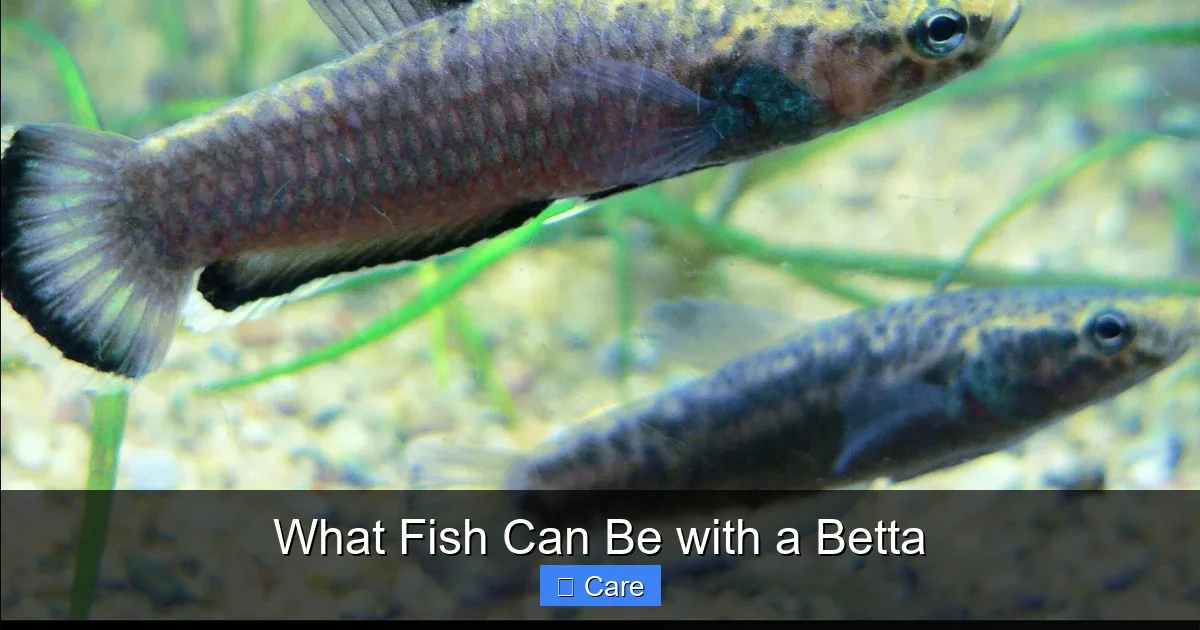
Visual guide about What Fish Can Be with a Betta
Image source: buildyouraquarium.com
The Spectrum of Betta Personalities
You can loosely categorize bettas into three temperament groups:
- The Aggressive/Reactive Betta: This is the classic stereotype. This betta will flare (puff up its gills and fins) at anything that moves near its territory—your hand, a filter intake, a passing shadow. It will consistently chase and attempt to attack any new fish introduced. This betta must live alone. Forcing community life causes chronic stress for everyone, leading to illness and death.
- The Curious/Bold Betta: This betta is confident. It might flare once or twice at a new arrival out of curiosity but will quickly lose interest. It patrols its space but doesn’t actively hunt or harass other fish. This is the ideal candidate for a community tank, but success is never guaranteed.
- The Timid/Shy Betta: Surprisingly common. This betta is easily stressed by boisterous tank mates. It may hide constantly, refuse to eat, or have its colors fade in a busy community. While it won’t start fights, it will be bullied or starved. This betta is often better off as a solitary centerpiece in a heavily planted, peaceful tank.
How to Test the Waters: If you already have a betta and are considering tank mates, conduct a simple “mirror test.” Hold a small mirror to the side of the tank. A highly aggressive betta will flare intensely and persistently. A curious one may flare once or twice then ignore it. A timid one may hide. This is a useful, though not definitive, indicator. The true test comes during a controlled introduction, which we’ll cover later.
The Ideal Tank Mate Checklist: What to Look For
If your betta shows signs of being a possible candidate for a community, you must become a strict matchmaker. You’re not looking for a friend for your betta; you’re looking for a fish that is fundamentally boring to a betta’s instincts. The perfect tank mate has these characteristics:
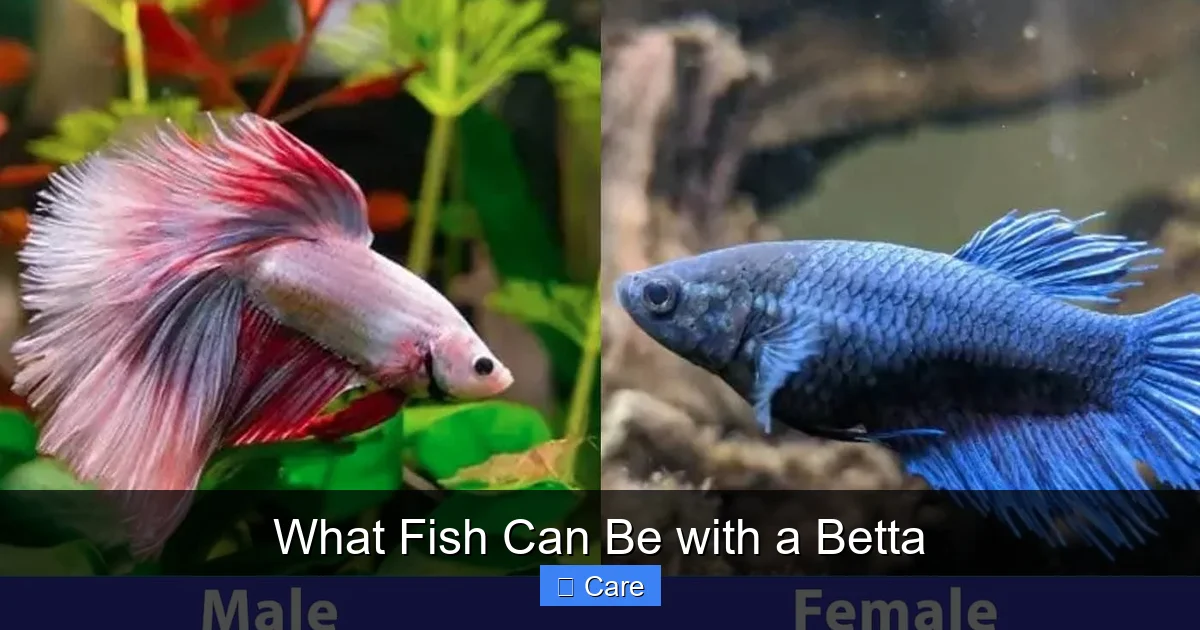
Visual guide about What Fish Can Be with a Betta
Image source: hepper.com
- Peaceful and Non-Territorial: It should not compete for the same spaces. Bottom-dwellers are excellent because they occupy a different stratum of the tank.
- No Long, Flowing Fins: A betta sees a fish with big, flowing fins (like a male guppy or a fancy goldfish) as a rival male betta. This is a guaranteed trigger for aggression.
- Not Brightly Colored (in a similar way): While not as strong a trigger as fin shape, some bettas react to other brightly colored fish, especially reds and blues. Opt for more subdued, earthy colors like greens, browns, or silvers.
- Fast and Agile: Speed is a defense. If your betta does give chase, the tank mate must be able to dart away quickly and dissipate the betta’s hunting instinct. Slow-moving fish are sitting ducks.
- Does Not School or Nip: A large school of tiny, active fish can stress a betta by constantly moving in its space. Some schooling fish (like certain tetras) have a reputation for fin-nipping, which is catastrophic for a betta’s magnificent, delicate fins.
Top Recommended Tank Mate Species
Based on the checklist above, here are the most commonly successful and recommended companions. Always research the specific species and its care requirements (water parameters, temperature, diet) to ensure they match your betta’s needs.
- Kuhli Loaches (Pangio kuhlii): The gold standard for betta companions. These eel-like, nocturnal loaches are incredibly peaceful, spend their time burrowing in the substrate or hiding under decorations, and have no fins to provoke your betta. They are social and should be kept in a small group of 3-5. They require a soft substrate and plenty of hiding places.
- Harlequin Rasboras (Trigonostigma heteromorpha) & Other Small Rasboras: These are excellent due to their speed, peaceful schooling nature, and preference for the upper tank levels. A school of 6-8 in a 20+ gallon tank provides beautiful activity without bothering a betta. Avoid larger, more boisterous rasboras like the scissortail.
- Ember Tetras (Hyphessobrycon amandae): If you want a tiny, fiery school, ember tetras are a great choice. Their small size (under 1 inch), orange-red color (which some bettas ignore), and peaceful demeanor make them a popular pick. Keep them in a group of 8 or more in a well-planted tank.
- Celestial Pearl Danios (Danio margaritatus) / Galaxy Rasboras: These stunning, tiny fish are active but not overly boisterous. They prefer cooler water (72-78°F), which can be a slight mismatch for a betta’s preferred 78-80°F, so ensure your tank’s temperature is a stable compromise around 78°F. A group of 6+ is ideal.
- Bristlenose Plecos (Ancistrus sp.): A single, common pleco can be a fantastic, algae-eating bottom dweller. Crucially, get the Bristlenose variety, not the common pleco. The common pleco grows huge (over a foot) and can become messy and aggressive. The Bristlenose stays small (4-5 inches), has a armored body, and is generally peaceful. Provide driftwood for it to graze on.
- Amano Shrimp (Caridina multidentata): Shrimp are not fish, but they can make excellent, low-profile tank mates. Amano shrimp are large (2+ inches), hardy, and primarily focused on eating algae and detritus. They have virtually no chance of being seen as food by a betta unless the betta is exceptionally predatory. Keep a small group (3-5). Note: Smaller shrimp like Cherry shrimp are often eaten, especially if the betta is hungry or inclined to hunt.
- Snails: Ramshorn, Nerite, Mystery, and Malaysian Trumpet snails are all excellent. They are completely ignored by bettas (unless the betta is starving) and provide useful scavenging services. Nerite snails are particularly good as they do not reproduce in freshwater.
The “Absolutely Not” List: Fish to Never House with a Betta
Just as important as knowing the good choices is knowing the bad ones. The following should never share a tank with a betta under any circumstances:
- Other Male Bettas: This is the most obvious. Two males will fight to the death unless separated by a solid, permanent divider in a very large tank.
- Female Bettas (Sorority): While female betta sororities (groups of 4-5+ females in a large, heavily planted tank) are possible for experts, they are complex and prone to sudden, fatal fights. Never house a male betta with females except for controlled breeding, which carries high risk.
- Guppies, Endlers, and other Livebearers with Long Fins: The flowing fins of male guppies are irresistible triggers for a betta’s aggression. Female guppies are a slightly better but still risky option due to their activity level.
- Most Tetras: With the notable exception of some small, peaceful species like Ember Tetras, many tetras (Neon, Cardinal, Black Skirt, etc.) are notorious fin-nippers. They will relentlessly nip at a betta’s long, flowing fins, causing severe stress and injury.
- Angelfish and other Cichlids: These are large, often aggressive fish that will either bully the betta or be bullied by it. The size mismatch and territorial nature make this a disaster waiting to happen.
- Fancy Goldfish: They require much colder water (68-74°F) than bettas (78-80°F). Beyond the temperature incompatibility, goldfish are messy, produce massive amounts of waste, and can easily outgrow and out-eat a betta.
- Dwarf Gouramis: They are in the same family as bettas (Osphronemidae) and share a similar body shape and behavior. They are almost always seen as a rival and will be attacked or will attack the betta.
Building the Perfect Stage: Tank Setup for Success
Your tank’s physical layout is your most powerful tool for preventing conflict. You are building a landscape with many hiding spots and visual barriers to break the betta’s line of sight to its potential tank mates. A bare tank is a boxing ring; a well-decorated tank is a sprawling city where everyone can have their own neighborhood.
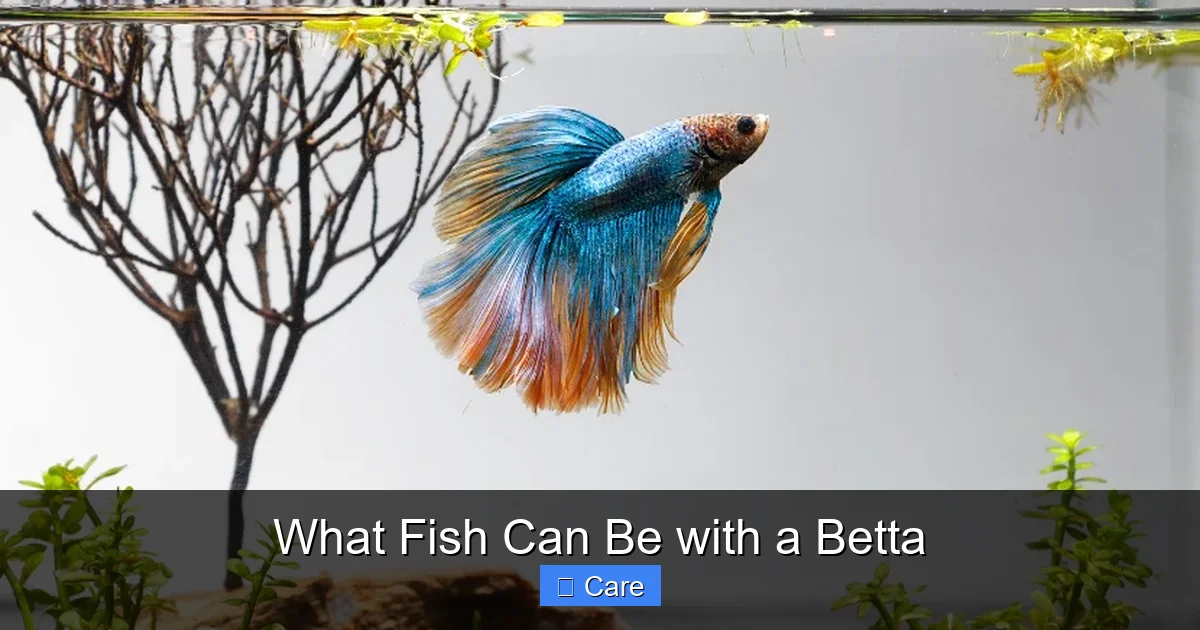
Visual guide about What Fish Can Be with a Betta
Image source: japanesefightingfish.org
Tank Size: Bigger is Infinitely Better
This cannot be stressed enough. The ubiquitous 5-gallon “betta tank” is a starting point for a solitary betta. For a community, you need to think much larger. A 20-gallon long tank is the absolute minimum recommended size. This provides a footprint (length) that allows for distinct territories. A 29-gallon or 40-gallon breeder tank is even better. More water volume dilutes waste and aggression, and provides more space for fish to establish their own areas away from the betta’s favorite spots.
Aquascaping for Peace
Your goal is to create a maze. Use a combination of:
- Live Plants: The best option. Floating plants like Salvinia or Duckweed (though they can overrun a tank) create a surface canopy that bettas and other fish love. Tall, leafy plants like Amazon Swords, Cryptocorynes, and Java Ferns provide mid-level cover. Short carpeting plants like Dwarf Hairgrass or Monte Carlo cover the foreground.
- Driftwood and Rock Caves: These create definitive territories. Place them strategically to break sightlines from the betta’s primary resting spot (often near the surface) to the other side of the tank.
- Pottery and PVC Tubes: Unglazed terracotta pots (with a hole knocked out for a cave) and clean PVC pipe segments are cheap, effective hiding spots for loaches, shrimp, and timid fish.
The substrate should suit your bottom-dwellers. Soft sand or fine gravel is ideal for Kuhli loaches that like to burrow.
Equipment and Maintenance
A community tank means a heavier bioload. You need:
- A Powerful, Efficient Filter: A hang-on-back (HOB) or canister filter rated for your tank size is essential. Use a spray bar or pre-filter sponge to soften the outflow, as bettas hate strong currents.
- A Secure Lid: Bettas are notorious jumpers, and some tank mates (like certain danios) are too. A tight-fitting lid is non-negotiable.
- Strict Water Change Regime: Test water parameters weekly (ammonia, nitrite, nitrate, pH). Perform 25-30% water changes weekly to keep nitrate levels low and water pristine, which reduces stress for all inhabitants.
The Art of the Introduction: A Step-by-Step Guide
Rushing the introduction is the number one reason community tanks with bettas fail. You must be patient and methodical.
Step 1: Quarantine All New Fish
Any new fish you bring home must spend at least 2-4 weeks in a separate quarantine tank. This is to observe for signs of disease (ich, velvet, dropsy) and treat it before it can infect your main display tank. This step protects your entire ecosystem.
Step 2: Rearrange the Tank
On the day of introduction, completely rearrange the hardscape and plants in the main tank. Move all the caves, driftwood, and plants to new positions. This disrupts the established territory of your resident betta. When you add the new fish, the betta will see the tank as a new, neutral space, not its defended home, which can significantly reduce initial aggression.
Step 3: The Acclimation Box (Highly Recommended)
Do not simply net the new fish and drop it in. Use a tank divider or a specialized acrylic acclimation box that sits inside the main tank. This allows the fish to see each other through a clear barrier but prevents physical contact. Let them acclimate to the water parameters and observe each other for 24-48 hours.
- Watch for intense, persistent flaring and charging from the betta side.
- Watch for the new fish hiding in the corner of the box, constantly panicked.
- If after 24 hours the betta shows only mild curiosity (a flare or two, then ignoring), you can proceed. If aggression is extreme, the betta may not be a candidate for a community.
Step 4: The First Release
At night, when fish are less active, use a net to gently release the new fish from the acclimation box into the rearranged main tank. Some people also add a few drops of a stress-coating product like Stress Coat to the water to help soothe the fish. Keep the lights off or very dim for the rest of the day.
Step 5: Vigilant Monitoring
For the first 72 hours, watch the tank constantly, especially during feeding times (when competition can trigger aggression). Have a net and a separate “hospital” tank ready. Be prepared to remove either the betta or the new fish if chasing becomes relentless, if one fish is being cornered, or if any fish is physically harmed (torn fins, missing scales). Sometimes, a fish just needs a few days to settle. Other times, the pairing is fundamentally incompatible.
Common Pitfalls and How to Avoid Them
Even with the best planning, things can go wrong. Here are the most common mistakes and their solutions.
Mistake 1: Adding Fish to a Small, Bare Tank
The 5-gallon betta tank with a single plastic plant is a recipe for disaster. There is no space to escape, no visual barriers. The betta will see any other fish as an intruder in its tiny domain. Solution: Start with a properly sized, heavily planted tank before even considering tank mates.
Mistake 2: Choosing Fish Based Solely on “Peaceful” Lists
Just because a fish is listed as “peaceful” doesn’t mean it’s a good betta mate. A peaceful fish that is also slow-moving (like a slow loris, for example—not a fish!) or has long fins (like a fancy guppy) is still a bad choice. Always cross-reference the “peaceful” trait with the “fast and boring” checklist.
Mistake 3: Ignoring the Betta’s Signals
Flaring is a warning sign. Persistent flaring combined with chasing is a declaration of war. Hiding and not eating are signs of severe stress. Many hobbyists think “they’ll work it out.” They won’t. Solution: Act immediately. Separate the fish. Your betta’s stress can lead to a compromised immune system and diseases like dropsy or fin rot.
Mistake 4: Overcrowding
Just because you have a 20-gallon tank doesn’t mean you can add a dozen different species. Follow the general stocking rule of 1 inch of fish per gallon, but use it as a very loose guideline. Bioload matters more than length. A Kuhli loach and a school of 6 ember tetras in a 20-gallon is a reasonable, low-biomass load. Adding a pleco, a school of danios, and a cory catfish might be too much.
Mistake 5: Poor Feeding Strategy
In a community tank, the betta (being a surface feeder) might not get its share of food if faster, more aggressive mid-level swimmers are present. Solution: Target-feed your betta first with a small pellet that sinks slowly, using a turkey baster or pipette to place it right in front of it. Then feed the rest of the tank. This ensures your betta is well-fed and less likely to see new fish as competition for food.
The Final Verdict: Is It Worth It?
Keeping a betta in a community tank is a rewarding challenge for the dedicated aquarist. It moves you from simply maintaining a pet to curating a complex, interactive ecosystem. Watching your curious betta cautiously investigate a school of rasboras, or seeing your Kuhli loaches dart out from under a driftwood log while the betta floats obliviously above, is a unique joy. However, it comes with significant responsibility. It requires a larger tank, more upfront research, a larger budget for equipment and livestock, and a willingness to intervene at the first sign of trouble. If you are a beginner, the safest and kindest path is to keep your betta as a solitary king or queen in a beautifully planted, properly sized species tank. You will not be depriving it; you will be providing the stress-free, optimal environment it deserves. But if you have the experience, the space, and the patience to do it right, a successful betta community tank is one of the most beautiful and fascinating displays in the freshwater hobby.
Frequently Asked Questions
Can I keep a betta with shrimp?
Yes, but with caution. Larger, hard-shelled shrimp like Amano shrimp or Ghost shrimp have a good chance of survival, as they are often ignored as “scenery.” Small, soft-bodied shrimp like Cherry shrimp are frequently seen as a snack by bettas, especially if the betta is hungry or has a high prey drive. A heavily planted tank gives shrimp more places to hide. Never introduce shrimp to an established betta that has already shown aggression towards other tank mates.
What about keeping a betta with other bettas?
Never house two male bettas together. They will fight to the death. Female betta sororities (groups of 4-5+ females) are possible only in a very large, heavily planted tank (40+ gallons) with many visual barriers and require expert-level monitoring. Even then, sudden, fatal fights can occur. A male should never be housed with females except for controlled, supervised breeding, which carries high risk to the female.
Can I put a betta in a community tank with tetras?
It depends entirely on the tetra species. Small, peaceful tetras like Ember Tetras or Harlequin Rasboras (which are technically rasboras, not tetras) are often successful. Larger, more active tetras like Neon Tetras, Cardinal Tetras, or Black Skirt Tetras have a well-documented reputation for fin-nipping and should be avoided. Even “peaceful” tetras should be kept in a proper school of 6+ to分散 their activity and reduce stress.
How big of a tank do I need for a betta and tank mates?
The absolute minimum is a 20-gallon long tank. This provides enough horizontal space for territories to be established. A 29-gallon or 40-gallon breeder tank is significantly better and allows for a more diverse and robust community. The extra length is more important than extra height, as it creates more distinct zones.
My betta is flaring at the new fish. What do I do?
Flaring alone isn’t an immediate failure; it’s a warning. Watch the context. Is it a single flare followed by the betta going back to its business? That may be initial curiosity. Is it persistent, aggressive flaring combined with chasing the new fish into corners? That is aggressive behavior. If the chasing is relentless and the new fish is visibly stressed (hiding, not eating, clamped fins), you must separate them using a tank divider or move one fish to a hospital tank. Do not wait for physical damage to occur.
Are there any invertebrates besides shrimp that work?
Yes! Snails are an excellent choice. Nerite snails (which do not reproduce in freshwater), Ramshorn snails, Mystery snails, and Malaysian Trumpet snails are all typically ignored by bettas. They provide useful cleanup and add interest. Some aquarists have success with larger, peaceful freshwater crabs (like Red Claw or Thai Micro crabs), but crabs can be opportunistic and may try to eat a sleeping betta or small shrimp, so they require careful observation.