Do Betta Fish Like to Hide

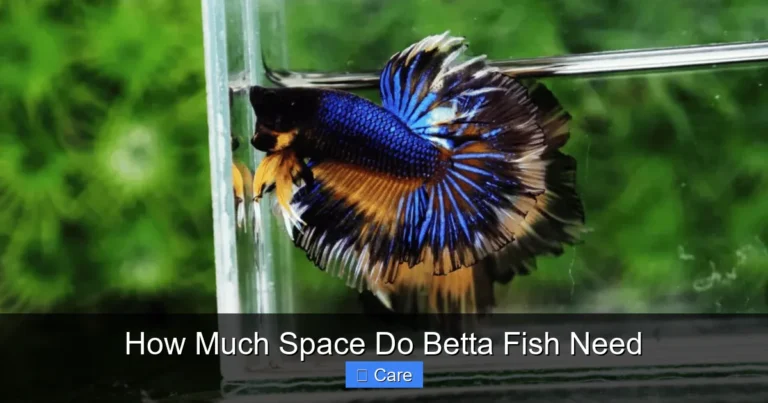
Betta fish naturally seek hiding spots to feel safe, reduce stress, and display their best colors. By understanding their hiding instincts and providing the right décor, you can keep your betta thriving and lively. Simple tweaks to lighting, temperature, and tank layout make all the difference.
Key Takeaways
- Natural instinct: Betta fish are wild‑caught hunters that love to hide from predators.
- Stress reduction: A good hideout lowers cortisol and keeps colors vibrant.
- Tank setup matters: Live plants, caves, and driftwood give the best cover.
- Lighting & temperature: Proper light cycles and warm water encourage healthy hiding behavior.
- Observation tip: If your betta never leaves a hideout, it may be sick or stressed.
- Seasonal changes: Betta hiding habits can shift with breeding or temperature swings.
- Easy upgrades: Adding a few inexpensive decorations can transform a barren tank into a hide‑friendly haven.
📑 Table of Contents
- Introduction: The Secret Life of Betta Hideaways
- 1. Why Betta Fish Hide: Evolution, Safety, and Comfort
- 2. Recognizing Healthy Hiding vs. Problematic Hiding
- 3. Creating the Perfect Hiding Environment
- 4. How Tank Conditions Influence Hiding Behavior
- 5. Practical Tips to Encourage Healthy Hiding
- Conclusion: Embrace the Hide, Celebrate the Color
Introduction: The Secret Life of Betta Hideaways
When you first bring a betta home, you might notice it darting behind a leaf or a piece of décor as soon as the lights come on. That isn’t shyness—it’s a survival skill honed over centuries in the shallow, vegetated waters of Southeast Asia. In the wild, bettas (also called Siamese fighting fish) hide from larger predators, ambush unsuspecting prey, and find quiet spots to rest. Translating that instinct to a 5‑gallon aquarium can feel puzzling, especially when you hear the question, do betta fish like to hide?
The short answer is yes, they love hiding, but the full story is richer. Hiding isn’t a sign of illness; it’s a sign of comfort. By giving your betta the right kind of cover, you’re actually boosting its immune system, encouraging natural color displays, and even supporting breeding behaviors. This guide walks you through the why, the how, and the practical steps to make hiding a happy habit for your betta.
1. Why Betta Fish Hide: Evolution, Safety, and Comfort
1.1. A Legacy of Survival
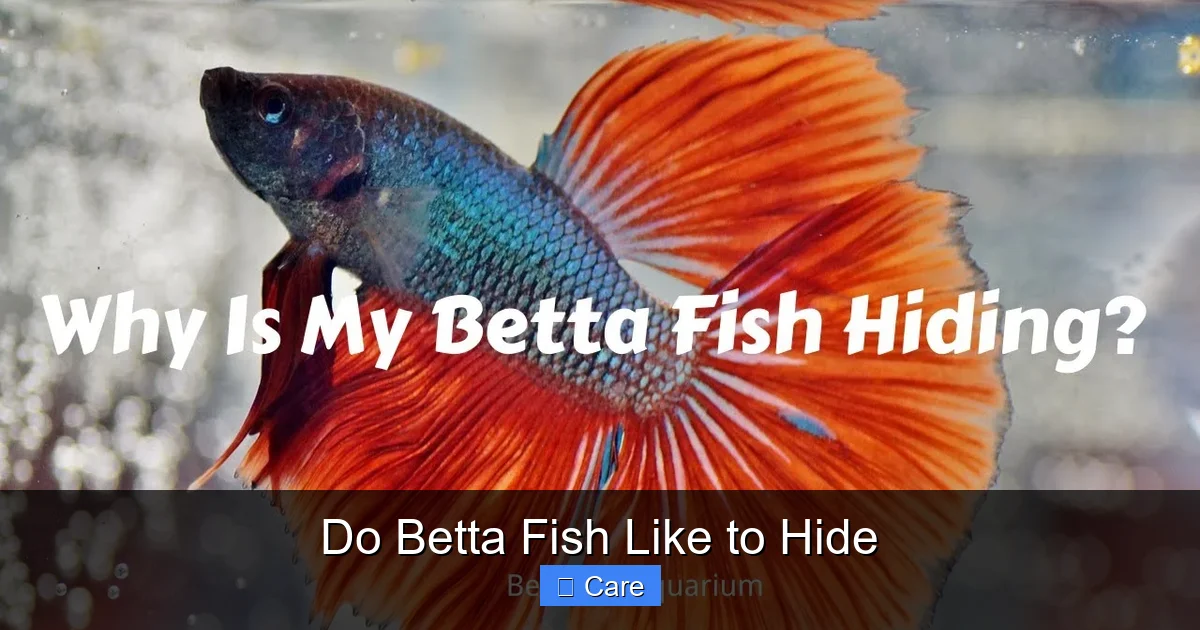
Betta fish evolved in rice paddies, slow‑moving streams, and flooded jungle floors where dense vegetation provided both food and protection. In those habitats, a bright, flowing fin could attract a hungry predator, so staying out of sight was a matter of life or death. This evolutionary pressure explains why the instinct to hide is hard‑wired into every betta’s brain.
Visual guide about Do Betta Fish Like to Hide
Image source: i.ytimg.com
1.2. Reducing Stress Improves Health
When a betta feels exposed, its cortisol levels rise. Chronic stress can lead to faded colors, fin rot, and a weakened immune response. A secure hideout lets the fish relax, which in turn keeps its colors bright and its fins strong. Research on cyprinid stress shows a direct link between environmental enrichment (like hiding places) and lower disease rates.
1.3. Hiding Helps with Feeding and Breeding
Betta fish are ambush predators. They wait motionless behind a leaf or a rock, then strike at passing fry or daphnia. Providing a place to hide mimics this hunting style and can actually improve appetite. During breeding season, males build bubble nests near the surface but still retreat to a shelter when they need a break. Understanding these cycles helps you answer the core question: do betta fish like to hide?—they definitely do, and they need it.
2. Recognizing Healthy Hiding vs. Problematic Hiding
2.1. Normal Hiding Patterns
A healthy betta will explore, dart, and then settle in a favorite spot for a few minutes to rest. You’ll see it swim out, inspect the water, and then retreat again. This pattern is normal and shows the fish feels secure.

Visual guide about Do Betta Fish Like to Hide
Image source: nicebettathailand.com
2.2. Signs of Trouble
- Constantly hidden: If the betta never leaves a cave, it may be sick or experiencing poor water quality.
- Clamped fins: A betta that hides with tightly clamped fins could be stressed by temperature or lighting.
- Loss of appetite: Hiding that coincides with reduced feeding often signals an underlying issue.
If you notice these warning signs, check the water parameters, temperature, and lighting. A quick read of what temperature do betta fish need can guide you.
3. Creating the Perfect Hiding Environment
3.1. Choosing the Right Hiding Spots
Not all décor works equally well. Here are the top choices:
Visual guide about Do Betta Fish Like to Hide
Image source: diyseattle.com
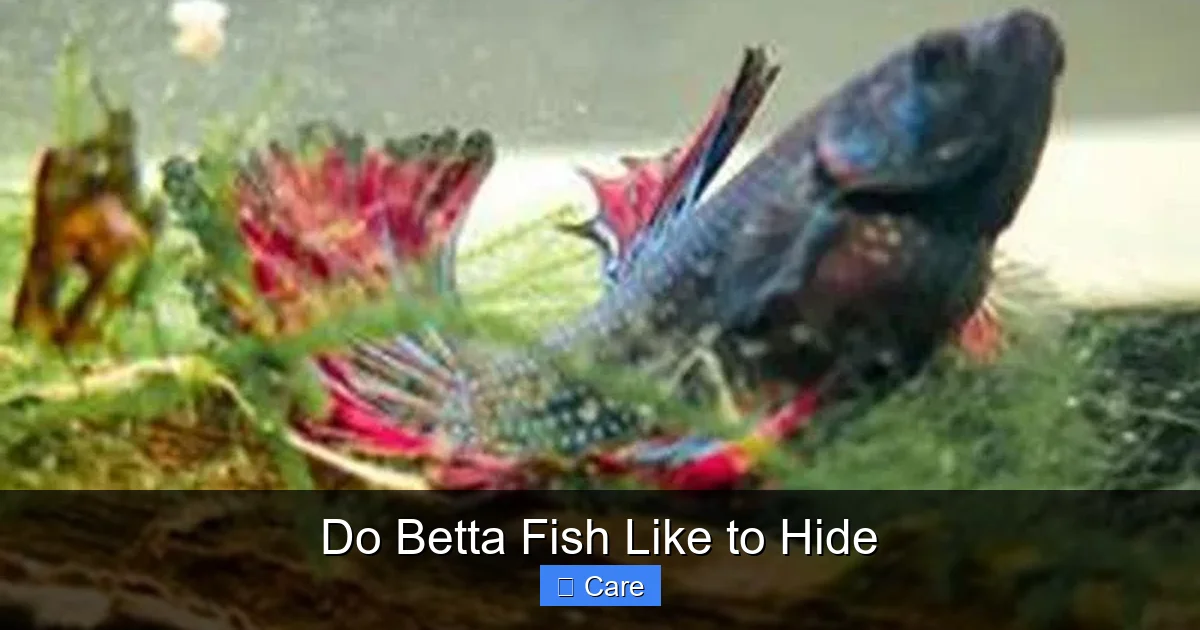
- Live plants: Java fern, Anubias, and Marimo moss provide natural cover and improve water quality.
- Caves and PVC pipes: Smooth‑sided tubes mimic riverbank crevices.
- Driftwood and roots: Rough bark offers nooks for a betta to perch behind.
- Ornamental pots: Small ceramic pots turned upside down create a simple shelter.
For a deeper dive into plant selection, see our guide on what do betta fish like in their tank.
3.2. Placement Tips
Position hides near the tank’s back corner, away from high‑traffic areas. This reduces the chance of the betta feeling exposed when you clean the tank or feed. Also, keep one hide close to the water surface for bubble‑nesting males, and another near the bottom for resting during the night.
3.3. Light and Shadow Balance
Betta fish appreciate a gentle light cycle—about 8‑10 hours of moderate illumination. Too bright, and they’ll burrow; too dim, and they may become lethargic. Using a dimmable LED with a shaded corner mimics sunrise and sunset, encouraging natural hiding and activity rhythms. Learn more about lighting preferences in do betta fish like light.
4. How Tank Conditions Influence Hiding Behavior
4.1. Temperature Matters
Betta fish thrive at 76‑82°F (24‑28°C). When the water is too cold, they become sluggish and hide more often as a self‑preservation tactic. Conversely, water that’s too warm can cause stress and increase hiding as the fish seeks cooler spots. Regularly test the temperature with a reliable aquarium heater.
4.2. Water Quality and Flow
Stagnant water can lead to ammonia spikes, prompting the betta to hide. A gentle filter that creates a soft current is ideal—strong currents make bettas feel exposed, while no flow can degrade water quality. Performing a routine water change (about 25% weekly) keeps parameters stable. For step‑by‑step instructions, read how to do a water change for betta fish.
4.3. Tank Size and Layout
Even though bettas can survive in small bowls, a 5‑gallon tank gives enough space for multiple hideouts and proper swimming. Overcrowding with too many decorations can limit hiding options, while an empty tank offers nothing to retreat to. Aim for a balanced layout: 30% of the tank volume occupied by décor, the rest open for swimming.
5. Practical Tips to Encourage Healthy Hiding
5.1. Rotate Decorations
Betta fish can become bored with static environments. Every few weeks, gently rearrange plants or swap a cave for a new one. This mimics the changing vegetation in the wild and stimulates natural exploring behavior.
5.2. Use Floating Plants
Floating moss or duckweed creates shade on the surface, giving the betta a place to hide while still allowing access to the water column. It also helps regulate temperature and provides a natural feel.
5.3. Offer “Hide‑and‑Seek” Feeding
Drop a few daphnia or frozen bloodworms near a hideout. The betta will emerge, chase the food, and then retreat—reinforcing the hideout as a safe foraging zone.
5.4. Monitor Behavior During Breeding
Male bettas build bubble nests near the surface but still need a retreat when they’re not courting. Keep a separate cave for the male to escape to, preventing aggression toward the female.
5.5. Keep a Consistent Light Cycle
Set a timer for the aquarium light. Consistency helps the betta’s circadian rhythm, reducing anxiety and encouraging natural sleep spots (see where do betta fish like to sleep).
Conclusion: Embrace the Hide, Celebrate the Color
Answering the question do betta fish like to hide is simple: yes, they love it, and they need it. Hiding is a window into a betta’s well‑being. By providing the right décor, maintaining optimal temperature and water quality, and observing your fish’s behavior, you create a thriving environment where your betta can showcase its brilliant colors and graceful fins.
Remember, a happy betta is a hidden‑friendly betta. Give it places to explore, rest, and feel safe, and you’ll be rewarded with a vibrant, active companion that brightens any room.
Frequently Asked Questions
Do betta fish naturally hide in the wild?
Yes. In their native habitats of rice paddies and slow streams, bettas hide among dense vegetation to avoid predators and ambush prey.
How many hideouts should I provide for one betta?
Two to three varied hideouts are ideal—one near the surface for bubble‑nesting males and another at the bottom for resting at night.
Can too many hiding spots cause stress?
Usually not. However, an overly cluttered tank can limit swimming space and reduce water flow, which may lead to stress. Balance is key.
What type of plants are best for betta hiding?
Live plants like Java fern, Anubias, and Marimo moss are excellent because they are sturdy, provide cover, and improve water quality.
My betta never leaves a cave—should I be worried?
If the fish is eating, showing normal coloration, and the water parameters are stable, occasional extended hiding is normal. Persistent hiding with loss of appetite may indicate illness.
Do lighting changes affect betta hiding behavior?
Yes. Sudden bright light can make a betta dart to a hideout. Maintaining a consistent dim‑to‑moderate light cycle helps keep hiding behavior calm and natural.