What Does It Mean When Your Betta Fish Doesn’t Eat
When a betta fish stops eating, it’s often a sign of stress, illness, or unsuitable tank conditions. By checking water quality, diet, and behavior, you can quickly identify the cause and help your finned friend regain its appetite.
Key Takeaways
- Water quality matters: Poor parameters are the top reason bettas refuse food.
- Diet variety helps: Sticking to one food type can cause boredom or nutritional gaps.
- Look for illness signs: Faded colors, clamped fins, or unusual swimming often accompany loss of appetite.
- Stress triggers: New tank mates, loud vibrations, or temperature swings can make a betta stop eating.
- Quick fixes: A short fast, water change, and offering a live or frozen treat usually jump‑starts feeding.
- When to seek help: If your betta refuses food for more than 48 hours, consult a vet or experienced keeper.
- Regular monitoring: Keeping a simple log of feedings and water tests prevents future problems.
📑 Table of Contents
Introduction
Betta fish are known for their vibrant colors and feisty personalities. As a pet owner, you probably enjoy watching your little champion flare its fins and explore its home. But what happens when that same fish suddenly stops eating? A finicky eater can be a harmless quirk, yet it can also signal deeper issues that need immediate attention.
In this guide we’ll break down the most common reasons a betta won’t eat, how to spot warning signs, and what you can do right now to get your fish back on track. Think of it as a friendly chat over a cup of tea—simple, practical, and packed with useful tips.
1. Water Quality – The Hidden Culprit
Why water matters more than you think
Betta fish are native to shallow, warm waters of Southeast Asia where the water is soft and slightly acidic. In a home aquarium, even small changes in pH, ammonia, nitrite, or temperature can make a betta feel uncomfortable and refuse food.
Key water parameters to check
- Temperature: Keep it between 76‑82 °F (24‑28 °C). Sudden drops can suppress appetite.
- pH: Aim for 6.5‑7.5. A spike above 8 can stress the fish.
- Ammonia & nitrite: Both should be 0 ppm. Even low levels cause irritation.
- Hardness: Soft water (50‑150 ppm GH) mimics their natural habitat.
Quick water‑check routine
1. Test the water with a reliable kit.
2. Perform a 25‑30 % water change if any parameter is out of range.
3. Rinse the filter media in old tank water (not tap water) to preserve beneficial bacteria.
After a clean water change, offer a small amount of food. Most bettas will start eating within an hour if water quality was the issue.
2. Diet – Variety Is the Spice of Life
Are you feeding the same thing every day?
Betta fish are carnivores. In the wild they hunt tiny insects and larvae. In captivity, many owners rely solely on dry pellets, which can become stale or unappealing over time.
What to feed for a hungry betta
Try offering a mix of high‑quality betta pellets, frozen or live bloodworms, and occasional brine shrimp. The movement of live food often stimulates a reluctant eater.
Feeding schedule and portion size
- Feed 2‑3 small meals per day, no more than the size of the fish’s eye.
- If the betta skips a meal, wait 15‑20 minutes before offering a different food.
- Do not overfeed; excess waste degrades water quality.
For more ideas on a balanced diet, see our article on what does betta fish eat.
3. Illness – When Loss of Appetite Is a Symptom
Spotting a sick betta
A betta that doesn’t eat may be fighting an infection, parasite, or internal issue. Look for these accompanying signs:
- Faded or blotchy coloration.
- Clamped fins (held close to the body).
- Rapid or labored breathing at the surface.
- White spots, cotton‑like growth, or ulcers.
- Floating upside down or sinking to the bottom.
If you notice any of these, isolate the fish in a hospital tank with clean, warm water and consider a betta‑specific medication.
Common diseases that affect appetite
Ich (white spot disease) – Tiny white cysts appear on the body; the fish often stops eating.
Fin rot – Bacterial infection causing frayed fins; loss of appetite follows.
Swim bladder disorder – Affects buoyancy and can make the fish too stressed to feed.
For a visual guide, read what does a sick betta fish look like.
4. Stress Factors – The Subtle Triggers
Environmental stressors
Betta fish are territorial and can become anxious from:
- Frequent tapping on the tank.
- Bright, direct lighting.
- Strong water currents (use a gentle sponge filter).
- Incompatible tank mates (fin nippers, aggressive fish).
How to create a calm environment
1. Place the tank in a quiet area away from TVs and windows.
2. Use a low‑intensity LED light on a 10‑hour cycle.
3. Provide plenty of hiding spots with plants or caves.
4. Keep the water temperature stable; avoid sudden changes.
When stress leads to refusal to eat
If you recently introduced a new decoration or moved the tank, give your betta a few days to adjust before offering food again.
5. Practical Steps to Re‑Stimulate Eating
Short fasting – why it works
Just like humans, a brief fast can reset a betta’s digestive system. Skip feeding for 24‑48 hours, then offer a highly appealing treat such as a small piece of live brine shrimp or a dab of high‑protein pellet.
Hand‑feeding technique
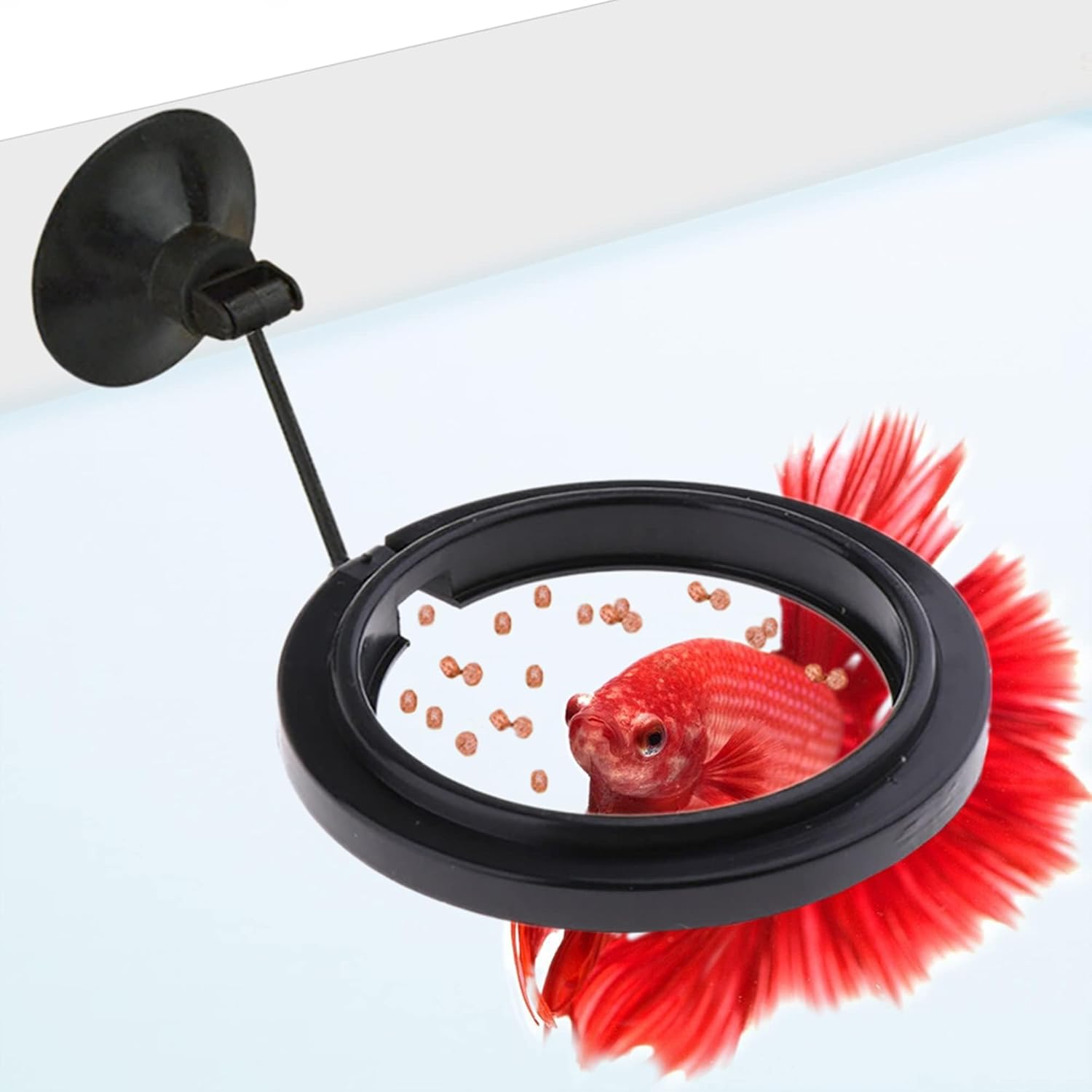
Gently dip a clean fingertip into the food and hold it near the fish’s mouth. Most bettas will snap at the moving food, especially if it’s a live or frozen item.
Use of appetite stimulants
Some hobbyists add a pinch of gelatin (unflavored) to the water; it releases a scent that can entice a picky eater. Use sparingly and monitor water quality.
6. When to Seek Professional Help
Red flags that need veterinary attention
- No food intake for more than 48 hours.
- Rapid weight loss (visible spine).
- Visible signs of disease (spots, fin damage).
- Consistent floating or sinking behavior.
If any of these occur, contact a vet who specializes in fish or an experienced aquarium store. Early intervention can save your betta’s life.
Preparing for a vet visit
Bring a water sample, note the tank parameters, and write down any recent changes (new decorations, diet shifts, temperature adjustments). This information helps the vet diagnose quickly.
Conclusion
Understanding what does it mean when your betta fish doesn’t eat is the first step toward keeping your pet healthy and happy. Most often, the cause is a simple water‑quality issue, a monotonous diet, or a temporary stressor. By regularly testing the water, offering varied and fresh foods, and watching for signs of illness, you can prevent most feeding problems before they become serious.
Remember, a betta that stops eating is sending you a message. Listen, act fast, and you’ll likely see that bright flash of color and eager fin flare return in no time.
Frequently Asked Questions
Why is my betta not eating?
Common reasons include poor water quality, a boring diet, stress, or an underlying illness. Start by testing the water and offering a different food.
How long can a betta survive without food?
Adult bettas can typically survive 5‑7 days without eating, but health declines quickly after 48 hours, especially if water conditions are bad.
What should I feed a betta that won’t eat?
Try a small amount of live or frozen food such as brine shrimp or bloodworms. The movement often triggers a feeding response.
Can water temperature affect my betta’s appetite?
Yes. Temperatures below 76 °F (24 °C) can slow metabolism, while sudden spikes cause stress and loss of appetite.
Is it normal for bettas to skip meals occasionally?
Occasional skips are okay, especially during molting or after a tank change. Consistent refusal, however, needs investigation.
When should I take my betta to a vet?
If your betta refuses food for more than 48 hours, shows signs of disease, or displays abnormal swimming, seek professional help immediately.