Where to Keep Betta Fish
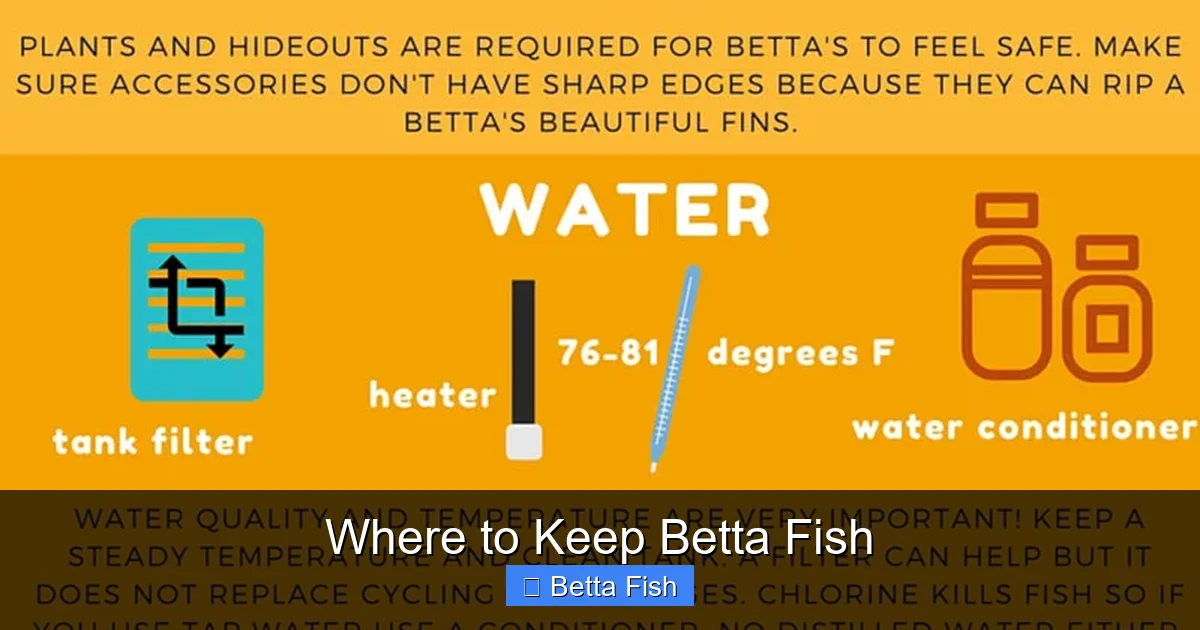
Contrary to popular belief, Betta fish need more than a small bowl to thrive. Providing the proper environment is crucial for their health, color, and longevity. This means a heated, filtered tank of at least 5 gallons with secure plants for hiding and clean, stable water conditions. The right setup transforms your Betta from a bored, stressed fish into an active, curious companion.
Key Takeaways
- Tank Size is Non-Negotiable: A minimum of 5 gallons is essential for a single Betta; larger is always better for water stability and swimming space.
- Warmth is a Requirement: Betta fish are tropical and require a consistent water temperature between 78°F and 80°F, necessitating an aquarium heater.
- Filtration is Mandatory: A gentle filter is needed to cycle the tank and remove toxins; choose one with adjustable flow to protect the Betta’s delicate fins.
- Water Quality is Everything: Cycling the tank before adding a Betta and performing regular water changes are critical to prevent toxic ammonia and nitrite buildup.
- Decor Provides Security: Live or silk plants, caves, and other hiding spots reduce stress by mimicking a natural environment and giving the Betta places to rest.
- Placement Matters: Position the tank away from direct sunlight, drafts, and high-traffic areas to maintain stable temperatures and reduce stress.
- Beware of Tank Mates: Most male Bettas are aggressive; careful selection of peaceful, short-finned tank mates for a community tank is possible but requires close observation.
📑 Table of Contents
- Debunking the Bowl Myth: Why Your Betta Deserves a Real Home
- The Foundation: Choosing the Right Tank Size and Shape
- The Water of Life: Mastering Temperature and Chemistry
- Filtration and Flow: Keeping the Water Clean Without Harming Fins
- Creating a Bettascape: Decor, Plants, and Hiding Spots
- Tank Mates: The Delicate Art of Community Living
- Placement and Environment: Setting the Scene in Your Home
- Conclusion: Building a Forever Home
Debunking the Bowl Myth: Why Your Betta Deserves a Real Home
If you’re wondering where to keep a betta fish, the first and most important step is to forget everything you’ve seen in a pet store display. That tiny, decorative bowl with a single plant is not a habitat; it’s a life sentence to poor health and a shortened lifespan. Bettas, with their flowing fins and intelligent eyes, are complex creatures that evolved in the shallow, warm, and plant-dense waters of Southeast Asia. They need space, clean water, warmth, and enrichment to truly thrive. This guide will walk you through every aspect of creating the perfect, healthy home for your Betta, moving far beyond the outdated bowl concept.
The core principle of where to keep betta fish is replicating the key elements of their natural environment: stable, warm water; gentle filtration; abundant hiding places; and a pollution-free space. We’ll break down each component—from the physical tank itself to the water chemistry and decor—so you can build a sanctuary that your Betta will be happy to call home. Proper setup isn’t just about aesthetics; it’s the foundation of disease prevention and behavioral well-being.
The Foundation: Choosing the Right Tank Size and Shape
This is the single most critical decision you’ll make. The question of where to keep betta fish starts and ends with the tank. Let’s be unequivocal: a bowl, a vase, or a one-gallon “desk tank” is unacceptable. The absolute minimum tank size for a single Betta is 5 gallons (19 liters). However, if you have the space and budget, a 10-gallon (38 liters) tank is significantly better and is considered by most experienced hobbyists to be the true starting point for a happy Betta.

Visual guide about Where to Keep Betta Fish
Image source: buildyouraquarium.com
Why Size Matters: Space, Stability, and Health
Why is a larger tank so vital? First, it provides essential swimming space. Bettas are active and curious fish. In a tiny container, they are forced to swim in constant circles, a sign of severe stress and boredom known as “flashing.” A larger footprint (width and length) is more important than height, as Bettas are labyrinth fish that gulp air from the surface and prefer to explore horizontally. Second, and more scientifically, a larger volume of water is inherently more stable. Waste products from the fish and uneaten food dilute in a larger body of water, causing toxic spikes in ammonia and nitrite to happen more slowly and be less severe. This gives you a larger margin for error during maintenance and makes the nitrogen cycle (more on that later) much easier to manage. In a 2-gallon tank, a single forgotten pellet can cause a dangerous spike; in a 10-gallon tank, its impact is negligible.
Tank Shape and Material: Glass vs. Acrylic
When deciding where to keep betta fish, opt for a standard rectangular or bow-front aquarium. These shapes maximize surface area for oxygen exchange and provide the horizontal swimming length Bettas prefer. Avoid tall, narrow “column” tanks; they look striking but offer poor surface area and limit swimming routes. For material, both glass and acrylic are excellent. Glass is more scratch-resistant and typically less expensive for smaller sizes. Acrylic is lighter and offers clearer viewing but scratches more easily. For a 5-10 gallon tank, either is a fine choice. Ensure any tank you purchase has a secure, fitted lid. Bettas are notorious jumpers and can propel themselves several inches out of the water if startled or chasing insect prey.
The Water of Life: Mastering Temperature and Chemistry
You could have the perfect tank, but if the water inside is wrong, your Betta will suffer. The parameters for Betta water are specific and non-negotiable. Understanding and maintaining these is the core of responsible betta ownership.
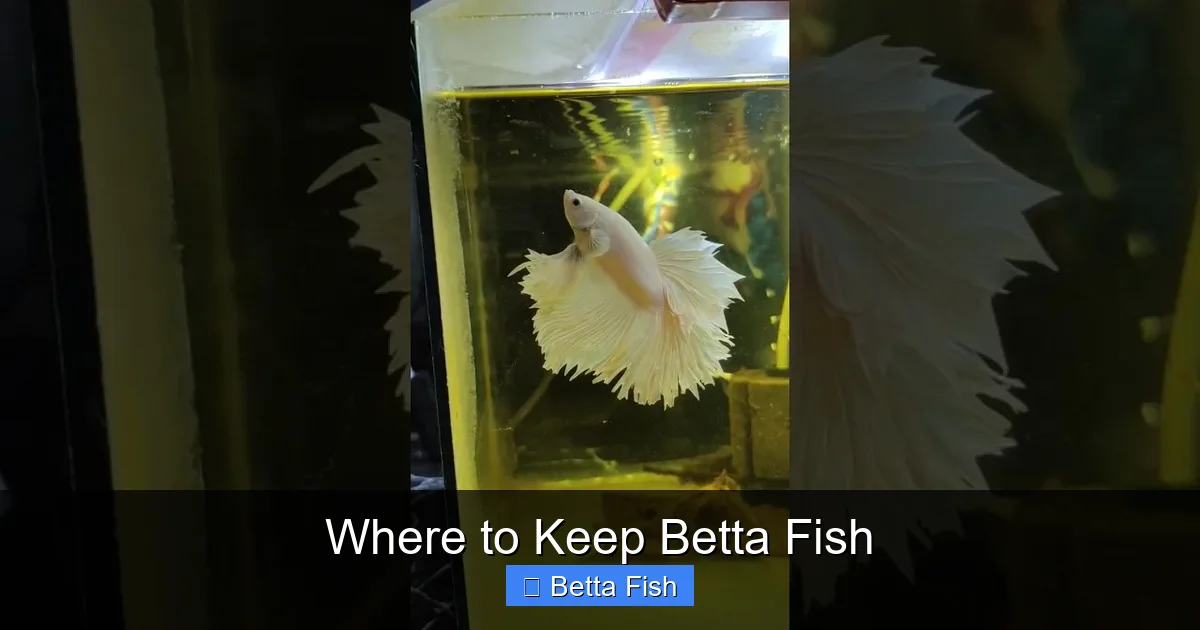
Visual guide about Where to Keep Betta Fish
Image source: i.ytimg.com
The Unwavering Need for Heat
Betta splendens is a tropical fish. The waters of Thailand and Cambodia are consistently warm, typically between 75°F and 80°F (24°C – 27°C). A room-temperature tank in a typical home, especially in cooler climates or seasons, will be too cold. A cold Betta becomes lethargic, loses its vibrant colors, has a weakened immune system, and is prone to diseases like fin rot and dropsy. An aquarium heater is not optional; it is essential equipment. For a 5-gallon tank, a 25-watt adjustable submersible heater is sufficient. For a 10-gallon, a 50-watt heater is standard. Always use a reliable aquarium thermometer (a cheap stick-on or digital one) to verify the actual water temperature, as heater dials are often inaccurate. Set the heater to maintain a steady 78°F – 80°F (25.5°C – 26.5°C).
Water Chemistry: pH, Hardness, and The Nitrogen Cycle
pH: Bettas prefer slightly acidic to neutral water, with an ideal range of 6.5 to 7.5. Tap water in many areas is alkaline; using natural pH buffers like Indian almond leaves or driftwood can help gently lower it, but stability is more important than hitting an exact number. Sudden pH swings are deadly.
Hardness: They prefer soft to moderately hard water. This is rarely a critical issue unless your tap water is extremely hard.
The Nitrogen Cycle (The Most Important Concept): This is the biological process that makes an aquarium safe for fish. Fish waste and decaying food produce toxic ammonia (NH3/NH4+). Beneficial bacteria (Nitrosomonas) convert ammonia to nitrite (NO2-), which is also toxic. A second bacteria (Nitrospira) then converts nitrite to nitrate (NO3-), which is far less toxic and is removed by water changes. You must cycle the tank for 4-6 weeks before adding your Betta. This means setting up the filter, heater, and decor, adding an ammonia source (pure ammonia or fish food), and testing the water with a liquid test kit (API Freshwater Master Test Kit is the industry standard) until you see ammonia and nitrite spike and then fall to 0 ppm, with only nitrate remaining. Adding a Betta to an uncycled tank is the #1 cause of “new tank syndrome” and death.
Filtration and Flow: Keeping the Water Clean Without Harming Fins
A filter is your partner in maintaining water quality. It houses the beneficial bacteria that perform the nitrogen cycle, mechanically removes debris, and (in some types) chemically polishes the water. However, Betta fish have long, flowing fins that are easily torn by strong currents. The filter you choose must be “Betta-safe.”
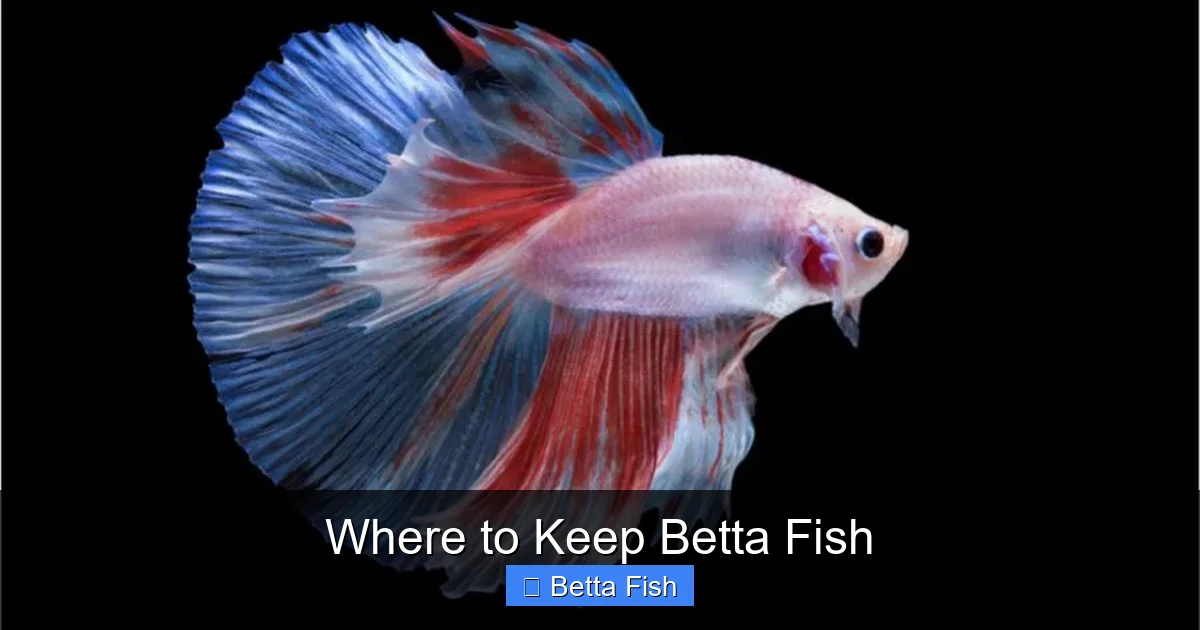
Visual guide about Where to Keep Betta Fish
Image source: acaquarium.com
Filter Types and Adjustability
Sponge Filters: Excellent for Bettas. They provide superb biological filtration, create a gentle current (or none if the air pump is weak), and are impossible for a Betta to get sucked into. They are also cheap and easy to clean. A great choice for small tanks.
Hang-On-Back (HOB) Filters: Very common. Look for models with an adjustable flow dial. You should be able to turn the current down to a barely noticeable ripple. Use a pre-filter sponge over the intake tube to prevent fin damage and protect the Betta from being pulled in.
Internal Power Filters: Often come in small “tank kit” setups. These are frequently too strong out of the box. You must baffle the outflow by attaching a sponge, cutting the nozzle, or directing the flow against the tank wall.
Canister Filters: Overkill for a single Betta in a 10-gallon, but perfect for a large, heavily planted community tank. They offer immense customization and flow control.
Rule of Thumb: The water in the tank should be mostly still, with only a gentle surface ripple to aid gas exchange. If your Betta is constantly struggling to stay in one spot or its fins are billowing violently, the flow is too strong.
Filter Media: The Heart of the Cycle
Do not rinse your filter media in tap water! This kills the beneficial bacteria. When cleaning (once a month or when flow decreases), gently squeeze or rinse the sponge/media in a bucket of old tank water (the water you’ve just taken out for a change). This removes debris while preserving the bacteria colony. The media should never be replaced all at once; replace only half at a time if it’s falling apart.
Creating a Bettascape: Decor, Plants, and Hiding Spots
A bare tank is a stressful tank. In the wild, Bettas hide among dense plant roots and leaf litter to feel secure, build bubble nests, and escape perceived threats. Your tank must offer similar security and stimulation. This is a key part of where to keep betta fish—it’s about creating an environment, not just a container of water.
The Imperative of Hiding Places
Every Betta needs at least one, preferably several, secure hiding spots. This is where they go to sleep, rest, and feel safe. Options include:
- Ceramic or PVC Caves: Ensure they have no sharp edges. A simple, unglazed terracotta pot on its side (with a hole drilled larger if needed) is a perfect, cheap hide.
- Betta Logs/Betta Hammocks: These are suction-cup mounted leaves or pads that sit near the water surface. Bettas love to rest on them, as they are labyrinth fish and often sleep out of the water. A must-have item.
- Dense Plant Thickets: Both real and silk plants planted densely create a forest-like canopy.
Live Plants vs. Silk/Fake Plants
Live Plants: Highly recommended. They improve water quality by absorbing nitrates, provide natural hiding spots, and offer a more engaging environment. Beginner-friendly plants that thrive in low light include Java Fern, Anubias, Marimo Moss Balls, and Amazon Swords (needs root tabs). Attach Java Fern and Anubias to driftwood or rocks; do not bury their rhizomes.
Silk Plants: A good alternative if you don’t want the upkeep of live plants. Choose high-quality ones with soft, fabric leaves. Avoid any plastic plants with stiff, sharp edges—they will shred a Betta’s fins.
Never use live plants from a pond or those treated with pesticides. Only use plants from a reputable aquarium store.
Substrate: Gravel or Sand?
Both are fine. Gravel is easier to clean with a siphon. Sand can compact and trap debris, requiring more careful vacuuming. For live plants, a nutrient-rich substrate or root tabs are needed. For a Betta-only tank, any inert, washed gravel or sand is perfectly suitable. Avoid large, sharp gravel that could injure the Betta if it digs.
Tank Mates: The Delicate Art of Community Living
One of the most common questions about where to keep betta fish is whether they can have friends. The short, frustrating answer is: it depends entirely on your individual Betta’s personality. The long answer requires careful planning.
The Solo Betta: The Safest Choice
For a first-time Betta owner, or if you have a particularly aggressive individual (flaring at his reflection, attacking the glass), keeping him solo is the best and stress-free option. A single Betta in a properly decorated 5+ gallon tank is a happy Betta. You can still add peaceful, non-fish inhabitants like:
- Ghost Shrimp or Amano Shrimp: Excellent cleanup crew. They are fast and usually ignored. Some Bettas may hunt them, but many coexist peacefully.
- Mystery Snails or Nerite Snails: Great algae eaters. Their hard shells protect them from most Bettas, though a persistent Betta may still nip at their tentacles.
- African Dwarf Frogs: A classic, but challenging pair. They require identical water conditions and feeding can be tricky.
Community Tank Guidelines: If You Must Try
If you want to try a fish community, the tank must be a minimum of 10 gallons, heavily planted, and you must have a backup plan (a separate “hospital” tank) to remove any bullied fish immediately.
- DO NOT house two male Bettas together. They will fight to the death.
- DO NOT house a male Betta with fancy, long-finned fish like Guppies, Angelfish, or other Bettas (females can sometimes be kept in a “sorority” of 4-5 in a heavily planted 20+ gallon tank, but this is advanced and risky).
- GOOD CANDIDATES: Small, schooling, fast fish that are not brightly colored or fin-nippers. Examples: Harlequin Rasboras, Ember Tetras, Corydoras Catfish (need groups of 6+). Always add the Betta to the community last, after the other fish have established their territories.
- OBSERVE CONSTANTLY: Watch for chasing, fin nipping, hiding, or loss of appetite. Be prepared to separate immediately.
Placement and Environment: Setting the Scene in Your Home
You’ve chosen the tank, filled it with conditioned water, and set up the filter and heater. Now, where to keep the betta fish tank in your house is the final physical placement decision. Location affects temperature stability, light cycles, and your Betta’s stress levels.
Ideal Location Criteria
Place the tank on a sturdy, level surface (a proper aquarium stand, not a wobbly table). Consider:
- Stable Temperature: Avoid spots near heating vents, air conditioners, radiators, or drafty windows/doors. Temperature fluctuations stress fish. A consistent 78°F is the goal.
- Light Cycle: Avoid direct, unfiltered sunlight. It will cause unbearable algae blooms and dangerous temperature spikes. Use the tank’s own lighting on a consistent 8-10 hour on/off cycle (use a timer). Ambient room light is fine, but the tank should not be in a dark corner 24/7 or under a blazing window.
- Noise and Vibration: Keep away from loud stereos, televisions, doors that slam frequently, or high-traffic hallways where the tank might be bumped. Bettas can be startled by sudden vibrations.
- Visibility: Place where you can enjoy watching your Betta, but not so centrally that he’s constantly disturbed by people walking past. A quiet living room corner or a personal office is ideal.
Safety and Accessibility
Ensure the location is near an electrical outlet (use a drip loop with cords). It should also be convenient for you to perform 25-50% water changes weekly. If it’s a pain to get to, you’ll skip maintenance, and water quality will plummet. Keep water conditioner, a gravel vacuum, and a clean bucket dedicated to the tank nearby for easy access.
Conclusion: Building a Forever Home
Deciding where to keep a betta fish is about committing to providing a suitable, thriving environment, not just a place to survive. It starts with rejecting the myth of the bowl and embracing the 5+ gallon heated and filtered tank as the baseline. From there, it’s about the details: the gentle hum of a properly adjusted filter, the soft dappled light through live plant leaves, the warm embrace of stable water, and the security of a cave to retreat to. Your Betta will reward this effort with days of vibrant flaring, curious exploration, and the mesmerizing dance of a healthy, happy fish. Remember, you are not just keeping a pet; you are curating a miniature, living ecosystem. Take the time to set it up correctly from day one, and you’ll be rewarded with a companion that can bring joy for three to five years, or even longer.
Frequently Asked Questions
Can I keep my Betta in a vase or bowl with a plant on top?
No. This is an inhumane and dangerous setup. The small volume leads to rapid toxin buildup, there is no heat or filtration, and the plant roots do not provide adequate filtration or a suitable environment. Bettas in bowls suffer and die prematurely.
Do Betta fish really need a heater?
Yes, absolutely. Bettas are tropical fish from waters that are consistently warm. Without a heater, their metabolism slows, they become lethargic, lose color, and their immune system fails, making them highly susceptible to disease. A small, adjustable heater is essential equipment.
How often should I clean my Betta’s tank?
For a properly cycled 5+ gallon tank with a filter, you should perform a 25-50% water change once a week. Use a gravel vacuum to clean the substrate. Never clean all the filter media at once, as this kills the beneficial bacteria. A full, deep clean (scrubbing everything) is rarely needed and can crash the cycle.
Why is my Betta hiding all the time?
Constant hiding is a major sign of stress. Causes include: water that is too cold, poor water quality (high ammonia/nitrite), a filter current that is too strong, lack of adequate hiding spots, aggressive tank mates, or sudden loud noises/vibrations near the tank. Check your parameters and tank setup first.
Can I put other fish with my male Betta?
It is possible but risky and requires a minimum 10-gallon, heavily planted tank. Choose peaceful, fast, short-finned species like certain tetras or rasboras. Always add the Betta last. Be prepared to separate them at the first sign of aggression. For beginners, keeping a Betta solo is the safest and most rewarding choice.
My Betta built a bubble nest—should I do anything?
No, this is a natural and positive behavior! A bubble nest is a sign of a healthy, happy male Betta (females and some males may also build them). It means he feels secure and his water conditions are good. Do not destroy it. Simply ensure the water surface is calm (no strong filter flow) so the nest remains intact. It is part of their breeding instinct, even without a female present.