Can a Betta Fish Have a Friend
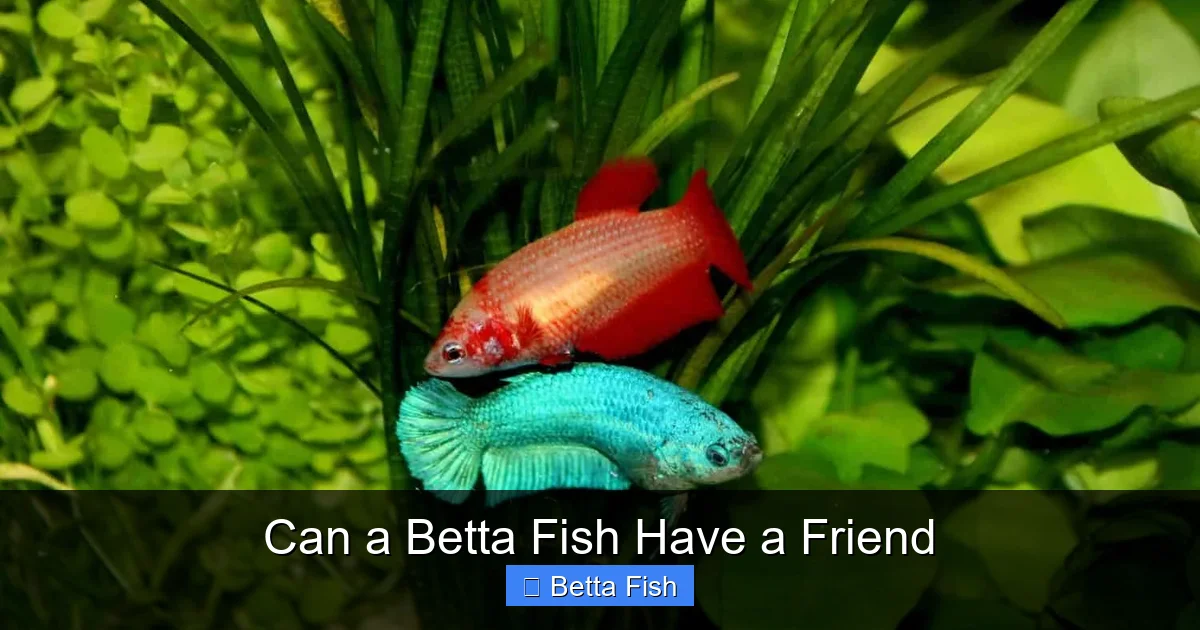
Betta fish are often thought of as lone warriors, but under the right conditions they can enjoy companions. By understanding their temperament, tank size, and suitable tank mates, you can create a peaceful, vibrant community that keeps your betta thriving.
Key Takeaways
- Betta temperament varies: Not all bettas are aggressive; many can coexist peacefully with the right partners.
- Tank size matters: A minimum of 10‑20 gallons gives each fish enough space to establish territories.
- Choose peaceful mates: Small, non‑fin‑nipping species such as neon tetras or snails are ideal companions.
- Observe behavior daily: Early signs of stress or aggression tell you when to separate fish.
- Proper décor reduces conflict: Plants, caves, and driftwood create hiding spots and break line‑of‑sight.
- Water quality is key: Good filtration and regular water changes keep stress levels low.
- Female‑only groups are safest: A sorority of females often lives together without the aggression seen in males.
📑 Table of Contents
Introduction: The Social Life of a Betta
When most people think of betta fish, they picture a solitary, flamboyant fighter flaring its fins at anyone who comes near. This image is partly true—male bettas are famously territorial. But the story doesn’t end there. In the right environment, a betta can enjoy the company of other tank mates, and even other bettas, without constant fighting.
In this article we’ll answer the question can a betta fish have a friend from every angle: temperament, tank size, compatible species, and practical set‑up tips. By the end you’ll know exactly how to create a community that keeps your betta healthy, active, and—yes—social.
Understanding Betta Temperament
Male vs. Female Betta Behavior
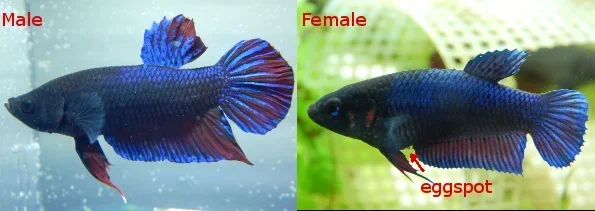
Male bettas are the classic “Siamese fighting fish.” Their bright colors and long, flowing fins are a warning sign to rivals. Females, on the other hand, are generally less aggressive and can live in groups called sororities. If you’re looking for a companion for a male, you’ll need to be extra careful with species choice and tank layout.
Visual guide about Can a Betta Fish Have a Friend
Image source: yoyipet.com
Individual Personality Matters
Just like people, bettas have personalities. Some males are surprisingly calm, while some females can be feisty. The best way to gauge temperament is to observe your fish for a few weeks after purchase. Look for signs of stress such as constant hiding, faded colors, or frayed fins.
When Aggression Shows Up
Typical aggressive behaviors include:
- Rapid fin flaring and gill pumping
- Chasing or nipping at other fish
- Territorial displays around decorations
If you notice these signs, it’s time to reassess tank mates or increase hiding spaces.
Choosing the Right Tank Size
Why Bigger Is Better
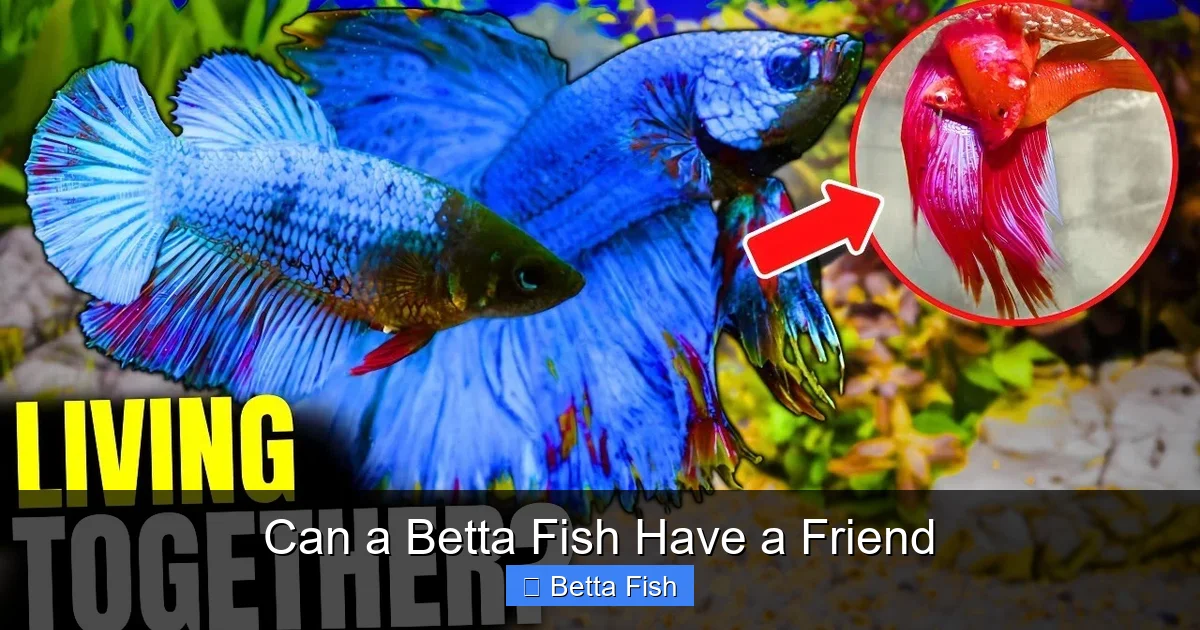
A cramped 2‑gallon bowl may look cute, but it leaves no room for a betta to establish its own territory. For a community setup, aim for at least 10 gallons for a single betta plus companions. More space means less competition for food and oxygen.
Visual guide about Can a Betta Fish Have a Friend
Image source: i.ytimg.com
For a sorority of females, increase the volume to 20 gallons or more. This extra room helps each fish claim a small personal zone, reducing the chance of fights.
Setting Up the Environment
Use a gentle filter that creates a low flow—betas prefer calm waters. Add live or silk plants, driftwood, and smooth rocks to break lines of sight. These structures give shy fish places to hide and help the betta feel secure.
Water Parameters to Keep in Mind
Betta fish thrive in water that’s:
- Temperature: 76‑82°F (24‑28°C)
- pH: 6.5‑7.5
- Soft to moderately hard
Stable parameters reduce stress, making social interactions more likely to succeed.
Best Tank Mates for a Betta
Peaceful Community Fish
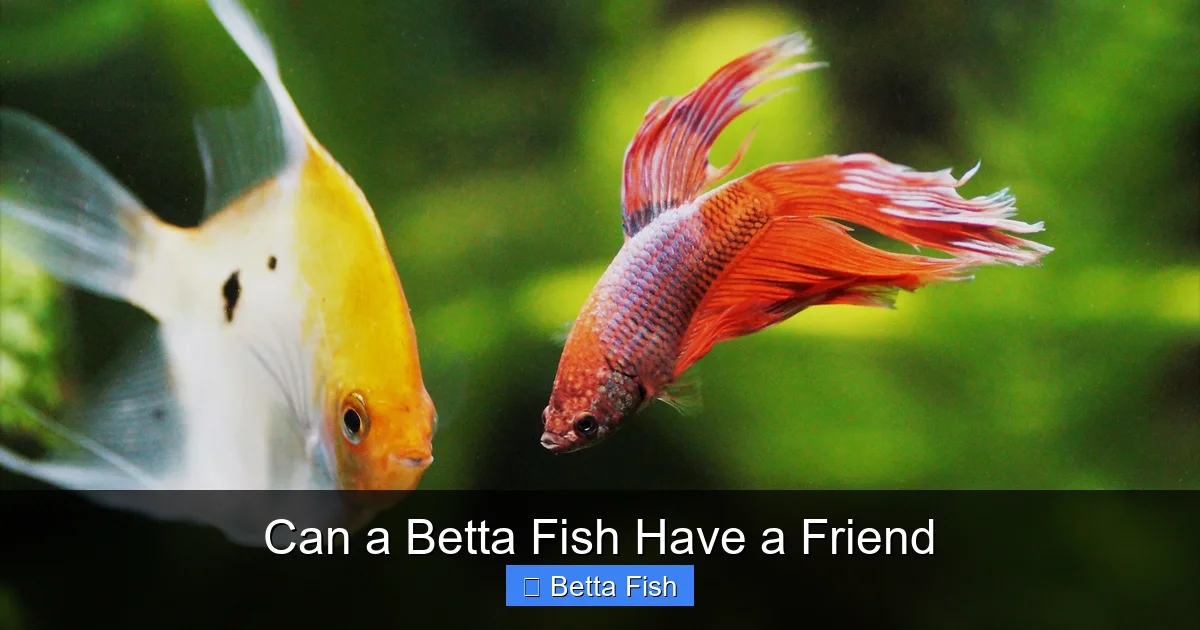
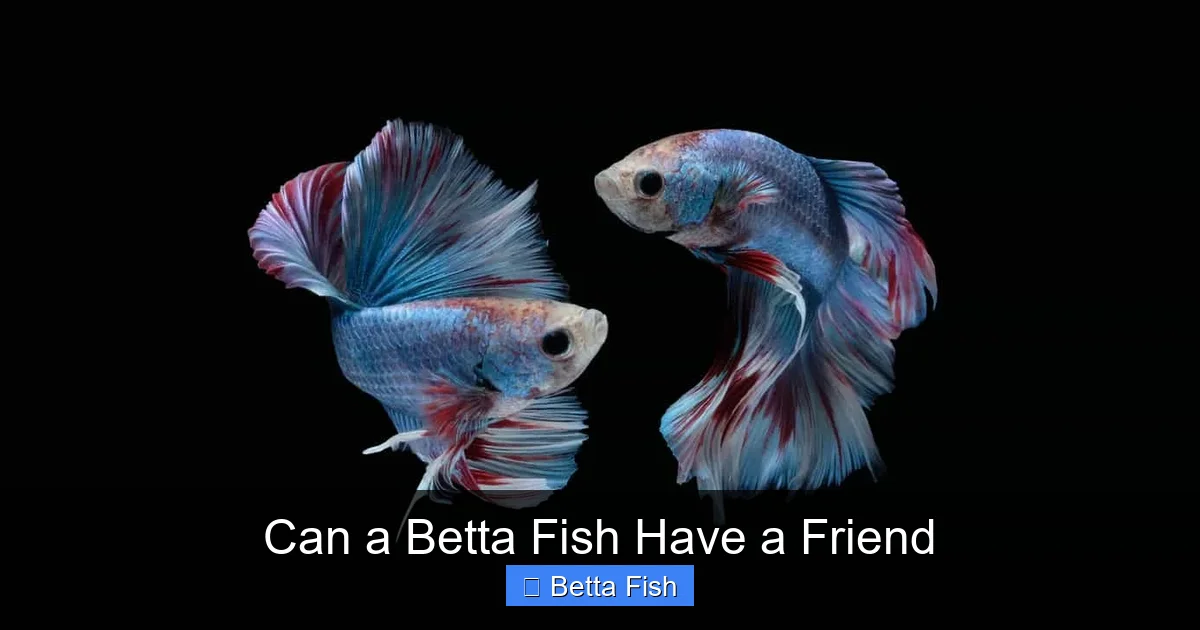
When looking for a friend, think “peaceful and small.” Good options include:
Visual guide about Can a Betta Fish Have a Friend
Image source: fishkeepingadvice.com
- Neon tetras
- Harlequin rasboras
- Cory catfish
- Otocinclus algae eaters
These species stay low in the water column and won’t compete directly with the betta for surface space.
Invertebrate Companions
Snails and shrimp are excellent low‑maintenance buddies. They help clean algae and rarely bother the betta. For more details on snails, see Can You Have A Snail With A Betta Fish. Shrimp, such as cherry shrimp, can also thrive if the tank is well‑planted and the betta is not overly nippy.
Can You Add Another Betta?
It’s possible, but only under strict conditions. A male‑male pairing is risky; however, a male with a female (in a “divided” tank) or a sorority of females can work. For a deeper dive, read Can You Have Two Betta Fish In A Tank. Always provide plenty of visual barriers and monitor behavior closely.
Species to Avoid
Avoid long‑finned fish that might be mistaken for another betta, as well as fast‑swimming or fin‑nipping species like guppies or barbs. Goldfish are a poor choice because they require cooler water and produce a lot of waste, which can stress a betta (Can A Goldfish Live With A Betta Fish).
Practical Steps to Introduce a Friend
Quarantine New Arrivals
Always quarantine new fish or invertebrates for at least two weeks. This prevents disease spread and gives you time to observe their behavior before they meet the betta.
Gradual Introduction
Use a clear acrylic divider to let the betta see the newcomer without direct contact. After 24‑48 hours, watch for signs of stress. If all looks calm, remove the divider slowly and provide plenty of hiding spots.
Feeding Together
Feed a small amount of high‑quality betta pellets at the surface and a sinking wafer for bottom dwellers. This ensures each species gets food without competition.
Monitoring and Adjusting
For the first two weeks, check the tank twice daily. Look for faded colors, frayed fins, or excessive hiding. If problems arise, be ready to re‑home the new fish or rearrange décor.
Special Cases: Sororities and Divided Tanks
Creating a Female Sorority
Start with at least four to six healthy females in a 20‑gallon tank. Provide plenty of plants and caves. Keep an eye out for dominant females that may bully others; you can gently move the aggressor to a separate tank if needed.
Divided Tanks for Mixed Genders
A divided tank lets a male and female share the same water while staying separated physically. This setup allows visual stimulation without the risk of fighting. Use a sturdy acrylic or mesh barrier and ensure both sides have equal space and décor.
Conclusion: Yes, Betta Fish Can Have Friends—With Care
Answering the question directly: yes, a betta fish can have a friend**, but the friendship depends on the right tank size, compatible species, and vigilant observation. By respecting a betta’s natural instincts and providing a spacious, well‑decorated environment, you can enjoy a lively community aquarium where your betta thrives alongside peaceful companions.
Remember, each fish is an individual. Start slowly, keep water conditions pristine, and be prepared to adjust as needed. With patience and the right choices, you’ll see your betta’s colors brighten, its behavior relax, and both you and your fish will enjoy a more enriching aquarium experience.
Frequently Asked Questions
Can a male betta live with other fish?
Yes, a male betta can live with calm, non‑aggressive fish such as neon tetras or cory catfish, provided the tank is large enough and has plenty of hiding spots.
Is it safe to keep two bettas together?
Two male bettas should never share the same open space. They can coexist in a divided tank or, in rare cases, a large, heavily planted tank with strong visual barriers.
What invertebrates are best for a betta tank?
Snails and shrimp are ideal because they clean algae and rarely bother the betta. They also add interesting movement without competing for surface food.
How many gallons do I need for a betta and companions?
At minimum 10 gallons for a single betta with a few small fish; 20 gallons or more is recommended for a sorority or a larger community.
Can a betta be kept with a goldfish?
No. Goldfish need cooler water, produce a lot of waste, and can outgrow the tank size suitable for a betta, leading to health problems for both.
What signs show my betta is stressed?
Look for faded colors, clamped fins, constant hiding, or frantic surface breathing. Stress often indicates that tank conditions or companions need adjustment.