Where Does Petco Get Their Betta Fish
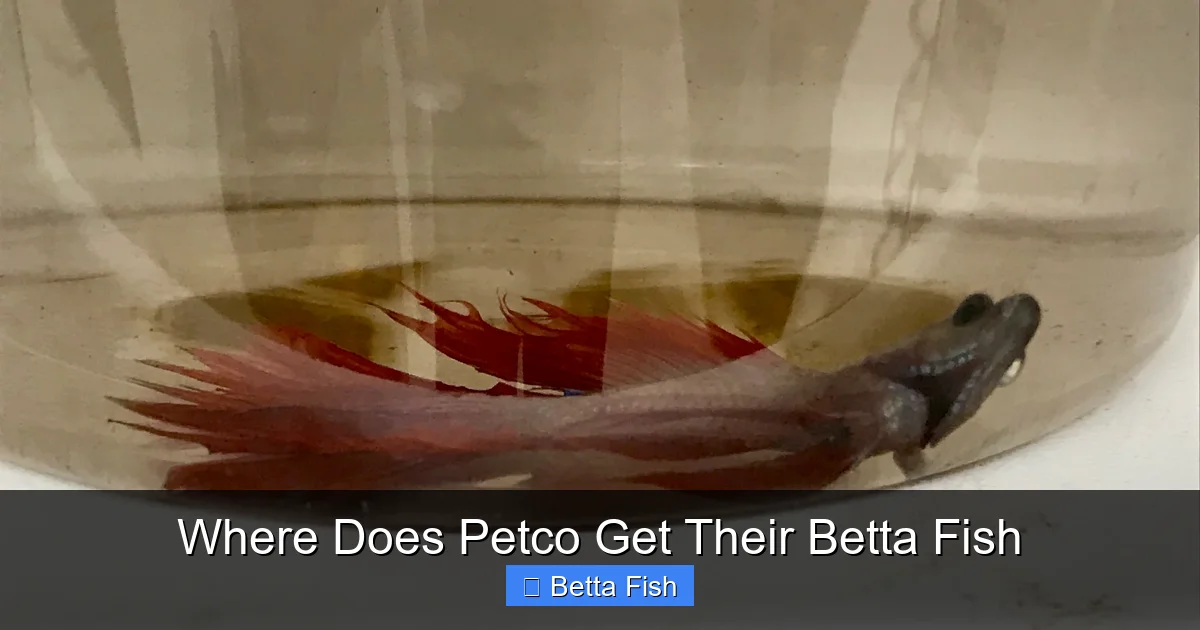
Petco sources its betta fish primarily from large-scale commercial breeding facilities, often located in Southeast Asia. These operations prioritize high-volume production, which can lead to significant welfare concerns for the fish before they even reach stores. Understanding this supply chain—from breeding and shipping to in-store display—empowers you to make a more informed and ethical choice. You can identify a healthy betta by looking for vibrant colors, active swimming, and undamaged fins, regardless of where you shop.
Key Takeaways
- Primary Source: Petco, like most major pet chains, purchases bettas from large commercial breeding farms, predominantly in regions like Thailand and other parts of Southeast Asia, where the industry is highly concentrated.
- Welfare Concerns: The high-volume, cost-driven model of these farms often involves crowded conditions, early separation of males, and stressful shipping processes that impact the fish’s health and longevity.
- In-Store Reality: Once at Petco, bettas are typically displayed in small, isolated cups. While store policies exist for care, the fundamental setup is stressful for this intelligent, territorial species.
- Choosing a Healthy Fish: Look for a betta with bright, even coloration; clear, unclamped fins; and active, curious behavior. Avoid fish that are listless, have torn fins, or show signs of fungal growth.
- Ethical Alternatives Exist: Consider adopting from betta-specific rescues, purchasing from dedicated local breeders who prioritize health, or buying from smaller, specialty aquarium shops that may have better sourcing standards.
- The “Bowl” Myth is Harmful: A betta from Petco (or any store) has the same complex needs as any other. They require a filtered, heated tank of at least 5 gallons, not a decorative bowl, to thrive for years.
- Your Choice Matters: By asking questions about sourcing and committing to proper care, you send a message to retailers and support better practices for these fascinating fish.
📑 Table of Contents
- The Allure and the Reality of the Petco Betta
- The Global Supply Chain: Breeding Farms of Southeast Asia
- Petco’s Role: Retailer, Not Breeder
- The Stressful Journey: Shipping and Logistics
- In-Store Display: The Cup Culture
- Ethical Considerations and Alternatives to the Petco Betta
- Making an Informed Choice: Your Power as a Consumer
- Conclusion: Beyond the Cup
The Allure and the Reality of the Petco Betta
Walk into any Petco store, and you’re greeted by a stunning, almost surreal sight: rows and rows of tiny, jewel-like betta fish, each suspended in its own small cup of water. The males, with their flowing, dramatic fins and violent, beautiful colors, are like living pieces of art. It’s easy to fall in love at first sight. But have you ever paused, mid-admiration, and wondered: where does Petco get their betta fish? The answer is a journey that spans continents, involves complex industrial practices, and sits at the very heart of a major ethical debate in the pet industry. This article will pull back the curtain on the entire supply chain, from the breeding ponds of Southeast Asia to that cup on the Petco shelf. We’ll explore the business realities, the animal welfare implications, and, most importantly, arm you with the knowledge to make a choice you can feel good about.
The Global Supply Chain: Breeding Farms of Southeast Asia
To understand the origin of a Petco betta, you must first understand the global epicenter of betta fish production. Over 90% of the bettas sold in the United States and worldwide come from commercial breeding operations in Thailand, and to a lesser extent, Malaysia, Indonesia, and Vietnam. This isn’t a coincidence; Thailand is the ancestral home of the Betta splendens and has developed a centuries-old tradition of fighting fish cultivation that was seamlessly industrialized for the global ornamental fish trade.
Visual guide about Where Does Petco Get Their Betta Fish
Image source: investigations.peta.org
The Industrial Breeding Model
These are not small, artisanal hatcheries. They are large-scale, warehouse-like facilities designed for maximum output at minimal cost. The process is systematic:
- Spawning: Breeders select for vibrant color and long finnage. Males and females are placed together in a spawning tank. After the male builds a bubble nest, the female releases eggs, which the male fertilizes and places into the nest. The parents are often removed shortly after to prevent egg-eating.
- Fry Rearing: The tiny fry (babies) are fed infusoria and later microworms. They are raised in dense groups in small tanks or vats. Survival rates are a critical economic factor, and culling of imperfect fish is a standard, though often hidden, practice.
- Grow-Out and Sorting: As the fish grow, they are frequently moved. At around 4-6 months, a critical sorting happens. Males, which develop longer, more colorful fins, are separated from females and from each other. They are often placed in even smaller, individual containers—sometimes just plastic bottles or bags—to prevent fin-nipping and injury, as they become territorial. This is the first major stress point in their lives.
From the breeder’s perspective, bettas are a low-margin commodity. The goal is to produce as many visually appealing fish as possible to meet the relentless demand from retailers like Petco, PetSmart, and big-box stores. The welfare of individual fish is typically secondary to production efficiency.
The Role of Exporters and Importers
The breeder rarely deals directly with Petco. Instead, large export companies based in Thailand aggregate millions of bettas from hundreds of smaller farms. These exporters handle the critical logistics: they pack the fish for shipment. Bettas are packed in small, heat-sealed plastic bags with just enough water and oxygen to survive the journey. They are packed into cardboard boxes and shipped via air cargo, a trip that can take 24-48 hours from farm to U.S. distribution center. Upon arrival, U.S.-based importers or distributors (Petco may use its own logistics network or third-party wholesalers) receive the shipments and then transport them to individual Petco distribution centers, and finally, to your local store. This long, disjointed chain makes traceability nearly impossible for the consumer.
Petco’s Role: Retailer, Not Breeder
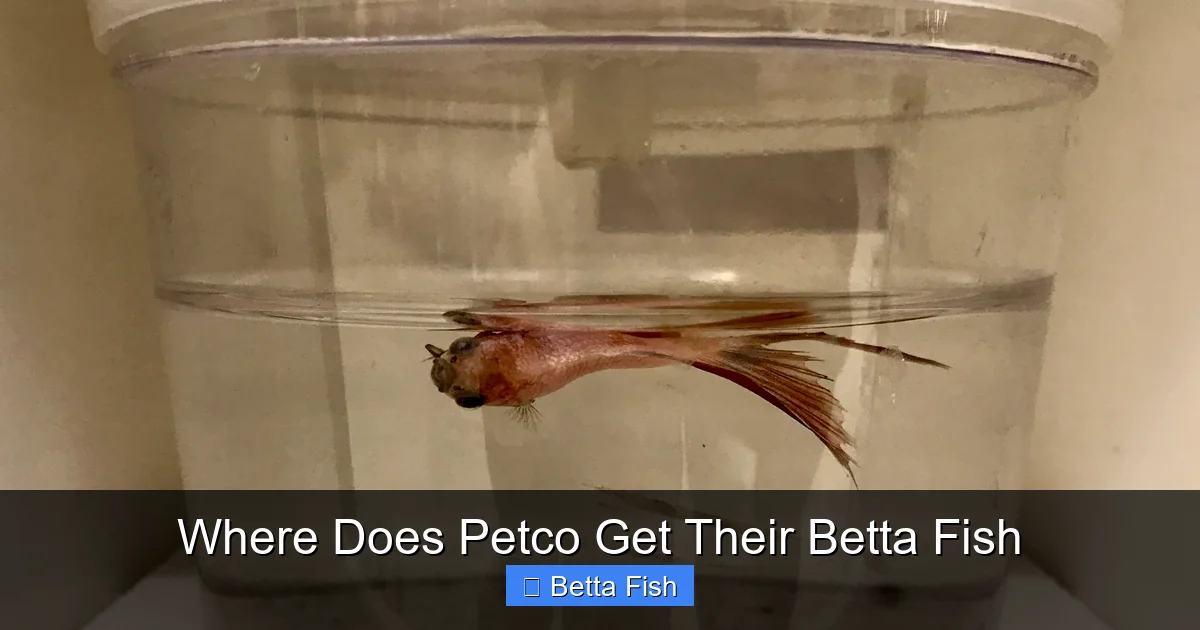
It’s crucial to understand that Petco does not own or operate the farms that produce its bettas. Petco is a retailer. It purchases bettas from suppliers and distributors. The company has vendor standards and codes of conduct that suppliers are expected to follow, which may include stipulations about basic animal welfare. However, auditing and enforcing these standards across a vast, international, and often opaque supply chain is an immense challenge.
Visual guide about Where Does Petco Get Their Betta Fish
Image source: investigations.peta.org
Vendor Standards and Audits
Petco, like its competitors, has published animal care standards. These typically reference guidelines from organizations like the World Aquaculture Society or the OIE (World Organisation for Animal Health). They may require that suppliers provide adequate space, water quality, and nutrition. In theory, a supplier found in violation could lose its contract. In practice, the economic pressure to keep prices low is immense. A farm that cuts corners on space or water filtration can produce fish more cheaply, creating a powerful incentive that can be difficult for a retailer to fully police, especially when the supplier is thousands of miles away. Publicly available audits of these specific Southeast Asian betta farms are exceptionally rare.
The “Rescue” Narrative and Controversy
In recent years, Petco has made efforts to position itself as a leader in “pet adoption” and rescue, hosting events with local shelters for dogs and cats. This positive branding can create a cognitive dissonance for customers when considering the origin of their betta fish. There is no “rescue” pathway for these commercial bettas. They are livestock produced for sale. The controversy surrounding their sale reached a peak in the 2010s when animal rights groups like PETA launched campaigns against Petco and PetSmart, highlighting the conditions in stores and the suffering inherent in the supply chain. These campaigns led to some changes, such as improved in-store signage about proper betta care, but the fundamental model of selling live animals sourced from industrial farms remains unchanged.
The Stressful Journey: Shipping and Logistics
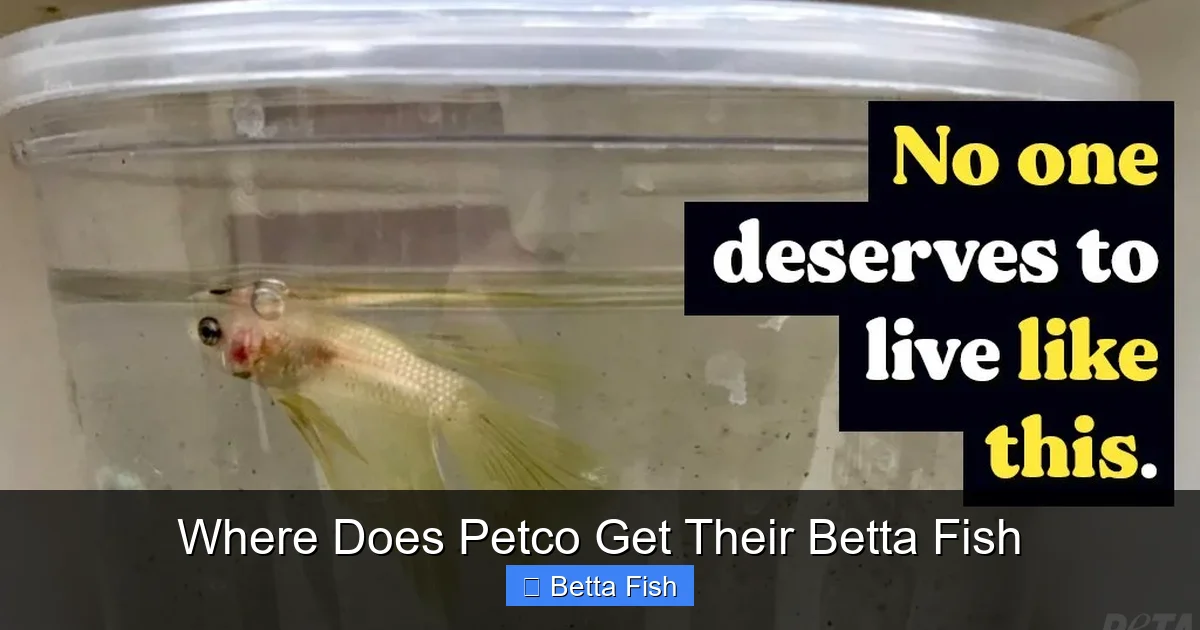
The journey from a Thai breeding vat to a Petco cup is a gauntlet of stress. Each transition is a potential point of failure for the fish’s health.
Visual guide about Where Does Petco Get Their Betta Fish
Image source: pbs.twimg.com
From Farm to Export Packing
After sorting, male bettas are often kept in very small, individual containers at the farm. This is to prevent them from fighting, as they are highly territorial. While it may prevent physical injury, this extreme isolation is psychologically stressful for a fish that is used to some level of environmental interaction. They are then netted, placed into the small shipping bags, and heat-sealed. This process is rapid but involves brutal handling. The fish are packed tightly into boxes for air transport, enduring temperature fluctuations and significant noise and vibration.
U.S. Import and Distribution
Upon landing in the U.S. (often in Los Angeles or Miami), the shipments are cleared through customs and moved to a distribution center. Here, the boxes are opened, and the bags are inspected. Many fish will have died during transit—this is an accepted, if unfortunate, cost of the industry, often referred to as “mortality in transit.” The surviving fish are then repacked into larger shipments for individual stores. They are again handled, bagged, and transported by truck. By the time they arrive at a Petco store, they have been in transit for days, confined to a tiny bag with their own waste. Their immune systems are severely compromised, making them highly susceptible to disease in the store environment.
In-Store Display: The Cup Culture
The final, and most visible, stage of the journey is the Petco store itself. The iconic betta cup display is both a marketing tool and a point of intense criticism.
The Design of the Display
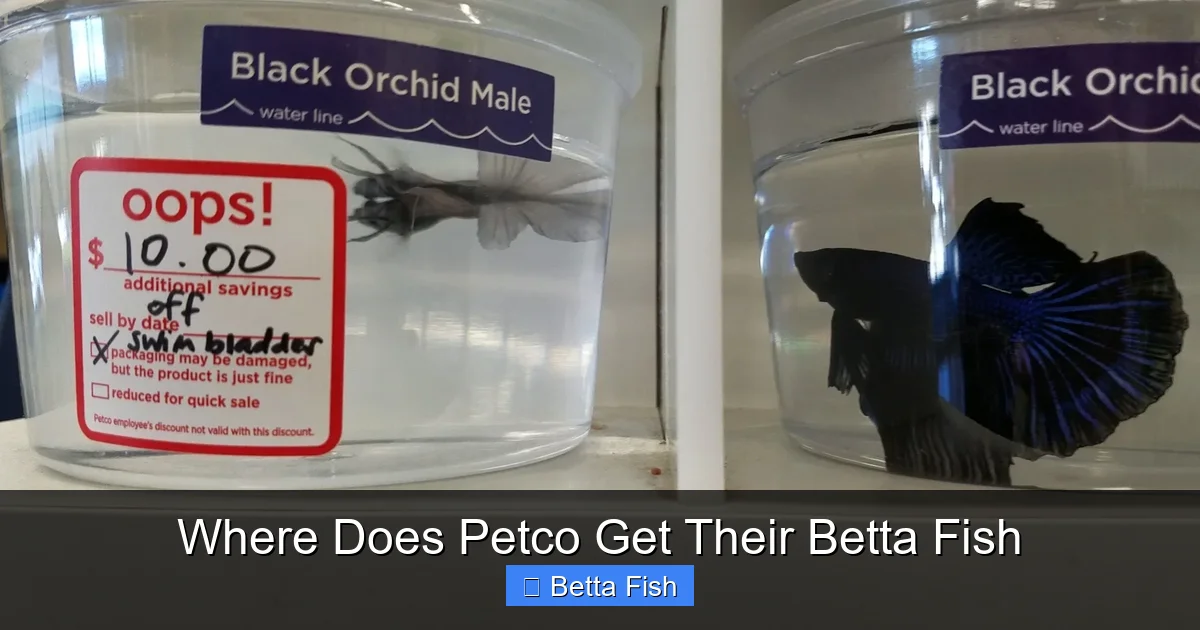
Bettas are displayed in small, plastic cups filled with just a few inches of water. The water is often treated with a salt-based medication (like Bettafix or a generic equivalent) marketed to help the fish cope with stress and prevent common bacterial infections. The cups are arranged in long rows, sometimes under bright lights. The rationale from the retailer is twofold: first, bettas are labyrinth fish and can gulp air from the surface, so they can survive in low-water conditions for a time. Second, because they are so territorial, housing them together would lead to constant fighting and death. The cup system prevents physical contact.
Welfare Issues in the Cup
However, the cup system creates its own profound welfare problems:
- Extreme Spatial Restriction: A betta cannot exhibit any natural behaviors—no exploring, no proper swimming, no hiding. The constant exposure is stressful.
- Poor Water Quality: In such a small volume of water, the fish’s own waste quickly creates toxic levels of ammonia and nitrite. Even with daily water changes by store staff, the water quality between changes is poor and burns the fish’s gills and skin.
- Temperature Instability: Bettas are tropical fish requiring stable water temperatures of 78-80°F. The cups are not heated. Room temperature is often too cool, slowing the fish’s metabolism and immune system.
- Sensory Deprivation and Stress: The constant sight of other bettas through the plastic can be perceived as a threat, causing chronic stress. The lack of plants, substrate, or hiding places is barren.
Petco’s store care sheets often correctly advise that a betta needs a proper tank. The dissonance between this advice and the display method is stark. A fish purchased from this display has already endured weeks, if not months, of chronic stress, beginning on the breeding farm and culminating in the cup. Its health is fragile from day one.
Ethical Considerations and Alternatives to the Petco Betta
Armed with this knowledge, the ethical question for the consumer becomes: where should I get a betta fish? Supporting the industrial model is a choice, but it’s not the only one.
Local Breeders and Specialty shops
Seek out local aquarium societies or specialty fish stores. Many areas have dedicated hobbyist breeders who keep a few pairs in proper conditions, focus on genetic diversity and health over extreme finnage, and can often provide detailed lineage and health history. These breeders sell fish that are already acclimated to clean, warm water and are far less stressed. The fish may be older, hardier, and you often have the chance to see the parents’ living conditions. While sometimes more expensive, you are paying for quality of life and supporting a small-scale, ethical operation.
Betta Rescues and Adoption
This is a rapidly growing and compassionate alternative. Organizations like Betta Fish Angels, Ollie’s Angels, and numerous local rescues dedicated solely to bettas exist across the country. These groups take in bettas from shelters, abusive situations, or owner surrenders. They rehabilitate them—often nursing them back from the brink of death from cup-related illnesses like fin rot or dropsy—and then adopt them out to screened homes. Adopting a rescue betta is a direct act of saving a life and does not support the commercial breeding industry. These rescues are also fantastic sources of expert advice on betta care.
Evaluating Any Source: A Health Checklist
Whether you look at a Petco cup, a local breeder’s tank, or a rescue listing, the signs of a healthy betta are universal. Use this checklist:
- Eyes: Should be clear, bright, and not bulging (a sign of dropsy).
- Fins: Should be whole, undamaged, and flowing (for long-finned varieties). No signs of tearing, rot (which looks like blackened or fuzzy edges), or clamping (fins held tightly against the body, a sign of severe stress or illness).
- Body: Should be smooth, without sores, bumps, or fuzzy patches (fungus). The scales should lie flat. No visible bloating (constipation or dropsy).
- Behavior: Should be alert, curious, and actively exploring. It should flare at its reflection or a moving object. A healthy betta is an interactive fish. Lethargy, floating at the top or bottom, or inability to swim straight are major red flags.
- Coloration: Should be vibrant and even. Faded, pale, or patchy color can indicate chronic stress or illness.
Making an Informed Choice: Your Power as a Consumer
So, you know where Petco gets their betta fish. You understand the long, stressful supply chain and the problematic in-store display. What do you do with this information?
First, you can decide not to buy a betta from a large chain store. This is the most direct way to opt out of supporting the industrial model. Vote with your wallet. Second, if you do see a betta in a Petco cup that you feel compelled to save—often called a “rescue buy”—go in with your eyes wide open. Understand you are likely bringing home a severely stressed fish with a compromised immune system. You must be prepared for a potentially expensive and emotional road of quarantine and treatment. Have a proper cycled, heated tank ready before you buy, not after.
Third, ask questions. If you visit a local store, ask the manager where their bettas come from. Ask if they have a relationship with a local breeder. Retailers respond to consumer demand. If enough people ask for ethically sourced fish or express concern about cup displays, corporate policies can slowly change. Finally, commit to proper care. The worst fate for a betta is not a stressful origin, but a lifetime of neglect in a bowl. By providing a filtered, heated, enriched environment of at least 5 gallons, you can give any betta—whether from Petco or a rescue—a chance at a healthy, enriching life of several years. Your knowledge and your actions are the ultimate tools for change.
Conclusion: Beyond the Cup
The answer to “where does Petco get their betta fish?” leads us to a global industry built on volume, not on veterinary welfare. It’s a system that prioritizes a dazzling, disposable product over the lived experience of a sentient animal. The betta’s journey from a crowded Thai pond to a plastic cup is a masterclass in cumulative stress. Yet, within this story, there is also a powerful narrative of change. The rise of dedicated rescues, the passion of ethical local breeders, and the growing consumer awareness about proper betta care are creating better options. The next time you are captivated by the beauty of a betta, remember the whole story. Choose a source that aligns with your values. And when you bring your new companion home, fulfill the promise of its dramatic fins by providing the spacious, warm, and stimulating home it truly deserves. That is the most meaningful way to honor the betta’s wild, fighting spirit.
Frequently Asked Questions
Can I adopt a betta fish instead of buying one from Petco?
Yes, absolutely. Dedicated betta rescues like Betta Fish Angels and Ollie’s Angels operate nationwide, saving bettas from shelters and bad situations. Adopting is a direct way to save a life and does not support commercial breeding farms. Local shelters and some all-breed rescues also sometimes take in bettas.
Why are bettas sold in small cups at Petco? Is it cruel?
Bettas are sold in cups primarily because they are highly territorial and will fight and kill each other if housed together. The cup prevents physical contact. However, animal welfare experts widely agree that the cup is a profoundly stressful and inadequate environment. It restricts movement, provides no enrichment, and has poor water quality. It is considered a short-term shipping container, not a suitable home.
How can I tell if a betta in a Petco cup is healthy?
Look for a fish that is brightly colored, with fins that are whole, undamaged, and not clamped tightly to its body. It should be alert, responsive to your presence, and actively swimming or exploring. Avoid any fish that is listless, has torn or rotting fins (look for black edges or fuzz), bulging eyes, visible sores, or significant bloating.
Are there any “ethical” chain stores for buying bettas?
Most large pet chains (Petco, PetSmart, etc.) source bettas from similar industrial breeding networks. While some may have slightly better in-store care protocols or partner with rescues for adoption events, their core model of selling commercially farmed bettas in cups is largely the same. Truly ethical sourcing is more commonly found with local, independent aquarium shops that work directly with local breeders.
Is the betta industry in Southeast Asia inherently abusive?
The industry exists on a spectrum. There are large-scale commercial farms with documented welfare issues related to overcrowding, culling, and stressful handling. There are also smaller, more ethical operations that focus on fish health and proper conditions. However, the overwhelming majority of fish entering the global supply chain for mass retailers come from high-volume facilities where cost efficiency is the primary driver, often at the expense of individual animal welfare.
What should I do if I already bought a sick betta from Petco?
First, quarantine the fish immediately in a separate, cycled hospital tank with clean, warm water (80°F). Do not put it in your main display tank. Research common betta illnesses like fin rot, velvet, or dropsy based on symptoms. Perform strict water changes daily in the hospital tank. Consider using a broad-spectrum medication like Malachite Green or formalin-based dip, but research carefully first. Many Petco stores have a 14-day return policy for fish; you can also ask for a refund or exchange, though this does not help the individual fish’s suffering. Your focus should be on giving the fish you brought home the best possible care.