How to Mate Male and Female Betta Fish
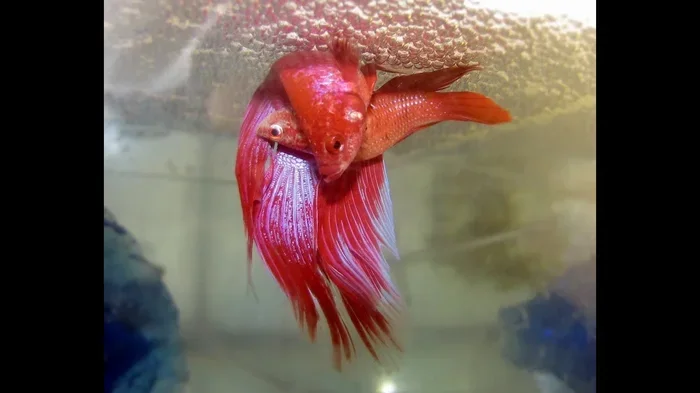
Learning how to mate male and female betta fish requires patience, preparation, and careful observation. You need to condition both fish, set up a proper breeding tank, and monitor the mating process closely. This guide walks you through every stage so you can breed bettas safely and successfully.
Breeding betta fish is one of the most rewarding experiences a fish keeper can have. But how to mate male and female betta fish is not as simple as dropping them in the same tank. It takes planning, the right setup, and a good eye for behavior.
Many beginners jump in without preparation and end up with stressed fish or failed spawnings. That is exactly why this guide exists. You will learn everything from choosing the right pair to raising healthy fry. Whether you are a hobbyist or a serious breeder, these steps will help you succeed.
The process of betta fish mating involves several stages. Each stage needs your attention. From conditioning the fish to caring for eggs and fry, every step matters. Let us walk through it all together.
Key Takeaways
- Proper Conditioning: Feed both fish high-quality live or frozen food for 1–2 weeks before introducing them.
- Right Breeding Setup: A 10-gallon tank with warm water and a spawning mop makes all the difference.
- Watch for Courtship Signs: The male builds a bubble nest, and the female shows vertical stripes when she is ready.
- Separate After Mating: Remove the female immediately after spawning to prevent aggression from the male.
- Fry Care Matters: Feed baby brine shrimp and maintain clean water for the best survival rate.
- Know When to Stop: Not every pairing will work. Be ready to separate fish if aggression escalates.
📑 Table of Contents
Understanding Male and Female Betta Fish
Before you start breeding, you need to know how to identify male and female bettas correctly. Not every fish you buy is ready or suitable for mating. Learning the physical and behavioral differences is your first step.
How to Tell Males and Females Apart
Male bettas are usually more colorful and have longer fins. They also have a curved body shape and a more aggressive temperament. Females tend to be smaller with shorter fins and a duller color palette. If you are unsure, check out this guide on how to differentiate between male and female betta fish for detailed visual cues.
One of the easiest ways to spot a female is the white spot on her underside, called the ovipositor. This is where eggs come out. Males do not have this spot. Also, females have a straighter body compared to the rounded look of males.
When Are Betta Fish Ready to Breed?
Both male and female bettas need to reach a certain age before breeding. Males should be at least 4 to 6 months old. Females can start breeding around 4 to 5 months. Breeding fish that are too young or too old can lead to problems.
Health matters a lot too. Look for fish that are active, eating well, and showing vibrant colors. A sick or stressed fish will not breed successfully. If you are looking for females that are ready, this resource on how to find female betta fish ready to breed can be very helpful.
Preparing for the Mating Process
Preparation is the most important part of how to mate male and female betta fish. Skipping this step often leads to failure or even injury to your fish. Take your time here.
Setting Up the Breeding Tank
You will need a separate tank for breeding. A 10-gallon tank works well. Fill it with about 5 to 6 inches of water. Keep the temperature between 78 and 82 degrees Fahrenheit. Use a heater to maintain a steady warmth. The water should be clean and free of chlorine.
Add a spawning mop or a few floating plants. The male will need a surface to build his bubble nest. A sponge filter is a good choice because it provides gentle filtration without creating strong currents. Strong water flow can destroy the bubble nest.
Conditioning the Fish
Conditioning means feeding both fish high-quality food for 1 to 2 weeks before breeding. Use live or frozen foods like brine shrimp, bloodworms, and daphnia. This helps bring the fish into peak breeding condition.
Feed them 2 to 3 times a day in small amounts. Overfeeding during this phase can dirty the water fast. Keep the water clean with regular small water changes. Healthy fish produce healthier eggs and sperm.
The Courtship and Mating Process
This is the exciting part. Watching betta fish mate is fascinating to observe. But you need to know what to look for so you can intervene if something goes wrong.
Signs That the Female Is Ready
The female betta will show clear signs when she is ready to mate. Look for vertical stripes on her body, sometimes called “breeding bars.” Her ovipositor will become more visible. She may also start to display a fuller, rounder belly.
Her behavior will change too. She may flare at the male but will not attack aggressively. Some females will dance alongside the male near the bubble nest. If the female refuses to engage at all, she may not be ready. Give her more time or try a different female.
How the Male Courts the Female
The male betta will start by building or maintaining his bubble nest. He will flare his fins and display bright colors to attract the female. He may wrap his body around the female in a gentle embrace. This is called the “nuptial embrace.”
During the embrace, the female releases eggs and the male fertilizes them externally. The male then collects the eggs and places them gently into the bubble nest. This process repeats several times over a few hours. It can be intense to watch, but it is completely natural.
What to Do During Mating
Watch closely but do not disturb the pair. Keep the lights dim to reduce stress. If the male becomes too aggressive and starts biting the female, you need to act fast. Use a clear container or divider to temporarily separate them. Give them a break and try again later.
Once the female has released most of her eggs, she will look tired. The male may chase her away. This is normal. You should remove the female from the tank at this point to keep her safe.
After Mating: Caring for Eggs and Fry
The job is not over once mating is done. The male takes over egg care, but you still need to support him and eventually care for the fry.
The Male’s Role in Egg Care
After the female is removed, the male will focus on the bubble nest. He will retrieve any eggs that fall and place them back in the nest. He will also guard the nest aggressively. Do not disturb the tank during this time.
Keep the water temperature stable and the lighting low. The eggs will hatch in about 24 to 48 hours. The male will continue to watch over the hatchlings for another 2 to 3 days until they become free-swimming.
Raising Betta Fry
Once the fry are free-swimming, you need to remove the male from the tank. Males may start eating their own fry once they are no longer guarding the nest. Use a small net to gently transfer him out.
Feed the fry infusoria or liquid fry food for the first week. After that, you can introduce baby brine shrimp. Keep the water pristine with daily small water changes. Fry are very sensitive to water quality. A sponge filter running on the lowest setting will help keep things clean.
It takes about 3 to 4 months for fry to develop their full color and finnage. Be patient and watch for any signs of disease or weakness. Not all fry will survive, and that is normal. Even experienced breeders face losses.
Common Mistakes to Avoid
Breeding betta fish comes with risks. Here are some common mistakes that beginners make and how to avoid them.
- Skipping conditioning: Unhealthy fish produce fewer eggs and weaker fry. Always condition for at least one week.
- Using too small a tank: A cramped breeding tank causes stress and aggression. Stick to at least 10 gallons.
- Leaving the female in too long: The male can seriously hurt or even kill the female if she stays too long after spawning.
- Overfeeding during breeding: Excess food fouls the water quickly. Feed small amounts 2 to 3 times a day.
- Ignoring water quality: Poor water quality is the number one killer of eggs and fry. Test your water regularly.
Final Thoughts on Mating Betta Fish
How to mate male and female betta fish successfully comes down to preparation, observation, and patience. You cannot rush the process. Each fish has its own personality and readiness level. Some pairs will connect instantly, while others may need more time or a different match entirely.
Start with healthy, well-conditioned fish. Set up the right environment. Watch their behavior closely. And always be ready to step in if things go wrong. Breeding bettas is a learning experience. Even if your first attempt does not go perfectly, you will gain valuable knowledge for the next one.
If you are wondering whether your pair will actually mate, check out this article on can male and female betta fish mate for more insight. And remember, safety always comes first for both the parents and the fry.
With the right approach, you can enjoy the incredible process of bringing new betta life into your home. Happy breeding!
Frequently Asked Questions
How long does the mating process take for betta fish?
The actual mating process, from courtship to egg collection, usually takes a few hours. The female may release eggs over several embraces. After that, the male takes over nest care, which lasts about 2 to 3 days until the fry become free-swimming.
Can you keep a male and female betta fish together during breeding?
Yes, but only in a controlled breeding tank and only for a short time. The male and female should be introduced carefully and monitored closely. Remove the female as soon as the spawning is complete to prevent injury or death from male aggression.
How many eggs does a female betta fish lay per spawn?
A healthy female betta can lay anywhere from 100 to 500 eggs per spawn. Not all eggs will be fertile, and not all fry will survive. Experienced breeders often see a 50 to 70 percent hatch rate under optimal conditions.
What should I feed betta fry?
Start with infusoria or liquid fry food for the first few days. After that, introduce baby brine shrimp, which is the gold standard for betta fry nutrition. Feed small amounts 2 to 3 times a day and remove any uneaten food promptly.
Why did my male betta eat the eggs?
Male bettas sometimes eat eggs if they are inexperienced or stressed. Poor water quality, lack of nutrition, or too much disturbance can also trigger this behavior. Experienced breeders often remove the male before this happens once the eggs are safely in the bubble nest.
Is it safe to breed betta fish at home?
Yes, it is safe as long as you follow proper steps and maintain good water quality. Always have a separate breeding tank ready. Monitor the pair closely during mating, and be prepared to separate them if aggression occurs. Breeding bettas responsibly means prioritizing the health and safety of the fish.