What Do Betta Fish Need in Their Tank for Happy Life
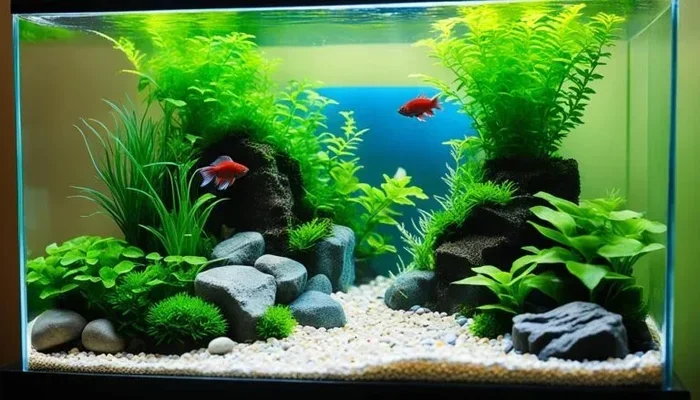
Betta fish need a spacious, clean, and enriched tank to thrive. Providing the right environment prevents stress and promotes vibrant colors. Understanding what do betta fish need in their tank ensures your pet lives a long, joyful life.
Welcome to the wonderful world of betta fish care. These vibrant creatures are more than just pretty faces. They have specific needs that must be met for them to flourish. Many new owners make the mistake of keeping them in small bowls. This often leads to health issues and a shorter lifespan.
You might be wondering what do betta fish need in their tank to truly thrive. It is not just about water and food. The environment plays a huge role in their behavior and health. A well-setup tank mimics their natural habitat in the wild. This reduces stress and encourages natural behaviors.
In this guide, we will break down every essential element. You will learn about size, filtration, heating, and decoration. We will also touch on water quality and lighting. By the end, you will feel confident in creating a perfect home. Your betta deserves the best start possible.
Key Takeaways
- Tank Size Matters: A minimum of 5 gallons provides stable water conditions.
- Filtration Is Key: Gentle flow filters keep water clean without stressing the fish.
- Temperature Control: Maintain water between 78-80°F using a reliable heater.
- Enrichment Needs: Plants and hiding spots reduce boredom and aggression.
- Water Quality: Regular testing and changes prevent toxic buildup.
- Lighting Cycle: A consistent light schedule mimics natural day and night.
- Proper Diet: High-quality pellets and occasional treats support health.
📑 Table of Contents
Understanding What Do Betta Fish Need in Their Tank Size
The first step in betta care is choosing the right tank size. Many people believe bettas can live in tiny cups or bowls. This is a common myth that harms these beautiful fish. Small volumes of water fluctuate in temperature and chemistry quickly. This causes significant stress to your pet.
A larger tank provides more stable conditions. It gives your fish room to swim and explore. Betta fish tank requirements usually suggest a minimum of 5 gallons. This size allows for proper filtration and heating. It also gives you enough space for decorations.
Here are some benefits of a larger tank:
- Stable Water Temperature: Larger water volumes hold heat better.
- Better Water Quality: Waste dilutes more easily in larger volumes.
- More Swimming Space: Bettas are active and need room to move.
- Room for Decor: You can add plants and hides comfortably.
If you have space, a 10-gallon tank is even better. It offers more stability and swimming area. You can learn more about ideal sizes in our guide on do betta fish like 10 gallon tank. Bigger is generally better for their overall well-being.
Filtration and Water Flow Requirements
Clean water is vital for any aquatic pet. Betta fish produce waste like any other animal. Without filtration, toxins build up quickly. This can lead to serious health problems. However, bettas have long fins that catch currents easily.
You need a filter that provides gentle flow. Strong currents can exhaust your betta. They are not strong swimmers compared to other species. A sponge filter or adjustable power filter works well. These options keep the water clean without creating a torrent.
Some owners ask, do betta fish have to be in a filtered tank. While they can survive without one, it is not ideal. Unfiltered tanks require very frequent water changes. A filter helps maintain a healthy nitrogen cycle. This cycle breaks down harmful ammonia and nitrites.
Key filtration tips include:
- Choose Gentle Flow: Adjust the output to reduce current strength.
- Regular Maintenance: Clean filter media in tank water, not tap water.
- Cycle Your Tank: Establish beneficial bacteria before adding fish.
- Monitor Water Parameters: Test for ammonia, nitrite, and nitrate regularly.
Proper filtration ensures a safe environment. It reduces the workload for you in the long run. Your fish will stay healthier with consistent water quality.
Heating and Temperature Control
Betta fish are tropical creatures. They come from warm waters in Southeast Asia. Keeping them in cold water slows their metabolism. It also weakens their immune system. A heater is essential for maintaining the right temperature.
The ideal range is between 78 and 80 degrees Fahrenheit. Consistent warmth keeps your betta active and healthy. Fluctuations can cause shock or illness. Many beginners wonder, do betta fish bowls need a heater. The answer is yes, even in smaller setups.
When choosing a heater, consider the tank size. Submersible heaters are often more reliable. Ensure you have a thermometer to monitor the temperature. Digital thermometers are easy to read and accurate. Place the heater near the filter output for even distribution.
Temperature management tips:
- Use a Thermostat: Many heaters have built-in temperature controls.
- Avoid Drafts: Keep the tank away from windows or vents.
- Check Daily: Monitor the temperature every day.
- Have a Backup: Keep a spare heater in case of failure.
Proper heating is non-negotiable for tropical fish. It supports digestion and overall vitality. Your betta will show brighter colors in warm water.
Decorations and Enrichment Ideas
Bettas are intelligent and curious fish. They need stimulation to prevent boredom. A bare tank can lead to lethargy. Adding decorations creates a more engaging environment. It also provides security and hiding spots.
Live plants are an excellent choice. They help improve water quality by absorbing nitrates. They also offer natural surfaces for exploration. If you prefer artificial plants, choose silk ones. Plastic plants can tear delicate fins. You might wonder, do betta fish have things inside their tank that are safe. Always inspect decorations for sharp edges.
Hiding spots are crucial for reducing stress. Caves, tunnels, or dense plants give them a place to rest. This is especially important during resting periods. Bettas often sleep on leaves or inside caves. Ensure any hide is smooth and fish-safe.
Enrichment ideas for your tank:
- Live Plants: Java fern, anubias, and betta bulbs are great options.
- Silk Plants: Soft leaves prevent fin damage.
- Caves and Tunnels: Provide security and hiding places.
- Surface Resting Spots: Leaves or hammocks near the top.
Some owners ask, do betta fish get bored in a tank. Yes, they can become bored without stimulation. Rearranging decorations occasionally can help. Just do it gently to avoid stressing them. You can read more about this in our article on do betta fish get mad when you change their decorations.
Lighting and Day-Night Cycles
Lighting plays a role in your betta’s health. It helps regulate their sleep-wake cycle. Too much light can cause stress. Too little light can hinder plant growth. A consistent schedule is the best approach.
Most tanks come with a hood light. You can also use a timer for consistency. Aim for about 8 to 10 hours of light per day. This mimics a natural day cycle. At night, the tank should be dark. This allows your fish to rest properly.
Some people ask, do betta fish always need light. They do not need constant light. In fact, darkness is necessary for sleep. Observe your fish to see their activity levels. Adjust the lighting if they seem stressed or inactive.
Lighting best practices:
- Use a Timer: Automate the light schedule for consistency.
- Avoid Direct Sunlight: Prevents algae growth and overheating.
- Monitor Plant Needs: Ensure plants get enough light if live.
- Observe Behavior: Watch for signs of light stress.
Proper lighting supports both fish and plants. It creates a beautiful display in your home. Just remember to give them darkness at night.
Water Quality and Maintenance
Maintaining water quality is the most critical task. Poor water leads to disease and death. You must test the water regularly. Key parameters include pH, ammonia, nitrite, and nitrate. Betta fish prefer slightly acidic to neutral pH.
Tap water often contains chlorine or chloramines. These chemicals are harmful to fish. You must treat tap water before adding it to the tank. Water conditioners neutralize these toxins. Some owners ask, can you use tap water in a betta fish tank. Yes, but only after treating it properly.
Regular water changes are essential. Replace about 25 to 50 percent of the water weekly. This removes accumulated waste and replenishes minerals. Always match the new water temperature to the tank. Sudden temperature changes can shock your fish.
Maintenance checklist:
- Test Water Weekly: Check for ammonia, nitrite, and nitrate.
- Vacuum Substrate: Remove debris from the bottom during changes.
- Clean Filter Media: Rinse in old tank water to preserve bacteria.
- Treat New Water: Always use a water conditioner.
Good water quality prevents many common issues. It keeps your betta’s immune system strong. Consistent care leads to a thriving pet.
Feeding and Nutrition Needs
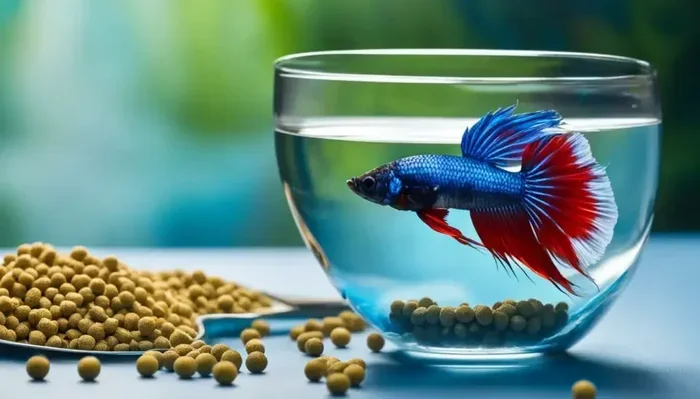
A proper diet supports growth and color. Betta fish are carnivorous by nature. They need high-protein food to stay healthy. Flakes are common, but pellets are often better. Pellets sink slower and are easier to manage.
Overfeeding is a common mistake. It leads to obesity and dirty water. Feed only what your fish can eat in a few minutes. Once or twice a day is sufficient. You can offer treats like frozen bloodworms occasionally. This adds variety to their diet.
Some owners wonder, do betta fish eat their poop. They do not intentionally eat waste. However, they might nibble on it by mistake. This is why cleaning the substrate is important. A clean tank reduces the chance of accidental ingestion.
Feeding guidelines:
- High-Protein Pellets: Choose quality food designed for bettas.
- Portion Control: Feed small amounts to prevent waste.
- Occasional Treats: Offer frozen or live foods once a week.
- Remove Uneaten Food: Clean up leftovers to keep water clean.
Proper nutrition keeps your fish energetic. It also enhances their vibrant colors. A well-fed betta is a happy betta.
Social Needs and Tank Mates
Bettas are known for their aggression. Males should never be housed together. They will fight and injure each other. Females can sometimes live in groups, but it requires expertise. For most owners, a single betta is best.
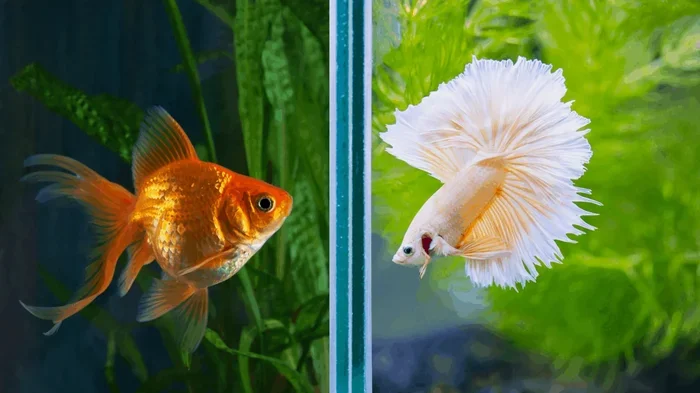
You might want to add other fish. Compatibility is key when choosing tank mates. Peaceful, non-fin-nicking species are ideal. Avoid fish that are too active or aggressive. You can learn more in our guide on can betta fish have other fish in their tank.
Snails and shrimp are often safe choices. They help clean the tank and add interest. However, some bettas may eat small shrimp. Always monitor interactions closely. Provide enough hiding spots for any tank mates.
Tank mate considerations:
- Avoid Male Bettas Together: They will fight aggressively.
- Choose Peaceful Species: Look for calm community fish.
- Provide Hiding Spots: Ensure mates have places to escape.
- Monitor Behavior: Watch for signs of stress or aggression.
Understanding social needs prevents conflict. A peaceful tank is healthier for everyone. Always prioritize the safety of your betta.
Conclusion
Creating a perfect home for your betta is rewarding. You now know what do betta fish need in their tank for a happy life. From tank size to water quality, every detail matters. A spacious, filtered, and heated tank provides stability. Enrichment and proper lighting keep them engaged.
Consistent maintenance ensures long-term health. Feeding a balanced diet supports their vitality. Avoiding common mistakes prevents unnecessary stress. Your betta will show its gratitude with vibrant colors and active behavior.
Take the time to set up their tank correctly. Your efforts will result in a thriving companion. Enjoy watching your betta explore its beautiful new home. With the right care, they can live a full and joyful life.
Frequently Asked Questions
What size tank is best for a betta fish?
A minimum of 5 gallons is recommended for stability. Larger tanks like 10 gallons offer even better conditions. Small bowls are not suitable for long-term health.
Do betta fish need a filter?
Yes, a filter helps maintain water quality and the nitrogen cycle. Choose one with gentle flow to avoid stressing their fins. Unfiltered tanks require much more frequent water changes.
What temperature should the water be?
The ideal temperature range is between 78 and 80 degrees Fahrenheit. Consistent warmth supports their metabolism and immune system. A reliable heater and thermometer are essential tools.
Can I put plants in my betta tank?
Live plants are highly beneficial for water quality and enrichment. Silk plants are a safe artificial alternative to plastic. Always ensure decorations have no sharp edges.
How often should I change the water?
You should change 25 to 50 percent of the water weekly. This removes toxins and keeps the environment clean. Always treat new water with a conditioner before adding it.
Can betta fish live with other fish?
Male bettas should live alone or with very peaceful tank mates. Avoid aggressive or fin-nicking species. Snails and some shrimp can be compatible companions.