What Is the Life Expectancy of a Betta Fish
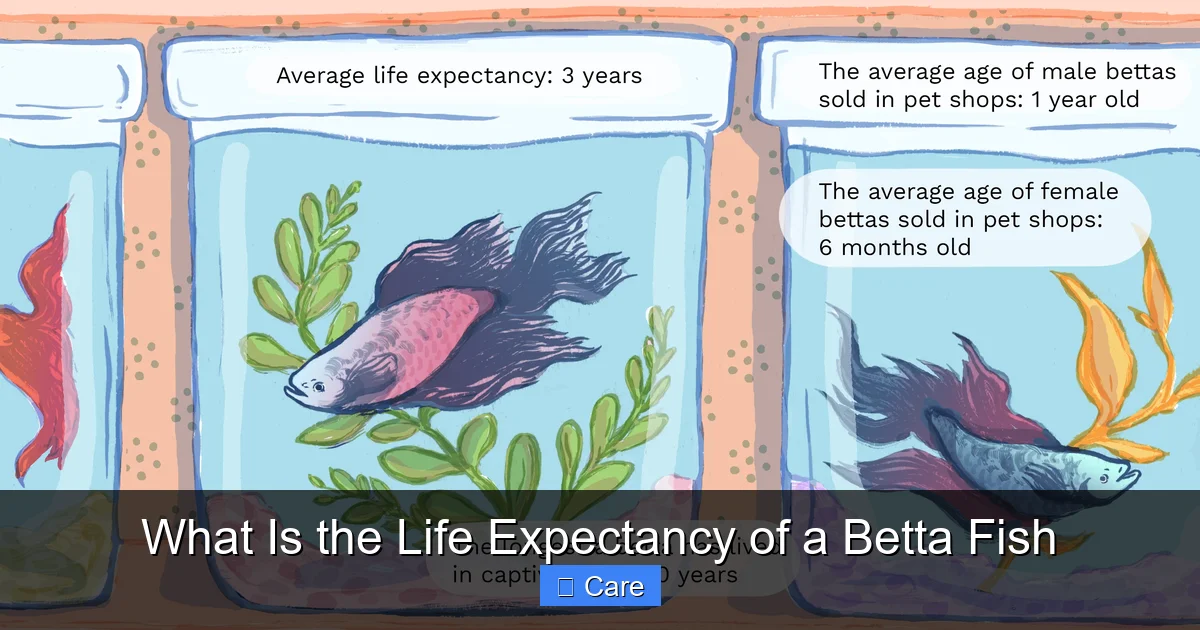
Betta fish can live anywhere from 2 to 5 years with proper care, and some exceptional specimens even reach 7 years. Key factors such as water quality, nutrition, and stress reduction directly influence their life expectancy.
Key Takeaways
- Average lifespan: Most bettas live 2‑5 years when cared for correctly.
- Water quality matters: Stable temperature and clean water are the biggest longevity boosters.
- Nutrition counts: A varied, high‑protein diet reduces disease and extends life.
- Tank size & environment: Larger, well‑planted tanks lower stress and improve health.
- Genetics & breeding: Wild‑type bettas often outlive heavily colored hybrids.
- Regular health checks: Early detection of fin rot, ich, or swim‑bladder issues can add precious months.
- Consistent routine: Predictable feeding and maintenance create a stress‑free zone for longer lives.
📑 Table of Contents
- Introduction: Why the Life Expectancy of a Betta Fish Matters
- 1. The Numbers: Typical Lifespan Ranges
- 2. Genetics: Wild‑Type vs. Fancy Betta
- 3. Water Quality: The Foundation of a Long Life
- 4. Diet and Nutrition: Feeding for Longevity
- 5. Tank Environment: Space, Décor, and Stress Management
- 6. Health Monitoring and Common Diseases
- Conclusion: Turning Knowledge into a Longer, Happier Life
Introduction: Why the Life Expectancy of a Betta Fish Matters
When you first see a betta fish flashing its brilliant colors, it’s easy to think of it as a short‑term pet—like a goldfish that lives just a few months. In reality, the life expectancy of a betta fish can stretch well beyond the typical two‑year mark if you give it the right conditions. Understanding how long a betta can live isn’t just a fun fact; it shapes how you set up the tank, choose food, and plan your daily routine.
Think of a betta like a tiny companion. The longer it stays healthy, the more you’ll enjoy watching its graceful fins dance, the more you’ll learn about its personality, and the more rewarding the hobby becomes. This guide walks you through every factor that influences the life expectancy of a betta fish, from genetics to water chemistry, so you can give your finned friend the best possible chance at a long, vibrant life.
1. The Numbers: Typical Lifespan Ranges
Average expectations
Most bettas kept in home aquariums live between 2 and 5 years. This range reflects the average outcome for fish that receive decent, but not exceptional, care. In surveys of hobbyists, the median lifespan reported is about 3.5 years.
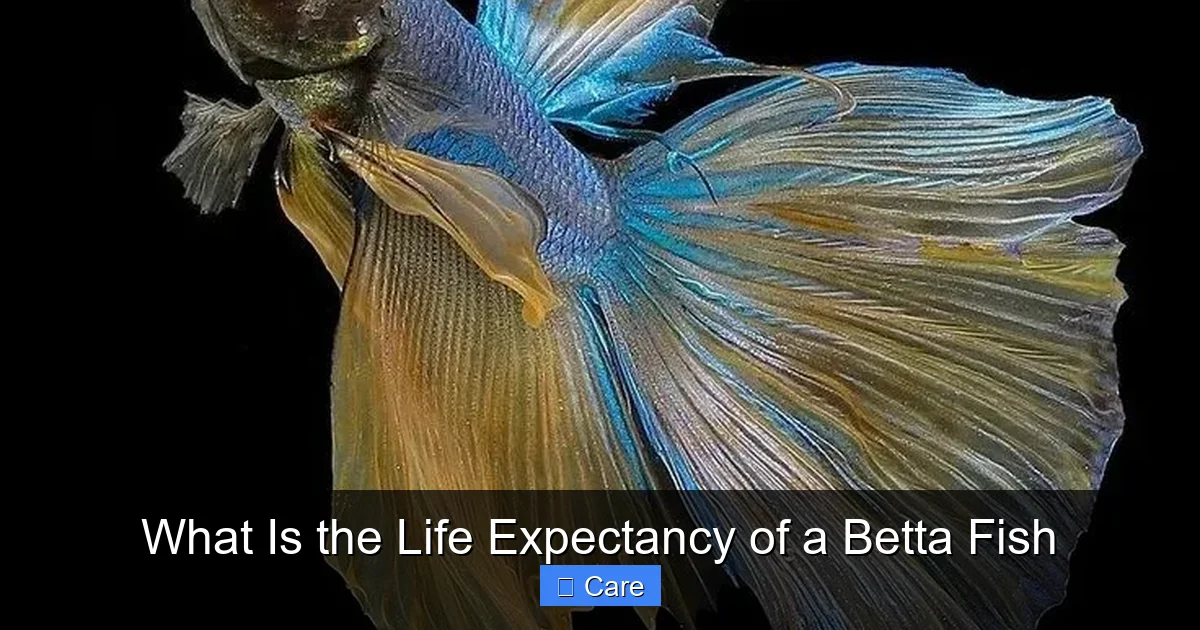
Visual guide about What Is the Life Expectancy of a Betta Fish
Image source: i.pinimg.com
Record‑breaking bettas
With meticulous attention to water parameters, diet, and stress reduction, some bettas have been documented living 6 to 7 years. The world record, according to the International Betta Society, belongs to a male betta that reached 8 years before succumbing to age‑related organ decline.
Why the range is wide
The life expectancy of a betta fish varies because of:
- Genetic background (wild‑type vs. hybrid)
- Tank conditions (size, filtration, décor)
- Feeding regimen (quality and variety)
- Health management (disease prevention and treatment)
- Stress levels (aggression, lighting, noise)
2. Genetics: Wild‑Type vs. Fancy Betta
Wild‑type bettas
Wild‑type, also called “natural” or “standard” bettas, resemble the fish found in Thailand’s rice paddies. They tend to have shorter, more muted fins and a robust immune system. Studies show wild‑type bettas often live closer to the 5‑year mark under good care.

Visual guide about What Is the Life Expectancy of a Betta Fish
Image source: vangbettas.com
Fancy bettas
Fancy bettas are the show‑stopper varieties—Veil, Crowntail, Halfmoon, and Double‑Tail. Selective breeding for flamboyant fins and vivid colors can weaken their structural integrity and make them more prone to fin rot and swim‑bladder problems. Consequently, the average life expectancy of a betta fish in the fancy category leans toward the lower end of the 2‑4 year range.
Choosing the right betta for longevity
If a long life is your top priority, consider a wild‑type male or a responsibly bred half‑wild hybrid. Look for clear eyes, intact fins, and a steady, confident swimming style—signs of good genetics.
3. Water Quality: The Foundation of a Long Life
Temperature stability
Betta fish are tropical, thriving at 78‑80°F (25‑27°C). Fluctuations beyond ±2°F cause stress, suppress the immune system, and can shorten the life expectancy of a betta fish. A reliable aquarium heater with an automatic thermostat is essential.
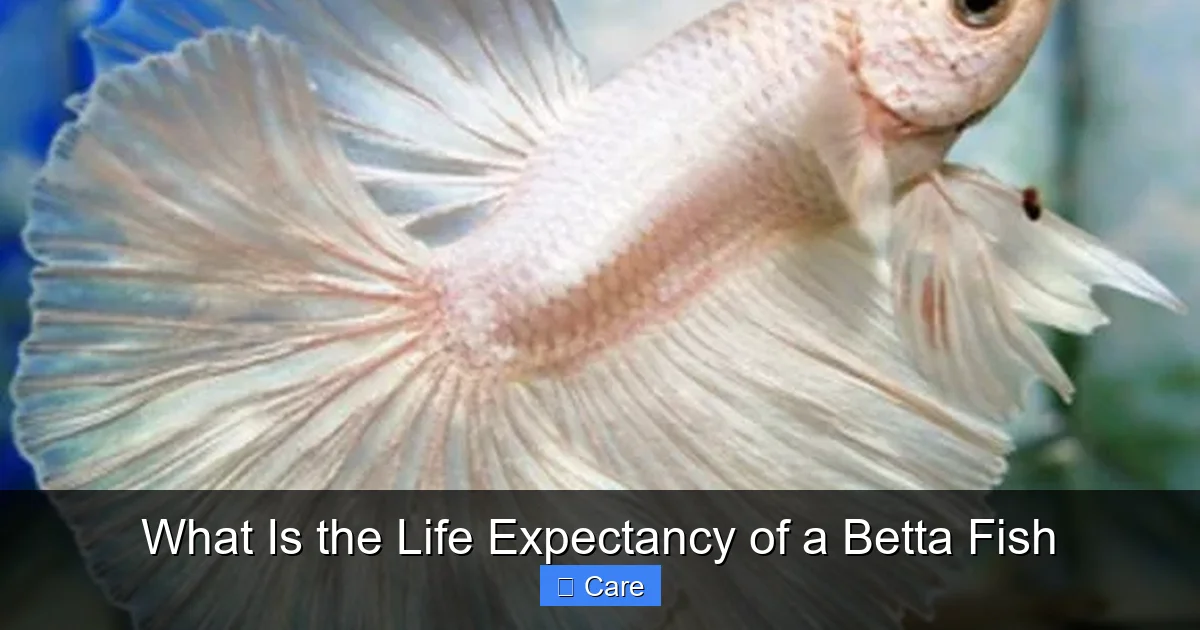
Visual guide about What Is the Life Expectancy of a Betta Fish
Image source: iqss.eu
Ammonia, nitrite, and nitrate
Even tiny spikes in ammonia (NH₃) are deadly. Perform weekly water tests and maintain ammonia and nitrite at 0 ppm. Nitrate should stay below 20 ppm; a partial water change of 25 % each week keeps it in check.
pH and hardness
Betta fish prefer a slightly acidic to neutral pH of 6.5‑7.5. Soft to moderately hard water (50‑150 ppm GH) mimics their natural habitat. Sudden shifts in pH can stress the fish and reduce lifespan.
Filtration and aeration
While bettas can breathe surface air using their labyrinth organ, a gentle filter improves water quality and reduces harmful bacteria. Choose a low‑flow sponge filter to avoid stressing the fish.
Practical tip: The “water swap” routine
Every Sunday, remove 20‑30 % of the tank water, replace it with conditioned water at the same temperature, and scrub the glass lightly. This habit dramatically improves the life expectancy of a betta fish by preventing toxin buildup.
4. Diet and Nutrition: Feeding for Longevity
High‑quality protein sources
Betta fish are carnivores. A diet rich in protein—live or frozen bloodworms, brine shrimp, and daphnia—supports muscle development and immune health. Aim for at least 40‑50 % protein in each meal.
Commercial pellets and flakes
Look for betta‑specific pellets that list whole fish or shrimp as the first ingredient. Avoid products with filler grains or excessive plant matter, which can cause digestive issues over time.
Feeding schedule
Feed small amounts 2‑3 times daily. A good rule: what they can eat in 2 minutes per feeding. Overfeeding leads to cloudy water, obesity, and a reduced life expectancy of a betta fish.
Supplements and treats
Occasional vitamin‑rich treats (e.g., spirulina flakes) boost immunity. However, keep treats to no more than 10 % of the weekly diet.
Practical tip: “Fast day” once a week
Give your betta a 24‑hour fast each week. This mimics wild feeding patterns, helps clear the digestive tract, and can improve overall health, thereby extending the life expectancy of a betta fish.
5. Tank Environment: Space, Décor, and Stress Management
Tank size matters
Although bettas can survive in 2‑gallon bowls, a minimum of 5 gallons is recommended for optimal health. Larger water volume stabilizes temperature, dilutes toxins, and gives the fish room to explore.
Plants and hiding spots
Live or silk plants provide cover and reduce stress. Betta fish love to rest under leaves; this behavior lowers cortisol levels and contributes to a longer life expectancy of a betta fish.
Lighting
Provide a consistent 10‑12 hour light cycle using a dimmable LED. Sudden bright lights can startle the fish, while constant darkness can weaken its natural rhythms.
Tank mates
Male bettas are territorial. If you keep a community tank, choose peaceful, non‑fin‑nipping species like small rasboras or Corydoras catfish, and always provide a visual barrier.
Practical tip: “Bubble wall”
Install a gentle bubble wall on one side of the tank. The soft current encourages gentle exercise, improves oxygen exchange, and adds visual interest without stressing the fish.
6. Health Monitoring and Common Diseases
Early signs of trouble
Watch for faded colors, torn fins, clamped gills, or erratic swimming. Spotting these early can prevent a rapid decline in the life expectancy of a betta fish.
Fin rot
Often caused by poor water quality. Treat with a mild antibacterial medication and increase water changes. Clean, intact fins are a good indicator of a longer life.
Ich (white spot disease)
Raise temperature to 84°F (29°C) for a few days and add a copper‑based medication. Prompt treatment can save months of life.
Swim‑bladder disorder
Overfeeding and constipation are common culprits. Offer a boiled pea (shelled) to aid digestion, and adjust feeding amounts.
Practical tip: Monthly health log
Keep a simple notebook: date, water parameters, feeding notes, and any visible changes. This log helps you spot patterns that could affect the life expectancy of a betta fish and lets you act quickly.
Conclusion: Turning Knowledge into a Longer, Happier Life
Knowing the factors that shape the life expectancy of a betta fish empowers you to make choices that add years to your pet’s calendar. Consistent water maintenance, a balanced diet, a suitably sized and decorated tank, and attentive health monitoring are the pillars of longevity. While genetics set the stage, your daily care writes the script. By treating your betta like a cherished companion rather than a decorative novelty, you’ll enjoy vibrant colors, playful behavior, and a rewarding bond for many wonderful years.
Frequently Asked Questions
How long do betta fish usually live?
Under average home‑care conditions, bettas live 2‑5 years. With optimal water, diet, and low stress, some reach 6‑7 years.
Does tank size affect a betta’s lifespan?
Yes. A minimum 5‑gallon tank provides stable water conditions and space to swim, which can add months or even years to the betta’s life.
Can a betta survive in a bowl?
While bettas can survive in small bowls, the cramped space and poor water quality often shorten the life expectancy of a betta fish. A proper aquarium is strongly recommended.
What is the best diet for a long‑living betta?
High‑protein foods like quality pellets, frozen bloodworms, and occasional live brine shrimp, fed in small portions 2‑3 times daily, support a healthy, long life.
How often should I change the water?
Perform a 20‑30 % water change weekly and test parameters each time. This routine keeps toxins low and helps maintain a long life expectancy of a betta fish.
Are there any signs that my betta is aging?
Older bettas may show slower movement, faded colors, and slightly frayed fins. Regular health checks and gentle care can keep them comfortable in their senior years.