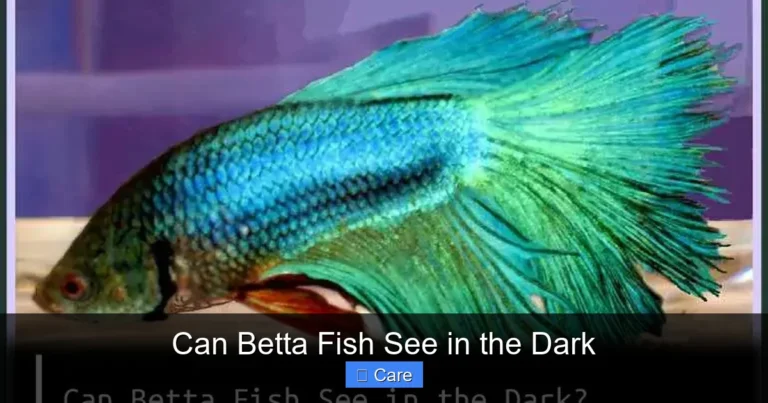
What Do Betta Fish Like In Their Tank And Daily Life

Betta fish thrive in warm, clean water with plenty of hiding spots and gentle filtration. They enjoy a spacious tank, soft lighting, and regular interaction with their owners. Understanding what do betta fish like helps you create a stress-free home that supports their natural behaviors and long-term health.
Key Takeaways
- Warm water matters: Keep the temperature between 78 and 80 degrees Fahrenheit for optimal health.
- Space is essential: A minimum 5-gallon tank gives your betta room to swim and explore.
- Gentle filtration works best: Avoid strong currents since bettas prefer calm water flow.
- Hiding spots reduce stress: Plants, caves, and smooth decorations give them security.
- Clean water prevents illness: Weekly partial water changes keep ammonia and nitrates low.
- Routine builds trust: Consistent feeding and gentle observation help your betta feel safe.
- Soft lighting suits their eyes: Dim or natural light mimics their native shallow habitats.
📑 Table of Contents
- Understanding What Do Betta Fish Like in Their Home
- The Right Tank Size and Layout
- Water Conditions That Keep Bettas Happy
- Decorations and Plants That Bettas Enjoy
- Daily Life, Food, and Enrichment
- Common Tank Mates and Social Preferences
- Quick Tips for a Happy Betta
- Common Mistakes to Avoid
- Expert Insights for Long-Term Success
- Conclusion
Understanding What Do Betta Fish Like in Their Home
Betta fish are beautiful, smart, and full of personality. They come from shallow rice paddies and slow-moving streams in Southeast Asia. That background shapes everything they need in captivity. When you learn what do betta fish like, you give them a life that feels natural and safe. A happy betta swims with confidence, flares with excitement, and rests without fear.
Many new owners focus only on color and fins. That is a mistake. The real secret to a thriving betta is matching their environment to their instincts. Water quality, temperature, space, and enrichment all matter. Small changes in the tank can make a huge difference in their daily mood. Let us walk through the details so you can build a setup your fish will truly enjoy.
The Right Tank Size and Layout
Space is one of the most important factors in betta care. A tiny bowl might look cute, but it creates stress and poor water quality. Bettas need room to patrol their territory and stretch their fins. If you are asking what do betta fish like, the answer starts with a tank that feels open but secure.
Why a 5-Gallon Tank Works Well
A 5-gallon tank is the sweet spot for most bettas. It holds enough water to stay stable between cleanings. It also gives your fish space to swim without feeling crowded. Larger tanks are even better if you have the room and budget. Stable water means less stress, and less stress means a longer, healthier life.
You can check out whether bettas prefer extra room to see how space affects their behavior. The general rule is simple: more space usually means a calmer fish.
How to Arrange the Tank
Layout matters just as much as size. Bettas like clear swimming lanes with cozy corners to rest. Place plants and decorations along the back and sides. Leave the front open so your fish can glide through the water. This setup mimics their natural habitat and gives them choices throughout the day.
Here is a simple layout guide:
- Background: Tall plants or a dark backdrop for security
- Midground: Broad leaves and gentle driftwood for resting
- Foreground: Open space for easy swimming
- Bottom: Smooth substrate that will not tear their fins
Water Conditions That Keep Bettas Happy
Water is the foundation of betta health. If the water feels wrong, your fish will show it through dull colors, clamped fins, or hiding. Learning what do betta fish like in water helps you avoid common problems before they start.
Temperature and Warmth
Bettas are tropical fish. They prefer warm water that stays steady. Sudden temperature swings can weaken their immune system. A simple adjustable heater keeps the tank in the right range. Warm water also supports healthy digestion and active movement.
Keep an eye on these temperature tips:
- Aim for 78 to 80 degrees Fahrenheit
- Use a reliable thermometer
- Avoid placing the tank near drafts or direct sun
- Check the heater regularly for consistent performance
pH and Water Softness
Bettas do best in slightly acidic to neutral water. You do not need to chase perfect numbers every day. Stability matters more than tiny fluctuations. If your tap water is safe and consistent, it can work well with proper conditioning. The key is to avoid harsh swings that stress the fish.
If you want to learn more about water chemistry, you can read about how bettas respond to acidic water. That guide explains how pH affects comfort and long-term health.
Clean Water and Gentle Flow
Bettas like clean water, but they do not like violent currents. Strong flow can push them around and tire them out. A gentle filter keeps the water clear without creating a raceway. Sponge filters and low-output hang-on-back filters often work well.
You may also wonder about air movement. For a deeper look, see how bettas handle air pump circulation. Some tanks benefit from mild surface movement, while others need very little. Watch your fish. If it struggles against the current, reduce the flow.
Decorations and Plants That Bettas Enjoy
A bare tank feels empty to a betta. These fish like places to explore, rest, and hide when they want privacy. The right decorations also protect their delicate fins. Sharp edges can cause tears, so choose smooth materials whenever possible.
Live Plants Versus Artificial Plants
Live plants are wonderful for water quality and natural behavior. They absorb waste, add oxygen, and create soft surfaces. Bettas often rest on broad leaves or weave through stems. Artificial plants can work too, but pick silk or smooth plastic versions. Rough plastic can shred fins over time.
Good plant choices include:
- Java fern
- Anubias
- Amazon frogbit
- Soft moss varieties
- Broad-leafed plants for resting
Safe Decorations and Hiding Spots
Bettas like caves, tunnels, and shaded areas. These spots give them a sense of security, especially in a shared room with lots of movement. A quiet corner in the tank helps them decompress. If your betta often hides, it may simply be seeking a comfortable place to rest.
For more on this behavior, you can explore whether bettas hide in rocks. Hiding is not always a bad sign. Sometimes it is just a normal part of their daily routine.
Avoid these decoration mistakes:
- Sharp resin or ceramic pieces with rough edges
- Metal items that can rust
- Overcrowded tanks with no swimming room
- Heavy items that block the surface
Daily Life, Food, and Enrichment
Bettas are more active than many people expect. They notice movement, recognize routines, and often respond to their owners. If you want to understand what do betta fish like in daily life, think about variety, consistency, and mental stimulation.
Feeding Habits and Treats
Bettas are carnivorous by nature. They enjoy protein-rich foods such as pellets, frozen bloodworms, and brine shrimp. A varied diet keeps them interested and supports bright colors. Do not overfeed, though. Too much food pollutes the water and can cause digestive issues.
Try this simple feeding routine:
- Offer small portions once or twice a day
- Use only what they can finish in a few minutes
- Add a treat a couple of times a week
- Skip feeding one day if needed for digestion
If you are curious about snack options, you can read whether bettas enjoy treats for a snack. A small treat can be a fun way to add variety without upsetting the tank.
Interaction and Owner Recognition
Bettas often notice the person who feeds them. They may swim to the front of the glass or follow gentle movement. That does not mean they want constant handling. It means they can learn routines and feel comfortable with familiar presence. Quiet observation is usually better than tapping the glass or making sudden gestures.
To understand this bond better, see whether bettas recognize their owner. Many keepers notice their fish become more active during regular feeding time. That kind of consistency helps your betta feel secure.
Rest, Sleep, and Quiet Time
Bettas need rest just like any other animal. They often find a quiet leaf, a flat stone, or a cozy corner to settle down. Their sleep looks different from ours, but they still need dark, calm periods. A consistent light schedule helps them stay on a healthy rhythm.
If you have ever wondered how bettas sleep, you may enjoy reading whether bettas keep their eyes open during sleep. Fish do not close their eyes the same way people do, so their rest can look subtle. Giving them a dim, peaceful environment at night supports better recovery.
Common Tank Mates and Social Preferences
Bettas have a reputation for being solitary, and that is partly true. Males are especially territorial. They often prefer a tank where they do not have to compete for space. That said, some bettas can live with peaceful companions if the setup is right. The key is to watch personality, not just species.
When Bettas Prefer to Be Alone
Many bettas feel best when they are the only fish in the tank. A single betta can still have a rich life with plants, safe decorations, and regular care. If your fish flares often, hides constantly, or chases everything, it may be telling you it wants solitude.
For a closer look at this topic, you can review whether bettas must be kept alone. Some individuals tolerate companions, while others do not. Always prioritize the comfort of the betta first.
Choosing Peaceful Companions Carefully
If you do add tank mates, choose calm, non-aggressive fish that stay out of the betta’s way. Small schooling fish and bottom dwellers are often better choices than flashy, competitive species. Avoid fish that nip fins or chase constantly. Also avoid adding multiple males together.
Watch for these signs of trouble:
- Constant chasing or pinning
- Torn fins or hiding all day
- Loss of appetite
- Frequent flaring with no calm periods
If you want to know how bettas interact with other species, you can read whether bettas kill and eat other fish. Understanding those behaviors helps you make safer choices for a community tank.
Quick Tips for a Happy Betta
Small habits make a big difference. Use these practical tips to keep your betta comfortable and engaged.
- Test the water regularly: Check ammonia, nitrite, nitrate, and pH
- Keep the temperature steady: Use a trusted heater and thermometer
- Reduce strong currents: Adjust filter output if your betta struggles
- Add resting spots: Broad leaves and smooth decorations help
- Stick to a routine: Feed, clean, and observe on a predictable schedule
- Watch behavior daily: Changes often show stress before illness does
- Avoid sudden changes: Introduce new items slowly
Common Mistakes to Avoid
Even well-meaning owners can make avoidable errors. Here are the most common ones and how to fix them.
- Using a bowl that is too small: Upgrade to a proper tank with filtration
- Skipping water changes: Schedule regular partial changes to control waste
- Overfeeding: Offer smaller meals and remove leftover food
- Choosing sharp decorations: Replace rough items with smooth, safe options
- Ignoring temperature swings: Move the tank away from drafts and direct sunlight
- Adding aggressive tank mates: Remove troublemakers quickly if bullying starts
- Tapping the glass: Use gentle observation instead of loud disturbances
Expert Insights for Long-Term Success
Experienced keepers usually focus on stability. A stable tank is easier on the fish than a perfect tank that changes all the time. Consistency in feeding, cleaning, and lighting creates a calm environment. It also helps you notice small problems early.
Another helpful habit is observing your betta at the same time each day. You will learn what normal behavior looks like for your specific fish. That makes it easier to spot stress, appetite changes, or unusual hiding. The more familiar you become with your betta’s routine, the better care you can provide.
Remember that every betta has a personality. Some are bold and curious. Others are shy and reserved. Both styles are normal. Your job is to give them a safe, comfortable place where their natural habits can shine.
Conclusion
So, what do betta fish like? They like warm, clean water, enough space to swim, gentle filtration, and places to rest and explore. They enjoy a predictable routine, a varied diet, and a quiet environment that respects their natural instincts. When you build a tank around those needs, your betta can show off its full beauty and personality.
The best part is that good betta care is simple once you understand the basics. Start with a stable tank, choose safe decorations, and pay attention to daily behavior. With a little patience, you will create a home your betta truly likes. And when your fish feels safe, it will reward you with color, movement, and character every day.
Frequently Asked Questions
What do betta fish like in their tank most?
Bettas like warm, clean water, enough space to swim, and gentle filtration. They also enjoy smooth decorations and plants that give them places to rest and hide.
Do betta fish like strong water flow?
No, bettas usually prefer calm water with only gentle movement. Strong currents can stress them and make swimming harder, so a low-output filter often works best.
What do betta fish like to eat?
Bettas like protein-rich foods such as quality pellets, frozen bloodworms, and brine shrimp. A varied diet helps keep them healthy, but overfeeding should be avoided.
Do betta fish like plants in their tank?
Yes, many bettas enjoy live or smooth artificial plants because they create shelter and resting spots. Broad leaves are especially useful for lounging near the surface.
Do betta fish like to be touched or handled?
Bettas generally do not like being touched or handled. They respond better to calm observation, a stable routine, and gentle interaction through feeding and presence.
What do betta fish like for lighting and sleep?
Bettas prefer a consistent light schedule with dim, quiet periods at night. They rest in calm spots, and a peaceful environment helps them feel secure while they sleep.