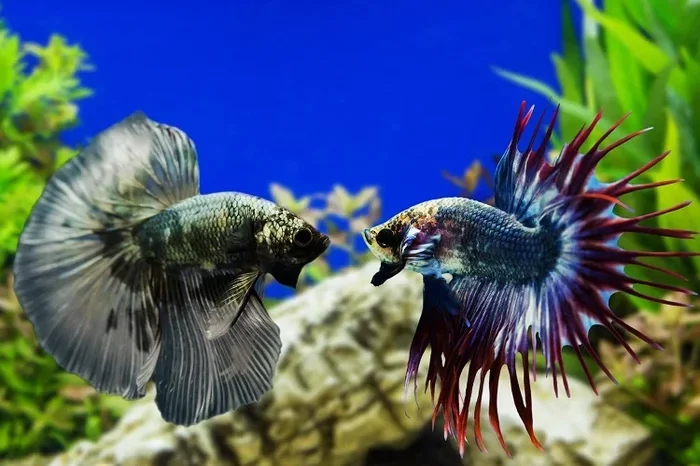
Do Betta Fish Sleep on Their Side Signs and Facts

Seeing your betta rest flat can worry any owner. Do betta fish sleep on their side? Sometimes yes, but it often signals health issues. This guide explains normal sleep habits versus dangerous warning signs. You will learn how to spot trouble early and protect your fish.
Key Takeaways
- Normal Rest: Bettas often rest on leaves or the bottom, but lying fully sideways is less common.
- Swim Bladder Issues: Floating sideways usually points to swim bladder disease or bloating.
- Water Quality: Poor water parameters stress fish and cause abnormal resting behavior.
- Sleep Signs: Look for slowed breathing and relaxed fins to confirm your fish is actually sleeping.
- Immediate Action: Test water immediately if your betta lies on its side for long periods.
- Diet Matters: Overfeeding causes bloating that pushes fish onto their sides.
- Veterinary Care: Persistent sideways lying needs expert help to prevent death.
📑 Table of Contents
- Understanding Betta Sleep Habits
- Do Betta Fish Sleep on Their Side Normally?
- Signs Your Betta Is Actually Sleeping
- Warning Signs: When Sideways Lying Is Bad
- Common Causes of Sideways Resting
- How to Help a Betta Lying on Its Side
- Preventing Sleep and Health Issues
- Expert Insights on Betta Behavior
- Common Mistakes to Avoid
- Key Takeaways for Betta Owners
Understanding Betta Sleep Habits
Bettas are unique pets with fascinating habits. Many owners watch their fish glide around the tank all day. Then the lights go out. The fish slows down. You might wonder do betta fish sleep on their side during these quiet hours. The truth is a bit complex. Bettas do rest. They need downtime just like humans. But their sleep looks different than ours. They do not have eyelids. So their eyes stay open. This often confuses new owners. You might think your fish is staring at you. Actually, it is just resting. During rest, bettas find a quiet spot. They might hover near the bottom. They might hide among plants. Some even rest on broad leaves. This behavior is normal. However, lying completely flat on their side is different. It can happen briefly. But it should not last long. If your fish stays sideways for hours, something is wrong. You need to pay attention. Healthy bettas maintain balance. They use their swim bladder to float. This organ controls buoyancy. When it works well, the fish stays upright. When it fails, the fish struggles. So, context matters a lot. Watch your fish closely. Note how long it stays in that position. Check if it moves when you approach. Active response means rest. No response means trouble. Understanding these basics helps you care better. You want your pet to thrive. Knowing the difference saves lives. It also reduces your stress. You will not panic over normal behavior. You will act fast on real problems. This knowledge is power for any aquarist.
Do Betta Fish Sleep on Their Side Normally?
This question worries many new owners. You see your fish lying flat. You worry it is dead. Or you worry it is sick. Let us clarify the norm. Do betta fish sleep on their side as a standard habit? Generally, no. They prefer to hover or rest on surfaces. They might lean against a leaf. They might sit on the substrate. But a full sideways flop is rare. Sometimes, a betta might tilt slightly. This can happen during deep rest. But it should correct itself quickly. If your fish rolls over and stays there, take note. There are exceptions. Older fish might rest more. Sick fish might lose balance. But for a healthy adult, sideways sleeping is not the norm. You should observe your specific fish. Every betta has its own personality. Some are lazy. Some are active. Learn what is normal for your pet. This baseline helps you spot changes. If your active fish suddenly lies sideways, investigate. If your lazy fish does it often, watch closer. Context is key. Time of day matters too. Nighttime is rest time. Daytime is active time. If your fish lies sideways in the day, it is a red flag. Nighttime resting might be more forgiving. But still, monitor it. Do not ignore it completely. Trust your instincts. If something feels off, check the tank. Your attention is the best tool. You know your fish better than anyone. Use that bond to keep them safe. Remember, prevention is better than cure. Watch early signs. Act before things get worse.
Signs Your Betta Is Actually Sleeping
How can you tell if your fish is just napping? There are clear signs of healthy sleep. First, look at the gills. They should move slowly. Breathing slows down during rest. This is normal. Second, check the fins. They might relax a bit. But they should not clamp tight. Clamping suggests stress or illness. Third, observe the eyes. They stay open. But they look dull. The fish will not track movement well. If you tap the glass, a sleeping fish wakes up. A sick fish might not react. So, reaction time is a good test. Also, look at the position. A sleeping betta often finds a cozy spot. They might wedge themselves between decor. They might rest on a leaf. This is comfortable for them. They conserve energy this way. Color might fade slightly too. This is part of the resting cycle. It returns when they wake up. So, do not panic over slight color changes. Watch for consistency. Does the fish wake up at the same time? Do they eat normally after? These are good signs. Healthy sleep supports a strong immune system. It helps them grow and heal. So, respect their rest time. Do not shine bright lights constantly. Give them a day-night cycle. This promotes natural rhythms. Your fish will feel secure. Secure fish rest better. Rested fish live longer. It is a simple cycle of care. You control the environment. You control the light. Use this to help your pet. Create a calm space. Avoid loud noises near the tank. Peace helps them sleep. Peace helps them heal. It all starts with you.
Warning Signs: When Sideways Lying Is Bad
Sometimes, sideways lying is a cry for help. You must know the difference. Do betta fish sleep on their side when they are dying? Sometimes, yes. Loss of buoyancy is a late-stage symptom. If your fish cannot right itself, act fast. Look for other symptoms. Is the belly swollen? This suggests bloating. Is the spine curved? This suggests structural issues. Are the fins clamped? This suggests pain or stress. Is the water cloudy? This suggests poor quality. These signs combined are dangerous. Swim bladder disease is a common culprit. It affects buoyancy control. The fish floats upside down. Or it sinks to the bottom. It struggles to stay upright. This is painful and stressful. Another cause is internal parasites. They mess with digestion. This leads to gas buildup. Gas pushes the fish sideways. Injury is another possibility. A fall or fight can damage organs. This affects balance. Also, consider temperature shock. Cold water slows metabolism. This affects organ function. All these issues need attention. Do not wait and see. Time is critical. The longer you wait, the harder it is to fix. Your fish relies on you. You are their lifeguard. Spot the signs early. Save your companion from suffering. Ignorance is not bliss here. Knowledge saves lives. Learn the warning signs today. Keep a close eye on behavior. Changes happen fast in fish. They hide illness well. By the time you see it, it is serious. So, be vigilant. Your watchfulness matters.
Common Causes of Sideways Resting
Why does this happen? There are many reasons. Let us break them down. Diet is a big factor. Overfeeding causes bloating. Uneaten food rots in the stomach. This creates gas. Gas floats. The fish tips over. So, feed less. Feed high-quality food. Remove leftovers quickly. Water quality is another big factor. Ammonia burns gills. It stresses the fish. Stress leads to weird behavior. Test your water often. Change water regularly. Keep the tank clean. Temperature matters too. Bettas like warm water. Cold water slows them down. It affects their swim bladder. Keep the heater steady. Aim for 78 to 80 degrees. Decor can also be an issue. Rough rocks hurt fins. Sharp edges cause injury. Injured fish rest more. They hide to heal. So, choose smooth decor. Provide hiding spots. Plants are great for this. They offer security. Stress reduction is key. A stressed fish is a sick fish. Keep the environment stable. Avoid sudden changes. Move decor slowly. Let the fish adjust. These steps prevent problems. Prevention is easier than cure. Fix the root cause. Do not just treat symptoms. Look at the whole picture. Diet, water, temp, decor. All matter. All connect. You control all of them. Use that control wisely. Your fish depends on your choices. Make them count.
How to Help a Betta Lying on Its Side
If your fish is sideways, do not panic. Take action. First, test the water. Check ammonia, nitrite, and nitrate. Check pH and temperature. Fix any issues found. Do a water change if needed. Clean water helps healing. Second, check the food. Stop feeding for a day. This clears the digestive tract. Then feed a pea. Peeled, boiled peas help constipation. This is a classic remedy. It works for many fish. Third, adjust the tank setup. Lower the water level slightly. This makes it easier to reach the surface. Add resting leaves. This gives comfort. Ensure the heater works. Warm water boosts metabolism. It helps digestion. Isolate the fish if possible. A hospital tank reduces stress. It lets you monitor closely. Watch for improvement. If no change in two days, seek help. Sometimes medication is needed. Antibiotics might be necessary. But use them carefully. Follow dosage instructions. Do not overdose. Overdosing kills fish. Consult an expert if unsure. You can also try Epsom salt baths. This reduces swelling. But research this first. Not all fish tolerate salt. Know your fish. Know your tank. Be gentle. Be patient. Recovery takes time. Do not rush it. Support your fish through it. Your care makes the difference.
Preventing Sleep and Health Issues
Prevention is the best medicine. You can stop problems before they start. Start with the tank size. Do betta fish like a lot of space? Yes, they do. Small bowls are bad. They get dirty fast. They lack oxygen. Get a 5-gallon tank minimum. This gives room to swim. It keeps water stable. Add a filter. But check the flow. Do betta fish like air filters? They prefer gentle flow. Strong currents tire them out. Use a sponge filter. It is soft and safe. Keep the water clean. Change 25 percent weekly. This removes toxins. It keeps fish healthy. Feed a balanced diet. Variety is good. Pellets, frozen food, live food. But do not overfeed. Small amounts twice a day. Remove uneaten food. This keeps water clean. Monitor temperature daily. Use a reliable heater. Use a thermometer. Check it often. Consistency is key. Add plants and hides. This reduces stress. Do betta fish hide under rocks? They might if scared. Provide safe hides. Silk plants are better than plastic. They do not tear fins. Keep the tank quiet. Avoid banging the glass. Your fish feels vibrations. It stresses them out. Let them rest. Respect their sleep cycle. Turn off lights at night. Give them darkness. This helps them sleep. Good sleep prevents illness. Healthy fish fight off disease. Weak fish get sick. Build their strength. Your effort matters. Small steps add up. Create a perfect home. Watch them thrive. Enjoy your beautiful pet.
Expert Insights on Betta Behavior
Experts agree on many points. Observation is the first step. You must know your fish. Normal behavior varies. But sudden changes are bad. Experts say swim bladder issues are common. They often stem from diet. Dry food expands in the stomach. This causes blockages. Soak food before feeding. This helps digestion. Experts also stress water quality. Poor water is the number one killer. Test kits are essential. Do not guess. Use strips or liquid tests. Accuracy matters. Experts recommend quarantine for new fish. This prevents disease spread. New fish carry hidden bugs. Keep them separate for two weeks. This protects your main tank. Experts also warn about decorations. Sharp objects are dangerous. Bettas have long fins. These fins tear easily. Tears lead to infection. Use smooth items. Experts suggest live plants. They clean the water. They provide oxygen. They look natural. Fish feel more secure. Experts emphasize temperature stability. Fluctuations shock the fish. Use a good heater. Have a backup plan. Power outages happen. Keep a blanket ready. Insulate the tank. These tips come from experience. They work in real tanks. Follow them for best results. Your fish deserves expert care. You can provide it. Learn from the pros. Apply their knowledge. Your tank will flourish. Your fish will live longer. It is worth the effort. You will see the difference.
Common Mistakes to Avoid
Owners make mistakes. We all do. But some are dangerous. One big mistake is overfeeding. People love to watch fish eat. But too much food kills. It causes bloating. It dirties the water. Feed small amounts. Another mistake is small tanks. Bowls look cute. But they are cruel. They lack space. They lack filtration. Upgrade to a tank. Another mistake is ignoring water tests. You cannot see ammonia. It burns silently. Test regularly. Do not assume water is fine. Another mistake is wrong temperature. Room temp is too cold. Bettas need heat. Get a heater. Another mistake is sharp decor. Plastic plants tear fins. Use silk or live plants. Another mistake is tapping the glass. It scares the fish. It causes stress. Talk softly instead. Another mistake is ignoring signs. Lethargy is bad. Loss of appetite is bad. Act early. Another mistake is using tap water directly. Chlorine kills fish. Use a conditioner. Treat the water first. Another mistake is no cycle. New tanks need cycling. Build bacteria first. Then add fish. These mistakes are common. Avoid them. Your fish will thank you. Better care means better life. Learn from others’ errors. Save your fish from harm. Be a smart owner. Your pet relies on you.
Key Takeaways for Betta Owners
To wrap up, remember these points. Bettas need rest. But sideways lying is suspicious. Watch for swim bladder issues. Check water quality often. Feed a proper diet. Provide a spacious tank. Keep water warm and clean. Reduce stress with plants. Act fast if behavior changes. Your attention saves lives. Do betta fish sleep on their side? Rarely. Know the difference. Protect your friend. Enjoy your hobby. It brings joy. It teaches responsibility. You can do this. Trust your instincts. Care with love.
Frequently Asked Questions
Do betta fish sleep on their side normally?
Generally, no. Bettas prefer to hover or rest on surfaces. Lying fully sideways usually indicates a health issue like swim bladder disease.
How can I tell if my betta is sleeping or sick?
A sleeping betta breathes slowly but reacts to movement. A sick fish often lies sideways, floats abnormally, or shows no reaction to stimuli.
What should I do if my betta is lying on its side?
Test your water parameters immediately. Check for bloating and consider fasting the fish for a day. Consult a vet if the condition persists.
Can overfeeding cause my betta to lie on its side?
Yes, overfeeding causes bloating and constipation. This puts pressure on the swim bladder, making it hard for the fish to stay upright.
Do betta fish need darkness to sleep?
Yes, bettas need a day-night cycle. Turn off the tank lights at night to help them rest properly and maintain a healthy rhythm.
Is it safe to use a hospital tank for a sideways betta?
Yes, isolating the fish reduces stress and prevents disease spread. It also allows you to monitor their eating and healing closely.