What Causes a Better Fish to Have a Black Belly
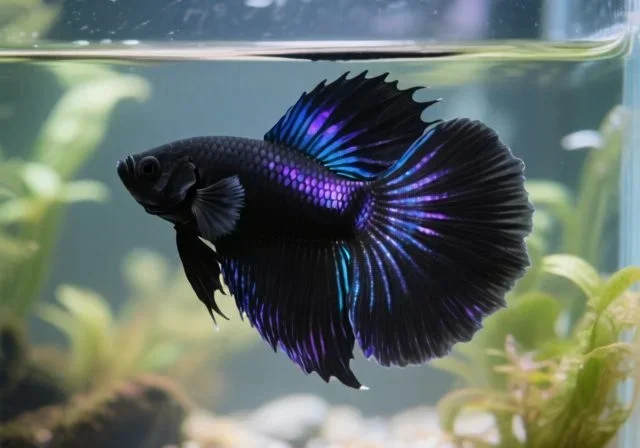
A better fish getting a black belly can worry any fish owner. The main causes include poor water quality, stress, bacterial infections, and diet issues. This guide walks you through each cause and shows you how to fix it.
Have you ever looked at your better fish and noticed its belly turning dark or black? It can be a scary moment for any fish owner. A black belly on a better fish is not normal, and it usually means something is off. The good news is that most causes are fixable if you act fast.
This guide breaks down everything you need to know about why a better fish develops a black belly. We will cover the top causes, how to spot the signs early, and what you can do to help your fish recover. Whether you are a beginner or a seasoned fish keeper, this article has practical tips you can use right away.
Let us dive in and figure out what is going on with your better fish and its belly color.
Key Takeaways
- Poor Water Quality: Dirty tanks are the number one cause of a black belly in a better fish.
- Bacterial Infections: Harmful bacteria can enter through wounds and cause darkening on the belly.
- Stress Factors: Crowded tanks, aggressive tank mates, and sudden changes stress out your fish.
- Diet Problems: Overfeeding or feeding the wrong food can lead to internal issues that show up as a black belly.
- Prevention Works: Regular tank maintenance and proper care can keep your better fish healthy and belly-colored.
- Early Detection Matters: Catching the black belly early gives your fish the best chance of recovery.
📑 Table of Contents
What Does a Black Belly on a Better Fish Look Like?
A black belly on a better fish is easy to spot. The belly area turns from its normal pink or white color to a dark black or very dark gray. Sometimes the black starts small and spreads over time. Other times it appears suddenly and covers the whole belly area fast.
Here are some signs to watch for:
- Dark patches on the lower belly area
- Color spreading upward from the belly toward the fins
- Skin texture changes like raised spots or rough patches
- Loss of appetite or refusing food
- Lethargy and staying at the bottom of the tank
If you notice any of these signs, check your tank conditions right away. A better fish with a black belly needs attention fast. The sooner you act, the better the chances of recovery.
Top Causes of a Black Belly on a Better Fish
Several things can cause a better fish to develop a black belly. Let us look at each one in detail so you can figure out what might be going on in your tank.
1. Poor Water Quality
The most common cause of a black belly is dirty water. When the tank water is not clean, harmful chemicals build up. Ammonia and nitrite levels rise, and these are toxic to your better fish. Over time, this damage shows up as darkening on the belly.
Here is what leads to poor water quality:
- Skipping water changes regularly
- Overfeeding which creates excess waste
- No filter or a broken filter
- Too many fish in a small tank
- Decaying food or plants at the bottom
If you have not been doing regular water changes, this could be the culprit. A better fish needs clean water to stay healthy. Make it a habit to test your water weekly and change 25 to 30 percent of the tank water every week.
2. Bacterial Infections
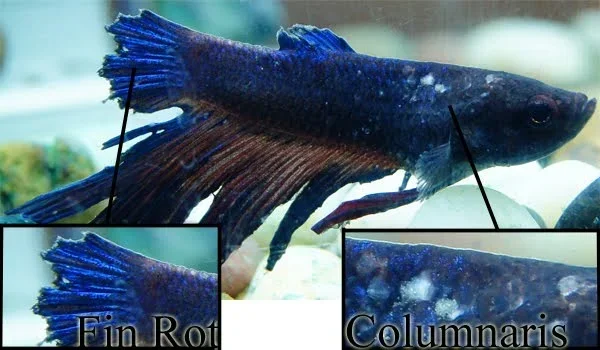
Bacteria are always present in fish tanks. But when your better fish is stressed or injured, harmful bacteria can take hold. One common result is a bacterial infection that causes the belly to turn black.
Bacterial infections often happen when:
- The fish has a wound or scrape
- The immune system is weak from stress
- Water temperature fluctuates too much
- The tank has not been cleaned in a while
You may also notice redness, swelling, or open sores along with the black belly. If you see these signs, a betta fish antibiotic treatment may be needed. Consult a vet or fish specialist for the right medication.
3. Stress and Environmental Factors
Stress is a silent killer for better fish. When a better fish is stressed, its body releases hormones that can affect its color and overall health. A black belly can be a sign that your fish is under too much pressure.
Common stress triggers include:
- Bright lights shining directly on the tank all day
- Loud noises or vibrations near the tank
- Aggressive tank mates that chase or nip at the fish
- Sudden changes in water temperature or pH
- Moving the tank to a new location
If your better fish has a black belly and seems scared or hides a lot, think about what changed in its environment recently. Removing the stressor can help your fish recover. You should also check if your tank setup gives your better fish enough hiding spots and calm areas.
4. Diet and Nutrition Issues
What you feed your better fish matters a lot. A poor diet can weaken the fish from the inside out. When the body is not getting the right nutrients, the belly area can darken as a sign of internal distress.
Here are common diet mistakes:
- Overfeeding with too many pellets or flakes
- Feeding only one type of food for months
- Giving food that is too large or hard to digest
- Skipping fasting days which helps with digestion
A balanced diet keeps your better fish strong. Feed small amounts twice a day and include variety like frozen or live food. You can also give your better fish treats for a snack once in a while, but keep those to a minimum. For more on feeding, check out our guide on what to feed a betta fish for the best nutrition tips.
5. Swim Bladder Problems
The swim bladder controls your better fish’s balance and buoyancy. When it is not working right, the fish may swim oddly or press against the tank floor. This pressure can affect blood flow to the belly area and contribute to color changes, including a black belly.
Swim bladder issues often come from:
- Overfeeding which causes bloating
- Constipation from a lack of fiber
- Sudden temperature drops in the tank
If you suspect a swim bladder problem, try fasting your fish for one to two days. Then feed a small piece of cooked pea (no shell). This can help clear things up. Keeping your tank at a stable temperature between 78 and 80 degrees Fahrenheit also helps.
6. Aging and Natural Color Changes
Sometimes a black belly is not a problem at all. As better fish age, their colors can change naturally. Some fish develop darker patches on the belly as part of the aging process. This is normal and nothing to worry about.
How can you tell if it is aging or a problem?
- Gradual change: The color darkens slowly over weeks or months
- No other symptoms: The fish eats normally and swims fine
- Even color distribution: The black is spread evenly, not in patches
If your better fish is older and the black belly appeared slowly with no other issues, it may just be a natural part of getting older. However, if the change is sudden or paired with other symptoms, investigate further.
How to Treat a Better Fish with a Black Belly
Once you have figured out the cause, treatment becomes much easier. Here is a step-by-step approach to help your better fish recover.
Step 1: Test the Water
Grab a water test kit and check ammonia, nitrite, nitrate, and pH levels. Any readings that are off should be addressed immediately. A partial water change of 50 percent can help dilute toxins fast. For more on water care, see our article on do betta fish have to have water changes.
Step 2: Improve the Tank Setup
Make sure your tank has a proper filter. A filter keeps the water clean and removes harmful waste. If you are unsure about your setup, read our guide on can you have a filter with a betta fish for helpful advice. Also check the water temperature and make sure it stays stable.
Step 3: Adjust the Diet
Switch to high-quality betta pellets and add variety. Include frozen bloodworms or brine shrimp a few times a week. Do not overfeed. Remove any uneaten food within five minutes of feeding.
Step 4: Reduce Stress
Move the tank to a quiet spot away from loud noises and direct sunlight. Keep the light on a timer for 8 to 10 hours a day. Make sure your better fish has plenty of plants or decorations to hide behind.
Step 5: Treat Infections if Needed
If you suspect a bacterial or fungal infection, use a fish-safe treatment. Indian almond leaves can also help by releasing natural compounds that boost the fish’s immune system. Always follow dosage instructions carefully.
How to Prevent a Black Belly on Your Better Fish
Prevention is always better than cure. Here are simple steps to keep your better fish healthy and its belly looking great.
Keep the Water Clean
Do regular water changes every week. Test the water at least twice a month. Clean the gravel and remove any uneaten food or debris. A clean tank is the foundation of a healthy better fish.
Feed a Balanced Diet
Variety is key. Rotate between pellets, flakes, frozen food, and live food. Do not skip fasting days. A well-fed better fish has a strong immune system and healthy coloring.
Choose Tank Mates Carefully
If you keep other fish with your better fish, make sure they are peaceful. Aggressive fish can cause stress and injuries. For tips on tank mates, check out our guide on can you have other fish in a betta tank.
Monitor Your Fish Daily
Spend a few minutes each day watching your better fish. Look for changes in color, behavior, or appetite. Catching problems early makes treatment much easier and more effective.
Common Mistakes Fish Owners Make
Even experienced fish keepers make mistakes. Here are some common ones that can lead to a black belly on your better fish.
- Skipping water changes: This is the number one mistake. Dirty water builds up toxins fast.
- Overfeeding: Extra food rots in the tank and poisons the water.
- Using soap to clean the tank: Soap is toxic to fish. Always use tank-safe cleaners only.
- Ignoring small changes: A slight color change today can become a big problem tomorrow.
- Keeping the tank in a noisy spot: Constant stress weakens your fish over time.
Avoiding these mistakes will go a long way in keeping your better fish happy and healthy. A little prevention goes a very long way.
When to See a Vet
Sometimes home treatment is not enough. If your better fish’s black belly is getting worse, or if the fish stops eating and stays at the bottom, it is time to see a vet. A fish veterinarian can run tests and prescribe the right treatment.
Signs that you need professional help include:
- Rapid color spreading over the body
- Open sores or visible wounds
- Loss of appetite for more than two days
- Labored breathing or gasping at the surface
- No improvement after a week of home treatment
Do not wait too long. The faster you seek help, the better the outcome for your better fish.
Final Thoughts
A better fish with a black belly is a sign that something needs attention. Whether it is poor water quality, a bacterial infection, stress, diet issues, or simply aging, the cause is almost always something you can address. The key is to act quickly and not ignore the warning signs.
Keep your tank clean, feed your fish well, reduce stress, and watch for changes every day. These simple habits will help your better fish stay healthy and vibrant. A happy fish is a colorful fish, and a colorful fish is a joy to watch every single day.
Take what you have learned from this guide and put it into action today. Your better fish will thank you with bright colors and energetic swimming for years to come.
Frequently Asked Questions
Can a better fish recover from a black belly?
Yes, many better fish can recover from a black belly if you catch the cause early and take action. Clean the water, adjust the diet, and reduce stress. With proper care, most fish show improvement within a few weeks.
Is a black belly always a sign of disease?
Not always. Sometimes a black belly is just a natural color change from aging. But if the change is sudden or paired with other symptoms like lethargy or loss of appetite, it is likely a health issue that needs attention.
How often should I change the water in my better fish tank?
Aim for a 25 to 30 percent water change every week. This keeps ammonia and nitrite levels low and gives your better fish a clean and healthy environment to thrive in.
Can stress alone cause a black belly on a better fish?
Yes, chronic stress can affect your fish’s coloring and overall health. Stress weakens the immune system and can lead to a black belly. Removing stressors and improving the tank environment can help reverse this.
What is the best food to prevent a black belly on a better fish?
High-quality betta pellets mixed with frozen or live food like bloodworms and brine shrimp provide balanced nutrition. A varied diet keeps your better fish healthy and helps prevent color changes on the belly.
Should I isolate a better fish with a black belly?
Yes, if you suspect an infection, isolating the fish in a quarantine tank can prevent the spread of disease to other fish. It also gives the sick fish a calm environment to heal and recover without added stress.