What Causes Betta Fish Aggression
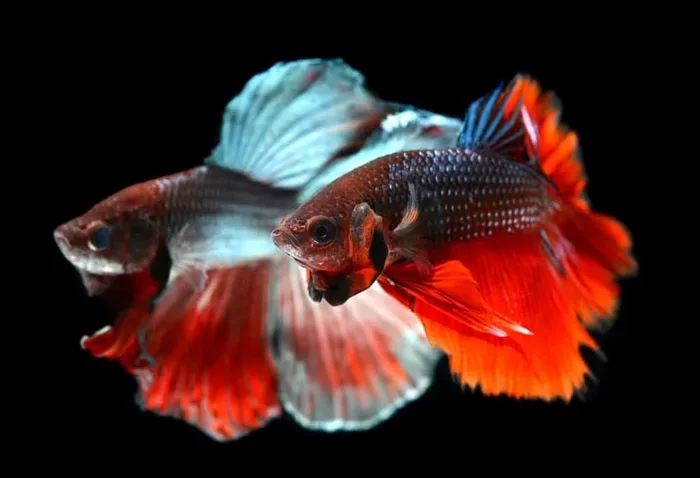
Betta fish aggression is caused by territory, stress, poor tank setup, and health issues. Understanding these triggers helps you create a peaceful environment for your betta. This guide covers the main reasons bettas act out and gives you simple, actionable fixes to reduce aggression and keep your fish healthy.
Betta fish are beautiful, colorful creatures that light up any aquarium. But sometimes, they can turn into tiny bullies. If you have ever wondered what causes betta fish aggression, you are not alone. Many fish owners deal with flaring, biting, and chasing behavior from their bettas. The good news is that most aggression has a clear cause—and a clear solution.
In this guide, we will explore the top reasons bettas become aggressive. We will also share practical tips to calm your fish down. Whether you are a beginner or a seasoned aquarist, this article will help you understand betta fish behavior better and create a peaceful tank environment.
Let us dive in and figure out why your betta is acting out—and what you can do about it.
Key Takeaways
- Territorial Instincts: Bettas are naturally territorial and may flare or attack other fish, especially males.
- Poor Tank Setup: Small tanks, lack of hiding spots, and wrong tank mates increase aggression.
- Stress Factors: Bad water quality, wrong temperature, and loud noises stress bettas and trigger aggressive behavior.
- Health Issues: Illness and pain can make bettas hostile. Watch for signs like clamped fins or loss of appetite.
- Feeding Aggression: Overfeeding or competition for food can cause biting and chasing behavior.
- Easy Fixes Exist: Simple changes like bigger tanks, proper decor, and calm tank mates reduce aggression significantly.
📑 Table of Contents
- 1. Territorial Instincts: Why Bettas Protect Their Space
- 2. Tank Setup Mistakes That Trigger Aggression
- 3. Water Quality and Temperature: Hidden Stress Triggers
- 4. Health Problems That Cause Aggression
- 5. Feeding Habits and Food-Related Aggression
- 6. Breeding Behavior and Seasonal Aggression
- 7. How to Calm an Aggressive Betta Fish
- 8. Common Mistakes That Make Aggression Worse
- Conclusion
1. Territorial Instincts: Why Bettas Protect Their Space
Betta fish are naturally territorial. In the wild, they claim small areas and defend them fiercely. This instinct is one of the biggest reasons behind aggressive betta fish behavior. When a betta feels its space is threatened, it will flare its gills, spread its fins, and even attack anything that comes too close.
How Territory Drives Aggression
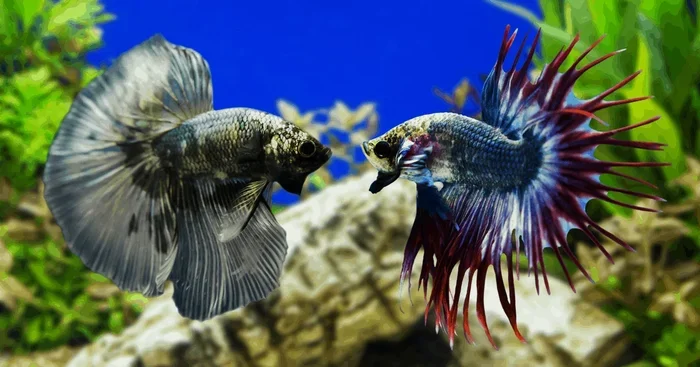
Male bettas are especially territorial. They will fight other males to the death in the wild. Even in a home aquarium, this instinct does not go away. Here are some common territorial triggers:
- Reflections in the glass: Bettas may see their own reflection and think it is a rival.
- Mirror exposure: Some owners use mirrors to make bettas flare, but this causes constant stress.
- Other male bettas: Never house two male bettas in the same tank. It always ends badly.
Territorial aggression is normal betta behavior. You cannot eliminate it completely, but you can manage it with the right setup.
Quick Tip: Reduce Reflections
Use a matte background on the back and sides of the tank. This stops your betta from seeing itself and flaring unnecessarily. It also reduces stress levels significantly.
2. Tank Setup Mistakes That Trigger Aggression
A poor tank setup is one of the leading causes of betta fish aggression. Many new owners make mistakes that turn their peaceful fish into stressed-out bullies. Let us look at the setup errors that cause the most problems.
Tank Size Matters
Betta fish need space. A tiny bowl or a 3-gallon tank is not enough. When a betta feels cramped, it becomes defensive and aggressive. What size tank should betta fish live in? At minimum, go for a 5-gallon tank. A 10-gallon tank is even better, especially if you plan to add tank mates.
Small tanks cause several problems:
- Waste builds up fast: This leads to poor water quality and stress.
- No room to swim: Bettas need space to explore and feel secure.
- Territory feels too small: The betta perceives the entire tank as its tiny territory and guards it aggressively.
Lack of Hiding Spots
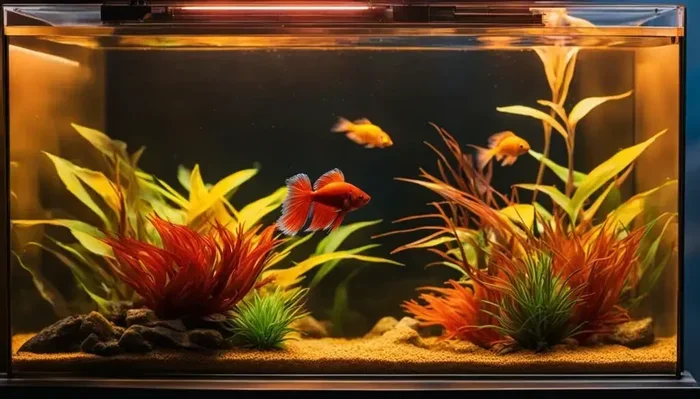
Betta fish need places to hide and rest. Without plants, caves, or decorations, they feel exposed and anxious. A stressed betta is an aggressive betta. Add live or silk plants, driftwood, and caves to give your fish a sense of security.
Wrong Tank Mates
Choosing the wrong companions is a common mistake. Some fish are too nippy, too flashy, or too big for a betta. If you are unsure about tank mates, check out our guide on what types of fish can live with a male betta for safe pairing ideas.
Good tank mates for bettas include:
- Neon tetras
- Corydoras catfish
- Ghost shrimp
- Mystery snails
- Kuhli loaches
Avoid fish with long flowing fins, bright colors, or aggressive nipping habits. These trigger territorial responses in bettas.
3. Water Quality and Temperature: Hidden Stress Triggers
Many owners overlook water quality when dealing with betta fish aggression. But dirty water and wrong temperatures are major stress triggers. A stressed fish becomes an aggressive fish—simple as that.
Water Quality and Its Impact
Betta fish are sensitive to ammonia, nitrite, and nitrate levels. When these toxins build up, your fish feels unwell and becomes irritable. Here are the water parameters your betta needs:
- pH level: Between 6.5 and 7.5
- Ammonia: 0 ppm
- Nitrite: 0 ppm
- Nitrate: Below 20 ppm
Regular water changes (25-30% weekly) keep these levels safe. Use a water conditioner to remove chlorine and chloramine from tap water. For more details on the best water for your betta, read our article on what kind of water is best for betta fish.
Temperature Fluctuations
Betta fish are tropical and need warm, stable water. The ideal temperature range is 76-82°F (24-28°C). When the water is too cold, bettas become sluggish and stressed. When it is too hot, they become oxygen-deprived and irritable.
Both extremes can trigger aggressive betta fish behavior. Use a reliable aquarium heater with a thermostat to maintain a steady temperature. Avoid placing the tank near windows, air conditioners, or heaters that cause temperature swings.
4. Health Problems That Cause Aggression
Sometimes, aggression is not about territory or stress—it is about pain. Sick bettas often become hostile and lash out at tank mates or even their own reflection. Recognizing illness early can prevent aggressive behavior and save your fish’s life.
Common Illnesses That Trigger Aggression
Here are health issues that commonly cause bettas to act out:
- Fin rot: Bacterial infection that damages fins and causes pain.
- Swim bladder disease: Makes it hard for the fish to swim properly, leading to frustration.
- Parasites: External parasites like ich cause intense discomfort.
- Bacterial infections: General illness that makes the fish defensive.
If your betta suddenly becomes aggressive, check for physical signs. Look for torn fins, white spots, clamped fins, or loss of appetite. If you notice any of these, isolate the fish and treat it promptly.
When Aggression Signals a Bigger Problem
If your betta stops eating and becomes aggressive at the same time, this could signal a serious issue. Check our guide on what to do when your betta fish won’t eat for steps to take when aggression and appetite loss happen together.
5. Feeding Habits and Food-Related Aggression
Believe it or not, mealtime can turn into a battleground. Feeding aggression is a real thing with betta fish. When a betta associates your presence with food, it may flare, snap, or even bite your fingers during feeding time.
Why Bettas Get Aggressive at Mealtime
Bettas are opportunistic feeders. In the wild, they hunt small insects and larvae. When food is scarce, they become more protective of it. In a home aquarium, overfeeding or irregular feeding schedules can cause food-related aggression.
Here are common feeding mistakes that lead to aggression:
- Overfeeding: Excess food rots in the tank and pollutes the water.
- Hand-feeding too often: This trains the betta to associate hands with food—and sometimes with threat.
- Irregular feeding schedule: Bettas thrive on routine. Irregular meals cause anxiety.
How to Feed Without Triggering Aggression
Follow these simple feeding tips to keep mealtimes peaceful:
- Feed small amounts twice a day.
- Use high-quality betta pellets as the staple food.
- Add variety with frozen or live food like brine shrimp and bloodworms.
- Feed at the same times each day.
- Use feeding rings or tweezers to avoid hand-biting.
For more ideas on what to feed your betta beyond regular pellets, check out our article on what to feed betta fish besides fish food.
6. Breeding Behavior and Seasonal Aggression
Betta fish aggression can also spike during breeding season. Male bettas become more territorial and defensive when they are ready to breed. This natural behavior is different from constant aggression, but it still needs to be managed carefully.
What Happens During Breeding
When a male betta is in breeding mode, it builds a bubble nest at the surface. It becomes protective of its nest and may attack anything that comes near—including the female betta. Here are signs of breeding aggression:
- Intense flaring: The male flares at everything, including its own reflection.
- Bubble nest building: A sign that the male is ready to breed.
- Chasing behavior: The male chases the female during courtship.
If you are breeding bettas, always introduce the female carefully and monitor their interactions closely. Remove the female after spawning to prevent the male from attacking her.
Managing Breeding Aggression
Keep the tank layout simple during breeding. Avoid sharp decorations that could injure either fish. Maintain pristine water conditions, as breeding bettas are more sensitive to water quality. If aggression escalates, separate the fish immediately.
7. How to Calm an Aggressive Betta Fish
Now that we have covered the causes, let us talk about solutions. Calming an aggressive betta takes patience and consistent effort. Here are proven strategies that work.
Step-by-Step Solutions
- Increase tank size: More space means less territorial tension.
- Add plants and decor: Break lines of sight with silk plants and caves.
- Fix water quality: Test the water regularly and perform weekly water changes.
- Maintain stable temperature: Use a quality heater and avoid temperature swings.
- Remove mirrors and reflections: Use a matte tank background.
- Choose calm tank mates: Avoid flashy or nippy fish.
- Feed a balanced diet: High-quality food reduces feeding aggression.
- Limit handling: Avoid tapping on the glass or startling your betta.
Expert Insight: Patience Is Key
Calming an aggressive betta does not happen overnight. It can take weeks of consistent tank improvements to see real behavioral changes. Stick with it, and your betta will become calmer and healthier over time.
8. Common Mistakes That Make Aggression Worse
Some well-meaning actions actually make betta aggression worse. Here are the mistakes to avoid:
- Using a mirror daily: This causes chronic stress and exhaustion.
- Housing two males together: This is never acceptable and often results in death.
- Overcrowding the tank: Too many fish in a small space creates constant conflict.
- Ignoring illness: A sick betta left untreated becomes increasingly aggressive.
- Using aggressive tank mates: Fin-nippers like tiger barbs will torment a betta relentlessly.
Avoiding these mistakes alone can dramatically reduce betta fish aggression. Prevention is always easier than correction.
Conclusion
What causes betta fish aggression? The answer is usually a combination of territory, stress, poor setup, health issues, and feeding habits. By understanding these root causes, you can take targeted action to calm your betta and create a harmonious aquarium.
Start with the basics: proper tank size, clean water, stable temperature, and thoughtful tank mate selection. Add hiding spots, a consistent feeding routine, and patience. Most bettas will become significantly less aggressive with these simple changes.
Remember, a calm betta is a healthy betta. Your fish depends on you to create the right environment. Use what you have learned here today, and you will see a real difference in your betta’s behavior. Happy fishkeeping!
Frequently Asked Questions
Why is my betta fish suddenly aggressive?
Sudden aggression often signals stress or illness. Check your water parameters, temperature, and look for signs of disease like clamped fins or white spots. A sudden change in behavior usually means something in the environment has changed or the fish is in pain.
Can aggressive betta fish be trained to be calm?
Yes, with consistent effort. Improve the tank setup, maintain water quality, feed on a schedule, and avoid startling your betta. Most aggressive behaviors can be reduced significantly over time with proper care and environment adjustments.
Do female bettas show aggression too?
Yes, female bettas can be aggressive, though usually less so than males. Female bettas may still flare and chase other fish, especially in small tanks. A well-planted tank with enough space helps reduce female aggression.
Is flaring always a sign of aggression?
Not always. Flaring is a natural behavior used to assert dominance or respond to perceived threats. Occasional flaring is normal. However, constant flaring at reflections or tank mates indicates chronic stress and should be addressed.
What tank size reduces betta aggression the most?
A 5-gallon tank is the minimum for a single betta. A 10-gallon tank or larger is much better for reducing territorial behavior. More space gives the betta room to swim and reduces the feeling of being cramped and defensive.
Can aggressive betta fish live with other fish?
Yes, with the right tank mates and setup. Choose peaceful, non-flashy species like corydoras, neon tetras, or snails. Always provide plenty of hiding spots and ensure the tank is large enough to give each fish its own territory.