What Causes a Betta Fish to Swim Sideways
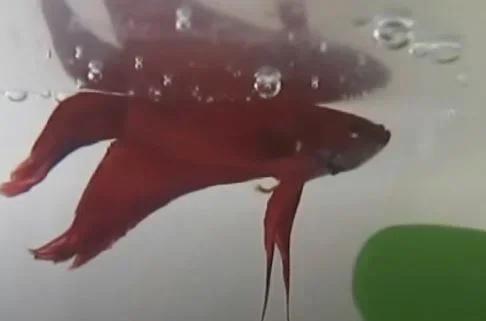
A betta fish swimming sideways is often a sign of swim bladder disease, poor water conditions, or dietary issues. This guide covers the top causes, practical treatments, and prevention tips to help your betta swim normally again. Whether the problem stems from overfeeding, infections, or tank setup mistakes, you will find clear steps to restore your fish’s health and buoyancy.
Key Takeaways
- Swim bladder disease is the most common reason bettas swim sideways and can be caused by infection, constipation, or physical abnormalities.
- Poor water quality including ammonia spikes, incorrect temperature, and low oxygen levels can trigger abnormal swimming behavior.
- Overfeeding and poor diet lead to constipation and bloating, which directly impact swim bladder function.
- Bacterial and parasitic infections require prompt treatment with medication and improved tank conditions.
- Early detection and quick action greatly improve the chances of full recovery for your betta fish.
📑 Table of Contents
- What Causes a Betta Fish to Swim Sideways
- Poor Water Quality as a Leading Cause
- Diet and Feeding Mistakes
- Bacterial and Parasitic Infections
- Stress and Environmental Factors
- Other Medical Conditions That Cause Sideways Swimming
- How to Treat a Betta Swimming Sideways
- Prevention Tips to Keep Your Betta Swimming Normally
- Conclusion
What Causes a Betta Fish to Swim Sideways
Watching your betta fish swim sideways can be alarming. You might think something is seriously wrong. And honestly, sometimes it is. But other times, the cause is simple and fixable. This article breaks down exactly what causes a betta fish to swim sideways so you can take action quickly.
Betta fish are beautiful, active swimmers. When they start moving strangely, it is their way of telling you something is off. The reasons range from minor diet mistakes to serious health conditions. Understanding the root cause is the first step toward helping your fish recover.
In this guide, we will cover every major cause. We will also share practical treatment tips and prevention strategies. By the end, you will know exactly what to do when your betta starts swimming sideways.
What Is Swim Bladder Disease?
The swim bladder is a small organ inside your betta fish. It controls buoyancy. This means it helps your fish stay at the right depth without struggling. When the swim bladder malfunctions, your betta loses control of its balance. The result is often swimming sideways, floating at odd angles, or sinking to the bottom.
Swim bladder disease is not a single illness. It is a symptom of several underlying problems. These can include bacterial infections, physical damage, or even constipation. The good news is that many cases are treatable at home.
How Does Swim Bladder Disease Cause Sideways Swimming?
When the swim bladder becomes swollen or damaged, it cannot regulate air properly. Your betta may gulp air at the surface or lose its ability to dive. This creates an unbalanced swimming posture. Many fish owners notice their betta tilting to one side or drifting sideways through the water.
Some bettas swim in tight circles. Others flip completely upside down. The severity depends on what is causing the dysfunction. A mild case may only cause slight wobbling. A severe case can leave your fish completely immobile.
Common Triggers for Swim Bladder Problems
Several everyday factors can trigger swim bladder issues in bettas. Understanding these triggers helps you prevent the problem from returning.
- Overfeeding: This is the number one cause. Too much food bloats the stomach and presses against the swim bladder.
- Dry food expansion: Pellets and flakes expand in the stomach. This can cause sudden constipation and pressure.
- Poor water quality: Ammonia and nitrite buildup stress the fish and affect organ function.
- Sudden temperature changes: Cold water slows digestion and can lead to bloating.
- Genetic predisposition: Some bettas are simply born with a weaker swim bladder.
Poor Water Quality as a Leading Cause
Your betta fish lives in the same water every single day. If that water is dirty or chemically unbalanced, your fish suffers. Poor water quality is one of the most overlooked causes of sideways swimming in bettas.
When ammonia or nitrite levels rise, even slightly, your betta’s gills and organs become damaged. The fish struggles to maintain normal buoyancy. You may notice erratic swimming patterns before any visible physical symptoms appear.
What Water Parameters Matter Most?
Several water parameters directly affect your betta’s ability to swim properly. Keeping these in check is essential for preventing sideways swimming.
| Parameter | Ideal Range | Danger Zone |
|---|---|---|
| Ammonia | 0 ppm | Above 0.25 ppm |
| Nitrite | 0 ppm | Above 0.25 ppm |
| Nitrate | Under 20 ppm | Above 40 ppm |
| Temperature | 78-80°F | Below 74°F or above 84°F |
| pH | 6.5-7.5 | Below 6.0 or above 8.0 |
How to Test and Improve Your Water
Testing your water should become a weekly habit. Use a liquid test kit rather than test strips for accuracy. If you find ammonia or nitrite, do a 25-50% water change immediately. Always use water conditioner to remove chlorine and chloramine from tap water before adding it to the tank.
Make sure your filter is running properly. While bettas prefer gentle flow, a filter that is too strong can push your fish around and cause stress. If you are unsure about your tank setup, check out our guide on do betta fish have to be in a filtered tank for helpful tips on choosing the right filtration.
Diet and Feeding Mistakes
What you feed your betta has a direct impact on its swimming behavior. Many fish owners unknowingly harm their bettas through poor feeding habits. Overfeeding and improper diet are leading causes of constipation, bloating, and ultimately sideways swimming.
Why Overfeeding Causes Sideways Swimming
Betta fish have small stomachs. They are about the size of their eye. When you feed them too much, the stomach expands and presses against the swim bladder. This pressure makes it impossible for the fish to maintain balance.
Constipation from overfeeding is extremely common. A constipated betta will often swim sideways or float uncontrollably. The good news is that this is one of the easiest problems to fix.
Best Feeding Practices for Betta Fish
Follow these simple rules to keep your betta’s digestive system healthy:
- Feed small amounts twice a day. Only give what your fish can eat in two minutes.
- Soak dry food before feeding. This prevents the food from expanding inside the stomach.
- Include variety in the diet. Rotate between pellets, frozen bloodworms, and brine shrimp.
- Fast your betta one day per week. This gives the digestive system a chance to clear out.
- Avoid human food. Things like bread or crackers can cause serious digestive blockages.
For more information on proper betta nutrition, check out our article on what to feed a betta fish. Understanding the right diet is one of the best ways to prevent swim bladder issues.
Bacterial and Parasitic Infections
Sometimes sideways swimming is caused by an infection inside the body. Bacterial infections can inflame the swim bladder directly. Parasites can attack the digestive tract and cause swelling that presses on the bladder. These infections often appear alongside other symptoms.
Signs Your Betta May Have an Infection
Watch for these warning signs that suggest an infection rather than a simple buoyancy issue:
- Clamped fins: The fish holds its fins close to its body constantly.
- Loss of color: The vibrant colors fade or become dull.
- Redness or swelling: Visible inflammation on the body or fins.
- Loss of appetite: The fish refuses food for more than two days.
- Lethargy: The fish stays at the bottom and barely moves.
How to Treat Infections at Home
If you suspect an infection, start by improving the water quality. A clean tank environment helps the fish fight off illness naturally. For mild cases, raising the temperature slowly to 80°F can boost the fish’s immune system.
For more persistent infections, use a broad-spectrum aquarium antibiotic. Indian almond leaves can also be added to the tank as a natural remedy. They release tannins that have mild antibacterial properties. If the condition does not improve within a week, consult a fish veterinarian for stronger treatment options.
To learn more about treating common betta illnesses, read our guide on how to cure a betta fish with swim bladder for step-by-step treatment methods.
Stress and Environmental Factors
Stress is a silent killer for betta fish. When a betta is stressed, its body goes into fight-or-flight mode. This affects every system, including buoyancy control. A stressed betta may swim erratically, including sideways or in tight circles.
Common Sources of Stress
Identify and remove these common stressors from your betta’s environment:
- Tank too small: Bettas need at least 5 gallons of space. Anything smaller causes chronic stress.
- Bright or flashing lights: Strong lighting can overstimulate your betta and cause disorientation.
- Aggressive tankmates: Even other bettas can cause constant stress through territorial behavior.
- Loud noises and vibrations: Placing the tank near speakers or high-traffic areas disrupts your fish.
- Lack of hiding spots: Bettas need plants and caves to feel secure in their environment.
Creating a Stress-Free Tank
A calm environment promotes healthy swimming behavior. Add live or silk plants to provide cover. Keep the tank in a quiet area of your home. Maintain a consistent light schedule of 8-10 hours per day. These small changes can make a huge difference in your betta’s overall well-being and swimming patterns.
Other Medical Conditions That Cause Sideways Swimming
Swim bladder issues are not the only medical reason a betta swims sideways. Several other conditions can cause similar symptoms. It is important to rule these out so you provide the right treatment.
Kidney and Liver Problems
Internal organ damage can cause fluid buildup in the body. This fluid puts pressure on the swim bladder from the outside. Unlike swim bladder disease caused by constipation, organ-related buoyancy problems are harder to treat. If your betta shows signs of bloating combined with sideways swimming and loss of appetite, a vet visit is strongly recommended.
Physical Injuries
Betta fish can injure themselves during fights or by swimming into sharp decorations. A damaged tail fin or body injury can affect swimming balance. Check your betta’s body carefully for any visible wounds, torn fins, or unusual lumps. Treat injuries with aquarium salt baths and clean water to promote healing.
Congenital Swim Bladder Issues
Some bettas are born with deformed or underdeveloped swim bladders. This is particularly common in fancy betta breeds with rounded bodies. Fish with congenital issues may swim sideways from birth. While there is no cure for this, proper care and feeding can help the fish live a comfortable life.
If you are concerned about your fish’s long-term health, visit our article on can a betta fish die from swim bladder disease to understand the risks and outlook for affected fish.
How to Treat a Betta Swimming Sideways
Once you identify the cause, treatment becomes much simpler. Here is a step-by-step approach to helping your betta recover.
Step 1: Isolate if Necessary
If you have a community tank, move the affected betta to a hospital tank. This prevents other fish from being stressed and allows you to monitor the patient closely. A simple 5-gallon tank with a gentle filter works perfectly as a quarantine setup.
Step 2: Adjust the Water
Perform a 30% water change immediately. Check all parameters and bring them into the ideal range. Use conditioned water at the correct temperature. Clean water alone can resolve mild cases of sideways swimming.
Step 3: Modify the Diet
Stop feeding for 2-3 days. This gives the digestive system time to clear any blockages. After the fast, offer a single pea (shelled and mashed). Peas act as a natural laxative and help relieve constipation. For more details on feeding peas safely, read our article on can feeding a pea to a betta fish hurt them.
Step 4: Add Aquarium Salt
Add aquarium-grade salt at a rate of 1 teaspoon per gallon. Salt helps reduce swelling and supports the fish’s osmoregulation. Leave the salt in the water for 7-10 days, then do a water change to remove it.
Step 5: Monitor and Adjust
Watch your betta closely for 48-72 hours. If the sideways swimming improves, continue the current treatment. If it worsens or shows no improvement, consider medication for bacterial infections. Always research any medication carefully before adding it to your tank.
Prevention Tips to Keep Your Betta Swimming Normally
Prevention is always better than cure. A healthy tank environment keeps your betta swimming strong and straight. Here are proven strategies to prevent sideways swimming from ever happening.
- Feed a balanced diet: Rotate between high-quality pellets, frozen foods, and occasional live foods.
- Keep water clean: Perform weekly 25% water changes and test parameters regularly.
- Maintain stable temperature: Use a reliable heater and thermometer to keep the tank at 78-80°F.
- Avoid overstocking: A single betta needs at least 5 gallons. More fish means more waste and more stress.
- Quarantine new fish: Always isolate new additions for two weeks before introducing them to your main tank.
- Provide enrichment: Add plants, caves, and gentle current to keep your betta active and engaged.
For more tips on creating the perfect home for your betta, explore our guide on what type of water for a betta fish to ensure you are using the right water source every time.
Conclusion
What causes a betta fish to swim sideways comes down to a few main culprits: swim bladder disease, poor water quality, diet mistakes, infections, and stress. The good news is that most of these causes are preventable and treatable with the right approach. By keeping your tank clean, feeding properly, and watching for early warning signs, you give your betta the best chance at a long, healthy life.
Do not panic if you notice your betta swimming sideways. Take a systematic approach. Check the water first, then review the diet, and look for signs of infection. Quick action makes all the difference. Your betta fish depends on you to notice when something is wrong. With the knowledge from this guide, you are now equipped to help your fish recover and thrive.
Frequently Asked Questions
Can a betta fish recover from swimming sideways?
Yes, most bettas can fully recover from sideways swimming if the cause is identified early. Swim bladder issues caused by constipation or overfeeding often resolve within a few days of fasting and dietary adjustment. Bacterial infections may take longer and require medication, but the prognosis is generally good with proper treatment.
How long does it take for swim bladder disease to go away?
Mild swim bladder cases can improve within 2-3 days with the right care. More severe infections or congenital issues may take 1-2 weeks or longer. Consistent water maintenance and following the treatment steps carefully will speed up the recovery process significantly.
Is sideways swimming in bettas contagious to other fish?
Swim bladder disease itself is not contagious. However, if the underlying cause is a bacterial infection, it could potentially spread to other fish in the tank. This is why isolating an affected betta and improving water quality are important first steps to protect your entire tank.
Should I stop feeding my betta if it is swimming sideways?
Yes, a short fast of 2-3 days is recommended. This allows the digestive system to reset and any blockage to clear naturally. After the fast, introduce a small amount of easily digestible food like a shelled pea or soaked pellet. Resume normal feeding only once the swimming behavior returns to normal.
Can water temperature cause a betta to swim sideways?
Yes, water that is too cold can slow digestion and lead to bloating, which puts pressure on the swim bladder. Maintaining a stable temperature between 78-80°F is essential for proper betta digestion and overall health. Sudden temperature drops are especially dangerous and can trigger sideways swimming.
What is the difference between a betta swimming sideways and floating at the top?
Swimming sideways usually indicates a buoyancy or balance problem related to the swim bladder. Floating at the top could signal gas buildup or a positive buoyancy issue. Both conditions often share the same root causes, including overfeeding, constipation, and swim bladder dysfunction. Treating the underlying cause will address both symptoms.