How to Prevent and Treat Popeye in Betta Fish Cuteness
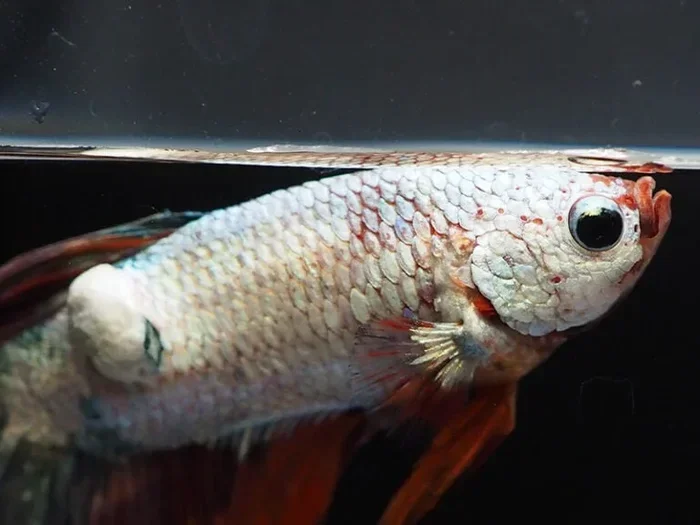
Popeye in betta fish is a common but treatable condition where one or both eyes swell and protrude. It is often caused by poor water quality, bacterial infections, or physical injury. With the right care and early intervention, your betta can make a full recovery and stay healthy.
Popeye in betta fish is one of the most worrying things a fish owner can see. If your betta’s eye looks swollen or bulging, you are not alone. Many betta keepers face this issue at some point. The good news is that popeye is treatable and often preventable with the right care.
This guide covers everything you need to know. You will learn what causes popeye, how to spot it early, and the best ways to treat it. We also share simple prevention tips that keep your betta fish healthy and happy. Let us dive in and help your little friend feel better.
Key Takeaways
- Early Detection Matters: Spotting popeye symptoms early gives your betta the best chance of a full recovery.
- Water Quality Is Key: Poor water conditions are the leading cause of popeye in betta fish.
- Treatment Options Work: From aquarium salt to medications, there are several effective ways to treat popeye.
- Prevention Is Simple: Regular tank maintenance and low-stress environments keep popeye away.
- Know When to See a Vet: Severe cases may need professional fish care advice.
📑 Table of Contents
What Is Popeye in Betta Fish?
Popeye is a condition where a betta fish’s eye swells and pushes outward from the socket. It can affect one eye or both eyes. The name comes from the way the eye looks like it is popping out, similar to the cartoon character Popeye.
This condition is not a disease itself. It is a symptom of an underlying problem. The swelling happens because of fluid buildup behind the eye. This can result from infection, injury, or poor living conditions.
Types of Popeye
There are two main types of popeye you should know about:
- Unilateral Popeye: Only one eye is affected. This is often caused by a physical injury or a localized infection.
- Bilateral Popeye: Both eyes are swollen. This usually points to a systemic issue like poor water quality or a bacterial infection.
Bilateral popeye is more serious and needs quick action. Unilateral popeye may heal faster if caught early. Either way, you should take it seriously.
What Causes Popeye in Betta Fish?
Understanding the cause is the first step to treatment. Popeye does not just appear out of nowhere. Something in your betta’s environment or health triggers it. Let us look at the main causes.
Poor Water Quality
The number one cause of popeye is dirty water. When ammonia and nitrates build up in the tank, they stress your betta. High nitrate levels damage the fish’s body over time. This can lead to fluid retention behind the eyes.
Even small amounts of ammonia are dangerous for betta fish. If you do not test your water regularly, harmful chemicals can build up fast. This is why water changes are so important for betta fish care.
Bacterial Infections
Bacteria like Aeromonas and Pseudomonas can cause popeye. These germs enter through cuts or wounds on the fish’s body. Once inside, they cause inflammation and swelling. This type of infection often affects both eyes.
If your betta has popeye from bacteria, you may also notice other symptoms. These include clamped fins, loss of appetite, and lethargy. A bacterial infection needs prompt treatment to stop it from getting worse.
Physical Injury
Betta fish can hurt themselves in the tank. Sharp decorations, rough gravel, or even aggressive tank mates can cause eye injuries. When the eye gets damaged, it can swell as part of the healing process.
This type of popeye usually affects just one eye. It is less dangerous than infection-related popeye. But you still need to keep the water clean to prevent secondary infections.
Internal Parasites
Parasites living inside your betta can also cause popeye. These tiny organisms attack the fish from within. They disrupt normal body functions and can lead to swelling around the eyes.
If you suspect parasites, look for other signs too. Weight loss, unusual swimming behavior, and a bloated belly often accompany parasitic infections. Treating the root cause is essential for full betta fish recovery.
How to Spot Popeye Symptoms Early
Catching popeye early makes treatment much easier. Watch your betta every day. Fish behavior changes can tell you a lot about their health.
Here are the most common popeye symptoms to watch for:
- One or both eyes appear swollen or bulging
- The eye may look cloudy or discolored
- Your betta rubs its eye against decorations
- Loss of appetite or refusal to eat
- Lethargy and hiding more than usual
- Clamped fins held close to the body
- White or red film over the eye
If you notice any of these signs, act fast. The sooner you start treatment, the better the outcome. A stressed betta fish is more vulnerable to diseases. Reducing stress through clean water and proper care helps your fish fight off illness.
How to Treat Popeye in Betta Fish
Treatment depends on the cause and severity. Mild cases can often be treated at home. Severe cases may need stronger medication. Let us walk through the options step by step.
Step 1: Quarantine the Affected Fish
Move your betta to a separate treatment tank. This prevents the spread of infection to other fish. A quarantine tank also reduces stress and lets you monitor your betta closely.
Use a small tank with clean, dechlorinated water. Keep the temperature around 78 to 80 degrees Fahrenheit. Add a gentle filter to maintain water flow. This setup gives your betta a safe space to heal.
Step 2: Improve Water Conditions
Before adding any medication, fix the water first. Poor water quality will make any treatment less effective. Do a 50 percent water change in the main tank too.
Test the water for ammonia, nitrite, and nitrate levels. Ammonia and nitrite should be at zero. Nitrate should be below 20 ppm. If levels are off, do more frequent water changes until they stabilize. Clean fish tank maintenance is the foundation of healing.
Step 3: Use Aquarium Salt
aquarium salt is a gentle and effective first treatment. It helps reduce swelling and supports the fish’s natural healing process. Use aquarium salt made for freshwater fish, not table salt.
Add one teaspoon of salt per gallon of water. Mix it well before adding your betta. Leave the salt in the water for about 10 days. Do not remove it during water changes. Just add the same amount of salt when you do a water change.
Step 4: Apply Medication if Needed
If aquarium salt does not work within a few days, you may need stronger treatment. Medications like Melafix or Pimafix target bacterial infections. These are widely available and safe for betta fish.
For severe cases, antibiotics may be necessary. Kanamycin and tetracycline are commonly used. Always follow the dosage instructions on the label. Overdosing can harm your fish more than help.
Some fish keepers also use Epsom salt baths for swelling. Dissolve one tablespoon of Epsom salt per gallon of water. Soak your betta for 10 to 15 minutes. This helps draw out excess fluid. However, this method works best for mild cases.
If the condition does not improve after two weeks, it is time to seek expert help. A vet specializing in fish can offer targeted treatment plans for stubborn popeye cases.
Step 5: Support Your Betta’s Recovery
Recovery takes time and patience. During this phase, your betta needs extra care and attention. Follow these tips to support healing:
- Feed high-quality food in small amounts twice a day
- Keep the tank clean with regular water changes
- Maintain stable water temperature and pH levels
- Reduce noise and light around the tank
- Watch for improvement in eye appearance daily
- Be patient, as full healing can take two to four weeks
Remember that every betta fish heals at its own pace. Some recover in just a few days. Others take a couple of weeks. Consistent care makes all the difference.
How to Prevent Popeye in Betta Fish
Prevention is always better than cure. A healthy tank environment keeps popeye and many other diseases away. Here are the best ways to protect your betta.
Maintain Excellent Water Quality
Clean water is the single most important factor in betta fish health. Test your water at least once a week. Do partial water changes of 25 to 50 percent every week. Use a water conditioner to remove chlorine and chloramine before adding new water.
A good filter is essential too. It removes waste and keeps harmful chemicals at bay. However, betta fish prefer gentle water flow. Strong filters can stress them out. Choose a filter with an adjustable flow rate or add a sponge pre-filter to soften the current.
Avoid Overfeeding
Overfeeding leads to constipation and poor water quality. Uneaten food rots in the tank and raises ammonia levels. Feed your betta two to three pellets twice a day. Only give what they can eat in two minutes. If food falls to the bottom, remove it with a small net.
Keep the Tank Stress-Free
Stress weakens your betta’s immune system. A stressed fish is much more likely to get sick. Avoid sudden changes in lighting, temperature, or water parameters. Keep the tank in a quiet area away from loud noises and heavy foot traffic.
If you keep other fish with your betta, make sure they are peaceful. Fin nippers and aggressive species cause constant stress. A lonely betta in a properly sized tank is often happier than one crowded with incompatible tank mates.
Inspect Decorations and Tank Setup
Sharp edges on decorations can injure your betta’s eyes. Check all rocks, caves, and plants for rough spots. Smooth any sharp areas with fine sandpaper before adding them to the tank. Soft silk plants are a safer choice than plastic ones with sharp edges.
A well-setup tank also includes hiding spots. Betta fish feel safer when they have places to retreat. This reduces stress and promotes overall well-being. A happy, relaxed betta is a healthy betta.
Regular Health Checkups
Get into the habit of observing your betta every day. Look at the eyes, fins, and body shape during feeding time. Early detection of any problem gives you a big advantage. Catching popeye in its first stages leads to faster and easier treatment.
Keeping a simple log of water tests and fish behavior helps too. Over time, you will notice patterns and catch problems before they become serious. This proactive approach is the heart of good betta fish care.
When to See a Veterinarian
Most popeye cases respond well to home treatment. But some situations need professional help. Do not wait too long if your betta’s condition worsens.
Contact a fish vet if you notice any of these signs:
- The eye starts to fall out or detach
- Your betta stops eating completely for more than two days
- Swelling does not improve after 10 days of treatment
- Other fish in the tank also show symptoms
- Your betta shows signs of severe distress or inability to swim
A professional can prescribe stronger medications and provide a proper diagnosis. In extreme cases, popeye can lead to permanent eye damage. Quick action gives your betta the best possible outcome.
Remember that many online resources like guides on curing popeye in betta fish and fixing popeye in betta fish can supplement your care routine. These trusted sources offer additional insights and practical tips for managing this condition effectively.
Common Mistakes to Avoid When Treating Popeye
Even well-meaning fish keepers make mistakes that slow down recovery. Here are the most common errors to avoid:
- Skipping water changes: Dirty water undermines every treatment. Always keep the water clean.
- Using table salt: Table salt contains additives that harm fish. Only use pure aquarium salt.
- Overmedicating: More medicine does not mean faster healing. Follow dosage instructions exactly.
- Ignoring other symptoms: Popeye rarely appears alone. Watch for other signs of illness too.
- Moving the tank around: Constant changes in environment stress your betta. Keep things stable.
- Waiting too long to act: Early treatment gives the best results. Do not hope the problem goes away on its own.
Avoiding these mistakes puts you on the right path. Simple, consistent care is the foundation of successful treatment. Your betta will thank you with a full and speedy recovery.
Final Thoughts on Popeye in Betta Fish
Popeye may look scary, but it is manageable with the right approach. The key is to act quickly and address the root cause. Whether it is poor water quality, infection, or injury, every cause has a solution.
Keep your betta’s tank clean and stress-free. Watch for early warning signs every day. Use gentle treatments first and escalate only when needed. With patience and consistent care, your betta fish can live a long, healthy, and happy life.
Remember that prevention is your best tool. A well-maintained tank with clean water and a healthy diet goes a long way. Your betta deserves the best care, and now you have the knowledge to provide it. Start today and give your beautiful fish the chance to thrive.
Frequently Asked Questions
Can popeye in betta fish be cured completely?
Yes, most cases of popeye can be fully cured with proper treatment. Mild cases caused by injury often heal within one to two weeks. Bacterial infections may take longer but respond well to antibiotics and aquarium salt. Early treatment greatly improves the chances of a complete recovery.
Is popeye contagious to other fish in the tank?
Popeye itself is not contagious, but the underlying cause might be. Bacterial infections can spread to other fish in the same tank. This is why quarantining the affected betta is so important. Keeping water quality high protects all the fish in your aquarium.
How long does it take for a betta fish’s eye to return to normal?
Recovery time depends on the severity and cause of the popeye. Mild cases may improve in just a few days. More serious infections can take two to four weeks for full healing. Consistent treatment and clean water speed up the process significantly.
Can poor water quality alone cause popeye in betta fish?
Yes, poor water quality is one of the leading causes of popeye. High levels of ammonia and nitrates damage the fish’s body over time. This leads to fluid retention and swelling around the eyes. Regular water changes and proper tank maintenance prevent this cause entirely.
Should I use Epsom salt or aquarium salt for popeye?
Both salts have different uses. Aquarium salt helps with mild swelling and supports healing. Epsom salt draws out excess fluid and is better for more pronounced swelling. You can use aquarium salt as a general treatment and Epsom salt for targeted relief. Always dissolve salt properly before adding it to the tank.
What should I do if my betta’s eye falls out completely?
If the eye falls out, seek help from a fish veterinarian immediately. This is a very severe case that needs professional treatment. In the meantime, keep the water pristine and reduce stress. A fish expert can provide medications and care instructions tailored to this serious condition.
=== CONCLUSION ===
Preventing and treating popeye in betta fish is entirely within your reach. The key steps are simple: keep the water clean, watch for early symptoms, and act quickly when you spot a problem. Your betta fish depends on you for its health and happiness.
Start with small daily habits. Test the water, feed properly, and give your betta a peaceful home. These simple routines prevent most health issues including popeye. Your little companion will reward you with vibrant colors and lively behavior for years to come.