What Causes a Betta Fish’s Eyes to Get Foggy
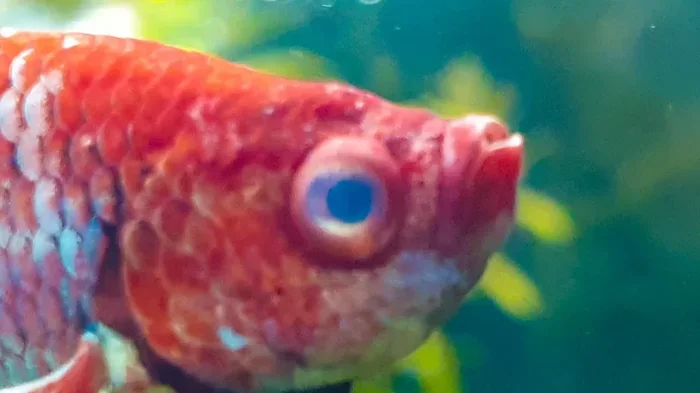
Foggy eyes in betta fish are a common problem that every fish owner should know about. The main causes include poor water quality, bacterial infections, and physical injuries. This guide walks you through the top reasons your betta’s eyes may look cloudy, how to treat the issue, and simple steps to prevent it from happening again.
Have you ever stared into your betta fish tank and noticed something off about your fish’s eyes? Maybe they look cloudy, milky, or just plain foggy. It’s a scary sight for any fish owner. Foggy eyes in betta fish can mean several different things, and the good news is that most causes are fixable.
Your betta fish relies on clear eyes to navigate its world. When those eyes start looking hazy, it’s a sign that something in the environment or the fish’s health needs attention. The sooner you figure out the cause, the better chance your fish has of recovering fully. In this article, we break down every major reason your betta’s eyes might get foggy and show you exactly what to do about it.
We’ll cover everything from water quality problems to infections, injuries, and even diet issues. By the end, you’ll know exactly how to keep your betta’s eyes bright and healthy. Let’s dive in.
Key Takeaways
- Poor water quality is the #1 cause of foggy betta fish eyes
- Bacterial and fungal infections can lead to cloudy eyes if left untreated
- Overfeeding and bad diet contribute to overall fish health decline
- Physical injuries from tank decorations or tank mates can cause eye damage
- Early treatment with proper water changes and medication works best
- Prevention is simple with regular tank maintenance and clean water
📑 Table of Contents
What Foggy Eyes in Betta Fish Look Like
Before we get into causes, it helps to know what you’re looking for. Healthy betta eyes should be clear, bright, and shiny. When foggy eyes start developing, you’ll notice a few key changes.
The eye may develop a white or milky film over the surface. Sometimes the eye looks swollen or slightly bulging. In more serious cases, the fish may have trouble seeing or bumping into things in the tank. Cloudy betta fish eyes can affect one eye or both, and the appearance can vary depending on the cause.
A single cloudy eye often points to an injury or localized infection. Both eyes looking foggy usually signals a bigger environmental issue, like bad water quality. Pay close attention to how the cloudiness looks and whether it’s getting worse over time.
Common Causes of Foggy Betta Fish Eyes
Poor Water Quality
The number one reason betta fish get foggy eyes is dirty water. Betta fish are sensitive to ammonia, nitrite, and nitrate buildup. When these toxins rise in the tank, they irritate the eyes and can cause cloudiness. This is especially true in tanks that aren’t cycled properly or that go too long between water changes.
If your betta fish eye problems started suddenly, check your water parameters right away. Use a test kit to measure ammonia, nitrite, nitrate, and pH levels. Anything out of range could be the culprit behind those cloudy eyes.
Many fish owners don’t realize that even small amounts of ammonia can damage delicate eye tissue over time. The irritation builds up quietly until you finally notice the cloudiness. That’s why regular testing and water changes are so important.
Bacterial Infections
Bacteria thrive in poor water conditions. When your betta’s immune system is weakened, harmful bacteria can attack the eyes and cause infection. This often shows up as a cloudy or milky film that spreads slowly over the eye surface.
Common bacteria like Columnaris or Aeromonas can target the eye area. These infections usually come with other symptoms too, like faded color, clamped fins, or loss of appetite. If you notice these signs alongside foggy eyes, a bacterial infection is likely the cause.
The best approach is to treat the water and the fish at the same time. A partial water change combined with a broad-spectrum fish antibiotic often does the trick. Just make sure you follow dosage instructions carefully.
Fungal Infections
Fungal infections are less common than bacterial ones, but they still happen. Fungus tends to grow on weakened or damaged tissue. If your betta had a recent injury near the eye, a fungal bloom could set in and cause cloudiness.
Fungal eye infections usually look white and fluffy, almost like cotton wool on the eye. They spread slowly but can become serious if ignored. Antifungal treatments designed for aquarium use work well for this type of infection.
Physical Injuries
Betta fish can hurt their eyes in several ways. Sharp tank decorations, rough gravel, or even aggressive tank mates can cause eye damage. When the eye gets bruised or scratched, it can swell and become cloudy as it heals.
Some bettas are just curious and bump into things. Others may have been chased or nipped by a more aggressive fish. If you keep your betta in a community tank, check for signs of bullying or fighting that could lead to eye injuries.
A single cloudy eye with no other symptoms often points to a minor injury. The eye usually clears up on its own within a week or two if the water stays clean and the fish isn’t further irritated.
Overfeeding and Poor Diet
What you feed your betta matters more than you might think. Overfeeding leads to excess waste in the tank, which spikes ammonia levels. That dirty water then affects your fish’s eyes and overall health.
A diet lacking in vitamins and nutrients can also weaken your betta’s immune system. When the immune system is weak, your fish becomes more vulnerable to infections that target the eyes. Feeding high-quality betta fish food in proper amounts helps prevent this cycle.
Live or frozen foods like brine shrimp and bloodworms make great supplements. They provide nutrients that dry pellets alone might not offer. Just remember to feed small amounts once or twice a day, and remove any uneaten food after a few minutes.
How Water Quality Affects Your Betta’s Eyes
Water quality is the foundation of your betta’s health. When the water is clean and well-balanced, your fish’s eyes stay clear and bright. When the water is dirty, problems like foggy eyes start to appear.
What water to use for a betta fish is a question many beginners get wrong. Tap water contains chlorine and chloramine that can irritate sensitive eyes and gills. Always use a water conditioner to neutralize these chemicals before adding water to the tank.
The ideal temperature for betta fish plays a role too. Water that’s too cold stresses the fish and weakens its immune system. Water that’s too hot holds less oxygen and can cause similar problems. Keep the temperature between 76 and 82 degrees Fahrenheit for the best results.
Regular water changes are your best friend. A 25 percent water change every week keeps toxins low and oxygen levels high. This simple habit goes a long way toward preventing foggy eyes and other health issues.
Can Diet and Nutrition Prevent Eye Problems?
Your betta’s diet directly affects its immune system and overall health. A well-fed betta with a balanced diet is much less likely to develop foggy eyes or other infections.
High-quality pellets should form the base of your betta’s diet. Look for brands that list real fish meal as the first ingredient. Avoid cheap pellets filled with fillers and artificial colors. These offer little nutritional value and can pollute the water quickly.
Supplementing with frozen or live foods adds variety and essential nutrients. Blanched peas are also a good occasional treat. Some fish owners even give their bettas a tiny piece of boiled spinach for extra vitamins.
Just be careful not to overdo it. Too much food means more waste in the tank, which circles back to the water quality problems we discussed earlier. Feed small amounts and remove leftovers promptly.
Treating Foggy Eyes in Betta Fish
Once you’ve identified the cause, treatment becomes much easier. The approach depends on what’s behind the cloudy eyes.
For water quality issues, start with a 30 to 50 percent water change. Test the parameters again after 24 hours and repeat if needed. Adding a water conditioner during every change helps protect the eyes from chemical irritation.
For bacterial infections, a broad-spectrum antibiotic like erythromycin or tetracycline works well. Dose according to the product instructions and continue treatment for the full recommended duration. Don’t stop early just because the eyes look better.
Fungal infections respond well to antifungal medications. These are usually available at pet stores as liquid drops or water conditioner additives. Follow the directions on the package carefully.
If the cause is a physical injury, the best treatment is clean water and time. Keep the tank stress-free with gentle flow and stable temperatures. Most minor eye injuries heal on their own within one to two weeks.
Some fish owners also wonder about home remedies. Can you put bottled water in a betta fish tank? Not as a regular solution, but using properly conditioned water during treatments helps. Always avoid soap or any cleaning chemicals near the tank.
Another common question is whether changing a betta’s fish food can help with fin rot or eye problems. While diet alone won’t cure an infection, improving nutrition supports the healing process and boosts the immune system.
Prevention Tips for Healthy Betta Eyes
Preventing foggy eyes is much easier than treating them. A few simple habits make a huge difference in your betta’s long-term eye health.
First, keep up with regular water changes. A weekly 25 percent change removes waste and toxins before they build up. This single habit prevents most water quality-related eye problems.
Second, invest in a good test kit. Monitoring ammonia, nitrite, nitrate, and pH levels takes the guesswork out of tank maintenance. Test at least once a week and act quickly if anything looks off.
Third, don’t overstock your tank. Betta fish need at least 5 gallons of space. Overcrowding increases waste and stress, both of which lead to health problems including eye issues.
Fourth, feed a balanced diet in appropriate amounts. High-quality food supports a strong immune system that fights off infections before they reach the eyes.
Fifth, choose tank decorations carefully. Avoid sharp edges or rough surfaces that could scratch your betta’s eyes. Smooth gravel and soft plants are safer choices.
Sixth, quarantine new fish before adding them to your tank. New arrivals can carry diseases that spread quickly to your betta. A two-week quarantine period protects everyone.
Finally, watch your fish daily. Spotting early signs of cloudiness or irritation gives you a head start on treatment. Catching problems early almost always leads to a faster and fuller recovery.
When to See a Vet
Most foggy eye cases can be treated at home with the steps above. But there are times when professional help is the right call.
If the cloudiness spreads rapidly or the eye starts looking like it’s protruding from the socket, seek expert advice. These could be signs of a severe infection or internal health issue that needs prescription medication.
Also consult a vet if your betta stops eating, stays at the bottom of the tank, or shows multiple symptoms at once. A veterinarian experienced with fish can run tests and prescribe targeted treatments that over-the-counter products can’t match.
Many local fish stores also offer health consultations. Don’t hesitate to reach out if you’re unsure about what’s wrong. It’s always better to ask than to wait and let the problem get worse.
Conclusion
Foggy eyes in betta fish are a common issue, but they’re almost always treatable when caught early. The main causes boil down to water quality, infections, injuries, and diet. By staying on top of your tank maintenance and feeding your betta properly, you can prevent most eye problems before they start.
Remember that clean water is the foundation of your betta’s health. Regular water changes, proper testing, and a balanced diet go a long way toward keeping those eyes clear and bright. If you do notice cloudiness, act quickly with the right treatment based on the cause.
Your betta fish depends on you for its well-being. With the knowledge you’ve gained from this guide, you’re well-equipped to keep your fish healthy and happy. Take these tips, apply them consistently, and enjoy watching your betta thrive in a clean, comfortable home.
Frequently Asked Questions
Can foggy betta fish eyes heal on their own?
Mild cases caused by minor injuries or brief water quality issues can heal on their own. The key is to improve water conditions immediately. Most minor eye cloudiness clears up within one to two weeks with clean water and proper care.
Is a foggy eye in a betta fish contagious to other fish?
It depends on the cause. If the foggy eye comes from a bacterial or fungal infection, it could spread to other fish in the tank. Injuries and water quality issues are not contagious. If you suspect an infection, isolate the fish and treat the whole tank as a precaution.
How long does it take for a betta’s eye to clear up after treatment?
With proper treatment, most betta fish show improvement within 5 to 7 days. Full recovery can take 2 to 4 weeks depending on the severity of the issue. Consistent water changes and following medication instructions speed up the healing process.
Can poor water cause permanent eye damage in betta fish?
Yes, prolonged exposure to poor water quality can cause lasting damage. Chronic ammonia exposure can scar eye tissue and lead to permanent cloudiness or vision loss. This is why regular water testing and maintenance are so important for your betta’s long-term health.
Should I remove sharp decorations from my betta tank?
Absolutely. Sharp or rough decorations are a common cause of eye injuries in betta fish. Replace any sharp items with smooth alternatives. Soft silk plants and rounded gravel are much safer choices for your betta’s eyes and overall well-being.
Can I use aquarium salt to treat foggy betta eyes?
Yes, aquarium salt can help with mild bacterial and fungal infections. It supports the fish’s natural healing process and reduces stress. Use aquarium-specific salt at the recommended dosage, and avoid table salt which contains harmful additives.