What Causes a Betta Fish to Rot
Betta fish rot is a serious condition caused by dirty water, bacteria, fungi, injuries, and stress. Early detection and proper betta fish care can stop the rot from spreading. This guide reveals the top causes and simple fixes to keep your fish healthy.
What causes a betta fish to rot? It starts with something small—maybe a torn fin or a cloudy tank. But left unchecked, betta fish rot can destroy your fish’s fins, tail, and even its body. The good news is that most rot is preventable. You just need to know the triggers. In this guide, we’ll walk through the real causes, show you the warning signs, and give you a clear plan to keep your betta safe. By the end, you’ll understand exactly how to protect your fish from this common but deadly problem.
Betta fish are tough, but they’re not invincible. They live in small tanks, and even tiny changes in water can hurt them. Rot happens when the body’s tissue breaks down. This can affect the fins (called fin rot), the tail (tail rot), or the body itself (body rot). Each type has a different cause, but they all share one thing in common: something in the environment went wrong. Let’s explore what that something is.
Key Takeaways
- Poor water quality is the leading cause of betta fish rot. Ammonia and nitrite spikes damage the skin and fins.
- Bacterial and fungal infections often follow injuries or stress. They eat away at fins and body tissue.
- Overfeeding and uneaten food decay in the tank, poisoning the water and inviting rot.
- Physical injuries from sharp decorations or aggressive tankmates create entry points for disease.
- Daily water changes and proper filtration are the best ways to prevent rot.
- Early treatment with clean water and medication can reverse mild fin rot.
- Stress from poor living conditions weakens the immune system and makes rot worse.
📑 Table of Contents
What Is Betta Fish Rot?
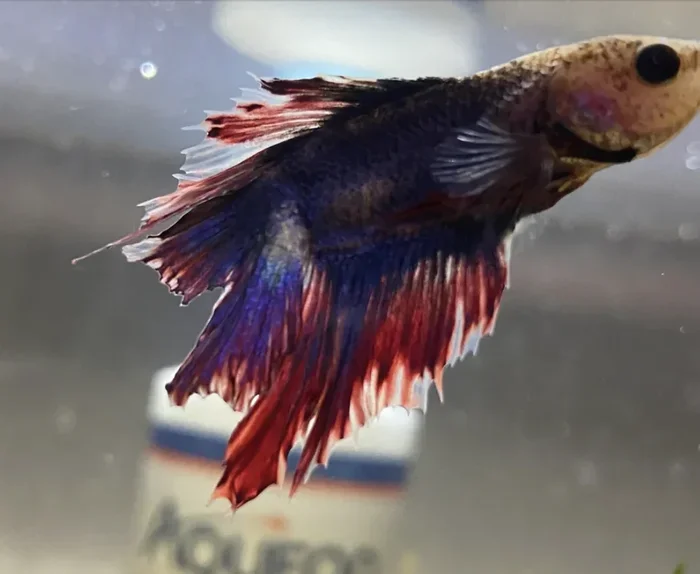
Betta fish rot is not a single disease. It’s a term that describes the decay of fins, tail, or body tissue. The rot usually starts at the edges and spreads inward. If you see your betta’s fins looking ragged, white, or red, that’s often the first sign. The tissue may look fuzzy, slimy, or even blackened. In severe cases, the fin rays fall apart, and the fish’s body develops open sores.
There are two main types of rot you’ll encounter:
- Fin Rot: The edges of the fins become frayed, discolored, or melted. It’s the most common form.
- Body Rot: The skin or scales on the fish’s body break down. This is more serious and often linked to severe infection.
Below is a quick comparison of the two types:
| Type | Where It Appears | Common Cause | Severity |
|---|---|---|---|
| Fin Rot | Edges of fins and tail | Poor water quality, bacteria | Moderate; treatable if caught early |
| Body Rot | Skin, scales, or open wounds | Fungal infection, severe injury, advanced bacteria | High; requires immediate action |
Knowing which type your betta has helps you choose the right fix. Fin rot often responds to water changes and mild medication. Body rot usually needs stronger treatment and a hospital tank. Either way, the root cause is almost always the same: an unhealthy environment.
Poor Water Quality: The Silent Killer
The number one cause of betta fish rot is dirty water. Betta fish produce waste just like any other pet. In a small tank without a filter, that waste builds up fast. The waste breaks down into ammonia, then nitrite, and finally nitrate. Ammonia and nitrite are highly toxic. Even tiny amounts can burn a betta’s delicate fins and skin. Once the skin is damaged, bacteria move in and start the rot.
How Dirty Water Leads to Rot
Here’s a simple chain of events:
- You feed your betta. It eats some food and leaves the rest.
- Uneaten food decays and releases ammonia into the water.
- Your betta also produces waste through its gills and kidneys.
- Ammonia and nitrite levels rise.
- The fish’s fins and body become irritated and inflamed.
- Bacteria or fungi attack the weakened tissue.
- Fin rot or body rot begins to spread.
This whole process can happen in just a few days if you’re not paying attention. Many beginners don’t realize their tank is toxic until they see the fins melting. That’s why regular water changes are so important. A 25-50% water change every week keeps ammonia and nitrite at zero.
Testing Your Water
You can’t see ammonia or nitrite, but you can test for them. A simple liquid test kit costs a few dollars and gives you instant results. Test your water at least once a week. If ammonia or nitrite reads anything above zero, you need to act fast. A partial water change and a check of your filter can save your betta’s life. Also, make sure your filter is running properly. A clogged filter won’t remove waste effectively. For more guidance on keeping the water safe, check out what water to use for a betta fish.
Bacterial and Fungal Infections
Bacteria and fungi are always present in any aquarium. In a healthy tank, your betta’s immune system keeps them in check. But when the fish is stressed or injured, these tiny organisms can overwhelm the body. The result is often a secondary infection that speeds up the rotting process.
Common Bacteria That Cause Rot
Several types of bacteria attack betta fish:
- Columnaris (Flavobacterium): This bacterium causes cotton-like patches on the fins and body. It’s sometimes called “cotton wool disease.” It eats away at fin tissue rapidly.
- Pseudomonas: This bacterium leads to red ulcers and open sores. It’s especially common in tanks with high ammonia.
- Aeromonas: Often linked to fin rot and body rot. It thrives in dirty water and cold temperatures.
Fungal Infections
Fungi are less common than bacteria, but they still cause rot. Fungal growth looks like white, fuzzy tufts on the fins or body. It usually appears when a betta has an open wound from an injury. The fungus feeds on dead tissue and spreads to healthy tissue if left untreated. Fungal infections are often a sign that the water quality is poor or the fish is already weakened.
Both bacterial and fungal infections respond better when you improve the water first. Medication can help, but clean water is the foundation of healing. If you’re dealing with fin rot, you might want to learn more about how to cure fin rot on a betta fish.
Injuries, Stress, and Other Triggers
Rot doesn’t always start with bad water. Sometimes it starts with a wound. Betta fish have long, flowing fins that are delicate. Any damage to those fins creates an opening for bacteria and fungi. Stress also plays a huge role. A stressed betta has a weak immune system, making it unable to fight off the tiny organisms that cause rot.
Common Causes of Injury
- Sharp decorations: Plastic plants with rough edges or sharp rocks can tear fins.
- Strong filter output: A powerful filter current can rip fins over time.
- Tankmates: Some fish nip at betta fins. Even a curious fish can cause damage.
- Jumping or hitting the lid: Betta fish sometimes jump and bruise themselves on the tank lid.
How Stress Weakens the Immune System
Stress comes from many sources in a betta’s world:
- Overcrowding: Keeping too many fish in a small tank raises aggression and waste.
- Wrong temperature: Betta fish need warm water, around 78-80°F. Cold water slows their metabolism and makes them sick.
- Lack of hiding places: Betta fish need plants or caves to feel safe. Without them, they stay anxious.
- Sudden water changes: Swapping too much water at once can shock your fish.
When a betta is stressed, its body releases cortisol. This hormone suppresses the immune system. The fish becomes an easy target for the bacteria and fungi that cause rot. Keeping your betta calm and comfortable is one of the best ways to prevent disease.
Diet Mistakes That Lead to Rot
What you feed your betta matters more than you think. Overfeeding is the most common diet mistake. Uneaten food sinks to the bottom and rots. That rot releases ammonia right into the water. This directly poisons your betta and invites fin rot. But feeding the wrong foods can also cause nutritional gaps that weaken the fish’s body from the inside.
Overfeeding and Leftover Food
Betta fish have tiny stomachs. They should eat only what they can finish in two minutes, twice a day. If you drop in too much food, the excess will rot in the tank. This spikes ammonia levels and creates the perfect environment for disease. A simple rule: feed less, not more. If you’re unsure what to feed, check out what to feed a betta fish for a complete guide.
Nutritional Deficiencies
A betta needs protein-rich food to stay healthy. Flakes alone often lack the nutrients bettas need. A diet low in vitamins can lead to a weakened immune system. Without a strong immune system, the fish can’t fight off the bacteria that cause rot. Offer a mix of high-quality pellets, frozen bloodworms, and occasional blanched peas for fiber. A balanced diet keeps the body strong and the fins intact.
How to Prevent and Treat Betta Fish Rot
Prevention is always easier than treatment. But if you catch rot early, you can reverse it. The key is to act fast and fix the root cause. Here’s a step-by-step plan to keep your betta healthy and rot-free.
Daily Maintenance Routine
- Check the temperature: Make sure your heater keeps the water at 78-80°F.
- Look at your fish: Spend a minute watching your betta each day. Look for torn fins, white spots, or lethargy.
- Remove uneaten food: Use a small net or siphon to suck up any leftover food after feeding.
- Test the water: Once a week, test for ammonia, nitrite, and nitrate. Keep ammonia and nitrite at zero.
Weekly Water Changes
Perform a 25-50% water change every week. Use a gravel vacuum to clean the substrate. This removes waste and leftover food before they turn into ammonia. Always treat new water with a conditioner to remove chlorine and chloramine. Never use soap or household cleaners on your tank or decorations. For tips on safe cleaning, read can you use soap to clean a betta fish tank.
When to Use Medication
If you see the first signs of fin rot, you can often treat it with a water change and aquarium salt. For bacterial infections, an antibiotic like kanamycin or erythromycin may be needed. For fungal infections, an antifungal medication works best. Always follow the dosage instructions carefully. Isolate your betta in a hospital tank if possible, to protect other fish and make dosing easier.
Expert Insight
Many experienced fish keepers say that 90% of betta fish rot is caused by poor water quality. Fix the water, and you fix the root problem. Medication treats the symptom, but clean water prevents the disease from coming back.
Remember, betta fish are resilient. If you catch the rot early and improve their environment, they can heal completely. A little daily attention goes a long way in keeping your betta happy and healthy.
Common Mistakes to Avoid
- Overcleaning the tank: Scrubbing all the beneficial bacteria off the filter and substrate can crash your cycle. Rinse filter media in old tank water, never tap water.
- Using untreated tap water: Chlorine and chloramine in tap water burn gills and fins. Always use a water conditioner.
- Ignoring small signs: A tiny white spot or slight fin fraying is a warning. Don’t wait until the rot spreads.
- Keeping the tank in direct sunlight: Sunlight causes algae blooms and temperature swings, both of which stress your betta.
By avoiding these mistakes and staying consistent with your maintenance, you create a safe home for your betta. A clean, warm, stress-free tank is the best medicine against rot.
Conclusion
Now you know exactly what causes a betta fish to rot. The main culprits are poor water quality, bacterial and fungal infections, injuries, stress, and diet mistakes. Each of these factors weakens your betta and opens the door for rot to take hold. The good news is that you have the power to prevent all of them. A weekly water change, a proper filter, a balanced diet, and a stress-free environment will keep your betta’s fins and body healthy. If you spot the early signs, act quickly. A few simple steps can reverse mild fin rot and save your fish’s life. Your betta depends on you for a clean, safe home. Give it that, and you’ll enjoy a happy, vibrant companion for years to come.
Frequently Asked Questions
Can a betta fish recover from fin rot?
Yes, mild fin rot is often reversible. The key is to improve the water quality immediately. Perform a 50% water change, check your filter, and add aquarium salt. Most bettas regrow their fins within a few weeks if the rot is caught early and the water stays clean.
Is betta fish rot contagious to other fish?
Fin rot itself is not highly contagious, but the bacteria or fungi that cause it can spread to other fish in the same tank. This is more likely if the other fish are stressed or have weakened immune systems. Keeping the water clean and removing sick fish to a hospital tank helps prevent the spread.
Can I use tap water for my betta fish tank?
You can, but you must treat it first. Tap water contains chlorine and chloramine that are harmful to bettas. Use a water conditioner to remove these chemicals before adding the water to your tank. This simple step prevents many water-quality-related diseases.
How often should I feed my betta fish?
Feed your betta two small meals per day, only what it can eat in about two minutes. Overfeeding leads to uneaten food that rots in the tank and spikes ammonia. A consistent feeding schedule helps keep the water clean and your betta healthy.
What temperature should a betta fish tank be?
A betta fish tank should be kept between 78°F and 80°F (25-27°C). Cold water slows their metabolism and makes them vulnerable to disease. Use a reliable heater and an aquarium thermometer to maintain a stable temperature.
Can a betta fish die from fin rot?
Yes, severe fin rot can be fatal. If the infection reaches the body and the fish stops eating, the chances of survival drop. However, with early treatment and clean water, most bettas recover fully. The earlier you intervene, the better the outcome.