Why Does My Betta Fish Spit Out Its Food
Betta fish often spit out food for reasons ranging from water quality to diet preferences. By checking tank conditions, feeding methods, and health signs, you can quickly solve the problem and ensure your betta enjoys every bite.
Key Takeaways
- Water quality matters: Poor parameters can trigger spitting as a stress response.
- Food type and size: Betta’s mouth is small; oversized or inappropriate foods are often rejected.
- Feeding technique: Over‑feeding or dropping food from too high can cause splashing and spitting.
- Health check: Mouth parasites, fin rot, or swim‑bladder issues make eating uncomfortable.
- Tank environment: Strong currents, bright lights, or aggressive tank mates can scare a betta away from its meal.
- Observation is key: Watching the exact moment your betta spits out food reveals clues you might miss.
- Simple fixes: Adjusting water, switching to high‑quality pellets, and feeding in small amounts usually solve the issue.
📑 Table of Contents
- Introduction: The Mystery of the Spitting Betta
- 1. Water Quality – The Invisible Trigger
- 2. Food Type, Size, and Quality
- 3. Feeding Technique – The Art of the Drop
- 4. Health Issues That Cause Spitting
- 5. Tank Environment – Comfort Zones
- 6. Practical Steps to Stop the Spitting
- Conclusion: Turning Spitting Into Success
Introduction: The Mystery of the Spitting Betta
Imagine you’re watching your gorgeous betta glide through the water, and you drop a few pellets into the tank. Instead of gulping them down, the little fighter snaps them out and watches them float away. It can feel frustrating, especially when you’re trying to keep your pet healthy.
Don’t worry—this is a common behavior, and most of the time it’s not a sign of a life‑threatening problem. In this article we’ll explore why does my betta fish spit out its food and give you practical steps to stop the spitting, improve your tank, and keep your betta thriving.
1. Water Quality – The Invisible Trigger
How water parameters affect appetite
Betta fish are sensitive to changes in water chemistry. High ammonia, nitrite spikes, or a pH that is too low or too high can make them feel uneasy. When the water feels “off,” a betta may reject food and even spit it out as a reflex.
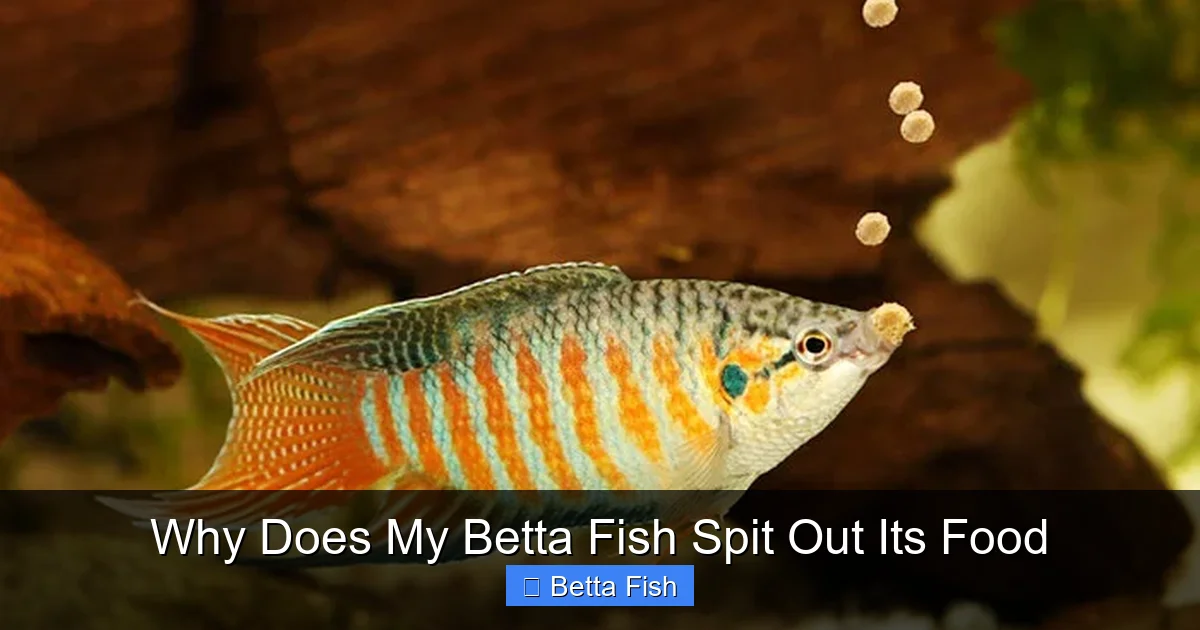
Visual guide about Why Does My Betta Fish Spit Out Its Food
Image source: aquatic-eden.com
Testing and fixing the water
- Ammonia & nitrite: Keep both at 0 ppm. Use a reliable test kit weekly.
- pH: Aim for 6.5‑7.5. Adjust slowly with driftwood or commercial buffers.
- Temperature: Betta’s ideal range is 76‑82°F (24‑28°C). Fluctuations cause stress.
After you correct any out‑of‑range values, give your betta 24‑48 hours to settle before testing the feeding response again.
2. Food Type, Size, and Quality
What bettas actually like to eat
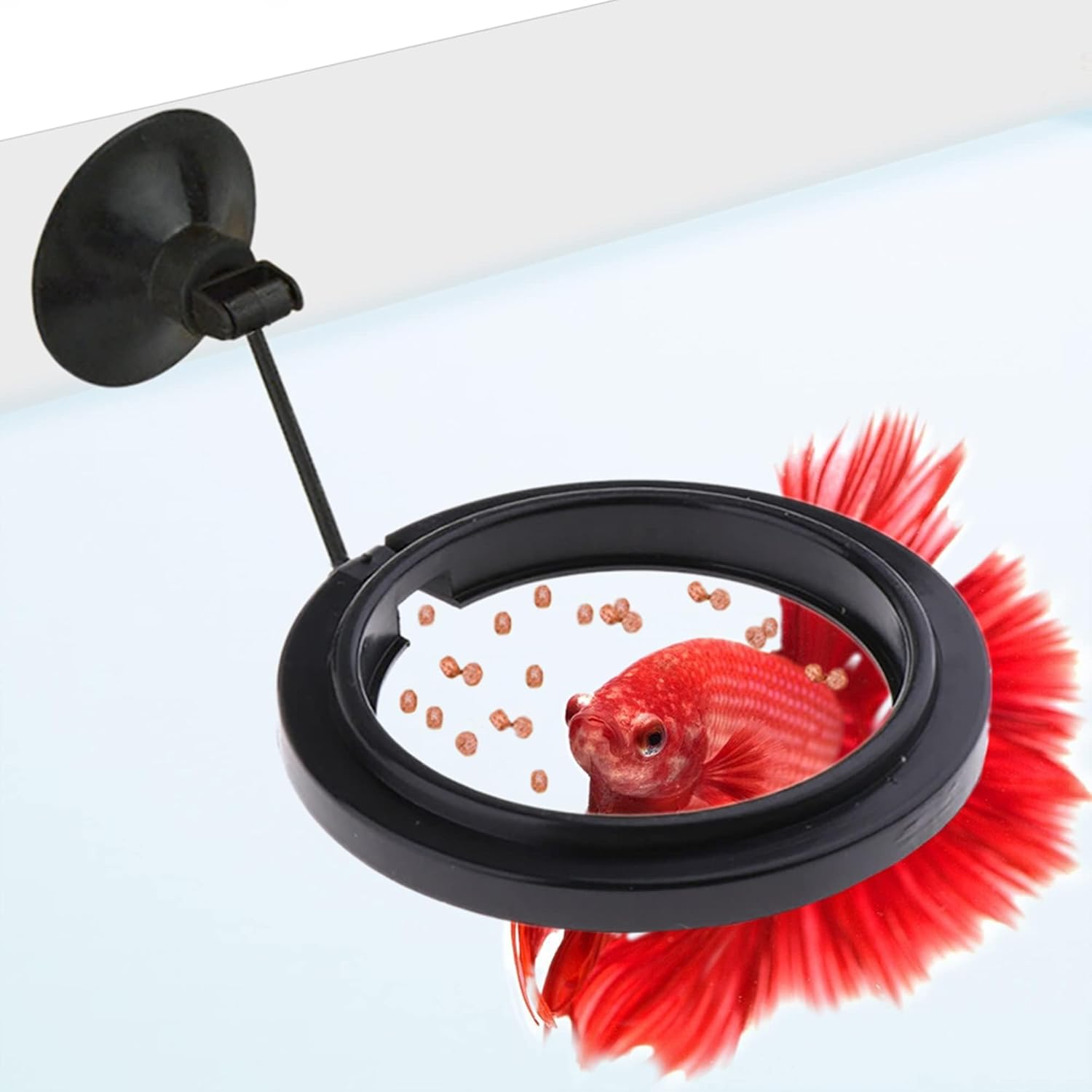
In the wild, bettas hunt tiny insects and larvae. In captivity, high‑protein pellets or frozen bloodworms mimic this diet. If you’re offering large flakes or oversized pellets, the fish’s tiny mouth simply can’t handle them, leading to spitting.
Choosing the right food
- Pellets: Choose 2‑mm or smaller betta‑specific pellets.
- Frozen or live foods: Bloodworms, daphnia, or brine shrimp are excellent treats.
- Avoid cheap fillers: Low‑quality foods often contain excess carbs that can cause digestive upset.
Feeding frequency and portion size
Betta’s stomach is about the size of a pea. Feeding 2‑3 pellets 2‑3 times a day is sufficient. Over‑feeding creates waste, fouls the water faster, and can make a betta less interested in food.
3. Feeding Technique – The Art of the Drop
Drop height and splash
Dropping food from the surface can create a splash that startles a betta. When the water ripples, the fish may think a predator is nearby and spit the food out.
How to feed like a pro
- Turn off the tank light for a minute to reduce visual stress.
- Hold the food just a few inches above the water.
- Gently let the pellet sink to the bottom where the betta usually feeds.
Doing this consistently helps the fish associate the food with a calm environment.
4. Health Issues That Cause Spitting
Mouth parasites and fungal growth
White spots or fuzzy growth on the mouth or lips can make chewing painful. A betta will often try to remove the offending pellet, resulting in spitting.
Fin rot, ulcer disease, and swim‑bladder problems
These conditions affect overall comfort. A fish with a swollen abdomen or damaged fins may be too weak to swallow properly.
When to see a vet or experienced hobbyist
If you notice any of the following, it’s time to act:
- White or red patches in the mouth.
- Persistent spitting despite perfect water and food.
- Lethargy, loss of color, or frantic swimming.
For a deeper dive into health symptoms, check out our article on why did my betta fish lose its color and learn how color changes can signal illness.
5. Tank Environment – Comfort Zones
Current and flow
Betta fish are “labyrinth” fish; they breathe air from the surface and prefer still water. Strong filters or powerheads create currents that push food away and make the betta nervous.
Lighting and décor
Bright, flickering lights can be stressful. Provide plenty of hiding spots with live plants or silk plants. A calm environment encourages natural feeding behavior.
Tank mates
While many keep bettas alone, some house them with peaceful species. Aggressive tank mates can chase the betta away from the feeding spot, causing spitting. If you suspect this, observe interactions during feeding times.
6. Practical Steps to Stop the Spitting
Step‑by‑step troubleshooting guide
- Test water: Fix any parameter out of range.
- Switch food: Try high‑quality 2‑mm pellets or a small portion of frozen bloodworms.
- Adjust feeding method: Lower the drop height, feed in low light.
- Observe health: Look for mouth lesions or fin issues.
- Modify tank setup: Reduce current, add plants, dim lights.
Sample weekly routine
Monday – Test water, change 25 % if needed.
Tuesday – Feed 2‑3 small pellets, observe for spitting.
Wednesday – Offer a frozen bloodworm treat.
Thursday – Clean filter, check flow rate.
Friday – Dim lights for feeding, watch behavior.
Weekend – Rest day, no feeding to let the digestive system rest.
When to give up and start over
If after two weeks of consistent care your betta still spits out every morsel, consider a full tank reset: clean the substrate, replace the filter media, and start fresh with a new batch of high‑quality food.
Conclusion: Turning Spitting Into Success
Seeing your betta spit out food can feel like a mystery, but most of the time the answer lies in simple, observable factors: water quality, food size, feeding technique, health, and tank environment. By systematically checking each area, you’ll quickly pinpoint the cause and restore normal eating habits.
Remember, a healthy betta is a happy betta. Keep the water clean, feed the right food in the right way, and give your fish a calm, comfortable home. Soon enough, those spitting episodes will be a thing of the past, and you’ll enjoy watching your finned friend devour its meals with gusto.
Frequently Asked Questions
Why does my betta fish spit out its food when the water temperature is too low?
Betta fish are tropical and become sluggish in cooler water. When the temperature drops below 76 °F, they may reject food because their metabolism slows, leading to spitting.
Can over‑feeding cause a betta to spit out food?
Yes. Over‑feeding creates excess waste, raises ammonia, and makes the fish feel full quickly. A full stomach can cause the betta to push food back out.
Is it normal for a betta to spit out live foods like bloodworms?
It can happen if the worm is too large or the betta is nervous. Try cutting the worm into smaller pieces or offering a different live food.
What should I do if my betta keeps spitting out food despite perfect water conditions?
Switch to a different brand of high‑quality pellets, reduce the drop height, and observe for any signs of mouth disease. If the problem persists, consult a vet.
Can a strong current in the tank make a betta spit out its food?
Absolutely. Betta fish prefer calm water. Strong currents push food away and can startle the fish, causing it to spit the food out.
How often should I change the water to prevent spitting behavior?
Partial water changes of 25‑30 % every week keep ammonia low and maintain stable parameters, helping prevent stress‑related spitting.