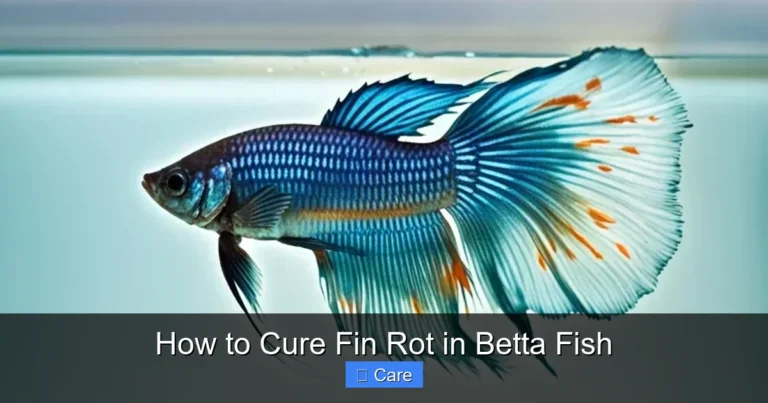
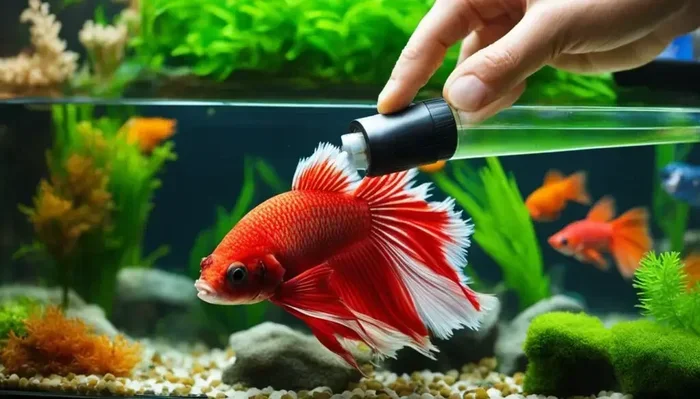
what can go with a betta fish Best Peaceful Tank Mates

Choosing the right tank mates for your betta can transform your aquarium into a vibrant community. Many beginners ask what can go with a betta fish when setting up their first tank. You need peaceful species that won’t nip fins or compete for food. This guide covers the best options and key rules for success.
Keeping a betta fish can be one of the most rewarding hobbies for aquarium lovers. These colorful fish bring life and personality to any room. But many owners wonder about adding companions to their tank. You might ask what can go with a betta fish without causing stress or conflict. The right answer depends on your tank size, your betta personality, and the species you choose.
Bettas are known for their bold colors and flowing fins. They also have a reputation for being territorial. This does not mean they must live alone forever. With proper planning, you can create a peaceful community tank. The key is understanding their natural behavior and picking compatible friends. Let us explore the best options and the rules that keep everyone safe.
Key Takeaways
- Tank size matters: Start with at least 10 gallons for community setups.
- Peaceful species work best: Avoid aggressive or fin-nipping fish.
- Watch water parameters: Match temperature and pH needs carefully.
- Introduce slowly: Add new tank mates one at a time.
- Provide hiding spots: Plants and decorations reduce stress.
- Feed separately: Ensure your betta gets enough food.
- Monitor behavior: Remove aggressive fish immediately.
📑 Table of Contents
- Understanding Betta Behavior Before Adding Tank Mates
- What Can Go With A Betta Fish Best Peaceful Options
- What Can Go With A Betta Fish Species To Avoid
- What Can Go With A Betta Fish Setting Up A Community Tank
- What Can Go With A Betta Fish Monitoring And Troubleshooting
- What Can Go With A Betta Fish Final Thoughts
Understanding Betta Behavior Before Adding Tank Mates
Before you pick any new fish, you need to understand your betta. Male bettas are highly territorial. They will flare their gills and chase intruders. This behavior is normal, but it can turn dangerous in small spaces. Female bettas are often less aggressive, yet they still need careful introductions.
Space plays a huge role in success. A cramped tank increases stress and fighting. You should always start with a tank that holds at least ten gallons. Larger volumes give fish room to escape and establish boundaries. Good filtration and stable water temperature also matter greatly.
Here are the main behavioral traits to watch:
- Territorial instincts: Males defend their space fiercely.
- Fin sensitivity: Long fins can get nipped by active fish.
- Food competition: Bettas may guard their meals.
- Stress response: Poor conditions trigger aggression quickly.
Why Tank Size Changes Everything
Many people try to keep bettas in tiny bowls. This setup rarely works for community tanks. Small volumes spike ammonia and temperature swings. Fish become stressed and sick faster. A ten-gallon tank gives you a stable foundation. Twenty gallons or more opens up many more options.
Water flow is another factor. Bettas prefer calm water. Strong currents tire them out and push them around. Choose a gentle filter or baffle the output. This creates a comfortable environment for slower swimmers too.
What Can Go With A Betta Fish Best Peaceful Options
When you search for what can go with a betta fish, you will find many suggestions. Not all of them are safe. The best tank mates share similar water needs and peaceful temperaments. They should stay out of your betta face and occupy different tank levels.
Bottom dwellers are often excellent choices. They spend most of their time scavenging the substrate. This keeps them away from your betta swimming in the middle and top zones. Small schooling fish can also work well if you add enough of them. A group of six or more spreads attention and reduces targeting.
Here is a quick comparison of top peaceful tank mates:
| Tank Mate | Best Tank Size | Temperament | Notes |
|---|---|---|---|
| Neon Tetras | 20 gallons | Peaceful | Keep in groups of six plus |
| Corydoras Catfish | 10 gallons | Very peaceful | Great bottom cleaners |
| Harlequin Rasboras | 15 gallons | Peaceful | Calm and easy to feed |
| Ghost Shrimp | 10 gallons | Peaceful | Watch for predation |
| Snails | 10 gallons | Peaceful | Help with algae control |
Top Schooling Fish For Community Tanks
Schooling fish bring movement and color to your setup. They also distract your betta from focusing on one target. Neon tetras are a popular pick. They stay small and swim in the upper levels. Harlequin rasboras are another calm option. They adapt well to community life.
You must add them in proper numbers. A single schooling fish looks lost and stressed. Groups of six or more feel secure. This reduces erratic swimming and lowers aggression risks. Always acclimate them slowly to your water parameters.
Bottom Dwellers That Work Well
Bottom feeders occupy a different zone. This makes them natural companions for bettas. Corydoras catfish are gentle and social. They sift through the substrate and clean up leftover food. Kuhli loaches are shy and stay hidden mostly. They prefer sand and plenty of covers.
Avoid large or aggressive bottom dwellers. Some plecos grow too big and produce heavy waste. They can overwhelm a small tank quickly. Stick to species that stay under two inches for best results.
What Can Go With A Betta Fish Species To Avoid
Not every fish makes a good friend. Some species trigger constant fighting. Others steal food or damage delicate fins. You should skip fin-nippers like tiger barbs. Their habit of biting causes stress and injury. Large cichlids are also a poor match. They are too bold and territorial.
Goldfish are another common mistake. They produce lots of waste and prefer cooler water. Bettas need warmer temperatures around seventy-eight to eighty degrees. Mixing these needs leads to health problems for both. Always research water preferences before buying.
Fish That Trigger Aggression
Bright colors and long fins can provoke your betta. Guppies with flashy tails sometimes get chased. Male guppies may also compete for attention. If you try them, watch closely for flaring and chasing. Remove any fish that cause constant stress.
Large tetras and active swimmers can bump into your betta. This physical contact raises tension. Slow, calm species usually fare better. Choose fish that respect personal space.
Invertebrates And Other Creatures
Shrimp and snails are popular additions. They help clean the tank and add variety. Cherry shrimp are small and colorful. They may become snacks if your betta is hungry. Provide dense plants so they can hide. Nerite snails are safe and excellent algae eaters. They do not breed in freshwater, which keeps populations stable.
Avoid crayfish and large crabs. They are aggressive and will attack fish. Some frogs can work, but they need specific setups. Always verify compatibility before adding anything new.
What Can Go With A Betta Fish Setting Up A Community Tank
Planning matters more than impulse buying. Start with a cycled tank that has stable water. Test for ammonia, nitrite, and nitrate before adding any fish. A mature filter handles waste much better. This prevents toxic spikes that harm everyone.
Arrange your tank with zones in mind. Use plants, rocks, and driftwood to create breaks. These visual barriers reduce direct line of sight. Your betta feels more secure when he can hide. Open swimming areas still remain for active fish.
Acclimating New Tank Mates Safely
Never dump new fish straight into the tank. Float the bag for fifteen minutes to match temperature. Then mix small amounts of tank water into the bag over an hour. This gentle process reduces shock. Release the fish slowly and discard the store water.
Turn off the lights during introduction. Dim conditions calm fish and lower aggression. Watch the tank for the first few hours. Be ready to separate anyone who fights badly. Patience during this step saves lives.
Feeding Strategies For Mixed Tanks
Feeding time can become chaotic. Bettas often rush to the surface. Slower fish may miss out. Spread food across different zones. Drop pellets near the bottom for catfish and shrimp. Sprinkle flakes or micro-pellets in the middle for schooling fish.
Watch your betta eat to ensure he gets enough. If other fish steal his meals, feed him first in a separate corner. Use a feeding ring if needed. This simple tool keeps food contained and reduces competition.
What Can Go With A Betta Fish Monitoring And Troubleshooting
Even well-planned tanks need daily observation. Spend a few minutes watching behavior each day. Look for hiding, clamped fins, or loss of color. These signs point to stress or illness. Early detection helps you fix problems fast.
Aggression sometimes appears after weeks of peace. Changes in tank layout or new additions can trigger it. If chasing becomes constant, rearrange decorations. This breaks established territories and resets the social dynamic.
When To Separate Fish
Some situations require immediate action. Remove any fish that show open wounds or torn fins. Isolate sick fish in a hospital tank. Treat water quality issues before returning anyone. Your betta health always comes first.
If a tank mate bullies others, move it out. Peace is more important than filling every spot. You can always try different species later. A calm tank is a healthy tank.
Maintaining Long Term Harmony
Perform regular water changes to keep parameters steady. Replace twenty-five percent of the water each week. Vacuum the substrate gently to remove waste. Clean filters according to the manufacturer schedule. Stable water keeps immune systems strong.
Trim plants and remove decaying leaves. Rotting matter spikes ammonia and clouds water. Keep lighting on a consistent schedule. This supports plant growth and reduces algae blooms. A tidy tank stays balanced longer.
What Can Go With A Betta Fish Final Thoughts
Finding the right companions takes research and patience. You now know what can go with a betta fish and how to keep the peace. Focus on calm species, proper tank size, and stable water. Add hiding spots and feed strategically. Watch behavior closely and adjust when needed.
A community tank brings extra color and activity to your home. It also gives your betta a richer environment. Just remember that every fish has its own personality. What works for one tank may not work for another. Start small, observe often, and enjoy the process.
Frequently Asked Questions
Can I keep a betta fish with neon tetras?
Yes, neon tetras can work well if you keep them in groups of six or more. They swim in the upper levels and usually stay peaceful. Just make sure your tank is at least twenty gallons and water parameters match.
What can go with a betta fish in a 10 gallon tank?
A ten gallon tank limits your options, but you can keep a snail or a small group of shrimp. You might also add one or two Corydoras catfish if the tank is well planted. Avoid active schooling fish in such a small space.
Can betta fish live with guppies?
Guppies can live with bettas, but there is some risk. Male guppies have bright colors and flowing tails that may trigger chasing. Watch their interactions closely and remove them if aggression starts.
Do snails help clean a betta tank?
Yes, snails like nerite or mystery snails eat algae and leftover food. They are generally peaceful and stay on the glass or substrate. Just avoid overfeeding, since too much food can cause snail overpopulation.
Can I put shrimp with a betta fish?
You can try cherry shrimp or ghost shrimp, but your betta may see them as snacks. Provide plenty of plants and hiding spots to improve their survival chances. Start with a small group and monitor closely.
What fish should I never put with a betta?
Avoid fin-nippers like tiger barbs, large cichlids, and goldfish. These species either attack fins, dominate the tank, or need different water conditions. Choosing incompatible fish leads to stress and injury.