How Often Should You Clean Betta Fish Tank for Healthy Fish
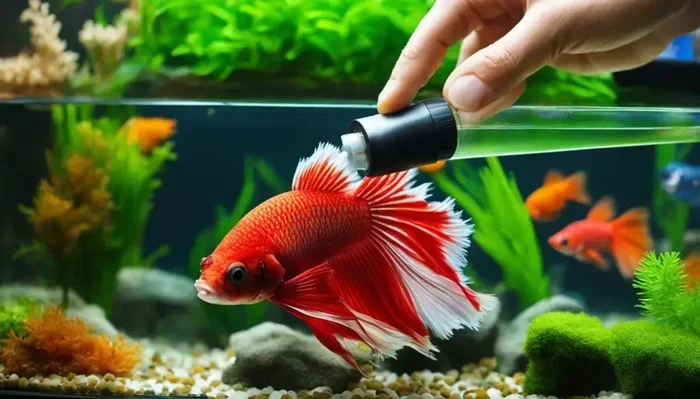
Keeping your aquarium clean is the best way to protect your betta from stress and disease. You should plan a light cleanup every week and a deeper clean every month. Small, steady care works better than rare, heavy scrubbing. This guide explains exactly how often should you clean betta fish tank and what steps matter most.
Key Takeaways
- Weekly water changes: Replace about 25 to 50 percent of the water each week to remove waste and keep water fresh.
- Monthly deep clean: Vacuum the substrate and rinse filter parts every month to clear trapped debris.
- Never use soap: Avoid cleaning products because chemicals can harm your betta and disrupt the tank balance.
- Match the schedule to your setup: Small bowls need more frequent care, while larger filtered tanks stay stable longer.
- Watch your fish for clues: Cloudy water, bad smell, or sluggish behavior often mean it is time to clean sooner.
- Keep a simple log: Track water changes and filter checks so you stay consistent and avoid overcleaning.
- Test water regularly: Simple test strips help you spot rising ammonia or nitrites before they hurt your fish.
📑 Table of Contents
- How Often Should You Clean Betta Fish Tank for a Healthy Home
- Why Cleaning Schedule Matters for Your Betta
- How Often Should You Clean Betta Fish Tank on a Weekly Basis
- How Often Should You Clean Betta Fish Tank for a Monthly Deep Clean
- Water Choice and Safety During Cleaning
- Common Mistakes When Cleaning a Betta Tank
- Adjusting the Schedule Based on Your Setup
- A Simple Cleaning Checklist You Can Follow
- Conclusion
How Often Should You Clean Betta Fish Tank for a Healthy Home
Your betta deserves a clean and steady place to live. A dirty tank can stress your fish and invite health problems. The good news is that you do not need to scrub every day. You only need a simple routine that keeps the water fresh and the filter running well. This guide shows you how often should you clean betta fish tank and what to do at each step.
Many new owners think a small bowl needs less work. In reality, smaller water volumes dirty faster. A larger tank with a filter usually stays stable longer. Your best plan is a light weekly refresh and a deeper monthly reset. That balance keeps your betta active and your water clear.
Why Cleaning Schedule Matters for Your Betta
Bettas are hardy fish, but they still need clean water to thrive. Waste builds up from food, plant matter, and normal fish activity. That waste can raise ammonia and nitrites, which are harmful even in small amounts. A steady cleaning routine keeps those levels low and your fish comfortable.
Water quality also affects your betta behavior. A clean tank usually means brighter color, better appetite, and more natural movement. A neglected tank can lead to hiding, clamped fins, or slow swimming. If you want to understand your fish better, you may also enjoy reading about can you tell how old a betta fish is, since age and care both shape how your fish looks and acts.
How Waste Builds Up in a Small Tank
Every tank collects waste, but the speed depends on size and stocking. A single betta in a small unfiltered bowl produces waste that spreads quickly through the limited water. Food leftovers and poop sink to the bottom and break down over time. That breakdown uses oxygen and can release harmful compounds.
A filtered tank handles waste a bit better because the filter traps particles and hosts helpful bacteria. Still, the filter cannot remove everything. It needs regular rinsing and the water still needs partial changes. If you want more detail on filtration, you can read about can you use a filter in a betta fish tank to see how filters help your setup.
Signs Your Tank Needs Attention
You do not need to guess when it is time to clean. Your eyes and nose can tell you a lot. Look for these common signs:
- Cloudy or hazy water that does not clear after a day or two
- A strong smell near the tank, especially a stale or rotten scent
- Food or debris settled on the bottom or floating near the surface
- Your betta hanging near the top more than usual, which can suggest low oxygen or poor water quality, as explained in do betta fish hanging at top of tank
- Sluggish behavior or a weaker appetite
If you notice these clues, move up your cleaning schedule a little. A small extra water change can help right away.
How Often Should You Clean Betta Fish Tank on a Weekly Basis
A weekly partial water change is the heart of good betta care. For most setups, replacing about 25 to 50 percent of the water works well. This routine removes dissolved waste and refreshes the water without shocking your fish. It also gives you a chance to check the tank condition each week.
If you keep your betta in a larger tank with a good filter, you may lean toward 25 percent weekly. If you use a smaller bowl or unfiltered container, you may need closer to 50 percent. The goal is steady improvement, not a total reset. For more guidance on routine care, see can you clean betta fish tank for a simple overview of tank cleaning basics.
What to Do During a Weekly Water Change
A weekly change is quick and easy when you follow the same steps each time. Keep your supplies nearby so the process stays smooth. Here is a simple plan:
- Gather clean buckets that you use only for the aquarium
- Turn off the filter and heater if needed for safety
- Vacuum the substrate lightly to lift poop and leftover food
- Remove the old water with a siphon or cup
- Add treated new water that matches the tank temperature
- Restart the equipment and watch your betta for a few minutes
Use a water conditioner to neutralize chlorine and chloramines if you use tap water. Temperature matters too. A sudden temperature swing can stress your fish, so match the new water to the tank water as closely as you can. If you want to learn more about safe water sources, check can you use tap water in a betta fish tank and can you use bottled water in a betta fish tank for helpful comparisons.
Quick Tips for Weekly Cleaning
A few small habits make weekly care easier and safer. Keep your routine simple and repeatable.
- Use a soft siphon to avoid stirring up too much gravel
- Do not clean everything at once because beneficial bacteria need stability
- Rinse decorations only in removed tank water if they look dirty
- Wipe the inside glass with a clean algae pad if needed
- Check the filter flow and clean the intake if it looks clogged
How Often Should You Clean Betta Fish Tank for a Monthly Deep Clean
A monthly deep clean gives your tank a more thorough refresh. This is the time to clean parts that do not need weekly attention. You can vacuum the substrate more carefully, rinse filter media, and remove stubborn debris. A monthly reset helps the tank stay balanced over the long run.
During this deeper clean, focus on the areas that collect hidden waste. The substrate often holds more than you see on the surface. Filter parts can trap particles too. If you clean the filter too aggressively, you may remove helpful bacteria, so rinse gently in old tank water rather than fresh tap water.
How to Clean the Substrate and Decorations
The substrate is where much of the waste settles. A careful vacuum removes trapped material without disturbing the whole bottom. Move the siphon slowly across the gravel or sand. If you have dense plants or hard-to-reach spots, clean those areas a little at a time over different weeks.
Decorations can collect algae and grime. When they look dirty, remove them one at a time and rinse them in water you already took out of the tank. That keeps beneficial bacteria safer than using fresh tap water. Avoid harsh scrubbing unless the item is very soiled. If you are curious about safe tank additions, you can explore can you put plant stems in large betta fish tank and can you put lucky bamboo in a betta fish tank for ideas on tank decor.
How to Clean the Filter Without Harming Bacteria
The filter is important, but it is also home to helpful bacteria that support water quality. Clean it gently and only when it needs it. A filter that flows slowly or sounds strained usually needs attention.
- Remove the filter media and rinse it in old tank water
- Wipe the filter housing with a soft cloth or sponge
- Check the impeller and intake for debris
- Replace media only when worn instead of on a fixed schedule
- Avoid soap or disinfectants because they can leave harmful residue
If you want to understand why filters matter, you may also like do betta fish have to be in a filtered tank for a clear look at filtered versus unfiltered setups.
Water Choice and Safety During Cleaning
The water you add matters just as much as the water you remove. Clean water should be safe, temperature-matched, and free of harmful chemicals. Many owners ask about tap water, bottled water, distilled water, and purified water. Each option has pros and cons, so it helps to know what you are using.
Tap water is common and convenient, but it usually needs a conditioner to remove chlorine or chloramines. Bottled water can be easier in some cases, but it may lack minerals or cost more over time. Distilled water is very pure, but it may need remineralization for stable tank conditions. If you want to compare options, read can you put distilled water in a betta fish tank and can you put purified water in a betta fish tank for practical details.
Tap Water and Conditioner Use
Tap water is often the easiest choice for regular water changes. The key is to treat it before it goes into the tank. A good conditioner can neutralize chlorine and help protect your fish. Always follow the product directions and mix the conditioner in the new water before adding it.
Temperature is another big factor. Cold water can shock your betta, so let the treated water sit near room temperature or warm it slightly if needed. If you are unsure about sink water specifically, you can review can you put sink water in a betta fish tank for a focused explanation.
Bottled, Distilled, and Purified Water Compared
Different water types can work, but they are not all equal for everyday use. The best choice depends on your budget, your tap water quality, and how stable your tank already is.
- Tap water with conditioner: Practical, affordable, and reliable when treated properly
- Bottled water: Convenient and predictable, but check the label and cost over time
- Distilled water: Very clean, but may need minerals added back for stability
- Purified water: A solid option if it suits your setup and is used carefully
If you want a deeper look at bottled water, see can you put bottled water in a betta fish tank for a practical guide. You can also check can you put alkaline water in a fish tank betta if you are considering specialty water types.
Common Mistakes When Cleaning a Betta Tank
Even well-meaning owners can make cleaning errors. Most mistakes come from overcleaning, using the wrong products, or changing too much at once. A careful routine avoids these problems and keeps your betta calm.
One common mistake is using soap or household cleaners. Those products can leave residue that harms fish and disrupts the tank. Another mistake is replacing all the water at once, which can stress your betta and remove helpful bacteria. A third mistake is ignoring the filter, which can lead to poor flow and dirty water even after a water change.
Mistakes to Avoid
Keep these pitfalls in mind so your cleaning routine stays safe and effective.
- Do not use soap or any cleaning chemical in the tank or buckets meant for aquarium use
- Do not replace all the water in one session unless you have a special reason and know how to do it safely
- Do not clean the filter with tap water while trying to preserve beneficial bacteria
- Do not ignore temperature matching because sudden changes can stress your betta
- Do not overfeed before cleaning because extra food creates more waste quickly
If you ever need to clean a bowl instead of a tank, you may also find can you clean betta fish bowl useful for small-container care tips.
Expert Insights on Gentle Cleaning
Experienced keepers usually prefer small, regular care over big, rare cleanups. That approach keeps the tank environment steadier. It also makes it easier to notice changes early. When you clean gently, your betta stays more comfortable and the water stays more balanced.
Another helpful habit is to observe your fish during cleaning. Watch how your betta reacts to the new water, the flow, and the movement around the tank. If your fish seems nervous, slow down and keep the changes smaller. Over time, you will learn the rhythm that works best for your setup.
Adjusting the Schedule Based on Your Setup
There is no single perfect schedule for every tank. Your cleaning frequency should match your tank size, filter use, feeding habits, and water quality. A small unfiltered bowl usually needs more frequent attention than a larger filtered tank. A busy tank with extra waste also needs more care than a lightly stocked one.
You can think of your schedule as a flexible guide. Start with a weekly partial change and a monthly deeper clean. Then adjust based on what you see. If the water stays clear and your betta looks healthy, your routine is probably working well. If the water turns cloudy or smells stale faster, clean a bit more often.
Small Bowl Versus Larger Tank
Tank size changes how quickly waste builds up. In a small bowl, the water volume is limited, so waste becomes concentrated faster. That means more frequent water changes and closer watching. In a larger tank, the water has more room to dilute waste, so the schedule can be a little lighter.
A larger tank also gives your betta more space to swim and explore. If you are considering upgrading, you might enjoy can you put betta fish in a big tank for helpful perspective on bigger setups. For general tank size questions, do betta fish like 10 gallon tank is another useful read.
How Feeding and Stocking Change Cleaning Needs
Food adds waste, so feeding habits affect cleaning frequency. If you feed more than your betta eats, leftovers sink and break down. That creates extra cleanup work. Feeding smaller amounts on a steady schedule usually keeps the tank cleaner.
Stocking matters too. A betta-only tank is easier to manage than a crowded community tank. If you ever think about adding companions, you should first review can you have other fish in a betta tank and can you put two betta fish in a tank together so you understand compatibility and space needs.
A Simple Cleaning Checklist You Can Follow
A checklist helps you stay consistent without overthinking each session. You can keep this list near your tank and use it every week and month. The goal is simple care that protects your fish and saves you time.
- Weekly: Change 25 to 50 percent of the water, vacuum the substrate lightly, wipe the glass if needed, and check the filter flow
- Weekly: Remove leftover food and visible debris, then add treated water at a matching temperature
- Monthly: Rinse filter media in old tank water, clean the filter housing, and vacuum the substrate more thoroughly
- Monthly: Inspect decorations, replace worn items carefully, and test the water if you use test strips
- As needed: Clean sooner if the water looks cloudy, smells off, or your betta acts unusual
If you ever wonder whether you can add fresh water between changes, you can read can you add water to betta fish tank for a clear answer. If you want to know about warm water specifically, see can you add warm water to betta fish tank.
Conclusion
A clean tank gives your betta a safer and happier home. You do not need a complicated routine to keep the water healthy. A weekly partial change, a monthly deeper clean, and gentle filter care are usually enough for most setups. The exact answer to how often should you clean betta fish tank depends on your tank size, filter, and water condition, but steady care always wins over sporadic scrubbing.
Watch your fish, trust simple habits, and avoid harsh products. Match your water temperature, treat new water properly, and clean with a light touch. Over time, these small steps will keep your betta active, colorful, and comfortable. A little regular attention goes a long way in building a healthy aquarium you can enjoy every day.
Frequently Asked Questions
How often should you clean betta fish tank each week?
Most betta tanks do well with a weekly partial water change of about 25 to 50 percent. Smaller bowls may need the higher end of that range, while larger filtered tanks can often use less. The best schedule depends on water clarity, feeding, and tank size.
Can you clean betta fish tank too often?
Yes, overcleaning can stress your fish and disturb helpful bacteria. Replacing all the water at once or scrubbing everything heavily can make the tank unstable. Gentle, regular care is usually better than frequent deep cleans.
Do you need to clean the filter every week?
Not always. The filter usually needs attention when flow slows or debris builds up. Rinse it gently in old tank water instead of tap water so you do not wash away beneficial bacteria.
Can you use soap to clean a betta fish tank?
No, soap and household cleaners can leave harmful residue and hurt your fish. Use warm water and aquarium-safe tools instead. If a item is very dirty, rinse it in water removed from the tank.
How do you know when the tank needs cleaning sooner?
Cloudy water, a bad smell, leftover food, or unusual betta behavior can all be signs. If you notice these problems, do a partial water change and check the filter. Early cleanup often prevents bigger issues.
Is tap water safe for cleaning a betta fish tank?
Tap water can be safe if you treat it with a proper conditioner to remove chlorine or chloramines. You should also match the temperature before adding it to the tank. If your tap water quality is poor, consider testing it or using another safe source.