How to Treat Popeye in Betta Fish Fast and Safely
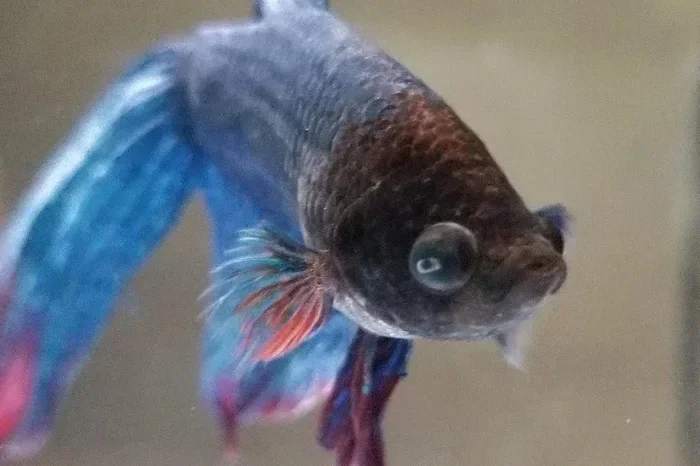
Popeye in betta fish is a painful eye condition that causes swelling, cloudiness, or bulging. You can treat popeye in betta fish effectively by fixing water quality, using safe medications, and reducing stress. This guide shows you exactly how to treat popeye in betta fish step by step so your fish recovers quickly. Early action prevents permanent damage and keeps your betta comfortable. Follow these simple methods to restore clear, healthy eyes.
Key Takeaways
- Identify symptoms early: Swollen, cloudy, or bulging eyes signal popeye and need fast attention.
- Fix water quality first: Clean, stable water reduces irritation and supports healing.
- Use targeted treatments: Salt baths, antibiotics, or anti-inflammatory care can help depending on the cause.
- Reduce stress daily: Calm tanks, proper lighting, and gentle handling improve recovery.
- Monitor closely: Track changes in appetite, activity, and eye appearance every day.
- Prevent future cases: Regular water changes and careful tank maintenance keep popeye away.
📑 Table of Contents
- How to Treat Popeye in Betta Fish: A Complete Care Guide
- What Causes Popeye in Betta Fish
- How to Spot Popeye Early
- How to Treat Popeye in Betta Fish at Home
- Medication and Salt Care Options
- Water Quality and Tank Setup for Healing
- Preventing Popeye in Betta Fish
- Expert Insights and Quick Tips
- Common Mistakes to Avoid
- Key Takeaways for Fast and Safe Recovery
How to Treat Popeye in Betta Fish: A Complete Care Guide
Seeing your betta with swollen or cloudy eyes can be worrying. Popeye is a common condition that affects many aquarium fish, and bettas are no exception. The good news is that you can often help your fish recover with steady care and the right steps. This guide explains how to treat popeye in betta fish in a simple, safe way.
You will learn what causes this issue, how to spot it early, and which treatments work best. We will also cover water care, medication choices, and prevention tips. Every betta owner can use these methods at home. Let us walk through the process together so your fish gets the care it needs.
What Causes Popeye in Betta Fish
Popeye happens when fluid builds up behind or around the eye. This pressure pushes the eye outward and makes it look swollen. In bettas, the cause is often linked to water quality, injury, or infection. Understanding the cause helps you choose the right treatment.
Poor Water Quality
Dirty or unstable water is one of the most common triggers. Ammonia and nitrite spikes can irritate delicate tissues. Old water also holds waste that stresses the fish. When the environment is not clean, the eyes can become inflamed.
Physical Injury
Bettas may bump into decorations, fight with tank mates, or scrape against sharp objects. Even a small wound near the eye can lead to swelling. If the injury becomes infected, the problem can worsen quickly. Gentle tank setup reduces this risk.
Infection and Disease
Bacterial or fungal issues can affect the eye area. These problems often appear when the fish is already stressed. A weakened immune system makes it easier for germs to grow. In some cases, the swelling spreads to other parts of the body.
Stress and Environment
Sudden temperature changes, loud noise, bright lights, or crowded tanks can all stress a betta. Stress lowers immunity and makes the fish more vulnerable. A calm environment supports healing and helps prevent future issues. Stable care matters a lot.
How to Spot Popeye Early
Catching popeye early gives your betta a better chance to recover. The signs are usually easy to notice if you observe your fish daily. Look for changes in the eyes, behavior, and appetite. Small changes can point to a bigger problem.
Eye Changes to Watch
The most obvious sign is a swollen or bulging eye. The eye may look cloudy, pale, or uneven. In some cases, fluid collects around the socket. You may also see redness or irritation near the area.
Behavior and Appetite Shifts
A betta with popeye may swim less or hide more often. It might rub against objects or keep its distance from other fish. Food interest can drop as the fish feels uncomfortable. These behavior changes are important clues.
When to Act Quickly
If the swelling grows fast or the fish seems very weak, start care right away. Rapid changes often mean the issue is getting worse. Quick action can stop the problem from becoming severe. Do not wait if your betta looks distressed.
How to Treat Popeye in Betta Fish at Home
Treating popeye works best when you combine clean water, calm conditions, and proper care. You do not always need strong medication. In many cases, steady environment care makes a big difference. Use a simple plan and watch your fish closely.
Step 1: Improve Water Quality
Start by testing the water for ammonia, nitrite, nitrate, and pH. Remove waste and leftover food right away. Do a careful water change to refresh the tank. Keep the temperature steady and avoid sudden swings. Clean water reduces irritation and helps the fish heal.
Step 2: Reduce Stress in the Tank
Lower bright lights and keep the room quiet. Remove sharp decorations if they may cause injury. Make sure the tank is not overcrowded. A relaxed betta recovers faster because its body is not fighting constant stress.
Step 3: Add Supportive Care
Some owners use mild salt support to ease irritation. This should be done carefully and only when appropriate for your setup. Salt can help reduce fluid buildup in some cases, but it is not a cure on its own. If you want to understand salt use better, you can read about how salt may support eye healing in this guide on Epsom salt and popeye care.
Step 4: Use Medication When Needed
If the eye looks infected or the swelling keeps growing, medication may help. Antibiotics are sometimes used for bacterial issues. Anti-inflammatory care may also support comfort. Always follow product directions and avoid mixing treatments unless you know they are safe together. If you are considering medicine options, this article on tetracycline for popeye explains one common approach.
Step 5: Track Recovery Daily
Check the eyes, breathing, swimming, and eating every day. Write down any changes so you can see progress or warning signs. If the fish improves, keep up the current care. If it gets worse, adjust the plan or ask a fish health expert for advice.
Medication and Salt Care Options
Not every case of popeye needs medicine, but some situations do. The right choice depends on the cause and how serious the swelling is. It helps to know when supportive care is enough and when stronger treatment is needed.
When Medication Makes Sense
Medication may be useful if the eye is very swollen, leaking, or showing signs of infection. It can also help if the fish is not eating and seems weak. In these cases, treatment should start after you improve the water quality. Clean water helps medicine work better.
Salt Support and Caution
Salt can be soothing in some setups, but it must be used with care. Too much salt can stress fish and plants. It is important to measure carefully and follow safe practices. If you want to compare salt-based support with other methods, you may also find it helpful to review Epsom salt for popeye in betta fish before deciding.
Common Mistakes With Treatment
One big mistake is starting medicine without fixing the water first. Another is changing too many things at once, which makes it hard to know what helps. Some owners also stop treatment too early. Steady, patient care usually works better than rushed changes.
Water Quality and Tank Setup for Healing
Good water is the foundation of recovery. Even the best treatment will struggle if the tank is dirty or unstable. A clean, calm setup gives your betta the best chance to heal. This is also one of the best ways to prevent popeye from returning.
Water Changes and Filtration
Regular water changes remove waste and keep conditions stable. A good filter helps maintain clarity, but the flow should not be too strong for a betta. If you are unsure whether your tank needs a filter, you can learn more in this article on filtered tanks for betta fish. Clean water and gentle filtration create a healthier space.
Temperature and Stability
Bettas do best in warm, steady water. Sudden temperature drops can stress the fish and slow healing. Use a reliable heater and check the temperature often. Stable warmth supports immunity and comfort.
Tank Mates and Space
If your betta lives with other fish, watch for chasing or fin nipping. Aggression can injure the eyes or increase stress. Some bettas do better alone while they recover. For more on this, you can read about whether bettas need to be kept alone. A peaceful setup helps the fish relax and heal.
Preventing Popeye in Betta Fish
Prevention is easier than treatment. Once your betta recovers, build habits that keep the eyes healthy. Simple daily care goes a long way. A stable tank is a happy tank.
Keep the Tank Clean
Remove uneaten food and debris often. Test the water regularly so problems show up early. Change water on a steady schedule instead of waiting for trouble. Clean conditions lower the risk of eye irritation.
Avoid Sharp Decorations
Choose smooth plants and soft ornaments. Rough surfaces can scratch fins and eyes. If a decoration looks sharp, replace it or cover the rough spot. Safer decor means fewer injuries.
Watch Behavior and Health
Observe your betta every day. Look for hiding, rubbing, swelling, or appetite loss. Early signs are easier to manage than advanced problems. Quick observation is one of the best tools you have.
Maintain a Calm Routine
Keep feeding, lighting, and water changes on a regular schedule. Sudden changes can stress fish. A predictable routine helps your betta feel secure. Less stress means better overall health.
Expert Insights and Quick Tips
Experienced fish keepers often say that patience matters as much as treatment. Popeye can take time to improve, especially if the cause was poor water or stress. Stay consistent and avoid panic. Small steady steps usually lead to better results.
Quick Tips
- Test water before starting any treatment.
- Make one change at a time so you can track results.
- Keep the tank quiet and dim while the fish recovers.
- Remove sharp objects that could cause injury.
- Feed small, easy meals if appetite is low.
- Record daily changes to spot trends.
Expert Insight
A healthy environment is the strongest defense against eye problems. Medication can help, but it works best when water quality and stress are under control. Think of treatment as a combination of clean water, calm conditions, and careful observation. That approach gives your betta the best chance to recover.
Common Mistakes to Avoid
Even well-meaning owners can make errors when treating popeye. Avoiding these mistakes can save time and protect your fish. Keep your plan simple and focused.
- Skipping water testing before treatment
- Using too many products at once
- Changing temperature or water conditions suddenly
- Ignoring sharp decorations or aggressive tank mates
- Stopping care too early before the fish fully improves
- Overfeeding during recovery, which adds waste
Key Takeaways for Fast and Safe Recovery
Treating popeye is about steady care, not quick fixes. Clean water, low stress, and careful treatment give your betta the best path forward. Watch the eyes and behavior closely, and adjust your plan as needed. With patience, many bettas can recover and return to normal activity.
If you want to treat popeye in betta fish effectively, start with the environment and then add supportive care. Keep things simple, stay observant, and give your fish time to heal. A calm tank and consistent routine make a real difference.
Frequently Asked Questions
What is popeye in betta fish?
Popeye is a condition where the eye becomes swollen, cloudy, or bulging due to fluid buildup or irritation. It can happen from poor water, injury, or infection. Early care usually gives the best results.
How do I start treating popeye at home?
Begin by testing and improving the water, then reduce stress in the tank. Clean water and stable temperature help the fish recover. Add medication or supportive care only if the condition needs it.
Can salt help a betta with popeye?
Salt may help reduce irritation in some cases, but it should be used carefully. It is not a cure by itself and works best alongside good water quality. Always measure carefully and follow safe use guidelines.
When should I use medication for popeye?
Medication may be helpful if the eye is severely swollen, looks infected, or the fish is weak and not eating. Start with clean water first, then consider treatment if the problem continues. Follow product directions closely.
How long does popeye take to heal?
Healing time varies based on the cause and how quickly you start care. Mild cases may improve in a few days, while deeper issues can take longer. Daily monitoring helps you see whether the fish is getting better.
How can I prevent popeye from coming back?
Keep the tank clean, maintain stable water, and remove sharp decorations. Watch for stress, injury, and behavior changes before they become serious. Regular care is the best way to protect your betta long term.