How to Tell if a Betta Fish is Dead or Sleeping

Noticing your betta fish lying still can be scary, but how to tell if a betta fish is dead requires careful observation. Many owners mistake deep sleep or illness for death, so checking for gill movement and response is essential. This guide walks you through simple tests, warning signs, and next steps to protect your finned friend.
Key Takeaways
- Observe closely before assuming the worst: Bettas often rest quietly, especially at night or after meals.
- Check for gill movement and breathing: Even slow breaths mean your fish is still alive.
- Test responsiveness gently: Light taps or food drops can reveal if your betta is awake.
- Watch for floating or sinking patterns: Dead bettas often float belly up, while sleeping fish stay near the bottom or rest on leaves.
- Know the difference between sleep and death: Color fading, stiff fins, and no reaction over hours usually signal passing.
- Act quickly if your fish is ill: Poor water quality, temperature swings, or disease can mimic death signs.
- Handle remains respectfully and safely: Proper cleanup prevents stress for other fish and keeps your tank healthy.
📑 Table of Contents
- How to Tell if a Betta Fish is Dead or Sleeping
- Understanding Betta Fish Sleep Patterns
- Key Signs Your Betta Fish May Be Dead
- Simple Tests to Check If Your Betta Is Alive
- Common Reasons Bettas Look Dead But Are Not
- What to Do If Your Betta Fish Has Passed Away
- When to Worry and When to Wait
- Expert Tips for Betta Owners
- Final Thoughts on Betta Life and Loss
How to Tell if a Betta Fish is Dead or Sleeping
It is completely normal to worry when your betta fish stops moving. These colorful pets are known for their active swimming and curious nature. When they suddenly sit still, many owners panic and wonder how to tell if a betta fish is dead. The good news is that bettas often rest, hide, or sleep for long periods. Still, it is smart to check carefully before making any final decisions. A calm, step-by-step look at your fish can save you from unnecessary stress and help you act fast if something is truly wrong.
Bettas are labyrinth fish, which means they can breathe air from the surface. This trait also makes them look like they are just resting when they hover near the top. Some bettas even play dead to avoid stress or conserve energy. Others may be dealing with mild illness, poor water conditions, or temperature changes. That is why learning the real signs of life and death matters so much. With a few simple checks, you can tell the difference and give your fish the right care.
Understanding Betta Fish Sleep Patterns
Bettas do not sleep like humans, but they definitely rest. You will often see them settle on leaves, hide among plants, or lie quietly on the tank floor. This behavior is normal and healthy. Many owners mistake this quiet state for death, especially when the fish stays still for hours. Knowing how bettas rest helps you avoid false alarms and watch for real problems.
When Bettas Rest the Most
Bettas usually sleep at night or during dim lighting. They may also nap after eating or when the tank is calm. A resting betta keeps its fins relaxed and may drift slowly. You might notice tiny gill movements or occasional fin twitches. These small signs show your fish is alive and recharging. If you shine a soft light or drop a tiny food piece, a sleeping betta will often wake up and move.
Common Sleep Positions
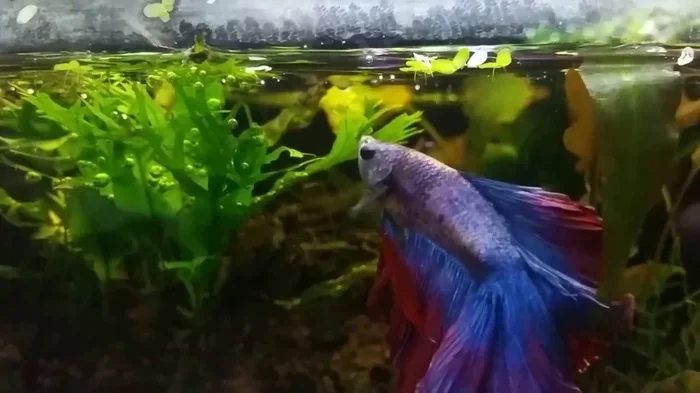
Bettas rest in many ways. Some lie flat on their sides near the bottom. Others hover near the surface or tuck into plant leaves. A few even rest on broad leaves or inside caves. All of these positions can look strange if you are new to betta care. Still, they are normal as long as your fish breathes slowly and reacts when disturbed. If you want to learn more about how to tell if a betta fish is dead, compare these resting habits with the warning signs below.
Key Signs Your Betta Fish May Be Dead
When a betta is truly gone, the signs are usually clear after a careful check. The most important clue is breathing. A living betta will always show some gill movement, even if it is very slow. Dead fish stop breathing completely. Their eyes may look cloudy, and their body can turn pale or dull. You may also notice stiff fins and a lack of any response to light, sound, or food.
No Breathing or Gill Movement
This is the strongest sign. Watch your fish closely for one to two minutes. Look for the gentle rise and fall of the gills. If there is zero movement, your betta may have passed away. Sometimes illness slows breathing so much that it looks like death. That is why you should observe for a few minutes before deciding.
Floating or Sinking Oddly
Dead bettas often float to the surface, usually belly up. This happens because gases build up inside the body after death. Some fish sink instead, especially if they die near the bottom. A sleeping or resting fish usually stays in a natural position and can still shift slightly. If your fish floats stiffly and never adjusts, that is a serious warning.
No Response to Stimuli
Gently tap the tank glass or drop a small food crumb nearby. A living betta will usually turn, swim, or at least flick a fin. A dead fish will not react at all. If you try this a few times and see no movement, your fish is likely gone. Be gentle, since stressed fish can be sensitive to sudden changes.
Simple Tests to Check If Your Betta Is Alive
You do not need fancy tools to check your betta. A few careful observations are enough. Start by watching the gills and mouth. Then test responsiveness with light movement or food. Finally, check the body for color, stiffness, and natural posture. These simple steps help you answer how to tell if a betta fish is dead without causing extra stress.
The Food Test
Drop one small pellet or a tiny bit of frozen food near your betta. A living fish will often investigate, even if it is sleepy. If your betta ignores the food for a long time and shows no gill movement, that is a bad sign. Do not overfeed during this test. One small piece is enough.
The Light and Movement Test
Dim the lights, then turn them back on slowly. Many bettas wake up when the tank brightens. You can also move your finger gently along the glass. A living betta may follow it or at least shift position. If nothing happens after a few quiet tests, keep watching for breathing. Patience matters here.
The Body Check
Look at the eyes, fins, and scales. A living betta usually has clear eyes and smooth color. A dead fish may look dull, gray, or stiff. The fins may hang limp or rigid, depending on how much time has passed. If the body feels firm and shows no breathing, your fish has likely passed. Always handle with care if you need to confirm.
Common Reasons Bettas Look Dead But Are Not
Many betta owners panic too soon. Several normal behaviors can look like death at first glance. A betta may be sleeping deeply, resting after a meal, or hiding from stress. Some fish also act still when the water is too cold or too bright. Learning these patterns helps you stay calm and make better choices.
Deep Sleep and Resting Behavior
Bettas can sleep for long stretches, especially in quiet tanks. They may lie still on the bottom or lean against a leaf. Their breathing slows, but it does not stop. If you wait a few minutes and watch closely, you will often see tiny gill movements. This is a clear sign your fish is resting, not gone.
Illness and Weakness
Sick bettas often hide and move very little. Conditions like fin rot, swim bladder issues, or infections can make them look lifeless. In these cases, your fish may still breathe, but weakly. You might notice clamped fins, pale color, or slow reactions. If you suspect illness, check your water quality and consider a proper treatment plan.
Stress and Environmental Changes
Bettas are sensitive to temperature swings, loud noise, and poor water conditions. A stressed fish may freeze or hide for a while. Even moving a tank or cleaning too aggressively can cause temporary stillness. If your betta stays quiet after a change, give it time and check the environment. Stable water and calm lighting often help.
What to Do If Your Betta Fish Has Passed Away
Losing a pet is hard, even when the pet is small. If you confirm that your betta has died, handle the situation calmly and cleanly. Remove the fish from the tank to protect water quality. Other fish can become stressed by a dead tank mate, and decaying bodies can harm the ecosystem. Take a moment to reflect on what might have caused the loss so you can improve care moving forward.
Safe Removal and Tank Care
Use a net or clean spoon to remove the fish. Dispose of it respectfully, following local guidelines. Then check your tank parameters. Test ammonia, nitrite, nitrate, and pH if possible. A sudden death can point to water issues, temperature problems, or disease. If you notice anything off, fix it before adding new fish.
Checking Water and Conditions
Good water is the foundation of betta health. Make sure the temperature stays steady and the filter works properly. If you use a small bowl, consider a larger, filtered setup for better stability. Many owners also ask do betta fish have to be in a filtered tank, and the answer depends on your setup, but filtration usually helps maintain cleaner water. Clean water reduces stress and supports stronger fish.
Preventing Future Loss
Learn your betta’s normal habits so you can spot changes early. Feed a balanced diet and avoid overfeeding. Keep lighting consistent and provide hiding spots. If you ever wonder can you revive a dead betta fish, the honest answer is no, but quick action during illness can save a weak fish. Watching closely and acting early makes a real difference.
When to Worry and When to Wait
Sometimes a betta looks dead but is simply resting or recovering. Other times, the signs are clear and urgent. The key is to observe before reacting. Give your fish a little time if you are unsure. Watch for breathing, color, and movement. If your betta stays still for too long and shows no life signs, it is time to accept what has happened and focus on tank care.
Signs That Need Fast Action
If your betta is breathing very slowly, lying oddly, or losing color, act quickly. Test the water, check the temperature, and reduce stressors. If you see clamped fins, spots, or swelling, your fish may need treatment. Early help can prevent a bad situation from becoming fatal. Quick care often saves fish that look near death.
Signs That Mean It Is Time to Let Go
If there is no gill movement, no reaction, and the body has gone stiff or pale, your fish has likely passed. At that point, focus on clean removal and tank stability. It is never easy to lose a pet, but careful observation helps you avoid false hope and move forward with respect.
Expert Tips for Betta Owners
Betta care gets easier when you know what is normal. Spend time watching your fish every day. Learn its favorite resting spots, feeding habits, and activity level. That way, you will notice changes faster. Keep a simple routine for feeding, water checks, and tank maintenance. Small habits build a healthier home.
Quick Tips
- Watch daily: Notice normal movement so you can spot trouble early.
- Test water regularly: Stable water prevents many health issues.
- Feed lightly: Small meals reduce waste and keep fish strong.
- Provide resting spots: Leaves and caves help bettas feel secure.
- Stay calm during checks: Gentle observation works better than sudden poking.
Common Mistakes
- Assuming a still fish is dead without checking breathing
- Overreacting and disturbing a sleeping betta
- Ignoring water quality until a fish becomes weak
- Feeding too much, which clouds water and stresses fish
- Skipping temperature checks, which can cause sudden illness
Final Thoughts on Betta Life and Loss
Watching your betta fish closely is the best way to understand what is happening. Sometimes a quiet fish is simply resting. Other times, the signs point to a serious problem or the end of life. If you ever need to decide how to tell if a betta fish is dead, focus on breathing, response, and body condition. Those clues tell you more than fear ever could. With patient observation and good tank care, you can give your betta a safer, healthier life and handle difficult moments with confidence.
Frequently Asked Questions
How can I tell if my betta fish is sleeping or dead?
Check for slow gill movement and a soft response to light or food. A sleeping betta breathes quietly and may wake up, while a dead fish shows no breathing or movement at all.
Why is my betta fish lying on the bottom motionless?
Bettas often rest on the bottom when they sleep, hide, or feel stressed. If the gills are still moving and the fish reacts eventually, it is likely alive and resting.
Do betta fish float when they die?
Yes, dead bettas often float belly up because gases build up inside the body. Some may sink instead, depending on where they passed and how long they have been in the water.
How long should I wait before assuming my betta is dead?
Watch your fish closely for several minutes, and if needed, wait a short while longer before deciding. If there is no breathing, no reaction, and the body looks stiff or pale, it is likely gone.
Can a betta fish play dead?
Bettas may stay very still when they are stressed, resting, or avoiding disturbance, which can look like playing dead. True death is different because breathing stops and the body no longer responds.
What should I do if my betta fish has died?
Remove the fish gently, dispose of it respectfully, and check your tank water right away. Testing temperature, ammonia, and filtration can help you prevent future problems and protect any remaining fish.