Is There a Age Limit to Breeding Betta Fish
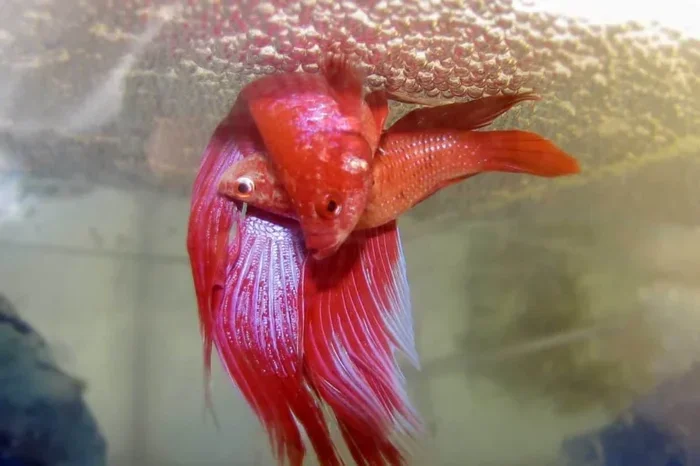
Yes, there is an age limit to breeding betta fish. Male bettas should be at least 4 to 6 months old, while females should be 4 to 5 months old before breeding. Breeding too early or too late can harm the fish and reduce fry survival rates.
Breeding betta fish is one of the most rewarding experiences a fish keeper can have. But before you dive in, you need to understand one critical factor: age. There is absolutely an age limit to breeding betta fish, and ignoring it can lead to health problems, failed spawning, or even the loss of your fish. Whether you are a beginner or a seasoned hobbyist, knowing the right age to breed your bettas makes all the difference.
In this guide, we will walk through everything you need to know about the betta fish breeding age. We will cover when male and female bettas are ready, what happens if you breed them too early or too late, and how to set up the perfect conditions for success. By the end, you will feel confident about timing your breeding efforts the right way.
Key Takeaways
- Minimum breeding age matters: Both male and female bettas need to reach a certain maturity level before they can breed successfully.
- Peak breeding window exists: The best age for breeding is typically between 6 months and 1 year old for both sexes.
- Too young is risky: Breeding a betta fish that is too young can cause health problems and weak fry.
- Too old reduces success: Female bettas over 2 years old may have difficulty producing healthy eggs.
- Health and environment count: Age is just one factor. Proper tank conditions and nutrition also play a huge role in successful breeding.
- Know the signs: Learning to recognize breeding readiness helps you time the process correctly.
- Prepare a proper setup: A dedicated breeding tank with the right temperature and conditions improves outcomes significantly.
📑 Table of Contents
Understanding Betta Fish Sexual Maturity
Before we talk about breeding age, it helps to understand when betta fish reach sexual maturity. Betta fish grow fast, but their bodies need time to develop fully before they can reproduce. Rushing this process is one of the most common mistakes new breeders make.
Male bettas typically reach sexual maturity around 3 to 4 months old. However, that does not mean they are ready to breed at that age. Their fins may look full, and they may start building bubble nests, but their bodies are still developing. A male betta fish needs to be at least 4 to 6 months old before he is a good breeding candidate.
Female bettas mature slightly differently. They can show signs of being ready to produce eggs around 3 to 4 months old. Still, the recommended breeding age for female bettas is 4 to 5 months. At this point, their bodies have developed enough to handle the physical demands of spawning and egg production.
How to Tell if Your Betta Is Mature Enough
You cannot just guess when a betta is ready. There are clear signs of sexual maturity you can look for. For males, watch for a fully developed finnage and a visible breeding stripe on the body. Males will also start building bubble nests at the surface of the water. This is a strong sign that his body is preparing for reproduction.
For females, look for a visible white egg spot on the underside of the belly. The breeding stripe may also appear, though it is often fainter than on males. A healthy female betta will have a rounder body shape when she is carrying eggs. Learning how to tell the age of a betta fish can help you confirm maturity before introducing fish for breeding.
The Ideal Age Range for Breeding Betta Fish
The sweet spot for betta fish reproduction is between 6 months and 1 year old for both males and females. At this age, the fish are fully mature, healthy, and energetic enough to handle the breeding process. Their immune systems are strong, and their bodies produce high-quality eggs and sperm.
Breeding bettas within this window gives you the best chances of successful spawning and healthy fry. The male will be vigorous enough to build a strong bubble nest and care for the eggs. The female will produce a good number of viable eggs without putting too much strain on her body.
Here is a quick breakdown of the ideal ages:
- Male bettas: 6 months to 1 year old is the peak breeding window.
- Female bettas: 6 months to 1.5 years old is ideal for producing healthy eggs.
- Both sexes: Always make sure the fish is active, eating well, and showing vibrant colors.
If you are unsure about your fish’s age, check out our guide on how to tell the age of a betta fish for helpful tips on determining maturity.
What Happens if You Breed Betta Fish Too Early
Breeding a betta fish that is too young is one of the biggest risks in fish keeping. Young bettas that are still growing can suffer serious health consequences from the breeding process. The physical demands of spawning can stunt their growth and weaken their immune system.
Risks for Male Bettas
A male betta that is too young may not have the energy to build a proper bubble nest. Even if he does, the nest may be weak and fail to protect the eggs. Young males may also become overly aggressive during the breeding process, which can injure the female.
Since the young male is still growing, the stress of breeding can redirect energy away from his own development. This can lead to stunted growth, fin damage, and a shorter lifespan overall.
Risks for Female Bettas
Females that breed too early face even greater risks. Their bodies may not be ready to produce eggs in sufficient numbers. The spawning process can be physically exhausting for a young female, leading to exhaustion or even death in severe cases.
Repeated breeding at a young age can also reduce a female’s lifetime egg production. She may not reach her full reproductive potential later on because her body was pushed too hard too soon.
Can You Breed Older Betta Fish?
Another common question is whether there is a maximum age limit to breeding betta fish. The answer is yes. While bettas can technically breed at older ages, the success rate drops significantly as they get older. Most experienced breeders stop breeding male bettas after they reach about 2 years old. For females, the window is even shorter.
As bettas age, their egg production declines. The eggs may be fewer in number and lower in quality. Older females may also have difficulty releasing eggs properly, a condition known as egg binding. This can be a serious and sometimes fatal problem.
Older male bettas may still build bubble nests, but the nests are often less stable. Their energy levels drop, and they may not be as attentive to the eggs and fry. The chances of successful hatching and fry survival decrease with age.
If you are wondering about the overall lifespan of bettas and how it relates to breeding, understanding how to know if a betta fish is dying can help you recognize when a fish is too old or too unhealthy for breeding. Always prioritize the health and well-being of your fish over breeding goals.
How to Prepare for Successful Betta Breeding
Age is just one piece of the puzzle. To breed betta fish successfully, you also need the right setup, nutrition, and environment. Even a perfectly mature pair will struggle if the conditions are not right.
Setting Up a Breeding Tank
A dedicated breeding tank is essential. Use a tank that is at least 10 gallons in size. Keep the water temperature between 78 and 82 degrees Fahrenheit, which is the ideal range for triggering breeding behavior. A sponge filter is a great choice because it provides gentle filtration without creating strong currents that can disturb the bubble nest.
Add some floating plants or a breeding mop. These give the male a place to anchor his bubble nest and give the fry hiding spots after hatching. Keep the tank dimly lit to reduce stress on both fish.
Nutrition Before and During Breeding
Feed both the male and female high-quality food for at least two weeks before introducing them for breeding. Live or frozen foods like brine shrimp and bloodworms work best. Proper betta fish nutrition ensures the female produces healthy eggs and the male has the energy to care for them.
If you want to learn more about feeding during this phase, our article on what to feed a betta fish covers the best dietary options for breeding and everyday care.
Introducing the Pair
Once both fish are in the breeding tank, introduce the female in a clear container first. This lets the male see her without direct contact. Watch for signs of interest, such as the male flaring and building a stronger bubble nest. When both fish are ready, release the female.
The male will wrap around the female to stimulate egg release. This process can take several hours. After spawning, the male will collect the eggs and place them in the bubble nest. Remove the female at this point to protect her from the male’s aggression.
Proper water conditions for betta fish breeding include maintaining stable pH between 6.5 and 7.0 and keeping ammonia and nitrite levels at zero. Clean water is vital for egg development and fry survival.
Common Mistakes to Avoid When Breeding Betta Fish
Even experienced breeders make mistakes. Here are some common errors that can ruin a breeding attempt:
- Breeding too young: Never breed a betta under 4 months old, no matter how mature they look.
- Skipping the conditioning phase: Proper feeding and preparation before breeding dramatically improves results.
- Using the wrong tank size: A tank that is too small increases stress and aggression between the pair.
- Ignoring water quality: Dirty water leads to fungal infections on eggs and weak fry.
- Leaving the female in too long: The male may harm the female if she is not removed after spawning.
- Breeding too frequently: Give your bettas time to recover between breeding cycles. At least 2 to 3 months between attempts is recommended.
These mistakes are easy to avoid with a little planning. Taking the time to do things right leads to healthier fish and more successful spawnings.
Key Takeaways
Breeding betta fish is a wonderful hobby, but timing is everything. The age limit to breeding betta fish is real and important. Keep these key points in mind:
- Minimum age: Males should be at least 4 to 6 months old. Females should be 4 to 5 months old.
- Peak breeding age: 6 months to 1 year old for both sexes gives the best results.
- Maximum age: Males over 2 years old and females over 1.5 years old should not be bred.
- Health matters: A healthy fish at the right age will always breed better than an unhealthy one.
- Preparation counts: The right tank setup, nutrition, and water conditions are just as important as age.
Understanding the betta fish breeding age helps you become a more responsible and successful breeder. Your fish will thank you with healthy spawning behavior and strong, vibrant fry.
If you are new to betta keeping and want to learn more about general care, check out our article on how to help a betta fish that is sick to make sure your fish stays in top shape before any breeding attempt.
Remember, patience is key. Wait for the right age, prepare the right environment, and enjoy the incredible process of bringing new betta fry into the world. Happy breeding!
Frequently Asked Questions
What is the best age to breed a male betta fish?
The best age to breed a male betta fish is between 6 months and 1 year old. At this age, he is fully mature, has strong finnage, and has the energy to build a quality bubble nest and care for the eggs. Breeding a male before 4 months old is not recommended.
Can a female betta fish breed after 2 years old?
It is possible, but not recommended. Female bettas over 2 years old often produce fewer eggs and lower-quality eggs. The risk of egg binding and other health complications also increases. It is best to breed females between 6 months and 1.5 years old for the best results.
How do I know if my betta is old enough to breed?
Look for physical signs of maturity. Males should have full, colorful fins and be building bubble nests. Females should have a visible egg spot and a rounder belly. You can also check the age of a female betta fish using body markings and fin development as guides.
What happens if I breed my betta fish too young?
Breeding too young can stunt growth, weaken the immune system, and cause health problems. Young females may suffer from exhaustion or egg binding. Young males may not have the energy to care for eggs properly. Always wait until your bettas are at least 4 to 6 months old.
How often can I breed my betta fish?
You should wait at least 2 to 3 months between breeding cycles. This gives both the male and female time to recover physically. Breeding too frequently exhausts the fish and reduces the quality of future spawnings. Always prioritize the health of your fish over the number of breeding attempts.
Does water temperature affect betta fish breeding success?
Yes, water temperature plays a big role. The ideal breeding temperature is between 78 and 82 degrees Fahrenheit. Warm water triggers breeding behavior and helps keep the bubble nest stable. Make sure to use a reliable heater and monitor the temperature daily to maintain consistent conditions.