How to Adjust Betta Fish to New Water

Adjusting betta fish to new water is one of the most important steps in betta care. Whether you are doing a partial water change or setting up a brand new tank, proper acclimation prevents stress, disease, and even death. This guide walks you through every step to make the transition smooth and safe for your fish.
Every betta fish owner will face this moment at some point. You need to change the water, add new water, or move your betta to a different tank. And suddenly, you are left wondering how to adjust betta fish to new water without causing stress or harm.
The truth is, betta fish are sensitive creatures. They thrive in stable conditions. Even small shifts in temperature, pH, or chemical levels can throw them off. But here is the good news. With the right approach, you can make every water transition smooth and safe. This guide gives you everything you need to know.
Whether you are a complete beginner or a seasoned hobbyist, these steps will help you protect your fish. We will cover the best methods, common mistakes, and pro tips that make a real difference. Let us dive in.
Key Takeaways
- Gradual adjustment is key: Sudden water changes can shock your betta and cause serious health problems.
- Match temperature first: Always ensure the new water temperature is close to the tank water before introducing your betta.
- Use a water conditioner: Dechlorinating tap water protects your betta from harmful chemicals.
- The drip method works best: This slow acclimation technique gives your fish time to adjust to new parameters.
- Watch for stress signs: Clamped fins, rapid breathing, and lethargy are warning signals after a water change.
- Test your water regularly: Monitoring pH, ammonia, and nitrite levels keeps your betta safe long term.
- Be patient: Rushing the process is the number one mistake new betta owners make.
📑 Table of Contents
- Why Adjusting Betta Fish to New Water Matters
- Understanding Your Betta’s Water Needs
- Methods for Adjusting Betta Fish to New Water
- Step-by-Step Guide: Adjusting Betta Fish to New Water
- Common Mistakes to Avoid When Adjusting Betta Fish to New Water
- How to Help a Stressed Betta After a Water Change
- Expert Tips for Smooth Water Transitions
- When to Seek Help for Your Betta After a Water Change
- Conclusion
Why Adjusting Betta Fish to New Water Matters
Betta fish are tropical freshwater fish that originate from warm, slow-moving waters in Southeast Asia. Their bodies have adapted to very specific conditions. When those conditions change too fast, the fish experience something called osmoregulatory stress. This is a fancy way of saying their bodies struggle to balance internal and external water conditions.
Here is why this matters so much:
- Stress weakens the immune system. A stressed betta becomes much more vulnerable to diseases like ich, fin rot, and fungal infections.
- Sudden parameter shifts can be fatal. Rapid changes in ammonia, nitrite, or pH levels can kill a betta within hours.
- Behavior changes signal distress. A betta that hides, refuses food, or flares excessively may be struggling with new water.
- Long-term health depends on stability. Even if your betta survives a bad water change, repeated stress shortens its lifespan significantly.
The goal is never to eliminate change entirely. Water changes are essential for a healthy tank. The goal is to manage change in a way that your betta can handle. That is what this article is all about.
Understanding Your Betta’s Water Needs
Before you make any changes, you need to understand what your betta actually needs from its water. Every parameter plays a role in your fish’s comfort and survival.
Ideal Water Parameters for Betta Fish
Here are the target ranges you should aim for when preparing or adjusting new water:
- Temperature: 76°F to 82°F (24°C to 28°C). This is the sweet spot for betta health and activity.
- pH Level: 6.5 to 7.5. Slightly acidic to neutral is best.
- Ammonia: 0 ppm. Even trace amounts are toxic.
- Nitrite: 0 ppm. This compound damages the gills and blood.
- Nitrate: Below 20 ppm. Acceptable in small amounts but harmful at higher levels.
- Water Hardness (GH): 3 to 4 dGH. Soft to moderately hard water works well.
Why Tap Water Needs Treatment
Most aquarium owners use tap water as their primary water source. But tap water contains chlorine and chloramine. These chemicals are added to make water safe for humans, but they are deadly for fish. Before adding any tap water to your betta tank, you must treat it with a quality water conditioner. Products like Seachem Prime or API Tap Water Conditioner neutralize these harmful chemicals instantly.
If you are new to this, check out our guide on how to use tap water conditioner for betta fish for a step-by-step walkthrough. It covers dosing, timing, and common questions in detail.
Methods for Adjusting Betta Fish to New Water
There are several proven methods to help your betta adjust to new water. Each method has its strengths, and some work better in specific situations. Let us break them down.
Method 1: The Float Bag Technique
This is the most common method used by pet stores and hobbyists alike. It works well when you are bringing home a new betta or transferring fish between tanks.
Here is how it works:
- Place the sealed bag containing your betta and its original water into the tank.
- Let it float for 15 to 20 minutes. This allows the temperatures to equalize.
- Open the bag and add a small cup of tank water to the bag.
- Wait another 15 minutes.
- Repeat the adding process two to three more times.
- Use a net to gently transfer the betta into the tank.
- Discard the bag water. Do not pour it into your tank.
The float bag method is simple and effective. It gives your fish time to adjust to the new temperature and chemistry gradually. However, it does not address changes in pH or other dissolved parameters as thoroughly as some other methods.
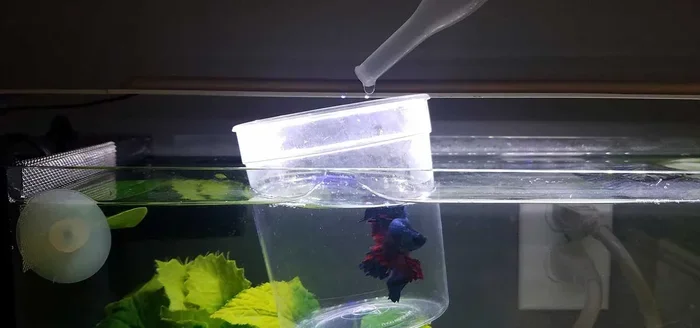
Method 2: The Drip Acclimation Method
The drip method is considered the gold standard for serious betta keepers. It provides the slowest and most controlled transition. This is especially important when the water difference between the old and new environments is significant.
Here is what you need to do:
- Place your betta in a clean container with its original water.
- Set up airline tubing with a control valve or knot to create a slow drip.
- Start the siphon and let new tank water drip into the container at about 2 to 4 drops per second.
- Continue for 45 minutes to one hour.
- Once the container is full, discard half the water and repeat the drip for another 30 minutes.
- Net the betta and place it into the tank.
This method gives your betta the most time to adapt. It minimizes shock and gives you precise control over the rate of change. If you want to learn more about water preparation, our article on how to prepare water for a betta fish offers detailed guidance on getting your water ready before any acclimation process.
Method 3: The Slow Pour Method
This is a simplified version of the drip method. It works well for smaller tanks and partial water changes where the parameter differences are minimal.
Steps to follow:
- Turn off all tank equipment like filters and heaters briefly.
- Remove about 25% of the old tank water using a siphon or cup.
- Slowly pour the new, conditioned water into the tank using a plate or bowl to diffuse the flow.
- Let the tank sit for 10 to 15 minutes.
- Restart your equipment and observe your betta for any signs of stress.
The slow pour method is quick and easy. It is perfect for routine water changes where you are only replacing a portion of the water. For more details on performing water changes properly, see our guide on how to do a water change for betta fish.
Step-by-Step Guide: Adjusting Betta Fish to New Water
Now that you understand the methods, let us walk through the complete process from start to finish. Whether you are doing a routine water change or moving your betta to a new setup, these steps will keep your fish safe.
Step 1: Prepare the New Water
Start by filling a clean container with the water you plan to use. If it is tap water, add a water conditioner immediately. Let the water sit for a few minutes so that dissolved gases dissipate and the temperature stabilizes. You want the new water to be as close as possible to the tank water before introducing it.
Step 2: Match the Temperature
Temperature is the single most important factor. Use a reliable aquarium thermometer to check both the tank water and the new water. If there is a difference of more than 2°F, you need to adjust. You can warm water by placing the container in a warm spot or float it in the tank. To cool water, add a small amount of room temperature water or let it sit uncovered.
For more tips on maintaining consistent warmth, check out our article on how to keep water warm for betta fish.
Step 3: Test the Water Parameters
Before adding any new water to your tank, test it. Use a liquid test kit for the most accurate results. Check pH, ammonia, nitrite, and nitrate. If the new water is significantly different from the tank water, you may need to adjust it or mix it with tank water before introducing your betta.
Step 4: Perform the Acclimation
Choose the method that best fits your situation. For routine water changes, the slow pour method works great. For new fish or major parameter differences, use the drip method. Always be gentle and patient throughout the process.
Step 5: Monitor Your Betta After the Change
Once the adjustment is complete, watch your betta closely for the next 24 to 48 hours. Look for normal behavior like swimming actively, eating, and exploring. If you notice any warning signs, take action immediately.
Common Mistakes to Avoid When Adjusting Betta Fish to New Water
Even experienced fish keepers make mistakes. Here are the most common errors and how to avoid them.
Mistake 1: Changing All the Water at Once
This is the fastest way to crash a tank and stress your betta. Never replace more than 50% of the water at one time, and for routine changes, 25% is ideal. Removing all the water destroys beneficial bacteria colonies and causes a massive spike in harmful parameters.
Mistake 2: Ignoring Temperature Differences
Many beginners forget to check the temperature before adding new water. Even a few degrees of difference can cause temperature shock. A betta experiencing temperature shock may develop ich, stop eating, or become lethargic. Always verify the temperature with a thermometer before proceeding.
Mistake 3: Skipping the Water Conditioner
Some people think a little chlorine will not hurt. It will. Chlorine and chloramine damage the gills and mucous membrane of betta fish. Always use a water conditioner. It is a non-negotiable step in the water change process.
Mistake 4: Not Washing Your Hands or Equipment
Soap residue, lotions, and even hand sanitizer can introduce harmful chemicals into the tank. Always rinse your hands thoroughly with plain water before reaching into the aquarium. Clean all tools and containers with hot water only, never soap.
Mistake 5: Rushing the Acclimation Process
Patience is not optional here. Some owners try to speed things along by dumping the bag water directly into the tank. This introduces unknown water quality and pathogens into the established tank. Always take the time to acclimate properly.
How to Help a Stressed Betta After a Water Change
Even when you follow all the steps perfectly, your betta might show signs of stress after a water change. This is not uncommon. The key is knowing how to respond quickly.
First, check the water parameters immediately. Test for ammonia, nitrite, and pH. A spike in any of these could indicate that the new water is the problem. If the parameters look good, consider the following steps:
- Add Indian Almond Leaves. These natural leaves release tannins that soothe betta fish and slightly lower pH. Many experienced keepers swear by them.
- Reduce light exposure. Dim the tank lights or cover the tank with a towel for a few hours. Darkness helps calm stressed fish.
- Keep the tank undisturbed. Avoid moving the tank, making loud noises, or tapping on the glass. Give your betta space to recover.
- Offer favorite food in small amounts. Appetite is a good sign of recovery. If your betta refuses food for more than two days, investigate further.
If your betta shows severe signs of distress like gasping at the surface, lying on its side, or showing white spots, you may be dealing with a more serious issue. In such cases, it is wise to test your water again and consider a small water change with aged water to dilute any harmful substances.
Expert Tips for Smooth Water Transitions
Over the years, experienced betta keepers have developed a handful of habits that make water changes almost stress-free. Here are the tips that truly make a difference.
- Always use aged water. Letting tap water sit out for 24 hours before use allows chlorine to dissipate naturally. However, this does not remove chloramine, so a water conditioner is still essential.
- Use the same source water consistently. Switching between different water sources (like city water one week and bottled water the next) can cause parameter fluctuations that stress your fish.
- Do water changes on a consistent schedule. Betta fish respond well to routine. A predictable schedule helps them stay calm and healthy.
- Keep a water change log. Writing down the date, amount, temperature, and parameters of each change helps you track patterns and catch problems early.
- Never acclimate under direct sunlight. Direct sunlight can rapidly heat the water in your acclimation container and stress your fish.
These small habits compound over time. They create a stable environment where your betta can thrive. For more information on maintaining healthy water conditions, visit our guide on how to take care of a betta fish water for in-depth advice on all aspects of water maintenance.
When to Seek Help for Your Betta After a Water Change
Most of the time, a betta adjusts to new water without any issues. But there are moments when professional guidance becomes necessary. If your betta shows persistent signs of distress beyond 48 hours, if the water parameters remain unstable despite your efforts, or if you notice visible disease symptoms like white spots, torn fins, or bloating, it is time to take action.
Consider consulting with experienced aquarists online or visiting a local fish vet. Catching problems early gives your betta the best chance of a full recovery. Remember, prevention is always better than cure, and following the acclimation steps in this guide is your first line of defense.
Conclusion
Learning how to adjust betta fish to new water is a fundamental skill for every betta owner. The process does not have to be complicated or intimidating. With the right preparation, the correct acclimation method, and a little patience, you can ensure every water change is a positive experience for your fish.
Remember the core principles: match the temperature, condition the water, acclimate gradually, and monitor your betta afterward. Avoid the common mistakes that cause unnecessary stress. And most importantly, enjoy the process. Watching your betta thrive in clean, stable water is one of the most rewarding feelings in the hobby.
Take what you have learned here and apply it to your next water change. Your betta will thank you with vibrant colors, active swimming, and a long, healthy life.
Frequently Asked Questions
How long does it take to adjust a betta fish to new water?
The acclimation process typically takes between 30 minutes and one hour depending on the method used. The drip method takes the longest but provides the safest transition. For routine water changes where parameters are similar, the slow pour method can be done in about 15 minutes.
Can I put my betta fish directly into new water without acclimation?
You can, but it is not recommended. Skipping acclimation risks temperature shock, pH shock, and chemical exposure. Even if the water looks clean, invisible parameter differences can stress or harm your betta. Always take the extra few minutes to acclimate properly.
What is the best water temperature for betta fish during acclimation?
The ideal temperature range is 76°F to 82°F (24°C to 28°C). During acclimation, make sure the new water matches the tank water temperature as closely as possible. A difference of more than 2°F can cause stress and weaken your fish’s immune system.
Do I need to use a water conditioner every time I change water?
Yes, every single time. Tap water contains chlorine and chloramine that are harmful to betta fish. A quality water conditioner neutralizes these chemicals instantly. Skipping this step, even once, can damage your fish’s gills and overall health.
Why is my betta acting weird after a water change?
Mild behavioral changes like hiding or reduced appetite for a few hours are normal. However, if the behavior persists beyond 24 hours or includes gasping, flashing, or lethargy, test your water parameters immediately. The new water may have high ammonia, incorrect pH, or a temperature mismatch.
Can I use bottled spring water for my betta fish?
Spring water can work, but you need to test it first. Some brands have high mineral content or pH levels that are not ideal for bettas. Always check the parameters before using bottled water, and consider mixing it with conditioned tap water to achieve the right balance.