Can Betta Fish Eat Moths
Betta fish can eat moths, but only as an occasional treat. Live or dried moths provide protein, yet they must be prepared safely to avoid harming your finned friend. Follow our feeding tips to keep your betta healthy and happy.
Key Takeaways
- Safe occasional treat: Moths can be offered sparingly as a protein boost.
- Live vs. dried: Live moths are more natural, but dried moths are easier to store and less risky.
- Preparation matters: Remove wings and gut the moth to prevent choking and digestive issues.
- Balanced diet: Moths should complement, not replace, staple betta foods like pellets and frozen brine shrimp.
- Observe your fish: Watch for stress or illness after introducing moths and adjust feeding accordingly.
- Environmental factors: Keep the tank clean and maintain proper water parameters to help digestion.
- Internal resources: Learn more about betta nutrition and compatible tank mates through our related articles.
Quick Answers to Common Questions
Can betta fish eat live moths?
Yes, live moths can be fed, but you should remove the wings and ensure the insect is pesticide‑free.
Are dried moths safe for bettas?
Dried moths sold for aquarium use are pre‑cleaned and safe when rehydrated briefly before feeding.
How many moths should I feed my betta?
One or two small moths once or twice a week is enough as a treat.
What should I do if my betta looks sick after eating a moth?
Remove any remaining insects, test water quality, and consider consulting an aquatic vet if symptoms persist.
Can I feed my betta moths from the garden?
Only if you are certain the moths haven’t been exposed to pesticides or parasites; otherwise, use captive‑bred or store‑bought insects.
📑 Table of Contents
Introduction: Why the Question Comes Up
If you’ve ever seen a moth flutter near your aquarium, you might wonder, can betta fish eat moths? The answer isn’t a simple yes or no. Betta fish are opportunistic predators, and they will snap at any small, moving prey that fits in their mouths. Moths, being soft‑bodied insects, can be an attractive snack. However, feeding wild insects to a tropical fish comes with a handful of considerations.
In this article we’ll explore the biology behind a betta’s diet, the pros and cons of offering moths, how to prepare them safely, and the best practices for incorporating them into a balanced feeding routine. By the end, you’ll know exactly when and how to answer the question, “can betta fish eat moths?” with confidence.
1. Betta Fish Natural Feeding Habits
What do bettas eat in the wild?
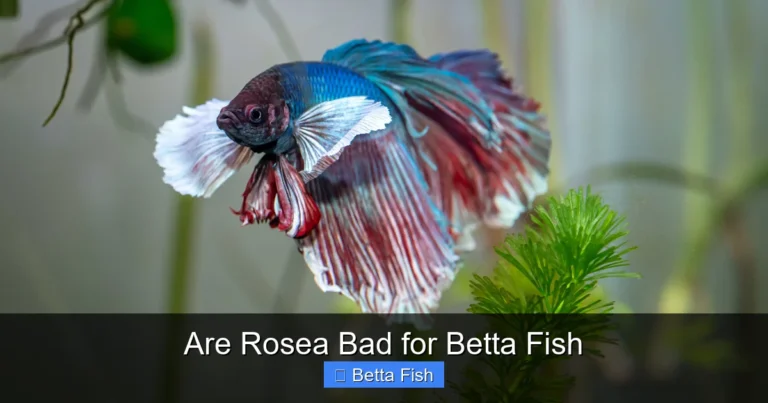
In their native Southeast Asian habitats, bettas (Betta splendens) hunt small insects, larvae, and tiny crustaceans that drift near the water’s surface. Their mouths are designed for a quick, upward strike, perfect for catching surface dwellers like mosquito larvae and tiny flies.
Visual guide about Can Betta Fish Eat Moths
Image source: redeszone.net
How does this relate to moths?
Moths share many traits with the insects bettas naturally pursue: they are soft, relatively small, and often fall onto the water’s surface. This makes a moth a plausible, though not typical, food item.
2. Can Betta Fish Eat Moths? The Science
Size and shape considerations
Most adult moths are between 1–2 cm long, which fits comfortably inside a betta’s mouth. However, larger moths or those with thick wings can be too big, leading to choking or injury.
Visual guide about Can Betta Fish Eat Moths
Image source: wallpapers.com
Nutrition profile
Moths are rich in protein, fat, and some vitamins—similar to the nutrition found in live brine shrimp. This makes them a beneficial occasional supplement, especially for growing fry or a betta recovering from illness.
Potential risks
- Choking hazard: Whole wings can get stuck.
- Parasites: Wild moths may carry microbes.
- Pesticide residue: Outdoor insects can be contaminated.
Because of these risks, it’s safest to use moths that are either farm‑raised or purchased from a reputable pet‑store supplier.
3. Preparing Moths for Your Betta
Live moths
If you have a captive‑bred moth culture, rinse the insects in dechlorinated water and gently remove the wings with tweezers. This reduces the chance of a wing getting stuck in the betta’s throat.

Visual guide about Can Betta Fish Eat Moths
Image source: dpsdesign.org
Dried or frozen moths
Many aquarium stores sell dried “insect treats” that include moths, crickets, and black soldier fly larvae. These are already gut‑checked and wing‑less, making them a convenient option. Soak the dried moths in tank water for a few minutes to rehydrate before feeding.
Safety checklist
- Only offer one or two moths at a time.
- Remove any visible debris or mold.
- Never feed moths that have been exposed to pesticides.
4. How Often Should You Feed Moths?
Frequency guidelines
Think of moths as a treat, not a staple. Feeding a betta one or two moths once or twice a week is plenty. Over‑reliance on insects can lead to an unbalanced diet, causing issues like fatty liver disease.
Balancing with other foods
Combine moths with high‑quality betta pellets, frozen brine shrimp, or daphnia. A varied menu mimics the natural diet and supports optimal health. For more ideas on a balanced betta diet, see our article on what can betta fish eat.
Portion control
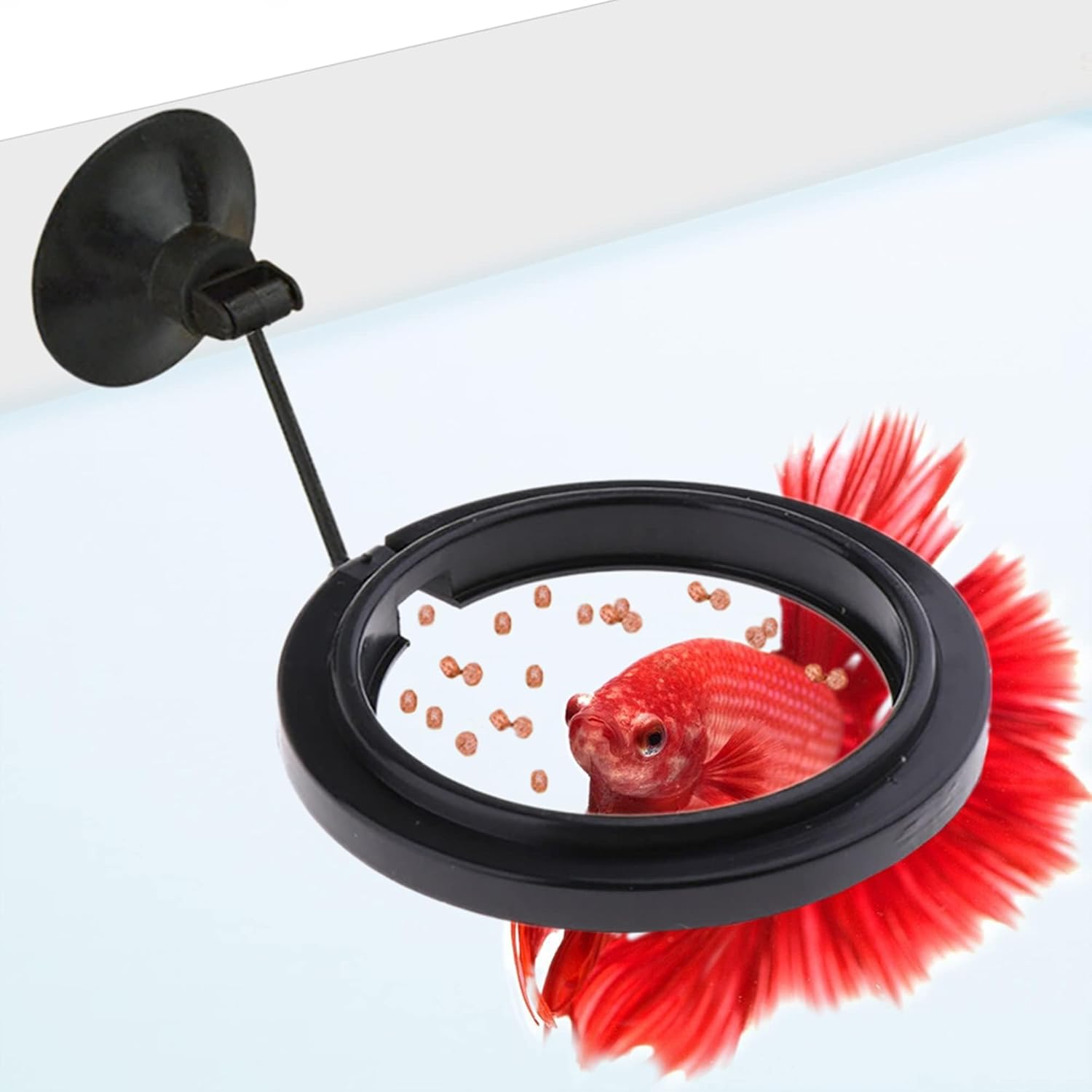
Offer a piece of moth that is roughly the size of the betta’s eye. If the fish eats it within a minute, the portion is appropriate. If it lingers, remove the excess to keep the water clean.
5. Observing Your Betta’s Reaction
Signs of enjoyment
A happy betta will flare its fins, dart toward the moth, and swallow in a single snap. You may see a brief “bubble” as the insect breaks the surface tension.
Warning signs
If the betta appears sluggish, gasps for air, or shows torn fins after eating moths, stop feeding them immediately and check water quality. These could be signs of digestive upset or a hidden parasite.
When to seek veterinary help
Persistent loss of appetite, cloudy eyes, or abnormal swimming patterns warrant a visit to an aquatic veterinarian.
6. Moths vs. Other Insect Treats
Comparing to brine shrimp and daphnia
Brine shrimp are the gold standard for protein, while daphnia provide fiber. Moths sit somewhere in between—high in protein but low in fiber. They can be a nice change of texture for a bored betta.
Can betta fish eat shrimp?
Yes, and many owners find shrimp to be a safer, more readily available option. Read more about this in our guide on can betta fish eat shrimp.
Choosing the right treat
Consider the availability, cost, and your fish’s preferences. Live insects (including moths) are exciting for the betta’s hunting instincts, while frozen or dried options are mess‑free and easier to store.
Conclusion: The Bottom Line on Moths
So, can betta fish eat moths? Absolutely—if you prepare them correctly and feed them sparingly. Moths can add variety and a protein boost to your betta’s diet, but they should never replace a well‑balanced regimen of pellets, frozen foods, and occasional live treats. Keep an eye on water parameters, monitor your fish’s health, and enjoy watching your betta’s natural hunting behavior come alive with a tasty moth snack.
Frequently Asked Questions
Do moths provide the right nutrition for betta fish?
Moths are high in protein and fat, making them a decent occasional supplement, but they lack the complete nutrition that formulated betta pellets provide.
Will my betta recognize a moth as food?
Most bettas will instinctively strike at a moving moth on the surface, especially if they are used to hunting live prey.
Can I freeze moths for later feeding?
Yes, you can flash‑freeze live moths and store them for up to a month. Thaw them in tank water before offering.
Is it better to feed moths than brine shrimp?
Both are good protein sources. Brine shrimp are more nutritionally balanced, while moths add variety and stimulate hunting behavior.
Do moths cause water quality problems?
Feeding any live or dried insects can increase waste. Remove uneaten pieces promptly to keep ammonia levels low.
Can I feed my betta moths if I also keep shrimp in the tank?
Yes, but ensure the shrimp are large enough not to be eaten, and monitor interactions to prevent stress.